
Flowers
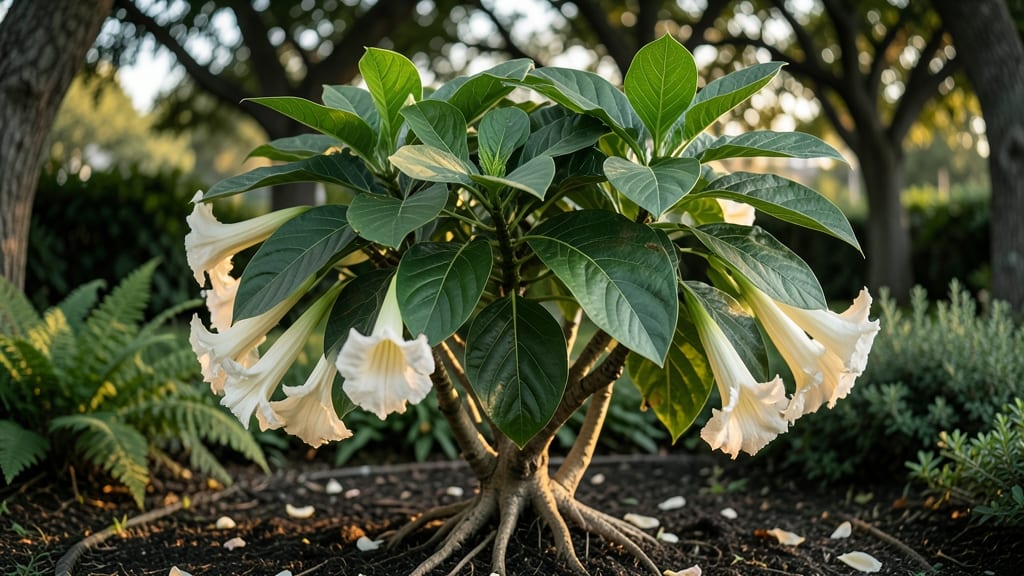
The angels trumpets flowers bring a jungle-like drama to any garden, their drooping blooms creating a lush vertical canopy that feels like a secret tropical escape. 🌿 I planted mine near my patio last spring, and the way they sway in the breeze—like nature’s own chandelier—has completely transformed the space.
These aren’t just flowers; they’re a statement piece that turns ordinary yards into something extraordinary.
What makes them so special is their ability to thrive in partial shade, making them perfect for under trees, along fences, or near north-facing walls.
Pair them with fragrant jasmine or dwarf palm trees for a layered, exotic look, or tuck them into a cottage-style border with columbines and foxgloves for a whimsical touch.
The key is giving them room—they can grow 10 to 15 feet tall, so plant them where they can stretch without crowding other plants.
Imagine stepping outside to find your garden bathed in the soft glow of moonlight-reflecting blooms, their trumpet shapes humming with bees and butterflies all season long. These flowers aren’t just pretty; they’re year-round performers, with some varieties blooming from late spring through frost.
Whether you’re going for a bold tropical vibe or a dreamy, romantic garden, angels trumpets deliver drama with minimal effort.
For best results, place them where they’ll get morning sun and afternoon shade, and avoid planting near high-traffic areas—their milky sap can irritate skin. With the right spot, they’ll reward you with months of show-stopping beauty, turning your garden into a living work of art.
Ready to add some magic? Let’s get planting!
📚 In This Guide
- What you need
- Instructions
- Tips and common mistakes
- Wrapping up and next steps
What you need
- ● Angels Trumpet Seeds or Plants: 3–5 mature plants (or 10–15 seeds for growing from scratch). Choose Brugmansia varieties like 'Pink Angel' or 'White Angel' for vibrant blooms.
- ● Vertical Garden Structure: Trellis or wire mesh (6–8 ft tall, 3–4 ft wide)
- ● OR a sturdy wooden frame with attached netting
- ● Potting Soil: 5–10 gallons of well-draining, nutrient-rich soil (mix equal parts potting soil, perlite, and compost).
- ● Containers or Grow Bags: 3–5 large fabric or plastic pots (10–15 gallons each) with drainage holes.
- ● Supporting Stakes or Twine: 3–5 bamboo stakes or soft garden twine for training vines.
- ● Fertilizer: Balanced liquid fertilizer (10-10-10 or organic options like fish emulsion).
- ● Watering Can or Hose: With a gentle spray nozzle for hydration.
- ● Pruning shears (sterilized)
- ● Gloves (gardening or heavy-duty for handling thorns)
- ● Trowel or small shovel
- ● Measuring tape (for spacing plants)
- ● Spray bottle (for misting seedlings)
- ● Mulch (straw or wood chips) to retain moisture.
- ● Garden twine or clips for securing vines to the trellis.
- ● Slow-release fertilizer tablets for added nutrition.
- ● Humidity tray for seedlings (if starting indoors).
- ● Decorative lights (solar-powered) for evening ambiance.
Step-by-Step guide to planting and cultivating angels trumpets for stunning vertical drama
Here's how to establish these bold climbers for lush, year-round vertical impact.
🌱 Step 1: Select and Prepare the Perfect Planting Site
Choose a location with partial shade to full sun—these tropical beauties thrive where morning sun warms the leaves but afternoon shade prevents scorching. I always test the spot first by observing how long direct sunlight lingers; 4-6 hours of filtered light is ideal for consistent blooming. The soil must drain freely but retain moisture—amend heavy clay with 2-3 inches of organic compost mixed into the top 12 inches of soil.
Angels trumpets hate soggy roots, so elevate the planting area if your site floods. A slight mound or raised bed ensures excess water drains away. Work the soil until it crumbles easily between your fingers—no clods larger than a golf ball. Here's the thing—these plants reward patience. The deeper and wider you prepare the hole, the more room the roots have to establish before the first winter.
🪴 Step 2: Plant with Proper Spacing and Support Structure
Dig a hole twice as wide as the root ball but only as deep as the container it came in. Gently remove the plant and loosen any circling roots with your fingers—this prevents girdling as the plant matures. Place it in the hole so the top of the root ball sits 1 inch below soil level; this encourages strong root growth before top growth begins.
Stake a 6-foot tall trellis or arbor right next to the planting hole before positioning the plant. Angels trumpets need vertical support immediately—their vines grow aggressively and can reach 20 feet in a single season. Space multiple plants 10-12 feet apart to allow their canopies to merge beautifully without crowding. Fill the hole with native soil, pressing gently to eliminate air pockets, then water deeply to settle everything.
☀️ Step 3: Establish a Consistent Watering and Fertilizing Routine
Water immediately after planting, then maintain 1-2 inches of moisture per week—more during the first growing season while roots establish. You'll know it's right when the top 2 inches of soil feel damp but not soggy. Mulch with 3-4 inches of shredded bark around the base to conserve moisture and regulate soil temperature. Keep mulch 6 inches away from the trunk to prevent rot.
Feed with a balanced 10-10-10 fertilizer every 6-8 weeks during the growing season, starting when new growth appears in spring. I always mix fertilizer into the soil rather than applying it to the surface—this prevents leaf burn. Watch for dark green, glossy leaves as your signal everything's working. If leaves yellow between feedings, your plant needs more nutrients.
✂️ Step 4: Prune for Shape and Encourage Continuous Blooms
Prune in late winter or early spring before new growth begins. Remove any dead, damaged, or crossing branches first—these compete with healthy growth for resources. Cut back overgrown vines by one-third to stimulate bushier growth. I always make cuts just above a leaf node where new growth will emerge; this ensures the plant doesn't leave ugly stubs.
Deadhead spent blooms regularly throughout the season to encourage more flowers. The key is timing—remove faded blooms before they form seed pods, but leave a few to develop if you want to collect seeds for propagation. Here's where it gets fun: Angels trumpets often rebloom on old wood, so pruning too aggressively in summer can reduce fall flowers. A light trim after each flush of blooms keeps things looking tidy without sacrificing production.
Tips & tricks for perfect angels trumpets flowers
These simple strategies will help you create a thriving vertical garden that delivers year-round drama.
Light Observation: The 4-6 hours of filtered light mentioned in Step 1 is non-negotiable for consistent blooming. I recommend testing your site for at least a week before planting—place a white plate where you plan to grow and mark the sun's shadow every hour. If shadows disappear by midday, you've got the perfect balance of morning sun and afternoon shade. Too much direct sun can scorch those gorgeous trumpet-shaped blooms.
Root Ball Preparation: In Step 2, when loosening circling roots, be gentle but thorough. I've seen gardeners skip this step and end up with girdled plants that struggle to thrive. Use your fingers to carefully separate roots—think of it like untangling headphones. The goal is to encourage outward growth rather than a compact root mass that circles the stem. This single step makes all the difference in establishing strong, healthy plants.
Fertilizer Timing: The 6-8 week feeding schedule in Step 3 is ideal, but timing matters just as much as the frequency. I always fertilize right after a deep watering—this helps prevent root burn from the concentrated nutrients. Start feeding when you see new growth appear in spring, not when you plant. The roots need time to establish before they can efficiently take up nutrients from the soil.
Pruning Precision: When pruning in Step 4, cutting back by one-third stimulates bushier growth, but where you cut matters. Always make your cuts just above a leaf node where new growth will emerge. I use sharp pruners and make clean cuts at a 45-degree angle about 1/4 inch above the node. This prevents water from pooling on the cut and reduces the risk of disease. A little precision goes a long way in keeping your angels trumpets looking their best.
Pro Tips for Angels Trumpets Flowers
- These simple strategies will help you create a thriving vertical garden that delivers year-round drama.
- Light Observation: The 4-6 hours of filtered light mentioned in Step 1 is non-negotiable for consistent blooming. I r...
- Root Ball Preparation: In Step 2, when loosening circling roots, be gentle but thorough. I've seen gardeners skip thi...
Frequently asked questions
Got questions about angels trumpets flowers? You’re not alone! Here are some of the most common queries—plus quick, practical answers to help you grow and enjoy these stunning vertical beauties with confidence.
How long does it take for angels trumpets to bloom?
Patience is key with these dramatic climbers! Under ideal conditions, Brugmansia (angels trumpets) typically bloom 6–12 months after planting from seeds. If you start with a nursery-grown plant, expect flowers within 1–3 months of transplanting, especially in warm climates. Pro tip: Prune leggy growth early to encourage bushier blooms faster!
Can angels trumpets survive winter in cold climates?
Native to tropical regions, angels trumpets are not frost-tolerant—they’ll die back in temps below 30°F (-1°C). In cold zones, grow them as annuals or overwinter indoors in pots. For year-round outdoor growth, plant in USDA Zones 9–11 or use a greenhouse. Alternative: Try Datura (another trumpet-shaped flower) for hardier options!
Are angels trumpets toxic to pets or humans?
Yes!
All parts of angels trumpets—flowers, leaves, and seeds—contain tropane alkaloids, which are highly toxic if ingested. Symptoms in pets/humans include dizziness, vomiting, or irregular heartbeat. Keep them out of reach of children and curious pets. Safety tip: Wear gloves when handling and wash hands thoroughly after pruning.
How do I make my angels trumpets grow taller and fuller?
These vines thrive with support and space! Train them on trellises, arbors, or fences for vertical growth. Use a balanced fertilizer (10-10-10) every 4–6 weeks during blooming season. Water deeply but let soil dry slightly between waterings—overwatering causes root rot. Prune back 1/3 of new growth in spring to encourage bushiness.
Why aren’t my angels trumpets flowering?
No blooms? Check these fixes:
- Light: They need full sun (6+ hours daily)—move to a sunnier spot.
- Age: Young plants (<1 year) may not bloom yet.
- Stress: Over/under-watering or poor soil can delay flowers.
- Pruning: Cut back leggy stems to redirect energy to blooms.
Wrapping up and next steps
Transforming your outdoor space with angel’s trumpets isn’t just about aesthetics—it’s about creating a dramatic, evergreen focal point that thrives year-round. These stunning vines offer lush foliage, fragrant blooms, and a vertical canopy that turns any garden into a lush paradise.
Whether you’re a seasoned gardener or just starting, their low-maintenance charm makes them a must-have for adding height, texture, and tropical flair.
Ready to elevate your garden? Start by choosing the perfect spot—whether it’s a trellis, fence, or pergola—and watch your space bloom into a breathtaking masterpiece! 🌿✨