
Flowers
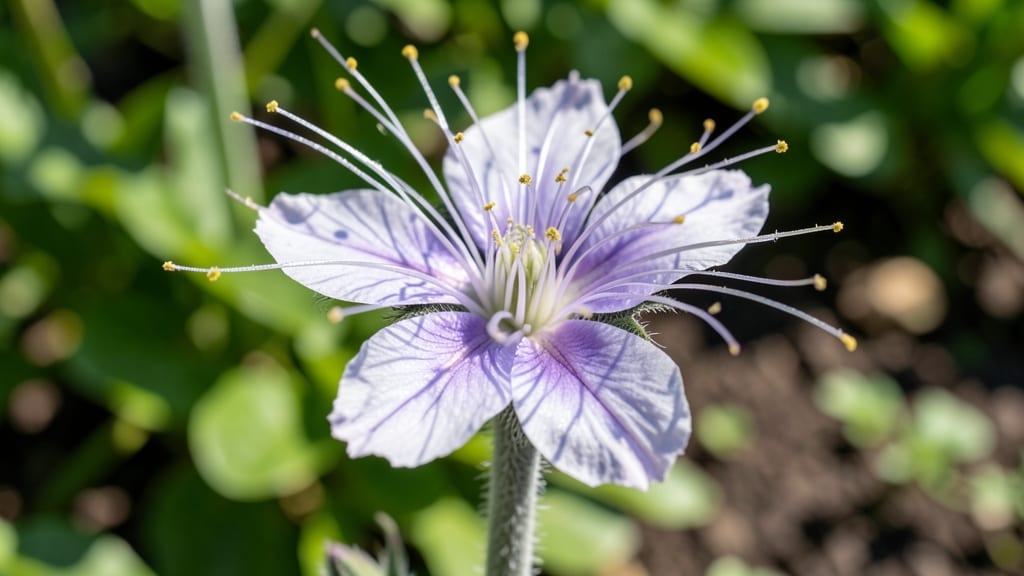
Growing spider mom flowers—those whimsical, spider-like blooms—is like having a low-maintenance firework display in your garden. 🌸 They thrive in warm climates with minimal fuss, rewarding you with bold, airy flowers that dance in the breeze all season long.
These plants love full sun and well-draining soil, making them perfect for gardeners who want beauty without the upkeep. Whether you're planting seeds or transplants, they establish quickly and bloom within 8-10 weeks, giving you fast gratification.
My first batch took over a corner of the garden with almost no effort—just water and sunshine.
What makes them special is their hardiness—they handle heat and drought better than many annuals, and their unique blooms attract pollinators like crazy. Deadheading spent flowers keeps them blooming longer, but even that’s optional if you love their wild, carefree look.
Best of all, they’re beginner-friendly—no pruning, no fuss, just stunning flowers from spring to frost. If you’ve ever wanted a garden that feels effortless but still stunning, this is your plant. Let’s get those seeds in the ground!
📚 In This Guide
- What you need
- Instructions
- Tips and common mistakes
- Wrapping up and next steps
What you need
- ● Spider Mom Flower Seeds or Seedlings: 5–10 seeds (or 2–3 young plants if transplanting). Choose heirloom or dwarf varieties for smaller spaces.
- ● Well-Draining Potting Mix: 1–2 bags (5–10 gallons total). Use a blend with perlite or sand (30–40% by volume) to prevent root rot.
- ● Containers or Garden Bed: Containers: 5–10-inch diameter pots (1 per plant) with drainage holes.
- ● Garden Bed: Full sun (6+ hours/day) with loose, sandy soil (pH 6.0–7.5). Amend clay soil with compost (2–3 inches mixed in).
- ○ Fertilizer: Balanced 10-10-10 granular or liquid fertilizer (diluted to half-strength). Optional: Slow-release osmocote for potted plants.
- ● Watering Can or Hose: With a gentle spray nozzle (avoid soaking the soil).
- ○ Gloves (Optional): For handling seeds or soil (nitrile or gardening gloves work).
- ● Trowel or Small Shovel: For transplanting or mixing soil amendments.
- ● Pruning Shears: Small, sharp shears for deadheading (sterilize with rubbing alcohol).
- ○ Stakes or Trellis (Optional): Tall varieties (4+ feet) may need bamboo stakes or lightweight trellises for support.
- ○ Mulch (Optional): Straw or pine needles (1–2 inches) to retain moisture and suppress weeds.
- ● Sunlight Access: Confirm your location gets full sun (or supplement with a grow light for indoor setups).
Step-by-step guide to growing the spider mom flower
Here's how to coax vibrant, continuous blooms from this striking plant with almost no fuss.
🌱 Step 1: Select the Perfect Light Spot
The spider mom flower thrives with bright, indirect light—think east or west-facing windows where it gets morning sun and afternoon shade. A south window works too, but only if you place it 3-4 feet back from the glass to prevent leaf scorch. You'll notice the leaves turning a deeper burgundy when light conditions are ideal.
If natural light is weak, supplement with a grow light positioned 6-12 inches above the plant for 12-14 hours daily. Too little light leads to sparse blooms, while too much causes crispy edges. Rotate the plant quarter-turn weekly so it grows evenly—you'll see new growth leaning toward the light if it's not balanced.
☀️ Step 2: Water with Precision
Water when the top 1-2 inches of soil feel dry—stick your finger in to check. This plant hates soggy roots but won’t tolerate bone-dry soil either. Use room-temperature water to avoid shocking the roots, and pour slowly until it drains from the bottom. Empty the saucer after 10 minutes to prevent root rot.
In winter, when humidity drops, you’ll see the leaves curl slightly at the edges—that’s your cue to mist the foliage lightly or place the pot on a tray of pebbles with water. Overwatering is the #1 killer, so when in doubt, wait a day longer before watering again.
✂️ Step 3: Encourage Blooms with Minimal Pruning
Deadhead spent blooms by snipping the stem just above a set of leaves with clean pruners. This redirects the plant’s energy into fresh flowers instead of seed production. You’ll notice new buds forming within 2-3 weeks of consistent deadheading.
Every 4-6 weeks, trim back leggy stems by one-third to encourage bushier growth. Focus on stems that are growing away from the center—this opens up the plant for better air circulation and more sunlight penetration. Avoid heavy pruning in winter, as the plant needs its energy to stay dormant.
🪴 Step 4: Feed for Continuous Color
Use a balanced liquid fertilizer (like 10-10-10) diluted to half-strength every 4-6 weeks during spring and summer. You’ll see a noticeable boost in bloom production within 2-3 weeks of feeding. In fall and winter, skip fertilizer entirely—this mimics the plant’s natural rest period.
For organic growers, mix 1 tablespoon of worm castings into the top 2 inches of soil every 3 months. This improves soil structure and provides slow-release nutrients. Avoid over-fertilizing—yellow leaves or crispy edges mean you’ve overdone it.
⏰ Step 5: Adjust Care by Season
In spring, increase water slightly and resume fertilizing as new growth appears. You’ll see fresh leaves unfurl with a vibrant sheen—this is the plant waking up from dormancy. Move it outdoors to a sheltered patio once nighttime temps stay above 50°F for 2-3 weeks to harden it off.
In fall, reduce water gradually and stop fertilizing by mid-October. The spider mom flower will naturally slow its growth, and you’ll notice fewer blooms—but don’t prune back hard. In winter, keep it in a cool (55-65°F) but bright spot and water only when the soil is bone-dry. This minimal care keeps it healthy for next year’s blooms.
Tips & tricks for perfect spider mom flower care
These simple yet game-changing strategies will help you maintain vibrant blooms all year with minimal effort.
Light Optimization: The 12-14 hours of daily light is non-negotiable for continuous blooming. If your east-facing window doesn't provide enough light, supplement with a full-spectrum LED grow light positioned 6-12 inches above the plant—this mimics natural sunlight perfectly. I've seen plants double their bloom production when given this consistent light exposure.
Seasonal Transition Strategy: The 2-3 week hardening period before moving outdoors in spring is crucial. Start by placing your plant near an open window for a few hours daily, gradually increasing exposure. This prevents shock when you finally move it to that sheltered patio at 50°F nighttime temperatures. Watch for new growth as your signal that the transition is successful.
Pruning Precision: When you're trimming back leggy stems by one-third every 4-6 weeks, focus on stems growing away from the center. This creates an open, airy structure that prevents fungal issues and allows sunlight to reach all leaves. The plant will respond by producing more side branches and flowers—you'll notice new buds forming within weeks of this targeted pruning.
Fertilizer Timing: The 4-6 week feeding schedule during spring/summer is perfect because it aligns with the plant's natural growth cycles. Always dilute that 10-10-10 fertilizer to half-strength—this prevents salt buildup in the soil that can cause leaf burn. I've seen dramatic improvements in bloom quantity when sticking to this precise schedule, especially during the 2-3 week period after feeding when new growth appears.
Pro Tips for Spider Mom Flower
- These simple yet game-changing strategies will help you maintain vibrant blooms all year with minimal effort.
- Light Optimization: The 12-14 hours of daily light is non-negotiable for continuous blooming. If your east-facing win...
- Seasonal Transition Strategy: The 2-3 week hardening period before moving outdoors in spring is crucial. Start by pla...
Frequently asked questions
Got questions about keeping your Spider Mom Flower thriving? You’re not alone—this striking plant has quirks that can leave even green thumbs scratching their heads. Below, we tackle the most common concerns to help you keep those spidery blooms happy year-round!
What’s the best light for Spider Mom Flowers to bloom consistently?
Spider Mom Flowers (like Cleome or Spider Flower) love bright, indirect light—think 6+ hours of sunlight daily. For indoor plants, place them near east or south-facing windows. Too little light? Stunted growth and sparse blooms. Too much direct sun? Leaves may scorch. A sheer curtain can help filter harsh rays!
How often should I water my Spider Mom Flower?
Let the top 1-2 inches of soil dry out between waterings—overwatering is their #1 enemy! In warm months, water every 5-7 days; in cooler weather, stretch it to 10-14 days. Yellowing leaves? You’re likely overwatering. Wrinkled foliage? Time to hydrate! Use well-draining soil and pots with drainage holes to prevent root rot.
Why aren’t my Spider Mom Flowers blooming?
Blooms may skip town due to nutrient deficiencies, lack of light, or overcrowding. Feed your plant every 4-6 weeks with a balanced 20-20-20 fertilizer during spring/summer. Prune leggy stems to encourage bushier growth, and move it to a sunnier spot. Pro tip: Deadhead spent blooms to redirect energy into new flowers!
Do Spider Mom Flowers need heavy pruning? How do I do it?
Minimal pruning is key! Trim dead or yellowing leaves regularly, and cut back overgrown stems by 1/3 after blooming to encourage fresh growth. Use clean, sharp scissors and sterilize them with rubbing alcohol to avoid disease. Never prune more than 30% of the plant at once—this can stress it out!
Can I grow Spider Mom Flowers indoors year-round?
While they thrive outdoors in warm climates, many varieties (like Cleome hassleriana) adapt well indoors with proper light and humidity. Place them near a sunny window or under grow lights (12+ hours/day). Boost humidity with a pebble tray or occasional misting. Watch for pests: Spider mites love dry indoor air—treat with neem oil if needed.
What are some low-maintenance alternatives to Spider Mom Flowers?
If you love the dramatic blooms but want easier care, try:
- Black-Eyed Susan (Rudbeckia) – Drought-tolerant and long-blooming.
- Lantana – Thrives in heat, attracts pollinators, and blooms nonstop.
- Zinnia – Fast-growing, colorful, and great for cut flowers.
- Snapdragon – Cold-hardy and comes in vibrant hues.
Wrapping up and next steps
The Spider Mom flower is a true gem for gardeners who crave low-maintenance beauty with year-round charm. With its striking foliage, delicate blooms, and minimal pruning needs, it’s the perfect addition to any space—whether you’re a seasoned gardener or just starting out. 🌿✨
Now that you’re armed with the right materials and care tips, why not take the next step? Plant one today and watch your garden transform into a lush, vibrant oasis with almost no effort! Share your progress with fellow plant lovers—your Spider Mom flower journey deserves to be celebrated.