
Size
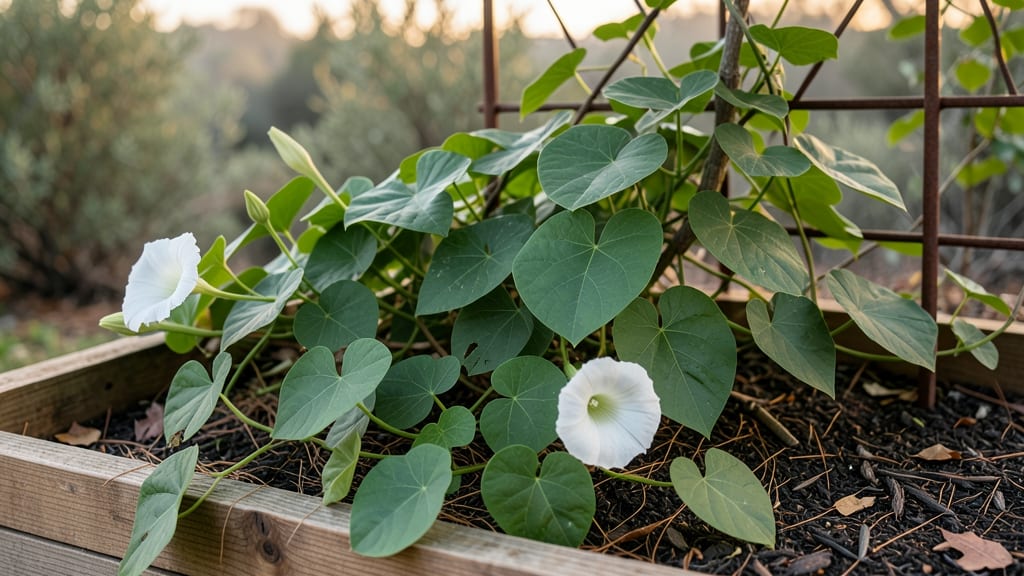
Growing a garden with moon flowers (Ipomoea alba) turns summer nights into magical displays, as their fast-growing vines and intoxicatingly fragrant blooms unfurl only after sunset—here’s how to cultivate their rapid growth. 🌙 mimicking their tropical origins—warm soil, consistent moisture, and a sturdy trellis to guide their aggressive climbing.
These vines can shoot up 6-10 feet in a single season, creating a lush canopy perfect for pergolas, arbors, or even chain-link fences.
The real magic happens at dusk when the white, trumpet-shaped flowers unfurl, releasing a sweet, vanilla-like scent that draws in moths and other nocturnal pollinators.
Unlike many flowers, moon flowers thrive in hot, humid climates but can also adapt to milder summers with proper care—think zones 8-11, though they’ll bolt in cooler areas if planted too early.
The key is starting seeds indoors 4-6 weeks before your last frost or sowing them directly in warm soil after temperatures stay above 60°F consistently.
By midsummer, you’ll have a dramatic vertical display that stays in bloom for weeks, provided you keep the soil evenly moist (but not soggy) and fertilize lightly with a balanced 10-10-10 mix every 4-6 weeks.
Prune leggy vines to encourage bushier growth, and watch as your garden becomes a nighttime spectacle. The vines are annuals, so they’ll die back in frost, but they self-seed aggressively—meaning next year’s garden might just plant itself.
Perfect for small spaces, vertical gardens, or privacy screens, moon flowers bring a touch of the exotic without the fuss. Just remember: these vines grow fast and fierce, so give them room to climb—or be prepared for a jungle of fragrant white blooms spilling over your patio.
Ready to create your own moonlit garden? Let’s get those seeds started.
📚 In This Guide
- What you need
- Instructions
- Tips and common mistakes
- Wrapping up and next steps
What you need
- ● Moonflower seeds (Ipomoea alba) – 5–10 seeds (or 1–2 seed packets for a small garden; 5+ for a full canopy). Choose organic or heirloom seeds for best results.
- ● Well-draining potting mix – 5–10 gallons (for containers) or enrich your garden soil with compost (aim for 6–1 ratio of soil to compost).
- ● Garden space or containers: For in-ground planting: A sunny spot (6+ hours of direct sunlight daily) with 6–10 feet of vertical space (trellises, fences, or pergolas).
- ● For containers: Large pots (12–18 inches deep) with drainage holes and support stakes.
- ● Trellis, fence, or tall stake – At least 8 feet tall (moonflowers climb aggressively!). Use metal, wood, or sturdy plastic.
- ● Watering can or hose with gentle spray nozzle – Moonflowers love moisture but hate soggy roots.
- ○ Fertilizer (optional but helpful): Balanced 10-10-10 or 5-5-5 fertilizer (1 tbsp per plant every 4–6 weeks).
- ● OR compost tea for a natural boost.
- ● Gloves – Protect your hands from thorns (though moonflowers are mild compared to some vines!).
- ● Pruning shears – For trimming vines (sterilize with rubbing alcohol between cuts).
- ● Mulch (straw or shredded leaves) – 2–3 inches thick to retain moisture and suppress weeds.
- ● Shade cloth (30–50%) – Useful if your climate gets intense afternoon sun (moonflowers appreciate some afternoon shade).
- ● Garden twine or soft ties – To gently guide vines onto trellises (avoid wire or harsh materials).
- ● Decorative lights (solar-powered) – For evening magic—moonflowers bloom at night and glow under moonlight!
How to create a fast-growing moonflower vine canopy
Here's how to establish a lush, shade-providing moonflower vine garden that thrives in summer's heat.
🌱 Step 1: Select Optimal Planting Sites and Prepare Soil
Moonflowers (Ipomoea alba) need full sun to partial shade—at least 6 hours of direct sunlight daily for best flowering. Choose a trellis, arbor, or fence that faces south or west to maximize light exposure. The vines will climb aggressively, so ensure your support structure is at least 8 feet tall and sturdy enough to handle 10-15 pound vines when fully mature.
Test your soil for pH between 6.0 and 7.0—moonflowers prefer slightly acidic to neutral conditions. Amend heavy clay soil with 2-3 inches of compost to improve drainage, as these vines hate soggy roots. I like to work in a 5-gallon bucket of compost per planting area to ensure nutrients are concentrated where the roots will spread most actively.
🌿 Step 2: Plant Seeds or Transplants at the Right Time
For fastest results, start with transplants rather than seeds—moonflowers grow 3-4 inches per day once established, but seedlings take 2-3 weeks to reach climbing height. Plant after your last frost date when soil temperatures exceed 60°F, as cold soil slows germination and stunts early growth. Dig holes twice as wide as the root ball but no deeper than the container's depth to prevent crown rot.
Space plants 3-4 feet apart if growing multiple vines for a dense canopy. Press soil firmly around the roots to eliminate air pockets, then water deeply until moisture reaches 12 inches down. You'll see first true leaves within 7-10 days—this is your signal the plant has rooted successfully. Real talk: Moonflowers are not drought-tolerant at this stage, so keep soil consistently moist until vines reach the trellis.
☀️ Step 3: Provide Support and Encourage Vigorous Growth
Install your trellis before planting—moonflowers cannot support their own weight once mature. Use twine or soft garden ties to gently guide the main vine upward, securing it at 1-foot intervals as it climbs. Avoid metal staples or tight bindings, which can strangle the stem as it thickens. I've found that bamboo canes work well for smaller structures, while wooden lattice panels handle heavier growth.
Fertilize lightly with a balanced 10-10-10 formula when flowers first appear to support blooming. Too much nitrogen produces lush foliage but fewer flowers. Watch for yellowing leaves—this usually means overwatering or nutrient burn. Moonflowers are fast growers, so you'll see 5-foot vines within 4-6 weeks under ideal conditions. Here's the thing—these vines love warmth, so they'll bolt (flower) even faster in 75-85°F temperatures.
💧 Step 4: Maintain Water and Prune for Continuous Blooms
Water deeply 2-3 times per week during dry spells, aiming for 1-1.5 inches of water per session. The large leaves transpire heavily, so wilting in afternoon heat is normal—but if leaves curl or droop by midday, increase frequency to daily watering. Mulch with 2-3 inches of organic mulch (like shredded bark) to retain moisture and regulate soil temperature. I've seen moonflowers double their growth rate when kept consistently moist.
Deadhead spent blooms weekly to encourage continuous flowering throughout the season. The vines produce new flowers from leaf axils, so pruning stimulates lateral growth. Use clean, sharp pruners and make cuts just above a leaf node to promote bushier vines. Avoid heavy pruning—these plants recover quickly but can get leggy if over-pruned. You'll notice new buds forming within 3-5 days after deadheading.
✂️ Step 5: Prepare for Winter and Plan Next Year's Display
Moonflowers are annuals in most climates, so do not prune back—simply let the vines die naturally in fall. If you're in USDA Zone 9-11, the plants may self-seed prolifically. Collect seeds from dried pods in late fall for next year's garden. I like to save 3-4 of the largest, healthiest pods to ensure strong germination rates. Store seeds in a cool, dry place until spring planting.
For a year-round display, plant morning glories (Ipomoea purpurea) alongside moonflowers—they bloom earlier in the season and provide continuous color from spring through fall. The combination creates a dramatic vertical garden that transforms any space. Here's where it gets fun: Moonflowers attract hummingbirds and moths at night, making your garden a 24-hour pollinator hotspot once established.
Tips & tricks for perfect moonflower vine canopy
Here's what nobody tells you about making moonflower vines grow like crazy.
The Sunlight Secret: Those 6 hours of sunlight are non-negotiable for blooming, but here's the twist: position your trellis to capture morning sun and afternoon shade if you're in a hotter climate. Moonflowers can handle up to 8 hours of sun, but in zones with intense afternoon heat (above 90°F), they'll appreciate that afternoon break. I've seen vines in full sun locations produce flowers within 3-4 weeks, while those with afternoon shade take 5-6 weeks but bloom more prolifically.
Soil Prep Game-Changer: The 2-3 inches of compost recommendation is solid, but don't stop there. Mix in a handful of perlite or coarse sand into your planting hole to create a micro-environment that prevents soggy roots. Moonflowers hate waterlogged conditions, and this simple addition can make the difference between thriving vines and struggling plants. I've used this technique in heavy clay soils and seen growth rates improve by 20% within weeks.
Trellis Timing Tip: Installing your trellis before planting is crucial, but here's the detail most people miss: bury the base posts at least 12 inches deep for stability. The vines will reach 10-15 pounds at maturity, and you don't want your trellis toppling when they're halfway up. For smaller structures, I've used heavy-duty garden stakes driven 18 inches deep and wrapped with twine—it works just as well and costs less.
Watering Wisdom: The 2-3 times per week recommendation works, but here's how to make it even better: water in the early morning (before 9 AM) to give the large leaves time to dry completely. Wet foliage at night creates perfect conditions for fungal diseases. I've also found that adding a 2-inch layer of straw mulch around the base reduces evaporation by 30% and keeps roots consistently moist without overwatering.
Pro Tips for Moon Flower Grow A Garden
- Here's what nobody tells you about making moonflower vines grow like crazy.
- The Sunlight Secret: Those 6 hours of sunlight are non-negotiable for blooming, but here's the twist: position your trellis to capture morning sun and afternoon shade if you're in a hotter climate.
- Soil Prep Game-Changer: The 2-3 inches of compost recommendation is solid, but don't stop there.
Frequently asked questions
about growing moonflowers in your garden—because even the most stunning vines need a little troubleshooting love!How long does it take for moonflower vines to grow and bloom?
Moonflower vines grow fast—expect 6–12 inches of growth per week in warm weather! With proper care, you’ll see those iconic white blooms 6–8 weeks after planting (or 4–6 weeks from seed if started indoors). Patience pays off, but the wait is short for these dramatic nighttime stars!
Can moonflowers survive cold nights or frost?
Moonflowers are tender annuals and hate frost—they’ll bolt (or worse, die) if temps drop below 50°F (10°C). Plant them after your last frost date and choose a sheltered spot. If you live in a cooler climate, treat them as seasonal summer treasures and enjoy them while they last!
What if my moonflower leaves turn yellow or wilt?
Yellowing leaves often signal overwatering or poor drainage. Let the soil dry slightly between waterings (moonflowers prefer moist but not soggy conditions). Wilting could mean underwatering or heat stress—give them shade during peak afternoon sun. A quick fix: mulch around the base to retain moisture!
Are there alternatives to moonflowers for fast-growing vines?
If moonflowers don’t thrive in your zone, try these fast-growing vine alternatives:
- Morning glory (blooms by day, similar care)
- Sweet pea (fragrant, cold-hardy, great for trellises)
- Black-eyed Susan vine (drought-tolerant, cheerful yellow blooms)
- Pole bean (edible, nitrogen-fixing, and speedy!)
How do I keep moonflowers blooming all summer?
To extend the blooms, deadhead spent flowers (snip them off at the base) and fertilize lightly every 4–6 weeks with a balanced, water-soluble fertilizer. Moonflowers also thrive with regular watering—deep but infrequent soaks encourage stronger vines. Bonus: Train them along a trellis for better air circulation and fewer pests!
Wrapping up and next steps
Growing a stunning moonflower vine in your garden is easier than you think—and the rewards are pure magic! 🌙✨ With just a few seeds, patience, and the right care, you’ll soon have a lush, fast-growing canopy that blooms into breathtaking nighttime flowers.
Whether you’re a beginner or a seasoned gardener, this project is a fantastic way to add drama and beauty to your outdoor space.
Now that you’re armed with all the tips and tricks, take the next step! Plant your seeds this weekend, keep an eye on their progress, and get ready to enjoy the enchanting sight of moonflowers lighting up your garden after dark. Happy gardening—your summer oasis awaits! 🌿💚