
Flowers
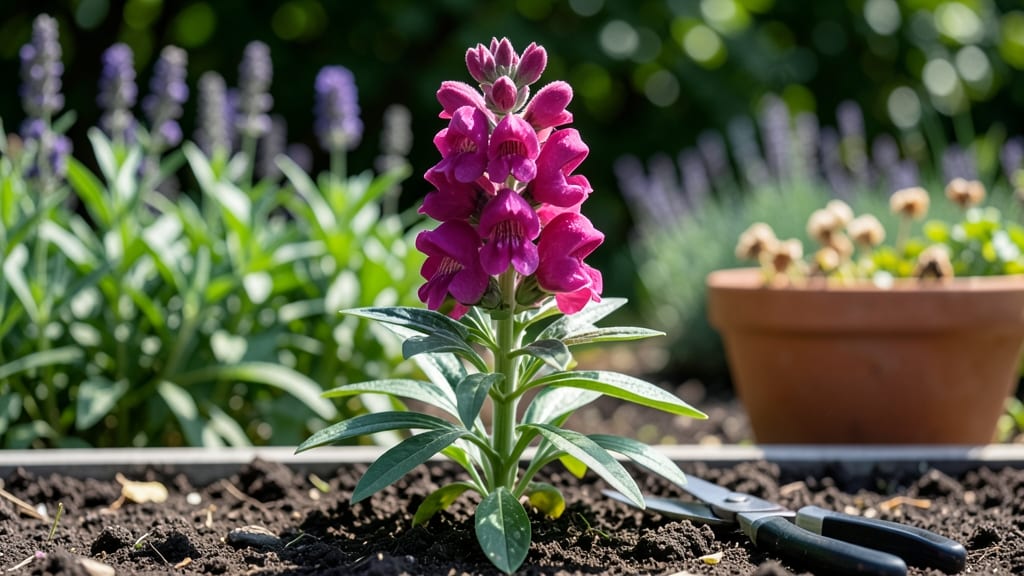
Your garden just got its first pop star flower—a fragrant, show-stopping plant that turns containers into centerpieces. 🌸 These bold blooms bring the drama of a concert stage to your patio, with colors that pop like neon lights against any backdrop.
The key? Choosing varieties that thrive in pots while demanding minimal effort, so you get maximum impact with minimum fuss.
Think cleome, celosia, or penta—flowers that pack punch in both color and fragrance. They handle heat, bounce back from rain, and keep blooming all season, making them perfect for balconies, fire escapes, or even windowsills.
Pair them with trailing foliage like sweet potato vine for a layered, rockstar-worthy display that turns heads without turning into a high-maintenance diva.
By summer’s end, you’ll have a fragrant canopy that smells as good as it looks, with blooms so vibrant they’ll make your neighbors green with envy. The best part?
These plants play well with others—mix in herbs like mint or lavender for a sensory overload that’s equal parts pretty and practical. Let’s design your container stage!
Whether you’re going for a bold monochrome look or a rainbow explosion, these flowers adapt to any theme. Start small with a single container, then expand to create a full "garden tour" of eye-catching displays. The only rule? Have fun with it—because your garden deserves a little star power.
📚 In This Guide
- What you need
- Instructions
- Tips and common mistakes
- Wrapping up and next steps
What you need
- ● Pop Star Flower seeds or young plants: Choose Dianthus barbatus (commonly called "Sweet William" or "Pop Star Flower")—available at nurseries or online. Quantity: 3-5 plants (for a full, fragrant display).
- ● Containers: Well-draining pots (6-8 inches deep) with drainage holes. Materials: Terracotta, ceramic, or fabric grow bags. Quantity: 1 per plant (or 1 large container for multiple plants).
- ● High-quality potting mix: A blend of 60% peat or coconut coir, 30% perlite or vermiculite, and 10% compost for drainage and nutrients.
- ● Slow-release fertilizer: Balanced (10-10-10) or organic options like fish emulsion. Quantity: 1 tbsp per plant.
- ● Watering can or spray bottle: With a gentle rose nozzle to avoid disturbing soil.
- ● Epsom salt: 1 tsp dissolved in water monthly for extra pink blooms and magnesium boost.
- ● Mulch (gravel or bark): To retain moisture and keep roots cool.
- ● Decorative stones or pebbles: For a pop-star-worthy container aesthetic!
- ● Support stakes or cages: If your variety grows tall (e.g., 'Hot Papaya' or 'Blackout').
Step-by-step guide to growing pop star flower in containers
Here's how to create a fragrant, show-stopping display with this easy-care beauty.
🪴 Step 1: Choose the Right Container and Soil Mix
Pop star flowers (likely referring to Clarkia amoena) thrive in well-draining containers with at least 6 inches of depth. I recommend terra cotta pots—they breathe better than plastic and help prevent root rot. Use a lightweight potting mix (not garden soil) blended with 20% perlite or coarse sand to improve drainage. This prevents soggy roots, which pop star flowers despise.
Fill your container to 1 inch below the rim, leaving room for watering. Tap the pot gently on the table to settle the soil without compacting it. The mix should feel like a damp sponge—not sticky or dry. If your fingers come away clean when you squeeze a handful, you're good to go.
🌱 Step 2: Plant Seeds at the Correct Depth and Spacing
Pop star flowers are delicate, so handle seeds carefully. Scatter them ¼ inch deep—any deeper and they’ll struggle to break through the soil. Space seeds 6 inches apart in the container to allow room for their airy, branching stems. I tap the seed packet gently to release one seed at a time, avoiding clumps that lead to weak, crowded plants.
Lightly cover the seeds with a thin layer of soil, then mist the surface with water until evenly damp. Avoid soaking the mix—pop star flowers need consistent moisture but hate waterlogged conditions. Place a small label near the pot to track planting dates, especially if you’re growing multiple varieties.
☀️ Step 3: Position for Bright, Indirect Light
Pop star flowers adore full sun to partial shade—think 6+ hours of bright, indirect light daily. A south- or west-facing windowsill works perfectly, but avoid harsh midday sun, which can scorch tender new growth. If your space is dim, supplement with a grow light kept 12 inches above the plants for 12 hours daily. You’ll know the light is right when leaves stay vibrant green, not pale or stretched.
Rotate the container a quarter turn weekly so stems grow straight instead of leaning toward the light. Watch for leggy growth (thin, stretched stems)—this means the plants are reaching for more light. Adjust positioning immediately to prevent weak stems that can’t support heavy blooms.
💧 Step 4: Water and Fertilize for Continuous Blooms
Water when the top inch of soil feels dry to the touch, typically every 2-3 days in warm weather. Pop star flowers wilt dramatically when thirsty, but they bounce back quickly if you catch it early. Water at the base to avoid wetting leaves, which can invite fungal diseases. Let excess water drain completely—no soggy saucers allowed.
Feed with a balanced, water-soluble fertilizer (10-10-10) every 4-6 weeks during the growing season. Dilute to half-strength to avoid burning delicate roots. You’ll see the difference in vibrant blooms and lush foliage within weeks. Stop fertilizing in late summer to encourage blooming rather than leafy growth.
✂️ Step 5: Deadhead and Prune for Long-Lasting Flowers
Deadheading spent blooms weekly keeps pop star flowers producing new flowers all season. Snip off faded blossoms just above a set of leaves using clean, sharp scissors. This redirects the plant’s energy into fresh blooms instead of seed production. I do this first thing in the morning—freshly cut stems heal faster in cool conditions.
If stems grow too leggy, pinch back the tips to encourage bushier growth. Never cut more than ⅓ of the plant at once, or you’ll shock it. Prune in the early morning on a dry day to let wounds dry out and prevent disease. With consistent care, your pop star flowers will bloom nonstop from spring until frost.
Tips & tricks for perfect pop star flower containers
These simple tricks will help you create a thriving, fragrant display that keeps blooming all season long.
Container Selection: Terra cotta pots aren't just my recommendation—they're essential for pop star flowers. The porous material helps wick away excess moisture, preventing the root rot that can quickly kill these delicate plants. If you must use plastic, choose containers with drainage holes and elevate them on pot feet to improve airflow. For larger displays, consider window boxes with at least 6 inches of depth and side drainage.
Light Positioning: The 6+ hours of bright, indirect light is non-negotiable, but here's the secret: morning sun is your friend while afternoon sun can be harsh. Place your containers near an east-facing window for gentle morning light, then move them to a shaded spot during peak afternoon hours. If using artificial light, LED grow lights work best—they produce less heat that could scorch tender leaves. Position the light 12 inches above the plants and keep it on for 12 hours daily to maintain consistent growth.
Watering Wisdom: That top inch dry test is crucial, but timing matters too. Water in the morning so excess moisture evaporates during the day, preventing fungal issues. I've learned the hard way that soggy saucers are deadly—always empty drainage trays within 30 minutes of watering. For containers without drainage, water thoroughly only when the top 2 inches feel dry, then let the plant tell you when it needs more by wilting slightly. Pop star flowers are surprisingly resilient once you get their water needs right.
Fertilizing Strategy: The 4-6 week feeding schedule works, but here's what nobody tells you: pop star flowers respond best to "weak but frequent" feeding. Instead of waiting 6 weeks, try feeding every 3 weeks with half-strength fertilizer. This mimics natural nutrient cycles and prevents salt buildup in the soil. Stop fertilizing completely in late summer to encourage blooming rather than leafy growth—this is when you'll see the most vibrant flowers.
Pro Tips for Pop Star Flower
- These simple tricks will help you create a thriving, fragrant display that keeps blooming all season long.
- Container Selection: Terra cotta pots aren't just my recommendation—they're essential for pop star flowers.
- Light Positioning: The 6+ hours of bright, indirect light is non-negotiable, but here's the secret: morning sun is your friend while afternoon sun can be harsh.
Frequently asked questions
How often should I water my Pop Star Flower in a container?
The Pop Star Flower (also known as Clarkia amoena) prefers moderate moisture but hates soggy roots. Water when the top 1–2 inches of soil feel dry—usually every 2–3 days in hot weather and every 4–5 days in cooler conditions. Containers dry out faster, so check soil moisture daily in summer. Pro tip: Use a self-watering pot or mulch with pebbles to retain moisture!
When is the best time to plant Pop Star Flowers for full blooms?
For maximum fragrance and vibrant blooms, plant seeds 6–8 weeks before your last frost date (early spring) or directly sow in late summer for fall color. If starting indoors, use seed trays under grow lights 4–6 weeks before transplanting. Pop Star Flowers thrive in cool weather (60–75°F) and may bolt in extreme heat—so avoid planting in mid-summer unless you’re in a high-altitude or coastal area.
Can I grow Pop Star Flowers in small pots, or do they need a large container?
Pop Star Flowers are compact and perfect for containers, but size matters! Use pots at least 6–8 inches deep and wide for single plants or 10+ inches for clusters. Drainage holes are a must—these flowers rot easily in waterlogged soil. For extra fragrance, pair them with lobelia or snapdragons in a shared pot. Pro tip: Rotate pots weekly for even sunlight exposure!
Why aren’t my Pop Star Flowers blooming? Troubleshooting tips!
No blooms? Don’t worry—it’s often fixable! Common culprits:
- Too much nitrogen: Use a balanced fertilizer (10-10-10) and avoid heavy compost.
- Overcrowding: Thin seedlings to 6–12 inches apart for better airflow.
- Not enough sunlight: These flowers need 6+ hours of direct sun daily.
- Heat stress: If temps exceed 85°F, provide afternoon shade.
Are Pop Star Flowers toxic to pets or kids?
Great news! Pop Star Flowers are non-toxic to cats, dogs, and humans, making them a pet-friendly choice for containers. However, always monitor curious pets—ingesting large amounts of any plant can cause mild stomach upset. If you’re growing them indoors, ensure they’re out of reach of chewing toddlers (though they’re safe if nibbled!).
Wrapping up and next steps
The pop star flower is more than just a fragrant beauty—it’s a resilient, low-maintenance star that brings vibrant color and joy to any space, even in containers!
Whether you’re a seasoned gardener or a beginner, its easy care and stunning blooms make it a must-have for your home or patio. 🌸
Ready to transform your balcony or windowsill? Grab your supplies, pick a sunny spot, and plant your pop star flower today! Watch it thrive and spread its cheerful charm—you’ll be amazed at the difference it makes in no time.