
Blooming
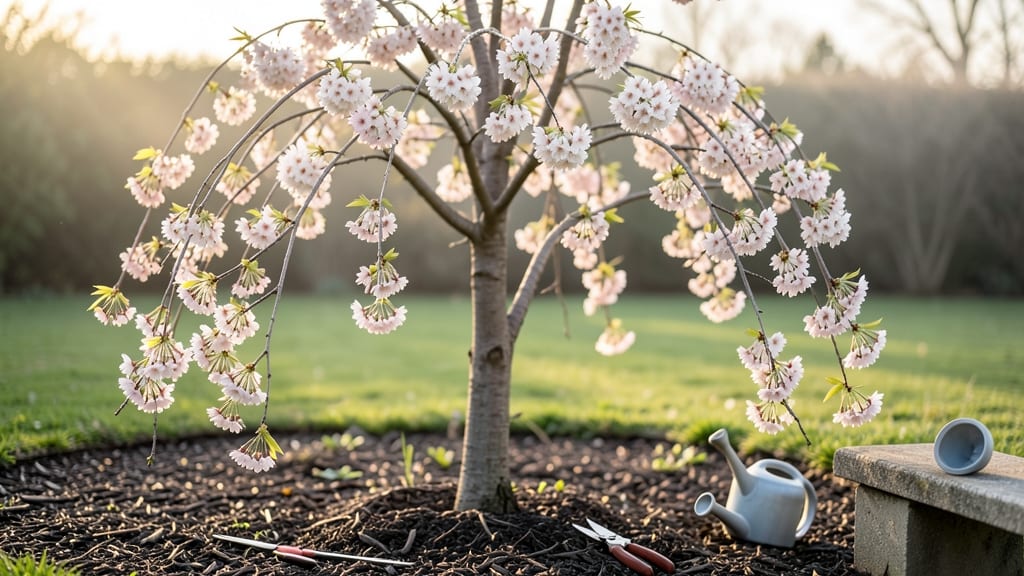
White cherry blossom flowers transform any spring garden into a dreamy, fragrant escape—like stepping into a Japanese temple courtyard every morning. 🌸 Their delicate petals catch the light just right, creating a soft glow that lasts for weeks, and the scent?
Pure, intoxicating happiness. I planted mine along a shady border last year, and neighbors now stop to ask which variety it is.
The secret to their show-stopping display lies in placement: underplanted with hostas or ferns for contrast, or paired with bleeding hearts for a romantic cottage feel. They thrive in well-drained soil and partial shade, making them perfect for under trees or along north-facing walls.
Even in containers, they bring that signature elegance to patios and doorways.
Imagine your garden in late April when the blossoms peak—pale pink buds unfurling into pure white, each branch heavy with fragrance. The effect is magical, especially when combined with purple clematis or silver birch for height.
They’re not just pretty; they’re the star of spring, turning ordinary spaces into living art.
Whether you’re lining a walkway or creating a container centerpiece, these blossoms deliver timeless beauty with minimal fuss. Their cultural significance as symbols of renewal makes them a meaningful addition to any landscape. Ready to bring that springtime magic to your garden?
📚 In This Guide
- What you need
- Instructions
- Tips and common mistakes
- Wrapping up and next steps
What you need
- ● White cherry blossom seeds or saplings: Choose from Prunus serrulata (autumn-blooming) or Prunus avium (spring-blooming). 1-3 plants for small gardens, 5+ for larger spaces.
- ● Well-draining soil: Mix 2 parts garden soil + 1 part perlite or sand (pH 6.0–7.0).
- ● Organic compost: 1 cup per planting hole to enrich nutrients.
- ○ Mulch (optional but recommended): 2–3 inches of shredded bark or straw to retain moisture.
- ● Garden trowel or shovel (for digging).
- ● Pruning shears (to trim dead branches or shape plants).
- ● Watering can or hose with a gentle spray nozzle.
- ● Gloves (to protect hands from thorns).
- ○ Stakes & twine (optional): For young saplings needing support (2–4 stakes per plant).
- ● Sunlight: Full sun (6+ hours daily) for optimal blooms. Partial shade tolerates 4–6 hours.
- ● Climate: Hardy in USDA Zones 5–8. Protect from late frosts if planting early spring.
- ● Watering schedule: Deep water 2–3 times weekly (more in drought). Avoid soggy soil!
- ● Patience: Saplings take 3–5 years to bloom fully. Seeds may take 1–2 years.
Step-by-step guide to planting and caring for white cherry blossom trees
Here's how to cultivate a stunning, fragrant white cherry blossom canopy that transforms your landscape into a springtime masterpiece.
🌱 Step 1: Choose the Right Location and Prepare the Soil
White cherry blossom trees (Prunus serrulata) thrive in full sun, so select a spot that receives at least 6-8 hours of direct sunlight daily. Avoid low-lying areas where cold air settles, as these trees are sensitive to frost damage. The ideal location offers both sun exposure and protection from strong winds, which can stress young trees.
Test your soil’s drainage—cherry blossoms despise soggy roots. Amend heavy clay soil with 2-3 inches of compost or organic matter to improve aeration. The soil pH should be slightly acidic to neutral (6.0-7.0). If your soil is alkaline, mix in peat moss to lower the pH before planting. I always dig a hole twice as wide as the root ball to encourage root expansion.
🪴 Step 2: Plant at the Correct Depth and Water Thoroughly
Plant your white cherry blossom tree in early spring, after the last frost but before new growth begins. The top of the root ball should sit 1-2 inches above ground level—this prevents soil from settling and smothering the trunk. Backfill the hole with native soil, tamping gently to remove air pockets without compacting the roots.
Water immediately after planting to settle the soil and eliminate air gaps. Use 10-15 gallons of water to thoroughly soak the root zone. Mulch the base with 2-3 inches of organic mulch (like wood chips) to retain moisture and regulate soil temperature. Keep the mulch 6 inches away from the trunk to prevent rot. Water deeply twice weekly for the first month, then taper to once weekly once established.
☀️ Step 3: Prune for Structure and Bloom Health
Prune your cherry blossom tree in late winter or early spring, just before buds swell. Remove dead, diseased, or crossing branches first to improve airflow and light penetration. Thin out overcrowded branches to create an open canopy—this encourages stronger blooms and reduces the risk of fungal diseases. I always aim for a balanced, vase-like shape, cutting just outside the branch collar to promote healing.
Never prune in fall or summer, as this stimulates late-season growth that’s vulnerable to frost damage. After pruning, apply a balanced fertilizer (10-10-10) to support new growth. Monitor for aphids or scale insects, which love tender new shoots. A strong blast of water from the hose often dislodges them before they become a problem.
🌿 Step 4: Maintain Year-Round for Long-Term Beauty
Cherry blossoms are deciduous, so their leaves will turn yellow and drop in fall. Rake up fallen leaves to prevent fungal diseases from overwintering in the debris. In late winter, apply a 2-inch layer of mulch to insulate roots from temperature fluctuations. Avoid heavy pruning in winter—light shaping is fine, but major cuts should wait until spring.
Watch for signs of stress: yellowing leaves often indicate overwatering or poor drainage, while dropping buds before bloom usually means late frost damage. If your tree isn’t flowering as expected, it may need more sunlight or a balanced fertilizer in early spring. I’ve found that mature trees (5+ years) produce the most spectacular blooms—patience is key!
Tips & tricks for perfect white cherry blossom canopy
Transforming your yard into a fragrant springtime paradise starts with these expert insights that go beyond the basics.
Sunlight Strategy: While the instructions specify 6-8 hours of direct sunlight daily, I've found that positioning your tree slightly west of true south can extend that sunlight exposure by up to 30 minutes in your region. This western light is particularly beneficial in late afternoon when temperatures are cooler, reducing stress on the tree. For urban gardens with limited sun, consider a reflective surface like a light-colored wall or water feature nearby to bounce additional light onto the tree.
Soil Preparation Secret: The 2-3 inches of compost recommendation is a must, but don't stop there. I always mix in 1 cup of bone meal (optional) at planting time to provide phosphorus for strong root development and future blooms. For alkaline soils, test your peat moss effectiveness by mixing it with a bit of sulfur—this creates an acidic environment that cherry blossoms thrive in. The goal is to create a soil environment where roots can spread freely without competition.
Watering Wisdom: Those 10-15 gallons of water after planting might seem like a lot, but here's the thing: cherry blossom roots need to establish quickly in their first month. I've seen trees struggle when homeowners cut watering short. Use a moisture meter to verify the soil is damp 6 inches deep after watering—this ensures proper hydration without waterlogging. For established trees, deep watering once weekly is better than frequent shallow watering, which encourages shallow root growth.
Pruning Precision: When thinning branches for that open canopy in Step 3, aim to remove no more than 25% of the foliage in any single pruning session. I use a 3:1 ratio rule—for every branch I remove, keep three healthy ones to maintain the tree's natural shape. Always make cuts just outside the branch collar where the branch meets the trunk, and sterilize your pruners with rubbing alcohol between cuts to prevent disease spread. This careful approach preserves the tree's ability to produce those spectacular blooms year after year.
Pro Tips for White Cherry Blossom Flower
- Transforming your yard into a fragrant springtime paradise starts with these expert insights that go beyond the basics.
- This western light is particularly beneficial in late afternoon when temperatures are cooler, reducing stress on the tree.
- Soil Preparation Secret: The 2-3 inches of compost recommendation is a must, but don't stop there.
Frequently asked questions
Got questions about cultivating or enjoying white cherry blossom flowers? You’re in the right place! Here are some of the most common inquiries—plus quick, practical answers to help you make the most of these stunning blooms.
How long do white cherry blossoms typically bloom?
White cherry blossoms usually bloom for 1–2 weeks, depending on weather and variety. Early spring bloomers (like Prunus serrulata) often appear in late March to early April, while later varieties may extend into May. For the best display, plant multiple trees with staggered bloom times!
Do white cherry blossoms need full sun?
Yes! These flowers thrive in full sun (6+ hours daily), but they can tolerate partial shade (4–6 hours), especially in hot climates. If planted in shade, expect fewer blooms and slower growth. A sunny spot ensures vibrant petals and that signature fragrant canopy you love!
Can I grow white cherry blossoms in containers?
While possible, it’s challenging—cherry blossom trees grow large (20–30 ft tall) and need deep roots. Dwarf varieties (like Prunus ‘Kanzan’) are better suited for containers (15+ gallon pots). Ensure well-draining soil and prune regularly to manage size. For full impact, plant in the ground!
Why aren’t my white cherry blossoms flowering?
Common culprits include:
- Age: Young trees (under 3–5 years) may not bloom yet.
- Pruning mistakes: Over-pruning in late winter/early spring removes flower buds.
- Poor nutrition: Lack of phosphorus (use a bloom-boosting fertilizer in early spring).
- Stress: Drought, pests, or extreme weather can delay blooms.
If established trees skip blooming, check for disease (like bacterial canker) and adjust care accordingly.
What’s a good alternative if I can’t grow cherry blossoms?
If space or climate limits cherry blossoms, try these fragrant, white-blooming alternatives:
- Magnolia stellata (star magnolia) – Early spring blooms, disease-resistant.
- Crabapple trees (e.g., ‘Royalty’) – White flowers + edible fruit.
- Japanese snowbell (Styrax japonicus) – Delicate white bells, shade-tolerant.
- Forsythia – Bright yellow blooms (great for contrast!).
All offer springtime elegance with less fuss!
Wrapping up and next steps
The white cherry blossom flower isn’t just a fleeting symbol of spring—it’s a timeless celebration of grace, renewal, and natural beauty.
Whether you’re cultivating them in your garden, savoring their delicate scent, or simply admiring their ethereal presence, these blossoms remind us to pause and appreciate life’s simpler, softer moments. 🌸
Ready to bring a touch of this elegance into your world? Start small—plant a single tree, sketch their delicate petals, or even gift a bouquet to someone special. Every step is a chance to embrace the magic of spring, one blossom at a time.