
Flowers
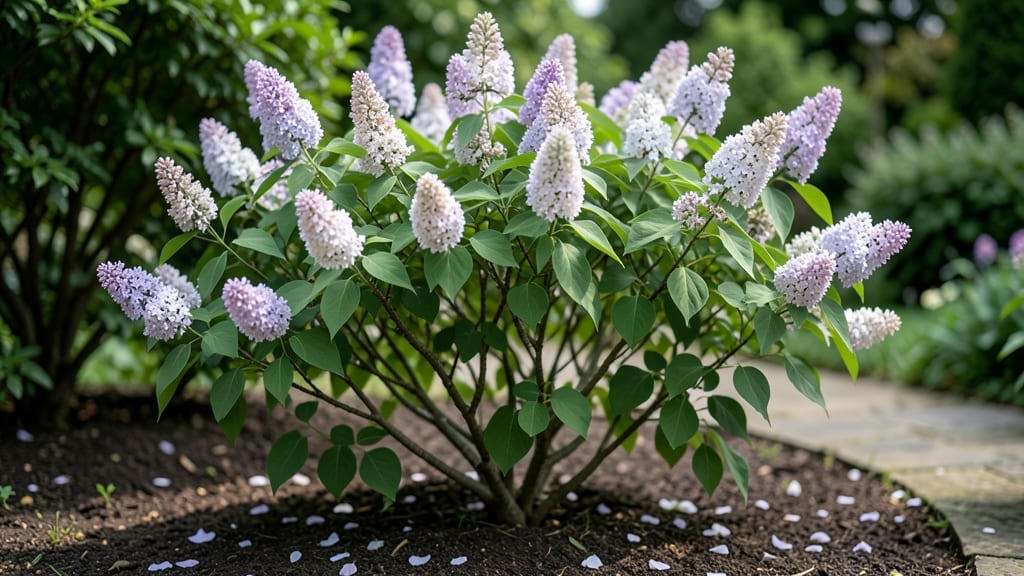
Spring flowering shrubs with white flowers transform your garden into a luminous dream—imagine fragrant clouds of blooms that last from early April through May. 🌸 I’ve learned that the secret isn’t just picking the right varieties, but timing everything perfectly: when to prune, how to fertilize, and which companions will make them shine even brighter.
The best performers—like lilacs, mock orange, and viburnums—thrive when planted in late fall or early spring, giving roots time to establish before summer heat. A light spring pruning right after blooming encourages next year’s flowers, while a layer of compost in early spring feeds roots without overwhelming new growth.
These shrubs pair beautifully with purple-blue perennials, which make their white blooms pop like snow against twilight.
By mid-summer, your shrubs will reward you with lush foliage and maybe even a second flush of blooms if you deadhead spent flowers. The key is pruning science: cut at the right time, and you’ll get bigger, fuller blooms for years.
Even in small gardens, these shrubs create drama—just one mock orange can fill a yard with its intoxicating fragrance.
Works in zones 3-8, though southern gardeners should plant in partial shade to protect blooms from scorching. Next, let’s pick your perfect shrub and map out your spring to-do list—because timing is everything when you want that showstopping spring display.
📚 In This Guide
- What you need
- Instructions
- Tips and common mistakes
- Wrapping up and next steps
What you need
- ● Spring flowering shrubs: Choose 3–5 mature shrubs (e.g., Deutzia, Spiraea, Weigela, or Pieris) with white blooms. Buy 1–2 gallon containers per shrub for established plants or 10–20 bare-root seedlings for new growth.
- ● Well-draining soil: 2–3 cubic yards of garden loam mixed with compost (1 part compost to 3 parts soil) for optimal aeration.
- ● Organic mulch: 2–3 bags of wood chips or pine straw (3–4 inches deep) to retain moisture and suppress weeds.
- ● Slow-release fertilizer: 10–20 lbs of 10-10-10 NPK or balanced organic fertilizer (e.g., fish emulsion) for nutrient boost.
- ● Pruning tools: 1 pair of bypass pruners (for clean cuts on stems <¼ inch thick).
- ● 1 pair of loppers (for branches ½–1½ inches thick).
- ● 1 pruning saw (for thick, woody stems >1½ inches).
- ● Garden gloves: 1 pair of cut-resistant gloves (e.g., leather or synthetic blend) to protect hands.
- ● Measuring tape: 1 tape (16 feet) for spacing plants 3–6 feet apart.
- ● Watering can or hose: With a gentle spray nozzle for post-planting hydration.
- ● Plant supports: 3–5 stakes or cages (if shrubs are tall or leggy).
- ● Soil tester kit: To check pH (ideal range: 5.5–6.5 for most white-flowering shrubs).
- ● Plant food spikes: 5–10 slow-release spikes for extra nutrients during blooming season.
- ○ Pruning sealant: 1 small bottle (e.g., Tanglefoot Tree Wound Pruning Seal) to protect large cuts (optional for small shrubs).
Step-by-step guide to pruning spring-blooming white flowering shrubs
Pruning these beauties isn't just about shaping—it's about unlocking next season's blooms.
✂️ Step 1: Time Your Pruning Precisely
Wait until right after flowering finishes—never cut back blooming stems. For spring bloomers like hydrangea, abelia, or lilac, this means pruning in late spring to early summer (June-July). Early pruning removes next year's flower buds.
Look for spent blooms—when 80% of flowers have faded and seed heads form, that's your cue. I mark my calendar for 2-3 weeks post-bloom to ensure I don't miss the window. Room temperature affects blooming cycles, so adjust timing if your spring was unusually cold or warm.
🌿 Step 2: Identify and Remove Old Wood
Spring-blooming shrubs flower on old wood (last year's growth). Cut back 30% of the oldest stems to the base—these are the thickest, woody branches with no new growth at the base. I like to remove every third stem to maintain structure while encouraging new shoots.
Use clean, sharp pruners to make 45-degree cuts just above a bud or lateral branch. Avoid leaving stubs—this invites disease. If a stem is completely dead (no green bark or buds), remove it entirely. You'll know it's dead when it snaps like a dry twig rather than bending.
✂️ Step 3: Thin and Shape for Airflow
Focus on selective thinning—remove branches that cross or rub, as well as those growing inward. Aim for an open center to improve airflow and reduce pests. I target 20-30% of the shrub's canopy for removal, focusing on the oldest growth first.
Shape gently—avoid shearing. Instead, prune individual stems to create natural layers. Step back frequently to check balance. For multi-stemmed shrubs, maintain 3-5 main branches as your framework. The goal is to encourage new growth from the base, not just the tips.
💧 Step 4: Post-Pruning Care for Recovery
Water deeply right after pruning to help the plant recover. Apply 1 inch of water at the base—this encourages root growth and compensates for the stress of cutting. I mulch with 2-3 inches of organic mulch (like shredded bark) to retain moisture and protect roots from temperature swings.
Fertilize lightly with a balanced, slow-release fertilizer (10-10-10) 4-6 weeks after pruning. Avoid high-nitrogen fertilizers—they promote leafy growth at the expense of flowers. Watch for new shoots emerging from the base within 4-6 weeks—this confirms successful pruning.
⏰ Step 5: Monitor for Next Year's Blooms
In late summer, look for flower buds forming at the tips of new growth. These are your next year's blooms—handle them gently. Prune lightly in early fall only to shape, avoiding any cuts that remove potential buds. I avoid heavy pruning after August, as it risks removing flower buds.
By winter, your shrub should show strong, layered branches with no dead wood. If you see bare spots, plan to add new plants or prune more aggressively next spring. The key is patience—spring bloomers reward careful, timed pruning with years of abundant white flowers.
Tips & tricks for pruning spring-blooming white flowering shrubs
Timing and technique make all the difference when pruning these delicate beauties—here's how to perfect your approach.
Timing Secret: The 2-3 weeks post-bloom window is non-negotiable for spring bloomers. I've learned this the hard way after accidentally pruning lilacs in May and losing next year's flowers entirely. Mark your calendar based on your specific climate—cooler springs may delay blooming by 1-2 weeks. Watch for those seed heads forming on 80% of flowers as your definitive cue.
Cutting Technique: Those 45-degree cuts just above a bud aren't just aesthetic—they're essential for directing new growth. I use a sharp pair of pruners and make the cut at the node where leaves or buds emerge. This creates a natural growth pattern while preventing disease entry points. For dead wood, cut all the way back to the base to encourage fresh shoots from the root collar.
Recovery Strategy: The 1 inch of water immediately after pruning is crucial for shock recovery. I've seen shrubs wilt dramatically after heavy pruning when this step was skipped. Pair that with your 2-3 inches of organic mulch to create a moisture-retaining barrier. The mulch also protects roots from temperature extremes while the plant recovers—something I wish I'd known when my hydrangeas struggled after a late spring frost.
Seasonal Monitoring: Those flower buds forming in late summer are your future blooms—handle them with care. I avoid any heavy pruning after August to protect these delicate formations. Instead, focus on light shaping cuts to maintain your desired form while preserving next year's potential. Look for buds forming at the tips of new growth as your confirmation that the pruning worked.
Pro Tips for Spring Flowering Shrubs White Flowers
- Timing and technique make all the difference when pruning these delicate beauties—here's how to perfect your approach.
- Timing Secret: The 2-3 weeks post-bloom window is non-negotiable for spring bloomers.
- Cutting Technique: Those 45-degree cuts just above a bud aren't just aesthetic—they're essential for directing new growth.
Frequently asked questions
Got questions about adding spring flowering shrubs with white blooms to your garden? You’re not alone! Here are some of the most common concerns—and their solutions—to help you grow confidently.
What’s the best time to plant white-flowering shrubs for spring blooms?
Plant in early spring or fall (4–6 weeks before your first frost) for the best root establishment. Spring planting gives shrubs time to settle before summer heat, while fall planting lets them grow roots before winter dormancy. Avoid planting in extreme heat or cold—think "cool shoulders" of the season!
Do these shrubs need full sun, or can they thrive in partial shade?
Most white-flowering spring shrubs (like deutzia, viburnum, or weigela) prefer full sun to partial shade (6+ hours of sunlight daily). However, varieties like hydrangea or pieris tolerate partial shade better. Check the specific plant’s tag—more shade often means fewer blooms but lusher foliage.
How do I prune white-flowering shrubs to encourage more blooms next spring?
Timing and technique matter! For spring bloomers (like deutzia or forsythia), prune right after flowering to avoid cutting off next year’s buds. Use clean, sharp shears to shape lightly—never remove more than 1/3 of the shrub. Deadheading spent blooms can also prompt reblooming in some varieties.
What pests or diseases should I watch for in white-flowering shrubs?
Common issues include:
- Aphids or spider mites: Spray with water or use neem oil if you spot sticky residue or tiny webs.
- Powdery mildew: Improve airflow (prune dense growth) and avoid overhead watering.
- Borers or scale: Inspect bark for holes or bumps; treat with horticultural oil if needed.
Most shrubs are low-maintenance—prevention is key!
Are there low-maintenance white-flowering shrubs for beginners?
Try these easy-care picks:
- Dwarf lilac (Syringa meyeri): Fragrant, compact, and drought-tolerant.
- Abelia (Abelia x grandiflora): Blooms spring to fall with minimal fuss.
- Spirea (Spiraea japonica): Thrives in tough conditions and reblooms.
All three handle pruning well and attract pollinators—win-win for busy gardeners!
Wrapping up and next steps
Transforming your garden into a year-round sanctuary of white blooms is simpler than you think! With the right spring-flowering shrubs and a little pruning know-how, you can enjoy elegance and low-maintenance beauty that lasts beyond the season.
Start by selecting the perfect shrubs for your climate, then master the art of strategic pruning to keep them thriving.
Ready to elevate your outdoor space? Pick one shrub from this list and begin your pruning journey today—your garden will thank you! 🌸✨