
Planting
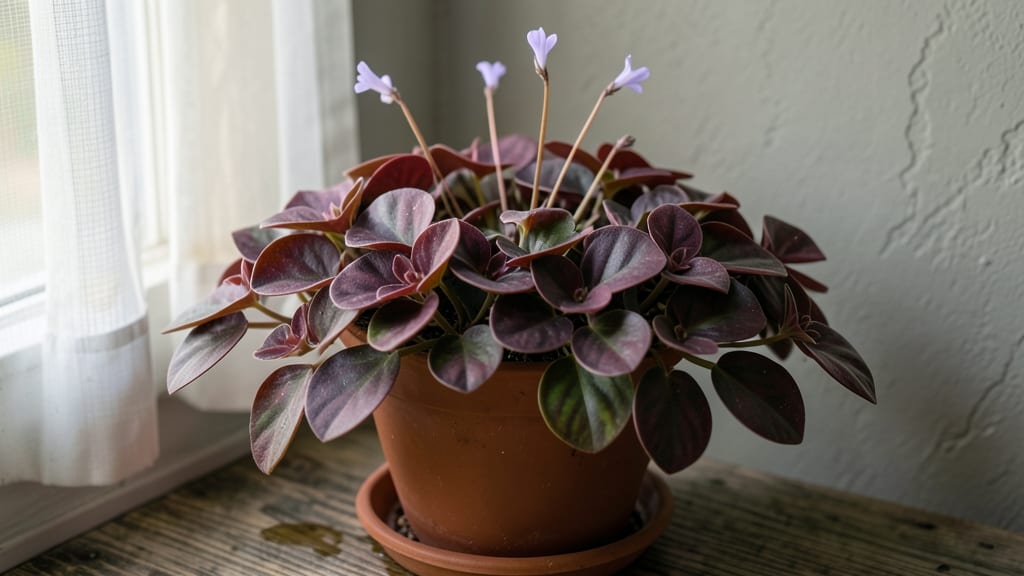
The purple heart flower plant (Setcreasea purpurea) brings bold crimson color to gardens with almost no effort—once you know the secrets. I’ve grown it for years, and it thrives where other plants struggle, especially in hot, dry climates.
The trailing stems and vibrant foliage make it a standout in hanging baskets or as a ground cover, yet it stays drought-resistant and low-maintenance.
This plant loves bright, indirect light but handles some shade, and it’s happy in well-draining soil—even sandy or rocky mixes. Watering is simple: let the top inch dry out between drinks, and you’ll avoid the most common pitfall of overwatering.
Propagation is equally easy—just snip a stem and root it in water or soil, and you’ll have new plants in weeks.
By summer, you’ll have lush, trailing cascades of deep purple foliage that brighten patios, window boxes, or garden edges. The best part? It keeps its color year-round in mild climates, making it a foolproof choice for busy gardeners or those new to plants. Let’s get yours growing strong.
Whether you’re using it as a drought-tolerant ground cover or a striking container plant, the purple heart delivers drama with minimal fuss. I’ll walk you through everything—from picking the perfect spot to troubleshooting common issues—so you can enjoy its bold beauty without the guesswork.
📚 In This Guide
- What you need
- Instructions
- Tips and common mistakes
- Wrapping up and next steps
What you need
- ● Purple Heart Plant: 1-3 starter plants (check for healthy, vibrant leaves and no signs of pests).
- ● Well-draining potting mix: 2-3 gallons (look for a blend labeled for succulents or cacti, or mix regular soil with perlite/coarse sand in a 2:1 ratio).
- ● Containers: 1-2 hanging baskets (6-12 inches wide) or
- ● 1-2 pots (4-6 inches deep) with drainage holes.
- ○ Drainage materials (optional but recommended): Pebbles, gravel, or broken pottery (1-2 inches layer at the bottom of pots).
- ○ Gloves (optional): To protect hands from mild irritation (some folks are sensitive to the plant’s sap).
- ● Trowel or small shovel: For transplanting or mixing soil.
- ● Spray bottle: To mist leaves (especially in dry climates).
- ○ Fertilizer (optional): Balanced liquid fertilizer (5-10-5 or 20-20-20, diluted to half-strength).
- ● OR slow-release granules (sprinkle lightly on soil every 2-3 months).
- ○ Pruning shears (optional): For trimming leggy stems to encourage bushiness.
- ● A location with bright, indirect light (east or west-facing windows are ideal; avoid harsh midday sun).
- ● Moderate humidity (40-60% is perfect—group plants together or use a humidity tray if your air is dry!).
- ● Patience for propagation: Purple Heart spreads easily via stem cuttings (no need to buy more plants!).
How to grow purple heart flower for vibrant, low-maintenance crimson displays
This trailing beauty thrives with almost no effort—just a few key moves for lush, flowering vines.
Select the Right Container and Soil Mix
The purple heart (Setcreasea purpurea) loves well-draining soil and containers with space to trail. Choose a 6-8 inch diameter pot with drainage holes—terracotta works best because it breathes and prevents root rot. Fill the bottom 2 inches with orchid bark or perlite to improve aeration and drainage.
Use a lightweight, fast-draining potting mix blended with 20% coarse sand or perlite. Purple heart hates soggy roots, so avoid garden soil or dense mixes. I like to mix 3 parts potting mix with 1 part perlite for the perfect balance. The soil should feel like a damp sponge—not wet or dry.
Plant and Position for Maximum Sunlight
Dig a hole slightly deeper than the plant’s root ball and place the purple heart in the center. Gently press the surrounding soil to secure it without compacting. Water immediately to settle the roots and remove air pockets. The plant will need bright, indirect light to thrive—4-6 hours of morning sun is ideal.
If growing outdoors in warm climates, place in partial shade to prevent leaf scorch. Indoors, a south- or east-facing window works best. If leaves appear pale or leggy, move the plant closer to the light source. Purple heart tolerates some shade but blooms best with plenty of light.
Water and Fertilize for Healthy Growth
Water when the top inch of soil feels dry—about once a week in warm weather, less in cooler months. Overwatering is the fastest way to kill purple heart, so always check moisture before watering. I like to water deeply until it drains from the bottom, then empty the saucer to prevent root rot.
Feed with a balanced, water-soluble fertilizer (10-10-10) every 4-6 weeks during spring and summer. Reduce feeding in fall and winter. Purple heart is drought-tolerant once established, but consistent moisture encourages vibrant foliage and blooms. If leaves start yellowing, cut back on watering immediately.
Prune and Encourage Trailing Growth
Purple heart grows best when allowed to trail, so let it spill over edges or train it along shelves and trellises. Trim leggy stems in early spring to encourage bushier growth. Use clean, sharp scissors to snip just above a leaf node—this prevents browning and promotes new shoots.
If the plant looks overgrown or sparse, pinch back the tips of the longest stems. This redirects energy to side shoots, creating a fuller, more vibrant display. Purple heart is nearly indestructible, so don’t stress about pruning mistakes—it bounces back quickly.
Protect and Overwinter for Year-Round Blooms
Purple heart is frost-sensitive, so bring it indoors before temperatures drop below 50°F. If growing outdoors in cold climates, treat it as an annual or move pots to a sheltered spot. Indoors, place it near a bright window and reduce watering slightly in winter.
In late winter, resume regular care—increase light exposure and fertilize lightly to encourage new growth. Purple heart blooms year-round with proper care, making it a fantastic indoor or outdoor trailing plant. With minimal effort, you’ll have bold crimson foliage that brightens any space.
Tips & tricks for growing purple heart flower
These simple yet game-changing strategies will help you cultivate that vibrant, low-maintenance crimson beauty with confidence.
Container Selection: While terracotta pots are ideal for their breathability, any container with drainage holes will work. If using plastic, add an extra layer of perlite at the bottom to prevent moisture buildup. The 6-8 inch diameter recommendation is perfect for single plants, but you can cascade multiple plants in a larger container for a dramatic hanging display.
Light Positioning: The 4-6 hours of morning sun is crucial for preventing leaf scorch while still providing enough light for vibrant blooms. If your space only gets afternoon sun, rotate the plant weekly so all sides receive equal exposure. Indoor grow lights can supplement natural light during shorter winter days—position them 6-12 inches above the plant for 12-14 hours daily.
Soil Texture: That 3:1 ratio of potting mix to perlite creates the perfect balance—light enough to prevent compaction while still retaining enough moisture. For even better drainage, consider adding a handful of coconut coir to your mix. This mimics the plant's natural tropical habitat while preventing the dreaded soggy roots that can kill purple heart.
Winter Care: When bringing your plant indoors before 50°F, give it a week to acclimate to indoor conditions before placing it near the window. The sudden temperature drop can stress the plant, so monitor for any signs of leaf drop or wilting. A humidifier nearby can help maintain the tropical environment purple heart thrives in during winter months.
Pro Tips for Purple Heart Flower Plant
- These simple yet game-changing strategies will help you cultivate that vibrant, low-maintenance crimson beauty with confidence.
- Container Selection: While terracotta pots are ideal for their breathability, any container with drainage holes will work.
- Light Positioning: The 4-6 hours of morning sun is crucial for preventing leaf scorch while still providing enough light for vibrant blooms.
Frequently asked questions
Got questions about growing and caring for your purple heart flower plant? You’re not alone! Here are some of the most common queries—plus quick, practical answers to keep your plant thriving.
How often should I water my purple heart plant?
The purple heart (Setcreasea purpurea) is drought-tolerant once established! Water deeply every 1-2 weeks during active growth (spring-fall), letting the soil dry out between waterings. In winter or dry climates, reduce to every 3-4 weeks. Overwatering is the #1 killer—always check soil moisture before hydrating!
Can purple heart survive winter outdoors?
This plant is hardy to USDA Zones 9-11. In colder zones (below 25°F), treat it as an annual or grow it in containers to bring indoors before frost. If left outside, mulch heavily and protect with frost cloth. Pro tip: Purple heart’s vibrant foliage makes it a stunning houseplant year-round!
Why are my purple heart leaves turning yellow or brown?
Yellowing leaves often signal overwatering or poor drainage. Brown edges? It’s likely low humidity or underwatering. Check these fixes:
- Ensure pots have drainage holes and use well-draining soil.
- Mist leaves occasionally or place a pebble tray nearby for humidity.
- Trim damaged leaves to encourage new growth.
Does purple heart flower plant bloom, and how can I encourage flowers?
While it’s prized for its bold purple foliage, purple heart rarely blooms indoors. To maximize blooms (if outdoors in warm climates):
- Plant in full sun (6+ hours/day) for optimal energy.
- Fertilize lightly with a balanced 10-10-10 formula in spring.
- Prune leggy stems to redirect energy toward flowering.
What are some purple heart plant alternatives for low-maintenance color?
If you love purple heart’s easy-care vibe, try these drought-tolerant, bold-leaved plants:
Plant
Color/Foliage
Care Level
Lantana
Purple/pink/yellow flowers
Very low (sun-loving)
Agave
Blue-green rosettes
Low (needs sun)
Coleus
Rainbow foliage
Moderate (needs shade)
All thrive with minimal fuss—just like purple heart!
Wrapping up and next steps
The purple heart flower plant is a stunning, low-maintenance addition to any garden or indoor space, offering vibrant crimson blooms with minimal effort. Whether you're a seasoned gardener or a beginner, its resilience and year-round beauty make it a perfect choice for adding color and life to your surroundings.
Ready to bring home your own purple heart plant? Start by gathering your supplies and following the simple care tips—your garden (or windowsill!) will thank you. 🌸✨