
Flowers
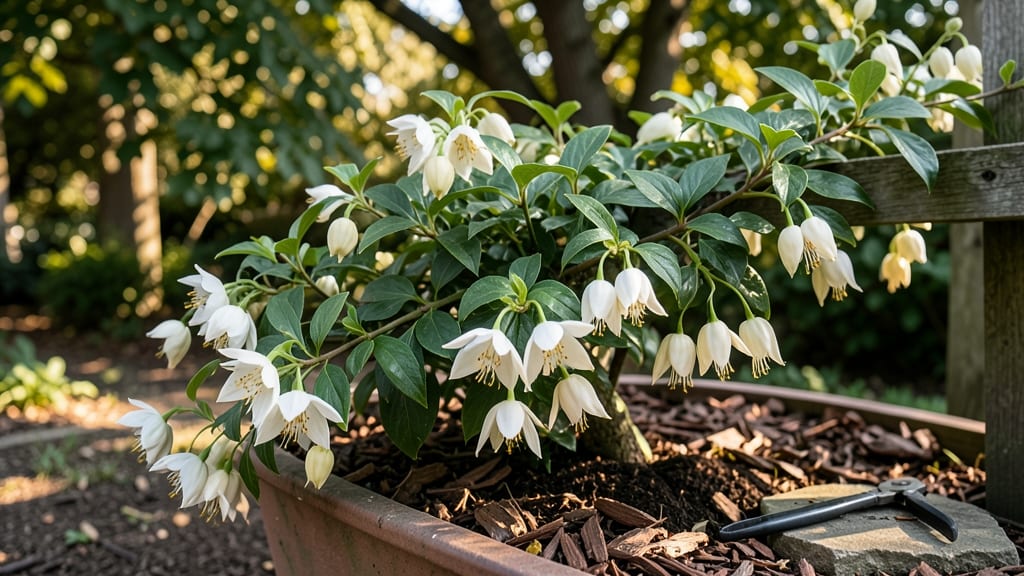
Perennial flowering vines turn blank walls into living tapestries that bloom from spring through frost. 🌿 I’ve watched my own garden transform when I swapped boring fences for climbing clematis and wisteria—suddenly, every season feels like a fresh start.
These vines don’t just survive year after year; they thrive, offering bold colors, fragrance, and structure without the annual replanting hassle.
The best part? They adapt to any space. Cottage gardens glow with climbing roses and honeysuckle, while modern landscapes benefit from sleek clematis varieties that add vertical lines. Even small balconies can host compact vines like star jasmine or cypress vine, turning tight corners into fragrant hideaways.
The secret lies in matching vines to their support—trellises for delicate climbers, sturdy fences for heavyweights—and giving them the right sunlight.
Imagine waking to morning sunlight filtering through wisteria blooms in April, then transitioning to deep purple clematis by summer, and finishing with golden star jasmine in fall. These vines create seasonal layers of color and texture, ensuring your garden stays dynamic.
Plus, they attract pollinators all season long, turning your vertical space into a buzzing ecosystem. Let’s pick the perfect vines for your vision.
Whether you’re softening a chain-link fence or dressing up a pergola, perennial flowering vines deliver low-maintenance beauty that grows more stunning each year. The key is starting with the right varieties for your climate and light conditions—then stepping back to enjoy the show.
Ready to turn your garden into a vertical masterpiece?
📚 In This Guide
- What you need
- Instructions
- Tips and common mistakes
- Wrapping up and next steps
What you need
- ● Perennial flowering vines: Choose 3–5 plants (e.g., Clematis, Honeysuckle, or Wisteria) based on your climate zone and sunlight needs.
- ● Support structure: Trellis (6–10 ft tall), arbor, or pergola (ensure it’s sturdy and weather-resistant).
- ● Potting soil: 1–2 bags of high-quality, well-draining soil (e.g., Miracle-Gro Premium or FoxFarm Ocean Forest).
- ● Organic fertilizer: Slow-release granules (e.g., 10-10-10 or compost) to boost growth.
- ● Mulch: 2–3 inches of shredded bark or wood chips to retain moisture.
- ● Pruning shears: Sharp, bypass-pruners (e.g., Fiskars) for trimming.
- ● Garden gloves: Heavy-duty, breathable pair to protect your hands.
- ● Watering can or hose: With a gentle spray nozzle for delicate vines.
- ● Ebb-and-flow irrigation system: Automates watering for busy gardeners.
- ● Plant ties or soft twine: Secures vines to trellises during early growth.
- ● Slow-release plant spikes: For added nutrients (e.g., Osmocote).
- ● Decorative lights: Solar-powered string lights to highlight your canopy at night.
- ● Compost tea: Boosts soil health and vine resilience.
How to cultivate a lush vertical canopy with perennial flowering vines
Here's the method I rely on to create a stunning, low-maintenance vertical garden that blooms season after season.
🌱 Step 1: Select and Prepare the Right Support Structure
Choose a sturdy trellis, arbor, or pergola that can support the mature weight of your vines. I prefer metal or heavy-duty wood structures because they resist rot and provide long-term stability. The structure should be at least 6 feet tall—taller for vigorous climbers like clematis or wisteria, and 4-5 feet for lighter varieties like honeysuckle or climbing roses.
Install the support in a location with at least 6 hours of sunlight daily. South or west-facing walls get the most bloom production, but many flowering vines tolerate partial shade. If your structure is freestanding, position it where it won't block foot traffic or windows. I always anchor mine securely to prevent wind damage, especially in exposed areas.
🌿 Step 2: Choose and Plant the Perfect Perennial Vine Combination
Select 4-5 different perennial vines for continuous color and texture. I like to mix fast-growing varieties like morning glory (for early spring blooms) with clematis (summer to fall) and climbing hydrangea (late summer). For year-round interest, add evergreen vines like star jasmine or English ivy to fill gaps when others are dormant.
Plant in well-draining soil enriched with 3-4 inches of compost mixed into the top 12 inches of soil. Dig a hole twice as wide as the root ball but only as deep as the container it came in. Space plants 3-5 feet apart depending on mature size—larger vines need more room to establish. Water deeply after planting to eliminate air pockets, then mulch with 2-3 inches of organic mulch to retain moisture and regulate soil temperature.
☀️ Step 3: Train and Prune for Optimal Growth and Bloom
As new growth appears in spring, gently tie stems to the trellis using soft plant ties or jute twine to guide them upward. Avoid metal or plastic ties that can girdle stems as they thicken. I like to train vines in a spiral pattern for clematis and horizontal layers for roses to maximize bloom density. Watch for new shoots emerging from the base—these often produce the most vigorous growth.
Prune in early spring before new growth begins. For most flowering vines, cut back one-third of the oldest stems to encourage fresh, productive growth. Remove any dead, diseased, or crossing branches to improve airflow. Summer pruning is minimal—just pinch back tips to encourage bushier growth. I always sterilize pruners with rubbing alcohol between cuts to prevent disease spread.
💧 Step 4: Maintain Year-Round Health and Blooms
Water deeply once a week during the first growing season to establish strong roots. Once established, most perennial vines tolerate drought-like conditions but reward consistent moisture with longer blooming seasons. You'll know they need water when the top 2-3 inches of soil feel dry to the touch. Avoid overhead watering to prevent fungal diseases—always water at the base.
Fertilize in early spring with a balanced, slow-release fertilizer (10-10-10 ratio). I apply half the recommended dose to avoid burning tender roots. Repeat in mid-summer for a second flush of blooms. Deadhead spent flowers regularly to encourage continuous blooming. For vines like clematis, I also add a handful of bone meal in spring to boost phosphorus for stronger blooms.
✂️ Step 5: Winterize for Next Season's Growth
Before the first frost, cut back all but the strongest stems of deciduous vines like clematis or roses. Leave evergreen vines untouched—they provide winter interest and protect the structure from wind. Wrap tender vines with burlap or frost cloth if your winters drop below 15°F. I also add a 2-3 inch layer of mulch around the base to insulate roots.
Prune back any frozen or damaged growth in early spring. This is also the perfect time to rotate your trellis if needed—some vines grow unevenly toward the sun. With proper care, your vertical garden will reward you with season-long color and minimal maintenance. Real talk: The first year is the hardest, but each subsequent season gets easier as the vines establish themselves.
Tips & tricks for perfect perennial flowering vine canopies
A few strategic moves will transform your vertical garden from good to spectacular—here's what I've learned after years of trial and error.
Support Structure Stability: When installing your 6-foot structure, bury the posts at least 12 inches deep or use concrete footings for wind-prone areas. I've seen trellises collapse when planted too shallow—especially with vigorous climbers like wisteria. For heavy vines, consider adding diagonal braces if your structure feels wobbly when you test it. The first year is critical for establishing stability before vines gain weight.
Soil Preparation Secret: Before mixing in 3-4 inches of compost, I always work in a handful of perlite or vermiculite to improve drainage without sacrificing moisture retention. This is especially important for clay-heavy soils where roots can suffocate. The key is creating that perfect balance—well-draining yet moisture-retentive—so your vines thrive from spring through fall.
Pruning Precision: That one-third cut-back in early spring isn't arbitrary—it follows nature's growth cycle. For clematis specifically, I look for stems that are thicker than a pencil to remove, as these are the oldest and least productive. The remaining stems will produce the most vigorous new growth and blooms. Sterilizing your pruners between cuts is non-negotiable—it's how I've prevented fungal spread in my own garden.
Winter Protection Strategy: For areas colder than 15°F, I double up on protection by first wrapping vines with burlap, then adding a second layer of frost cloth secured with landscape staples. This creates an insulating air pocket that can make the difference between winter survival and frost damage. Don't forget to remove any mulch from around the base before wrapping—you want airflow to prevent rot while still insulating the roots.
Pro Tips for Perennial Flowering Vines
- A few strategic moves will transform your vertical garden from good to spectacular—here's what I've learned after years of trial and error.
- Support Structure Stability: When installing your 6-foot structure, bury the posts at least 12 inches deep or use concrete footings for wind-prone areas.
- Soil Preparation Secret: Before mixing in 3-4 inches of compost, I always work in a handful of perlite or vermiculite to improve drainage without sacrificing moisture retention.
Frequently asked questions
Got questions about keeping your vertical garden blooming all year?
Here are answers to the most common ones—so you can enjoy that lush, floral canopy without the guesswork!
What’s the easiest perennial flowering vine for beginners?
Start with Clematis or Honeysuckle—they’re hardy, fast-growing, and forgive occasional neglect. Clematis thrives with morning sun and afternoon shade, while honeysuckle loves full sun and attracts pollinators. Both bloom reliably with minimal fuss!
How long does it take for perennial vines to establish and flower?
Most perennials take 1–2 years to fully establish roots and produce flowers. For example, Climbing Roses may bloom lightly in their first year but hit their prime in year two. Patience pays off—think of it as investing in a self-sustaining vertical garden!
Can perennial vines survive harsh winters or hot summers?
It depends on the variety! Winter Jasmine and Virginia Creeper are cold-hardy (zones 3–9), while Mandevilla loves heat (zones 9–11). Research your USDA zone, and choose vines with matching resilience. Mulch at the base in winter for extra protection.
How do I prune perennial vines to encourage more blooms?
Prune after flowering (late winter/early spring) to shape growth and remove dead stems. For repeat bloomers like Clematis, cut back by 1/3 to promote new shoots. Avoid heavy pruning in fall—it can stress the plant before winter. Pro tip: Use clean, sharp shears to prevent disease!
What pests or diseases should I watch for?
Common issues include aphids (sap-sucking pests), powdery mildew (white fungal spots), and spider mites (tiny webs). Keep vines well-watered, space them for airflow, and spray neem oil if pests appear. Resistant varieties (like Star Jasmine) can reduce risks!
Wrapping up and next steps
Perennial flowering vines are the ultimate game-changers for adding color, texture, and seasonal interest to your garden—without the yearly replanting hassle! 🌿 From fragrant clematis to bold wisteria, these vines offer low-maintenance beauty that thrives year after year.
Whether you’re a beginner or a seasoned gardener, they’re the perfect way to transform walls, trellises, or fences into a living, blooming masterpiece.
Ready to elevate your outdoor space? Start small—pick one vine that excites you, gather your supplies, and let nature do the rest! Check out our step-by-step planting guide to kick off your vertical garden adventure today.