
Trees
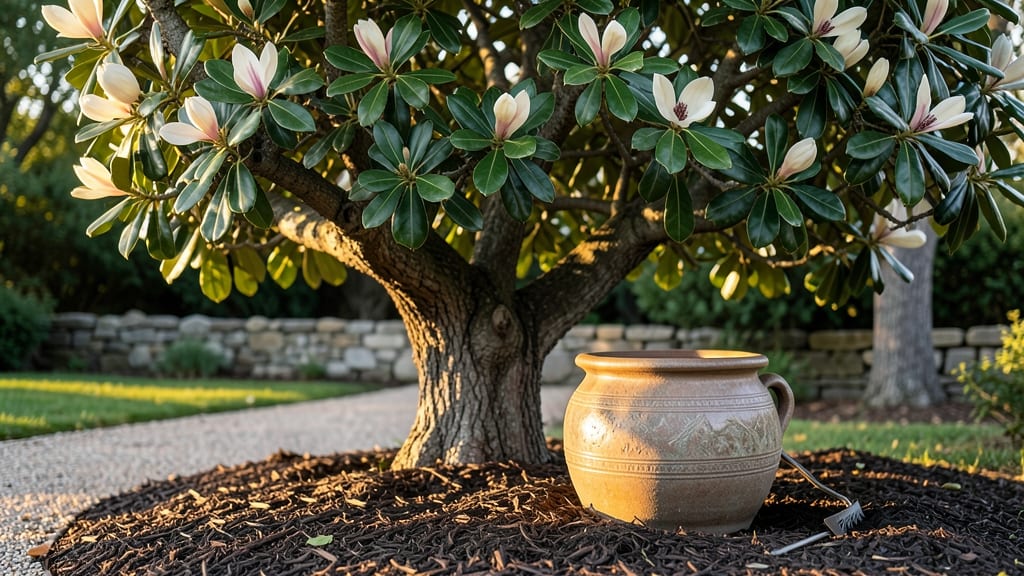
Large flower pots for trees turned my cramped urban patio into a lush mini-forest. The right container isn't just about size—it's about giving roots room to breathe while keeping your tree stable through wind and seasons.
I learned this the hard way when my first potted oak toppled after just two summers.
You'll need pots at least 18 inches in diameter for small trees, scaling up to 24+ inches for mature varieties like crape myrtles or dwarf fruit trees. Fiberglass containers balance weight and durability better than heavy terracotta, while plastic offers the most budget-friendly drainage options.
The key is matching pot size to root ball—never skimp, or you'll stunt growth and invite pests.
With the right setup, your potted tree will reward you with year-round greenery, seasonal blooms, and that "I'm living in a garden" feeling even on a balcony. Just remember to lift and rotate pots every few months for even growth, and fertilize with slow-release granules in spring.
The payoff? A tree that thrives without sacrificing your yard space.
Perfect for city dwellers, small yards, or anyone who wants to add height and drama without permanent planting. Whether you're styling a single statement tree or creating a containerized grove, these tips will keep your canopy looking intentional and your tree healthy for years.
📚 In This Guide
- What you need
- Instructions
- Tips and common mistakes
- Wrapping up and next steps
What you need
- ● Large flower pots: Choose durable, weather-resistant options (fiberglass, resin, or heavy-duty ceramic). Sizes vary—aim for 18–36 inches in diameter (or larger for mature trees). Quantity: Depends on your tree(s); 1–4 pots are common for small urban setups.
- ● High-quality potting soil: Use a well-draining, nutrient-rich mix (e.g., 60% topsoil, 30% perlite/sand, 10% compost). Quantity: ~5–10 gallons per pot, depending on size.
- ● Drainage solutions: Drainage holes (if pots don’t have them)
- ● Gravel or broken pottery shards (1–2 inches layer at the bottom)
- ● Tree(s): Select container-friendly species like Japanese maple, olive tree, or dwarf citrus. Ensure the root ball fits the pot’s width.
- ● Basic tools: Trowel or spade
- ● Garden gloves
- ● Watering can or hose with adjustable nozzle
- ● Pot feet or casters: For mobility or stability (especially for heavy pots).
- ● Slow-release fertilizer: Pellets or spikes to nourish roots over time.
- ● Mulch: Organic (e.g., bark chips) to retain moisture and suppress weeds.
- ● Self-watering system: A reservoir or drip irrigation kit for low-maintenance care.
- ● Decorative accents: Paint, pebbles, or moss for a polished look.
How to select and prepare large flower pots for urban trees
Here's the straightforward approach to choosing and setting up containers that keep trees thriving in tight spaces.
Choose the Right Pot Size and Material
For mature trees, aim for containers with a minimum 24-inch diameter—smaller pots restrict root growth and cause stress. I always check the tree's mature height and width first; a 30-inch pot works well for small ornamental trees like Japanese maples, while fruit trees need 36-inch or larger containers to support their weight and root systems. Terra cotta provides excellent breathability but can dry out quickly, while heavy plastic retains moisture longer but may overheat in full sun.
Look for pots with multiple drainage holes—at least four evenly spaced around the base. If you find a beautiful pot without drainage, drill them yourself. I line the bottom with 2 inches of gravel to prevent soil from clogging the holes while still allowing excess water to escape. This simple step prevents root rot, which is the silent killer of potted trees.
Select Well-Draining Soil Mix
Never use garden soil—it compacts in containers and suffocates roots. Instead, blend equal parts potting mix, perlite, and compost to create a light, airy medium that mimics natural conditions. For acid-loving trees like azaleas or blueberries, add 1 part peat moss to the mix. I always test the pH before planting; most urban trees prefer a neutral 6.0-7.0 range, but always check the specific needs of your tree species.
Fill the pot one-third full with your prepared mix, then tap the container gently on the ground to settle the soil. This creates a stable base for the tree and prevents it from toppling when you add the plant. If you're repotting an established tree, remove it from its current container, loosen the root ball with your fingers, and trim any circling roots—these can strangle the tree over time.
Plant and Secure the Tree
Place the tree in the center of the pot and adjust its depth so the root flare (where the roots meet the trunk) sits 1-2 inches below the pot's rim. This ensures stability without burying the trunk, which can cause rot. Backfill with your soil mix, pressing gently as you go to eliminate air pockets. Stop when the pot is 2 inches below the rim—this prevents soil from spilling when you water.
After planting, water deeply until it runs out the drainage holes. Then, add a 2-inch layer of mulch on top to retain moisture and regulate soil temperature. I always avoid piling mulch against the trunk—keep it 3 inches away to prevent rot. For extra stability, especially with tall trees, anchor the pot to a stake or wall bracket using soft ties that won't damage the bark.
Position for Light and Wind Protection
Most urban trees need 6-8 hours of sunlight daily, but avoid placing them in direct afternoon sun—it can cause soil to dry out too quickly. A south or east-facing location usually works best. If your tree is in a high-wind area, move it to a sheltered spot or use a windbreak like a lattice screen to prevent stress. I've seen trees in exposed balconies struggle with leaf scorch, so always monitor their position after planting.
Check the soil moisture once a week by sticking your finger 1-2 inches deep—if it feels dry, water thoroughly until it drains from the bottom. Overwatering is just as harmful as underwatering, so let the top 1-2 inches of soil dry out between waterings. In hot weather, you may need to water every 2-3 days, but always adjust based on your tree's specific needs and the pot's material.
Tips & tricks for perfect large flower pots for urban trees
Between us, the right container setup can turn a struggling urban tree into a thriving centerpiece. Here's what nobody tells you about making those large pots truly work.
Container Weight and Stability: Heavy trees need heavy pots—consider adding 2-3 bags of sand to the bottom of lightweight containers to prevent tipping. I've seen beautiful terra cotta pots topple with just a light breeze when filled with soil and a medium-sized tree. For extra security, place pots on casters or use a weighted stand that allows you to move them occasionally without straining.
Soil Layering Technique: In Step 2, when you're creating your soil mix, add a 1-inch layer of coarse sand right above the gravel at the bottom. This creates a natural drainage layer that prevents soil from clogging the holes while still allowing excess water to escape quickly. The sand also helps maintain better aeration at the root level, which is especially important for trees in containers.
Seasonal Position Adjustments: The 6-8 hours of sunlight requirement changes with seasons. In summer, you might need to move pots to provide afternoon shade, while winter may require relocating them to sunnier spots. I always mark the pot's original position with chalk so I remember where it performed best during each season. This simple tracking prevents common issues like leaf scorch or stunted growth.
Pro Tips for Large Flower Pots For Trees
- Between us, the right container setup can turn a struggling urban tree into a thriving centerpiece.
- Container Weight and Stability: Heavy trees need heavy pots—consider adding 2-3 bags of sand to the bottom of lightweight containers to prevent tipping.
- Soil Layering Technique: In Step 2, when you're creating your soil mix, add a 1-inch layer of coarse sand right above the gravel at the bottom.
Frequently asked questions
Got questions about transforming your urban space with large flower pots for trees? You’re not alone! Here are some of the most common queries—and their straightforward answers—to help you plant with confidence.
What’s the ideal size for a large tree pot?
Size depends on your tree’s maturity. For small trees (under 10 ft), aim for 18–24 inches in diameter and at least 2 feet deep. Larger trees (10–20 ft) need 30+ inches in diameter and 3+ feet deep. Always prioritize root space—bigger pots mean happier, healthier trees!
Do large pots need drainage holes?
Absolutely!
Without drainage, roots suffocate, leading to rot or disease. If your pot lacks holes, drill them yourself (use a ½-inch bit) or layer gravel or landscape fabric at the bottom. Pro tip: Add a cache pot (a smaller pot inside) to catch overflow while keeping soil in place.
Can I reuse old containers as tree pots?
Yes, but with caution! Clean thoroughly to remove old soil or pests. Avoid plastic kiddie pools (they’re too shallow) or treated wood that may leach chemicals. Concrete or fiberglass containers are durable, but ensure they’re lightweight enough to move if needed. A fresh coat of non-toxic sealant can also protect against cracks.
How often should I water a tree in a large pot?
Frequency depends on pot size, climate, and tree type. Check soil moisture weekly—stick your finger 2–3 inches deep. In hot weather, water deeply 2–3 times per week; in cooler months, reduce to once a week. Mulch the top to retain moisture and avoid overwatering, which can drown roots.
How do I protect my potted tree in winter?
Cold snaps can damage roots and bark. Move pots to a sheltered spot (like a garage or under an eave) if temps drop below 20°F. Wrap the pot in bubble wrap or frost cloth, and add extra mulch around the base. For sensitive trees, use a heat mat or insulated pot sleeve for extreme freezes.
What’s the best way to transition a potted tree to ground planting?
Timing is key! Spring or early fall is ideal. Water the tree 1–2 days before moving to reduce stress, then dig a hole twice as wide as the pot and the same depth. Gently remove the tree, loosen roots, and place it in the hole with the top of the root ball level with the ground. Backfill with native soil and water thoroughly.
Wrapping up and next steps
Transforming your urban space with large flower pots for trees is a game-changer—combining style, sustainability, and practicality! These containers are perfect for elevating your outdoor aesthetic while giving your trees the room to thrive, even in tight spaces.
Whether you’re a gardening pro or a beginner, the key is choosing the right pot, soil, and care routine to ensure your tree grows strong and healthy.
Ready to green up your space? Start by picking the ideal pot, then plant with confidence—your future tree (and neighbors!) will thank you. 🌳✨ Next step: Measure your space, grab your supplies, and get planting!