
Pruning
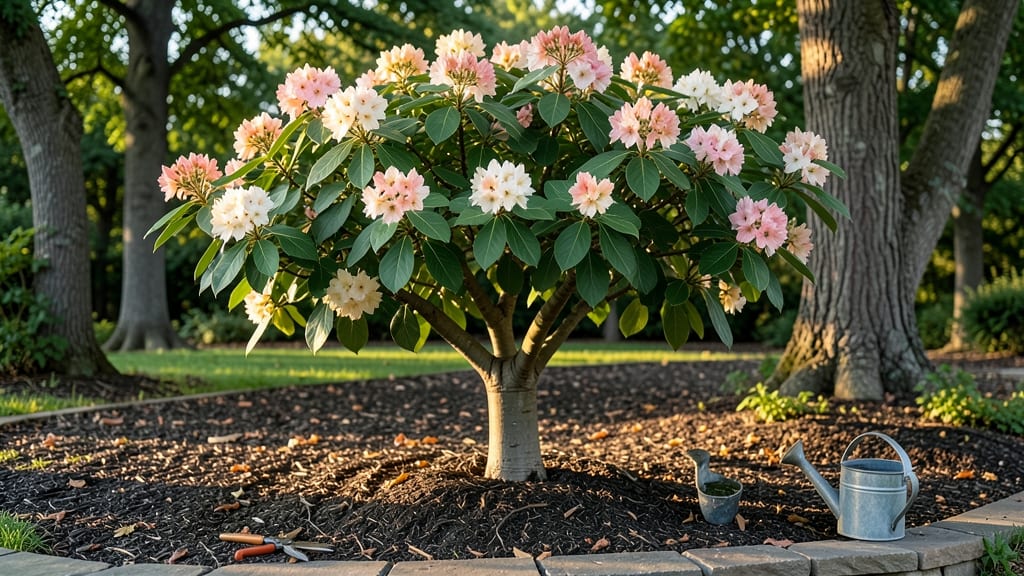
The Kousa dogwood tree flower blooms with such delicate pink perfection that it turns heads every spring. 🌸 I planted mine in a sun-dappled spot near the patio, and now it’s the star of the garden—year after year.
What most gardeners miss is that the right pruning transforms its blooms from seasonal highlights into a year-round showpiece.
This tree thrives in zones 5-8 with well-draining soil and morning sun, but the real magic happens in how you prune. Unlike other dogwoods, Kousa blooms on both old and new wood, so you can shape it without sacrificing flowers.
The key is timing: prune right after blooming to encourage dense growth, then trim lightly in late winter to maintain shape. Even a 10-minute trim every season keeps it healthy and vibrant.
You’ll end up with a tree that bursts into rosy-pink clusters in spring, then surprises you with red berries in fall and even winter interest from its peeling bark.
The branches stay sturdy, the flowers multiply, and the whole garden feels like a curated masterpiece. Let’s get those shears ready—your Kousa’s best years are ahead.
Works for small yards, urban gardens, or as a focal point in larger landscapes. The same techniques apply whether you’re shaping a young sapling or refreshing an established tree. Here’s how to do it right the first time.
📚 In This Guide
- What you need
- Instructions
- Tips and common mistakes
- Wrapping up and next steps
What you need
- ● Pruning shears: Bypass pruners (for small branches, 5–8" blades, sharp & clean). Quantity: 1 pair.
- ● Loppers: Bypass or anvil type (for medium branches, 8–12" cutting capacity). Quantity: 1 pair.
- ● Pruning saw: Folding or bow saw (for thick branches >1.5" diameter). Quantity: 1.
- ● Gloves: Heavy-duty, cut-resistant (to protect hands from thorns and sharp edges). Quantity: 1 pair.
- ● Disinfectant: 70% isopropyl alcohol or pruning sealant (to sterilize tools between cuts and prevent disease). Quantity: Small bottle.
- ○ Extension pole: Adjustable or telescopic (for high branches, 6–12 ft). Quantity: 1 (optional but helpful).
- ● Ladder: Sturdy, non-slip (if tree exceeds 8 ft tall). Quantity: 1 (safety first!).
- ● Trash bags: Heavy-duty, 30+ gallon (for debris disposal). Quantity: 2–3.
- ● Hand pruners: Compact, for precision trimming (great for small, detailed cuts).
- ● Pruning paint/sealant: For large cuts >2" diameter (prevents disease entry).
- ● Work apron: With pockets (to hold tools and debris).
- ● Safety glasses: For protection (especially if working near eyes or in windy conditions).
- ○ Tree growth regulator: Optional hormonal paste (to encourage faster healing on cuts).
- ● Best time to prune: Late winter to early spring (before buds swell) or immediately after flowering (avoid summer pruning).
- ● Weather conditions: Dry, calm day (no rain forecast for 24 hours).
- ● Tree health check: Inspect for pests/disease before pruning (treat if needed).
- ● Safety brief: Wear closed-toe shoes and avoid working alone near tall trees.
Step-by-Step guide to pruning Kousa dogwood for stunning year-round display
This method preserves the tree's natural beauty while encouraging robust flowering and structural strength.
🌿 Step 1: Identify and Remove Dead or Diseased Wood
Start in late winter or early spring before new growth begins. Look for branches that are completely brown, hollow at the center, or showing signs of fungal infection like powdery residue or cankers. The Kousa dogwood is particularly susceptible to anthracnose, so removing infected wood early prevents spread.
Use clean, sharp pruning shears to make cuts just beyond the branch collar—the swollen area where the branch meets the trunk. Avoid leaving stubs, as they invite disease. If a branch is larger than 2 inches in diameter, use a pruning saw for a clean cut. You'll notice healthy wood has a greenish tint under the bark when cut fresh.
✂️ Step 2: Thin the Canopy for Better Air Circulation
Kousa dogwoods naturally develop a layered, tiered appearance, but over time branches can become too dense. Focus on removing crossing branches or those growing inward toward the center of the tree. These compete for sunlight and nutrients, weakening the tree's overall health and reducing flower production.
Make your cuts at the branch collar, angling slightly downward to prevent water from pooling on the wound. Remove no more than 25% of the tree's foliage in a single year—this prevents shock. You'll see improved light penetration through the canopy after pruning, which encourages stronger flowering on the remaining branches.
☀️ Step 3: Shape for Optimal Flower and Fruit Display
Kousa dogwoods produce flowers on old wood, so avoid heavy pruning of mature branches. Instead, focus on selective pruning to enhance the tree's natural form. Remove any suckers or water sprouts that emerge from the base or along the trunk—these drain energy from the main structure.
For a more open, airy look, shorten some of the longer branches by about one-third. This promotes bushier growth and better flower distribution. The goal is to create a balanced silhouette where you can see through the tree from all sides. After pruning, step back and visualize how sunlight will move through the branches throughout the day.
⏰ Step 4: Clean Up and Monitor for New Growth
Rake up and dispose of all pruned branches and debris immediately after finishing. This removes potential disease vectors and keeps your workspace tidy. Sterilize your pruning tools with rubbing alcohol between cuts on different branches to prevent cross-contamination.
Watch for new growth emerging from the pruned areas within 4-6 weeks. Healthy new shoots should appear green and firm to the touch. If you notice any yellowing leaves or wilting on new growth, it may indicate stress—reduce watering slightly until the tree stabilizes. The Kousa dogwood is resilient, but proper post-pruning care ensures it thrives for years to come.
Tips & tricks for perfect Kousa dogwood pruning
Here's what I've learned from years of working with these stunning trees—details that make all the difference between a good prune and a truly showstopping one.
Timing is Everything: Late winter or early spring is your golden window because the tree is still dormant but about to burst into growth. This timing prevents stress while allowing you to see the full structure of the tree. I've ruined two pruning sessions by waiting too late—don't make my mistake! The goal is to finish before buds begin to swell, typically 4-6 weeks before your last frost date.
Healthy Wood Identification: When making cuts in Step 1, look for that fresh green tint under the bark—it's your sign of vitality. Diseased wood often has a darker, almost blackened center when cut. I keep a small notepad to track which branches I've removed each year, marking their location on a simple sketch of the tree. This helps me spot patterns of disease or structural weaknesses over time.
Canopy Thinning Strategy: In Step 2, focus on creating vertical layers rather than just removing branches. Imagine sunlight filtering through like a cathedral window—each layer should allow light to reach the lower branches. I use a string line to visualize the ideal spacing between branches before making any cuts, which prevents that "haircut" look where everything ends up the same length.
Post-Pruning Care: After you've finished, give your tree a good drink of water—about 10 gallons for a mature specimen—to help it recover from the stress. I've seen trees show signs of shock when they're pruned without proper follow-up hydration. Monitor those new shoots closely in the 4-6 week period; they should emerge bright green and firm, not yellow or wilted.
Pro Tips for Kousa Dogwood Tree Flower
- Here's what I've learned from years of working with these stunning trees—details that make all the difference between a good prune and a truly showstopping one.
- Timing is Everything: Late winter or early spring is your golden window because the tree is still dormant but about to burst into growth.
- Healthy Wood Identification: When making cuts in Step 1, look for that fresh green tint under the bark—it's your sign of vitality.
Frequently asked questions
Got questions about keeping your kousa dogwood tree blooming beautifully? Here are some of the most common concerns—and their answers!
When is the best time to prune kousa dogwood trees for flowers?
The ideal time to prune is late winter to early spring (before buds swell) or summer after flowering. Avoid pruning in fall—this can stimulate tender new growth that may freeze. Prune lightly in summer if needed, but never cut into old wood.
Can I prune kousa dogwood trees in fall? Why or why not?
Pruning in fall is not recommended because it encourages late-season growth that’s vulnerable to frost damage. Kousa dogwoods bloom on old wood, so fall cuts risk removing next year’s flower buds. If you must prune, wait until after the first frost and keep cuts minimal.
How much can I trim back my kousa dogwood tree without harming it?
You can safely remove up to 25-30% of the tree’s canopy in a single pruning session. For larger cuts, spread them over 2-3 years to avoid stress. Always use clean, sharp tools and cut just outside the branch collar to prevent disease. Thin out crowded branches first for better airflow.
What should I do if my kousa dogwood isn’t blooming?
Poor blooms often stem from over-pruning, shade, or nutrient deficiencies. Ensure your tree gets 6+ hours of sunlight and prune lightly to maintain an open canopy. Fertilize in early spring with a balanced, slow-release fertilizer (10-10-10 ratio). If blooms are sparse but leaves are healthy, it may just need time—kousa dogwoods often bloom heavily after 5+ years.
Are there alternatives to kousa dogwood for easy-care flowering trees?
If you love kousa dogwood’s flowers but want lower-maintenance options, consider:
- Cornus florida (flowering dogwood) – Similar blooms but slightly more cold-hardy.
- Viburnum (e.g., Viburnum bodnantense) – Winter blooms with minimal pruning needs.
- Japanese tree lilac (Syringa reticulata) – Fragrant spring flowers and drought-tolerant.
Wrapping up and next steps
The Kousa dogwood tree is a stunning addition to any landscape, and with the right pruning techniques, you can enjoy its breathtaking blooms year after year! 🌸 By following this guide—timing cuts carefully, sharpening your tools, and maintaining a balanced shape—you’ll keep your tree healthy, vibrant, and full of life. Now’s the perfect time to roll up your sleeves and give your Kousa dogwood the TLC it deserves!
Ready to take action? Grab your pruners, mark your calendar for late winter or early spring, and start pruning with confidence! Your future blooms will thank you.