
Pruning
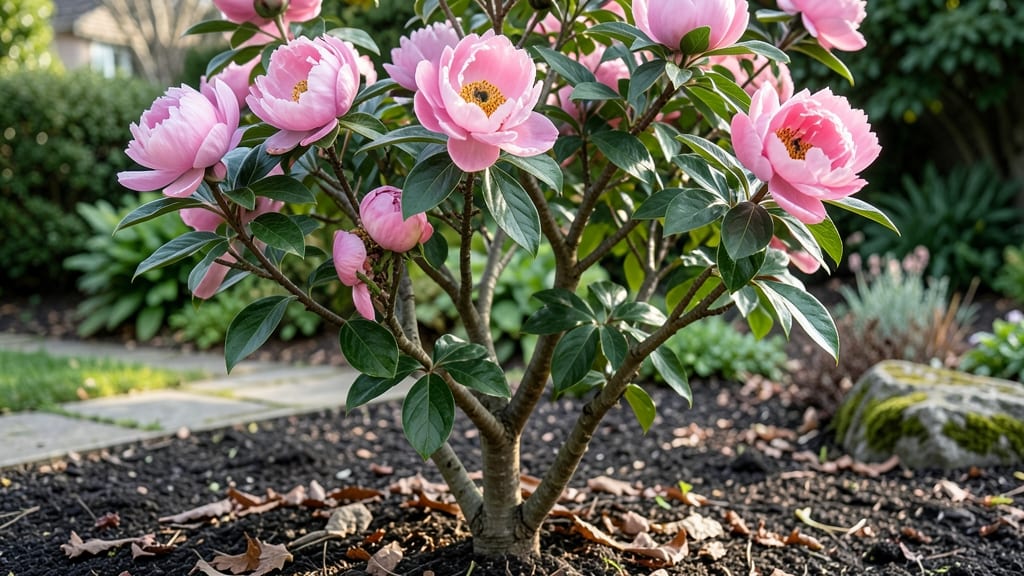
That first flush of peony blooms in early spring is worth every minute of pruning. 🌸 The flowering peony tree—actually a sturdy shrub—delivers those lush, fragrant blooms year after year, but only if you prune it right.
I’ve spent years perfecting the timing and technique, and the difference between a bush full of buds and one with sparse flowers comes down to just a few key cuts.
Here’s the thing—this isn’t a finicky plant. Peonies thrive on neglect but hate over-pruning. The secret lies in three simple cuts: removing dead wood in late winter, shaping the bush after blooming, and thinning crowded stems in early summer.
Most gardeners mess this up by pruning too early or too late, which robs them of next year’s flowers. I’ll show you exactly when to grab those shears without sacrificing a single bloom.
By following this method, you’ll end up with a bush so dense with rosy-pink or creamy-white blooms it looks like a cloud landed in your yard. The flowers last weeks, the fragrance lingers in the air, and the stems stay strong enough to support those heavy blooms.
Plus, the less you prune, the longer your peony lives—some bushes bloom for decades with proper care.
Works for both herbaceous peonies (the classic garden varieties) and tree peonies (the woody types). Whether you’re dealing with a single bush or a whole border, these techniques scale easily. Let’s get those blooms coming back bigger every year.
📚 In This Guide
- What you need
- Instructions
- Tips and common mistakes
- Wrapping up and next steps
What you need
- ● Pruning shears: Sharp, bypass-style shears (4–6" blades) for clean cuts on small branches.
- ● Loppers: For thicker branches (1–2" diameter), choose ratcheting or bypass loppers for precision.
- ● Pruning saw: Curved-tooth saw (8–10" blade) for branches over 2" thick—sterilize with rubbing alcohol between cuts!
- ● Garden gloves: Heavy-duty, cut-resistant gloves (e.g., Mechanix Wear or Fellex) to protect hands.
- ● Disinfectant: 70% isopropyl alcohol or bleach solution (1 part bleach to 9 parts water) to prevent disease spread.
- ● Marking twine or tape: For identifying branches to remove (e.g., bright-colored twine for visibility).
- ● Bucket or bag: To collect pruned branches and debris (line with a trash bag for easy cleanup).
- ● Ladder or step stool: Sturdy, non-slip (e.g., Little Giant or LEMON brand) for tall trees.
- ● Hand pruners with a crimping tool: For sealing larger cuts (e.g., Felco models).
- ● Pruning sealant: Tree wound dressing (e.g., Tanglefoot Tree Wound Pruning Seal) for cuts over ½".
- ● Safety glasses: To shield eyes from debris.
- ● Notebook & pen: To sketch your tree’s structure before/after pruning.
- ● Hose with nozzle: For rinsing tools and cleaning sap off branches.
Step-by-step guide to pruning your flowering peony tree
Here's how to keep your peony tree blooming beautifully for years.
✂️ Step 1: Prune Immediately After Flowering
Your first cut happens right after the blooms fade—this is critical. The tree sets next year's flower buds during the summer, so pruning too late can reduce next season's display. Wait until 2-3 weeks after flowering when spent blooms turn brown. This timing ensures you don't accidentally remove next year's buds.
Start by removing any dead, diseased, or crossing branches first. Use clean, sharp pruners to make 45-degree cuts just above a outward-facing bud. This encourages new growth in the right direction. I always prune on a dry day—wet branches are harder to see and can harbor bacteria.
🌿 Step 2: Thin Out Overcrowded Branches
Peony trees grow dense, so thinning prevents weak, leggy growth. Look for branches that rub against each other or grow inward—they compete for sunlight and nutrients. Remove no more than 25% of the tree's branches in one season to avoid stressing it. I target the oldest, thickest branches first since they're less productive.
When cutting, make your snip 1/4 inch above a bud that faces outward. This creates a natural growth pattern. If you're unsure which way a bud faces, imagine the branch growing in that direction. Avoid leaving stubs—this invites disease and weakens the tree. After thinning, you'll notice better air circulation and more sunlight reaching the center.
☀️ Step 3: Shape the Tree for Light Penetration
Peony trees need light to reach all branches for even blooming. Step back and look for areas where branches block sunlight from the center. Focus on lifting up drooping branches first—they often have fewer blooms. Use pruners to trim back the tips of these branches by 1/3 of their length, cutting just above a bud.
For a more open shape, remove any "water sprouts" (fast-growing vertical shoots) that appear in the center. These steal energy from flowering branches. After shaping, your tree should look balanced with sunlight reaching all sides. I like to prune in stages if needed—sometimes a tree needs more than one session to open up properly.
⏰ Step 4: Late-Summer Maintenance Pruning
About 6-8 weeks before your first frost, do a light cleanup. This removes any new growth that sprouted after your main pruning. Focus on small shoots that appeared on the main branches—these rarely produce good blooms. Cut them back to a bud or remove entirely if they're weak.
This late pruning prevents tender new growth from being damaged by frost. It also helps the tree harden off for winter. I never prune after mid-September in my zone—any new growth won't have time to mature before cold weather arrives. After this final trim, your peony tree will be ready for winter with strong structure for next year's blooms.
Tips & tricks for perfect peony tree pruning
Here's what nobody tells you about keeping your peony tree thriving for decades.
Timing is Everything: The 2-3 week window after flowering is your golden opportunity. I learned this the hard way after accidentally pruning too early and losing next year's blooms. Mark your calendar or set a phone reminder when the last petals fall—this is when the tree starts forming buds for next season. If you're unsure, wait until the spent blooms turn completely brown before cutting.
Cutting Technique Matters: Those 45-degree cuts aren't just for looks—they direct new growth outward where sunlight can reach. When making your cuts just above an outward-facing bud, visualize the branch growing in that direction. I always test my pruners on a scrap branch first to ensure they're sharp enough for clean cuts. Dull blades crush stems and invite disease.
Don't Over-Prune: Remember the 25% rule—never remove more than a quarter of the tree's branches in one season. I once over-enthusiastically pruned 40% of my peony's branches and ended up with a sad, leggy tree the next spring. Think of it like haircuts: you wouldn't shave your head completely, would you? Focus on the oldest, thickest branches first—they're less productive anyway.
Late-Summer Cleanup Secret: That 6-8 week window before frost is your chance to tidy up without risking frost damage. I make a habit of doing this cleanup while enjoying my morning coffee—it's the perfect time to assess the tree's shape and remove any weak growth that appeared after your main pruning. This final trim helps the tree harden off properly for winter.
Pro Tips for Flowering Peony Tree
- Here's what nobody tells you about keeping your peony tree thriving for decades.
- Timing is Everything: The 2-3 week window after flowering is your golden opportunity.
- Cutting Technique Matters: Those 45-degree cuts aren't just for looks—they direct new growth outward where sunlight can reach.
Frequently asked questions
Got questions about keeping your flowering peony tree in top shape? You’re not alone! Here are answers to the most common queries—so you can enjoy those stunning blooms all year long.
When is the best time to prune a flowering peony tree?
Prune your peony tree right after flowering (late spring to early summer). This timing ensures you don’t cut off next year’s blooms while still shaping the tree. Avoid heavy pruning in fall or winter, as it can stress the plant. A light cleanup of dead branches in late winter is fine, but save major pruning for post-bloom!
How much should I trim back my peony tree?
For most flowering peony trees, trim back 1/3 of the previous year’s growth to encourage bushier growth and more blooms. Avoid over-pruning—never cut more than 25-30% of the tree at once. Focus on removing dead, crossing, or weak branches first, then shape as needed. Pro tip: Use sharp pruners for clean cuts!
My peony tree isn’t blooming—what went wrong?
Lack of blooms often stems from over-pruning (cutting too late or too aggressively) or poor sunlight. Ensure your tree gets 6+ hours of sun daily and prune after blooming. If the issue persists, check for pests (like spider mites) or nutrient deficiencies—fertilize lightly in early spring with a balanced formula.
Can I grow a flowering peony tree in a container?
Yes! Dwarf varieties (like Paeonia ‘Karl Rosenfield’) thrive in containers with well-draining soil and a pot at least 18-24 inches wide. Prune lightly to maintain shape, and repot every 2-3 years to refresh the soil. Just remember: Containers dry out faster, so water consistently during the growing season.
Are there alternatives to peony trees for low-maintenance blooms?
If peony trees feel high-maintenance, consider crape myrtle (drought-tolerant, vibrant blooms) or ornamental cherry trees (spring flowers, easy pruning). For smaller spaces, hydrangeas or butterfly bushes offer similar beauty with slightly less upkeep. Each has unique pruning needs—research before choosing!
Wrapping up and next steps
Your flowering peony tree is now ready to thrive with year-round blooms! 🌸 By mastering the art of pruning—timing, techniques, and tools—you’ve set the stage for a stunning, healthy tree that rewards you with vibrant flowers season after season.
Remember, patience and consistency are key, so keep an eye on your tree’s growth and adjust as needed.
Ready to take the next step? Share your progress with fellow gardening enthusiasts, or explore advanced pruning tips for shaping and training your peony tree into a masterpiece. Happy pruning! ✂️💚