
Flowers
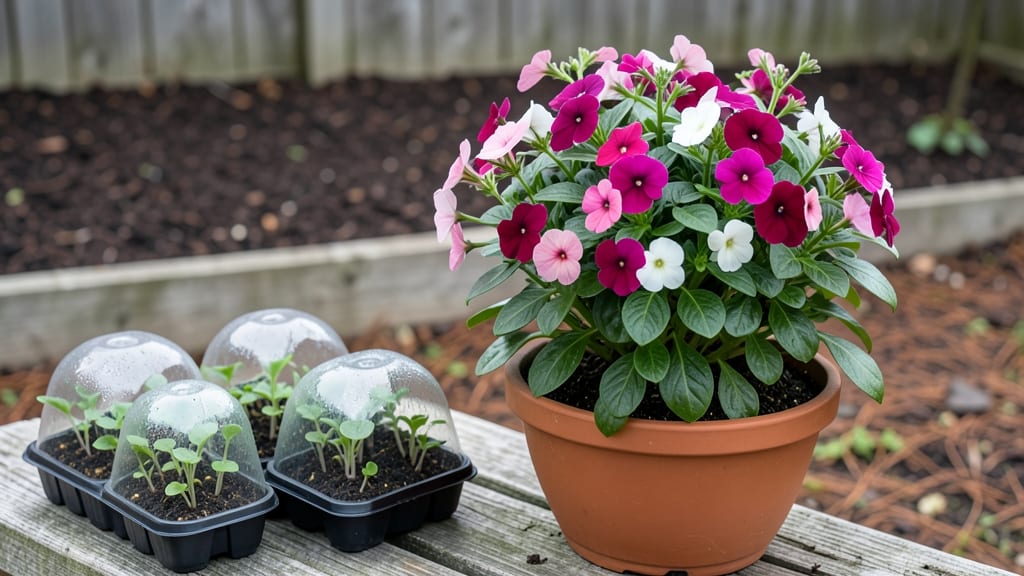
Impatient flower seeds deliver bold color in record time—just six weeks from tray to blooms. 🌸 I’ve grown these bright faces in every season, and the secret isn’t luck but matching their speedy needs: warm soil, bright light, and a little daily attention.
Most gardeners overwater or crowd them, which slows everything down.
The magic happens with fast germination (7-14 days) and rapid growth, but only if you start right. Use a seed-starting mix that’s light and airy, keep it warm (70-75°F), and avoid cold drafts.
These seeds won’t tolerate patience—give them what they want, and you’ll have bushy plants ready for transplant in just a month.
By week 6, you’ll be pinching back leggy stems and marveling at clusters of vibrant blooms in pink, red, or white. The trick is keeping them well-lit after sprouts appear—no stretching, no waiting. These flowers reward urgency with nonstop color until frost.
Works for containers, window boxes, or garden beds—just plant after your last frost when nights stay above 50°F. Here’s how to keep them blooming all summer without the usual seedling struggles.
📚 In This Guide
- What you need
- Instructions
- Tips and common mistakes
- Wrapping up and next steps
What you need
- ● Impatient flower seeds: Fast-growing varieties like Impatiens walleriana (1–2 seed packets, ~100–200 seeds total). Choose colors you love!
- ● Seed-starting mix: Lightweight, well-draining potting soil (1–2 small bags, ~1–2 quarts each). Avoid garden soil—it’s too dense!
- ● Containers: Seed trays with cells (50+ cells) or
- ● Small pots (2–3 inches wide, 1–2 per seedling)
- ○ Grow lights or sunny windowsill: A full-spectrum LED grow light (optional but helpful for indoor starts) or a south-facing window with 6+ hours of sunlight.
- ● Spray bottle: For gentle watering (avoid over-saturating seeds!).
- ○ Plastic wrap or humidity dome: Keeps moisture in while seeds germinate (optional but recommended).
- ● Fertilizer: A balanced liquid fertilizer (5-5-5 or 10-10-10, diluted to half-strength) for after sprouting.
- ● Transplanting tools: Small hand trowel or spoon for moving seedlings (if upgrading pots).
- ○ Stakes or cages: For taller varieties (optional, but helps support stems later).
- ○ 🌡️ Warmth: Ideal germination temp is 65–75°F (18–24°C). A heat mat (optional) speeds up growth in cooler climates.
- ● 💧 Patience (but not too much!): Seeds sprout in 7–14 days—just keep soil moist and watch for tiny green shoots!
- ● 🌿 Outdoor-ready space: Once seedlings are 2–3 inches tall, they’ll need partial shade to full sun (6+ hours/day).
Step-by-step instructions for growing impatiens from seeds
Here's how to get vibrant blooms in record time—no waiting months for color.
🌱 Step 1: Start Seeds Indoors with Warmth and Moisture
Fill small seed trays with the seed-starting mix you've prepared, pressing it down lightly to create a firm surface. Impatiens seeds are tiny, so I use a toothpick to make tiny holes—about ⅛ inch deep—where I'll place them. This prevents burying them too deep, which delays germination.
Place 2-3 seeds per hole since germination rates can be uneven. Gently press them into the soil with the toothpick, then mist the surface with warm water until evenly damp. The key here is keeping the soil warm—place the tray on a seedling heat mat set to 75-80°F. This warmth triggers germination in just 7-14 days. You'll know it's working when you see tiny green sprouts pushing through the soil.
☀️ Step 2: Provide Bright, Indirect Light Immediately
The moment those first sprouts appear, move them to a bright, indirect light source. A south-facing window works, but if your light is weak, supplement with a grow light placed 4-6 inches above the seedlings. Impatiens seedlings grow fast but need strong light to avoid becoming leggy—those stretched-out stems mean the plant is reaching for light and won't bloom well.
Rotate the tray a quarter turn daily so all seedlings grow evenly. You'll notice strong seedlings have dark green leaves and compact spacing between them. If leaves look pale or stems bend toward the light, your seedlings need more intensity. Watch for first true leaves (the second set after the initial cotyledons)—this is your signal to start fertilizing lightly with a balanced liquid fertilizer diluted to half strength.
💧 Step 3: Maintain Consistent Moisture Without Overwatering
Impatiens seedlings hate drying out, but they also despise soggy soil. Water from the bottom by placing the tray in ½ inch of water for 10-15 minutes, then drain excess. This method keeps roots moist without disturbing delicate seedlings. You'll know moisture is right when the soil surface looks slightly damp but not glistening. Overwatering now causes damping-off, a fungal disease that collapses stems overnight.
Once seedlings have 3-4 true leaves (about 3-4 weeks after sowing), it's time to transplant them into 4-inch pots filled with the potting mix. Handle them gently by their leaves—never the stems—to avoid damage. After transplanting, water lightly to settle the soil around the roots. Place the pots in a shady spot for 24 hours to reduce transplant shock before moving them back under bright light.
⏰ Step 4: Harden Off and Transition to Outdoor Conditions
When nighttime temperatures stay above 50°F, it's time to acclimate your impatiens to outdoor conditions. Start by placing them in a sheltered, shaded spot for 1-2 hours the first day. Gradually increase their outdoor time over 7-10 days, slowly introducing more sun and wind. You'll see them adjusting when they stop wilting and their leaves stay upright.
Once hardened off, transplant them into the garden or larger containers with well-draining soil. Space them 8-12 inches apart to allow for bushy growth. Impatiens thrive in partial shade, so choose a spot that gets morning sun and afternoon shade—this prevents leaves from scorching. Water deeply 2-3 times per week, keeping the soil consistently moist but not waterlogged. You'll notice buds forming in just 2-3 weeks, and the first blooms will appear in 6 weeks—that's the magic of impatiens!
Tips & tricks for perfect impatiens growth
Here's what I learned the hard way about growing these fast-blooming beauties—tricks that'll save you time and frustration.
Germination Precision: Those tiny impatiens seeds need exact placement—no deeper than ⅛ inch! Use a toothpick to create precise holes in your seed-starting mix. I've found that pressing seeds gently with the toothpick ensures good soil contact without burying them too deep, which can delay germination by up to 5 days. The 75-80°F heat mat is non-negotiable for this speedy process, but don't let the soil get soggy—just evenly damp.
Light Strategy: The moment you see those first sprouts, move them to bright light immediately. I've ruined batches by leaving them too long in dim conditions—seedlings become leggy and weak. For best results, position your grow light 4-6 inches above the seedlings and rotate the tray daily. You'll notice strong seedlings develop dark green leaves and maintain compact spacing between them, which is your sign they're getting proper light intensity.
Moisture Balance: Bottom watering for 10-15 minutes is the secret to consistent moisture without disturbing delicate seedlings. I've learned that the soil surface should look slightly damp but not glistening—this prevents damping-off disease while keeping roots happy. After transplanting to 4-inch pots, give them 24 hours of shade to recover before returning to bright light. This simple step reduces transplant shock significantly.
Harden Off Gradually: Don't rush the 7-10 day hardening process! Start with just 1-2 hours in sheltered shade and gradually increase exposure. I've seen seedlings wilt dramatically when moved too quickly to full sun. Watch for leaves that stay upright and firm—this is your signal they're adjusting well to outdoor conditions.
Pro Tips for Impatient Flower Seeds
- Here's what I learned the hard way about growing these fast-blooming beauties—tricks that'll save you time and frustr...
- Germination Precision: Those tiny impatiens seeds need exact placement—no deeper than ⅛ inch! Use a toothpick to crea...
- Light Strategy: The moment you see those first sprouts, move them to bright light immediately. I've ruined batches by...
Frequently asked questions
Got questions about growing impatient flower seeds? You’re not alone! Here are answers to the most common queries to help you get the fastest, most vibrant blooms in just 6 weeks.
How soon can I expect flowers after planting impatient seeds?
With proper care, impatient flowers (like Impatiens walleriana) typically bloom in 6–8 weeks from seed. Start indoors 8–10 weeks before your last frost, or sow directly in warm soil (after all frost risk has passed) for quicker results. Pinch back leggy seedlings to encourage bushier growth and more blooms!
Can impatient flowers survive frost or cold weather?
Nope! Impatiens are tender annuals and die in temperatures below 40°F (4°C). Wait until soil is warm (at least 60°F/15°C) and nighttime temps stay above 50°F/10°C before planting outdoors. For early blooms, grow them in containers and move them indoors if frost threatens.
What’s the best way to keep impatient flowers blooming all season?
Deadhead spent blooms regularly to encourage new flowers. Use a balanced 10-10-10 fertilizer every 2–3 weeks for extra vigor. Pro tip: Place them in partial shade (especially in hot climates) to prevent wilting. Mulch around the base to retain moisture and cool roots.
Why are my impatient seeds not germinating?
Impatient seeds need warmth, moisture, and light to sprout. Troubleshoot with these fixes:
- Temperature: Keep soil at 70–75°F (21–24°C) (use a heat mat if needed).
- Moisture: Mist seeds daily or cover the tray with plastic wrap until germination (usually 7–14 days).
- Light: Place under grow lights or in a sunny window (no direct sun until sprouted).
- Fresh seeds: Old seeds may lose viability—try new ones if germination fails.
Are there fast-growing alternatives to impatient flowers?
Yes! If you love quick color, try these fast-blooming annuals:
Flower
Time to Bloom
Color Options
Zinnias
4–6 weeks
Pink, red, orange, white, purple
Cosmos
6–8 weeks
Pink, white, magenta, crimson
Marigolds
5–6 weeks
Yellow, orange, gold
Pansies
6–8 weeks
Blue, purple, yellow, mixed
All thrive in similar conditions—sun to partial shade and well-draining soil!
Wrapping up and next steps
Growing impatient flower seeds is a rewarding way to add instant color to your garden—no waiting months for blooms! 🌸 With just a little patience (and a few weeks), you’ll enjoy vibrant flowers that brighten up patios, windowsills, or containers.
Whether you’re a beginner or a seasoned gardener, these fast-growing beauties make gardening feel like a quick win.
Ready to dive in? Start by gathering your supplies, follow the simple steps, and soon you’ll be surrounded by cheerful blooms. Happy planting—and enjoy your speedy garden transformation! 🌱