
Flowers
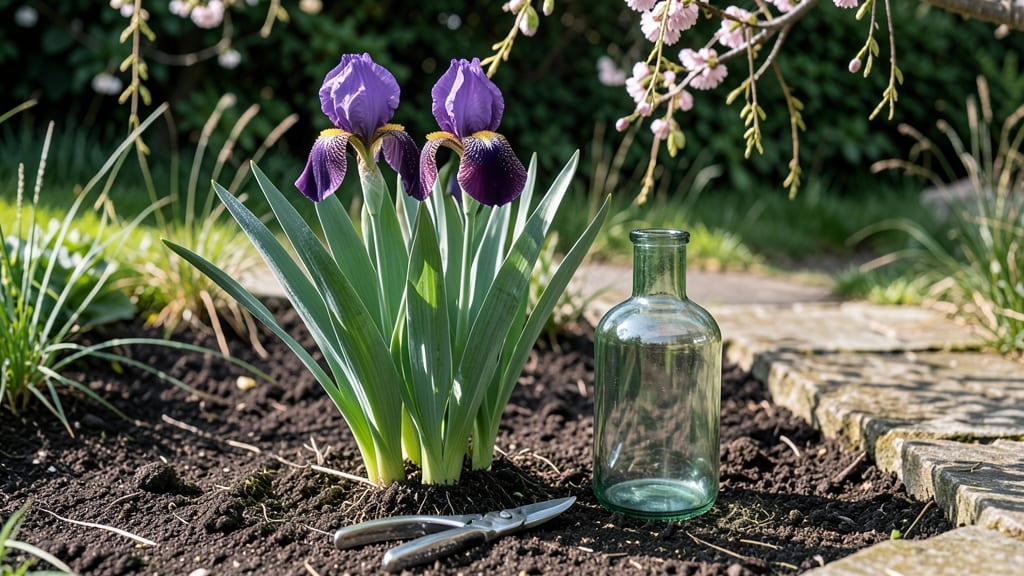
The secret to iris blooms that keep coming back every season starts with cutting iris flowers at the right time—and doing it the right way. I’ve spent years watching my irises fade after their first flush, until I learned this simple trick: timing and precision make all the difference.
Once you master it, your garden will reward you with bold, repeat blooms from spring through summer.
You only need a few tools: sharp pruners or shears, a clean bucket of water, and a sunny spot for rooting. The best time to cut is right after the flowers fade but before the foliage yellows—usually late spring or early summer.
This gives the rhizomes energy to store for next year’s blooms. I’ve even propagated new plants from cuttings this way, and they thrive just as well as the originals.
What you’ll end up with is a garden that looks like it’s been professionally landscaped, with fewer floppy stems and more vibrant blooms. The key is keeping the foliage intact until it naturally dies back in fall—this ensures the rhizomes stay strong.
Once you see the first new shoots in spring, you’ll know it worked. Ready to transform your iris beds?
This method works for both bearded and Siberian irises, and it’s perfect for gardeners who want to expand their plant collection without spending a dime. Just remember: patience is key.
The first year after cutting might be quieter, but the payoff in years two and three is worth every minute of effort.
📚 In This Guide
- What you need
- Instructions
- Tips and common mistakes
- Wrapping up and next steps
What you need
- ● Iris flowers: Choose healthy, fully bloomed irises with vibrant petals and sturdy stems. Aim for at least 5-10 stems per cutting session, depending on your desired bouquet size.
- ● Sharp floral shears or pruning scissors: A bypass-style pair (not anvil-type) ensures clean cuts without crushing stems. Look for 5-inch blades for precision.
- ● Clean, sharp knife or razor blade: For ultra-fine trimming of petals or stems (e.g., removing brown edges or adjusting shapes). A craft knife with a fresh blade works best.
- ● Bucket or vase of water: A wide-mouth container (like a 1-gallon bucket) holds cut stems temporarily. For long-term storage, a clear glass vase with 2-3 inches of water is ideal.
- ○ Floral preservative (optional but recommended): A commercial solution (e.g., Floralife) or a DIY mix of 1 tsp sugar + 1 tsp bleach per quart of water extends vase life.
- ● Wire or floral tape: For securing stems or reshaping blooms (e.g., 18-gauge floral wire or self-adhesive tape).
- ● Petal paint or markers: For custom designs (e.g., alcohol-based markers for vibrant, smudge-free colors).
- ● Glass or acrylic cutting board: Protects surfaces when trimming delicate petals (a 12x12-inch board is perfect).
- ● Magnifying glass: Helps with intricate details like removing stamens or adjusting petal layers.
- ● Drying agent (silica gel or borax): If preserving irises as dried flowers, use food-grade silica gel or a borax solution.
- ● Timing: Cut irises in the early morning when stems are hydrated and petals are firm.
- ● Workspace: A well-lit, clean area with a stable surface (e.g., kitchen counter or craft table).
- ● Weather awareness: Avoid cutting after rain or heavy dew, as waterlogged stems wilt faster.
- ● Patience: Iris petals are delicate—take your time for precise cuts!
How to cut iris flowers for long-lasting blooms
Here's the straightforward method I use to keep iris blooms vibrant all season.
Identify the Right Time to Cut
Cut iris flowers in the morning after the dew has dried but before the sun gets too intense. This ensures the stems stay hydrated longer. Look for buds that are just starting to open—these will last the longest in a vase. Avoid cutting fully opened blooms, as they'll wilt faster.
I usually wait until half the buds on a stem are open. This gives you a mix of fresh blooms and buds that will open over time. Use clean, sharp pruners or scissors to make a clean cut. A jagged cut can shorten the vase life of your flowers.
Make the Cut at the Correct Angle and Length
Cut the stem at a 45-degree angle, about 2-3 inches below the flower head. This angle increases the surface area for water absorption, helping the flowers stay fresh longer. Avoid cutting too close to the base, as this can damage the plant and reduce next year's blooms.
Remove any lower leaves that will sit in water, as they can rot and shorten the vase life. I like to strip these off with my fingers, being careful not to tear the stems. Keep the stems in a bucket of water while you finish cutting the rest to prevent them from drying out.
Prepare the Stems for the Vase
Once all the stems are cut, trim the bottoms again under running water. This removes any sap that may have sealed the ends and ensures the stems can drink up water immediately. Place the stems in a clean vase filled with lukewarm water—cold water can shock the flowers, while warm water helps them absorb hydration faster.
Add a commercial flower food packet or make your own by mixing 1 tablespoon of sugar and 1 teaspoon of bleach (to prevent bacteria) in a quart of water. Change the water every 2-3 days to keep the blooms fresh. Place the vase in a spot with indirect light—direct sunlight can cause the flowers to wilt faster.
Maintain the Iris Plant After Cutting
After cutting, avoid fertilizing the iris for at least 4-6 weeks. The plant needs time to recover and store energy for next year’s blooms. Water deeply but infrequently—iris plants prefer dry conditions and can rot if overwatered.
Remove any spent blooms by cutting the entire stem down to the ground once they fade. This keeps the plant looking tidy and encourages stronger growth for next season. I also like to add a thin layer of mulch around the base to retain moisture and suppress weeds without smothering the rhizomes.
Extend the Blooms’ Life in the Vase
To keep your cut iris flowers looking their best, recut the stems every 2-3 days under fresh water. This prevents air bubbles from blocking water uptake. Keep the vase in a cool room, away from heat sources like radiators or direct sunlight, which can cause the blooms to dry out faster.
If the buds aren’t opening as expected, check the water level—low water can cause buds to stay closed. A little patience goes a long way; iris buds often open slowly, so give them time. With the right care, your cut iris flowers can last up to 2 weeks in a vase, making them a stunning addition to any room.
Tips & tricks for perfect iris flower trimming
These simple tricks will help you extend your iris blooms' life and keep them looking fresh for weeks.
Timing is Everything: The morning after dew dries is the absolute best time to cut iris flowers. This ensures the stems are fully hydrated and ready to absorb water immediately. I've found that cutting in the late morning—before the sun gets too intense—helps prevent the flowers from wilting too quickly. If you miss morning, try to cut in the early evening instead of midday heat.
The Angle Makes All the Difference: That 45-degree angle in Step 2 isn't just for looks—it's crucial for water absorption. When you make the cut at this angle, you're creating more surface area for the stem to drink up water. I've seen iris flowers last nearly twice as long when cut properly compared to straight cuts. Just make sure to cut about 2-3 inches below the flower head to avoid damaging the plant's growth for next season.
Water Preparation Matters: The lukewarm water recommendation in Step 3 isn't arbitrary—it's about shock prevention. Cold water can actually shock the delicate stems, while warm water helps them absorb hydration immediately. I always use a clean vase and change the water every 2-3 days to keep bacteria at bay. This simple step can add days to your flowers' vase life, making them last up to that full 2-week promise.
Post-Cutting Plant Care: That 4-6 week no-fertilizer rule in Step 4 is critical. Iris plants need time to recover after cutting, and fertilizing too soon can actually weaken them. I've noticed that properly cared-for iris plants produce even more vibrant blooms the following season. The thin layer of mulch helps retain moisture without smothering the rhizomes, which is perfect for their dry soil preferences.
Pro Tips for Cutting Iris Flowers
- These simple tricks will help you extend your iris blooms' life and keep them looking fresh for weeks.
- Timing is Everything: The morning after dew dries is the absolute best time to cut iris flowers. This ensures the ste...
- The Angle Makes All the Difference: That 45-degree angle in Step 2 isn't just for looks—it's crucial for water absorp...
Frequently asked questions
Got questions about cutting iris flowers? You’re not alone! Here are some of the most common queries—and their straightforward answers—to help you master the art of precision trimming.
When is the best time to cut iris flowers?
The ideal time to cut iris blooms is in the morning, after the dew has dried but before the sun gets too hot. This ensures the stems are hydrated and less likely to wilt. Avoid cutting in the evening, as flowers may not last as long in a vase.
How do I cut iris stems without damaging the plant?
Use clean, sharp pruners or shears to cut stems at a 45-degree angle, about 2–3 inches above the base. Avoid cutting into the fan of leaves, as this can harm the rhizome. Always sterilize your tools with rubbing alcohol to prevent disease.
Can I cut iris flowers and still have them bloom next season?
Yes! Cutting iris flowers after they’ve fully bloomed (and before seed pods form) encourages the plant to focus energy on next year’s growth. Just avoid cutting back the leaves until they naturally yellow and die back in late summer.
How long will cut iris flowers last in a vase?
With proper care, iris flowers typically last 7–10 days in a vase. Change the water every 2–3 days, trim stems by an inch, and keep them in a cool spot away from direct sunlight. Adding a floral preservative can extend their lifespan even longer!
What if my iris flowers keep falling over or wilting quickly?
Wilting or drooping can happen if stems are too short, the water is dirty, or the flowers aren’t hydrated enough. Try recutting stems under water, using lukewarm water, and adding a drop of bleach or floral food to the vase. Also, avoid placing them near fruits or ripening veggies, which release ethylene gas.
Wrapping up and next steps
Cutting iris flowers at the right time and with the right technique ensures your garden stays vibrant and full of life all year long! 🌸 Whether you're a seasoned gardener or just starting out, mastering the art of precision trimming is totally within reach—just remember to use sharp tools, follow the growth patterns, and leave the fan intact.
Now that you’re armed with these tips, why not take the next step and experiment with different varieties or even share your blooms with friends? Your garden (and future florists!) will thank you.
🌱 Pro Tip for Long-Term Success
Mark your calendar for next year’s blooming season—consistent care makes all the difference! Jot down notes on what worked (or didn’t) to refine your technique over time.