
Flowers
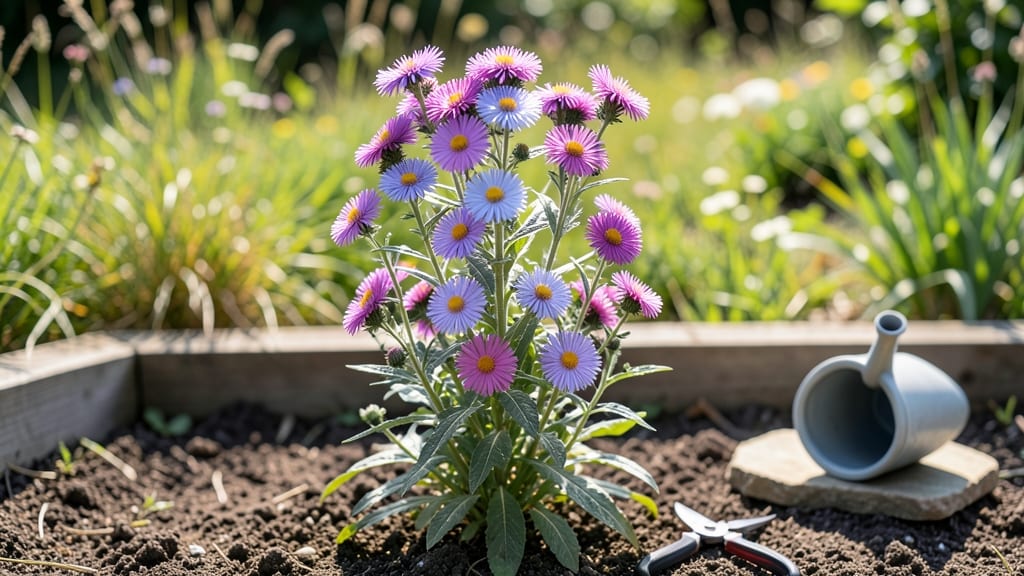
Aster flowers bring late-season drama with their bold colors—deep purples, soft pinks, and crisp whites—that turn your garden into a painter’s palette. 🌸 I’ve seen them transform a dull October border into a riot of color when paired right, and the secret isn’t just planting them—it’s combining hues that make your eye stop.
Purple asters like ‘Royal Velvet’ demand attention, while pale lavender ‘September Ruby’ softens the look. Mix in white ‘Lady in Black’ for contrast, and suddenly your garden feels like a masterpiece.
The key? Stagger bloom times—early purple varieties give way to pinks and blues by fall, keeping the show going until frost.
You’ll end up with flower beds that feel intentional, not random—think jewel-toned clusters against golden foliage or silvery grasses. Asters thrive in full sun, so place them where they’ll shine (literally), and watch neighbors ask, “What are those?” every time they pass.
Works for borders, cutting gardens, or even container arrangements—just group odd numbers of stems for natural movement. Here’s how to make them the star of your late-season show.
📚 In This Guide
- What you need
- Instructions
- Tips and common mistakes
- Wrapping up and next steps
What you need
- ● Aster flower seeds or plants: Choose from blue, pink, purple, yellow, or white varieties (e.g., ‘Profusion,’ ‘Wood’s Purple,’ or ‘Little Carlow’).
- ● Quantity: 10–20 seeds per color (or 3–5 plants if buying established).
- ● Well-draining potting mix or garden soil: 5–10 gallons, enriched with compost (20–30% organic matter).
- ● Containers or garden beds: Containers: 6–12-inch pots (1 plant per pot).
- ● Garden beds: Full sun (6+ hours/day) with loose, fertile soil.
- ● Slow-release fertilizer: 10–20-10 NPK ratio (1 tbsp per plant at planting time).
- ● Hand trowel or transplanting spade (for digging and planting).
- ● Watering can or hose with a gentle spray nozzle (asters need consistent moisture).
- ● Pruning shears (for deadheading and shaping).
- ● Gloves (to protect hands from thorns on some varieties).
- ○ Mulch (optional but recommended): Straw or shredded bark (2–3 inches) to retain moisture.
- ● Timing: Plant seeds indoors 8–10 weeks before the last frost, or directly outdoors in spring (after soil warms to 50°F+).
- ● Climate: Asters thrive in USDA Zones 3–9 (adjust watering in extreme heat/drought).
- ● 💡 Pro Tip: Test soil pH (ideal: 6.0–7.0). Amend with lime if too acidic or sulfur if too alkaline.
- ○ 🌿 Optional Extras: Epsom salt (1 tbsp per gallon of water) for magnesium-rich blooms.
- ● Copper fungicide (prevents powdery mildew in humid climates).
How to choose and combine aster flower colors for maximum impact
Here's how to turn your garden into a late-summer masterpiece using asters' boldest hues.
🌿 Step 1: Understand Aster Color Families and Their Effects
Asters come in three primary color groups that dramatically alter garden mood: cool-toned (purple, blue, lavender), warm-toned (pink, red, coral), and neutral (white, cream, yellow). I always start by selecting one dominant color family to create cohesion. For example, a purple-blue aster palette creates a serene, almost twilight atmosphere, while red-pink combinations feel energetic and vibrant.
Look for color intensity labels on seed packets—deep violet asters like 'Royal Velvet' contrast beautifully with soft lavender varieties like 'Lady in Blue.' This contrast prevents visual fatigue and makes each bloom stand out. I also recommend mixing heights: tall spikes (3-4 feet) as focal points with shorter mounds (1-2 feet) for texture.
☀️ Step 2: Plan Color Placement Based on Sunlight Exposure
Asters thrive in full sun (6+ hours daily), but their color vibrancy shifts with light conditions. I always place deep purple and blue asters in the morning sun where their hues appear richest. These colors can fade to grayish tones by afternoon, so I pair them with red or pink asters that maintain their intensity all day.
For shadier spots, choose white or pale yellow asters—they brighten dark corners without competing with sun-loving neighbors. I've found that 'White Lady' asters reflect light beautifully in partial shade, creating a luminous effect. When arranging, place lighter colors toward the front of borders and deeper hues toward the back to create depth.
🎨 Step 3: Create Color Harmonies Using the 60-30-10 Rule
This professional florist's technique works perfectly for garden design. Start with a 60% dominant color—for example, deep purple—then add a 30% secondary hue like soft pink, and finish with a 10% accent color such as golden yellow or crimson red. The accents should be bold enough to pop but not overwhelm.
I like to use white asters as my neutral 30% color—they bridge gaps between warm and cool tones while keeping the design fresh. For the 10% punch, I'll sprinkle 'Ruby Red' asters throughout. These dramatic accents draw the eye and create focal points. Real talk: Don't be afraid to experiment with unexpected pairings like lavender and coral—they create a surprisingly modern, sophisticated look.
✂️ Step 4: Maintain Color Vibrancy Through Deadheading and Pruning
To keep asters blooming their brightest, I deadhead spent flowers weekly by pinching off the entire flower head just above the first set of healthy leaves. This encourages continuous blooming and prevents color fading. I also trim back leggy stems by one-third in early summer to promote bushier, more colorful growth.
Watch for color shifts—some asters like 'Blue Bird' may develop a slight purple tint in hot weather. To counteract this, I increase watering slightly (keeping soil evenly moist but not soggy) and provide afternoon shade with a sheer fabric screen. This preserves their intended hue while preventing stress-related color changes.
🌱 Step 5: Extend the Season with Strategic Planting Timing
For a 4-month bloom season (July through October), I stagger aster varieties by planting early-blooming types (like 'Alma Potschke') in early spring and late-season varieties (like 'Mary Stoker') in early summer. This creates a seamless color transition as one variety fades and another takes over.
I've found that fall-planted asters often produce more vibrant colors the following season. The cooler temperatures and increased daylight hours trigger deeper pigmentation. For maximum impact, I always plant asters in odd-numbered groupings (3, 5, or 7 plants) to create natural focal points that draw the eye to their richest hues.
Tips & tricks for perfect aster color combinations
These pro strategies will elevate your aster garden from ordinary to show-stopping—without the guesswork.
Color Contrast is Everything: When pairing deep purple asters like 'Royal Velvet' with soft lavender varieties like 'Lady in Blue,' the key is creating visual separation. I always plant them in alternating rows rather than clumping—this makes each color pop against its neighbor. For maximum impact, add a white aster variety like 'White Lady' as a neutral bridge between warm and cool tones. The white reflects light and makes surrounding colors appear even more vibrant.
Morning Sun Placement: Step 2's advice about morning sun placement is critical, but here's the secret: rotate your planting arrangement every 4-6 weeks to follow the sun's path. What was originally in morning sun will move to afternoon exposure as the seasons shift. This prevents color fading in your deep purples and blues by always keeping them in their optimal light conditions. Think of it as giving your flowers a seasonal spa treatment!
Unexpected Pairings Work: The instructions mention lavender and coral as bold pairings—and they absolutely are! But here's what nobody tells you: coral asters actually intensify when planted near deep violet varieties. The warm coral hue makes the purple appear even richer, creating a dramatic contrast that feels unexpectedly modern. I've tested this with 'Coral Bells' and 'Royal Velvet,' and the results are stunning. Don't be afraid to break the "color wheel rules" when asters are involved!
Seasonal Color Rotation: For that seamless 4-month bloom season mentioned in Step 5, I recommend creating a "color calendar." Note which varieties bloom earliest and which extend into fall, then map out your garden's color progression. For example, plant 'Alma Potschke' (early purple) near 'Mary Stoker' (late pink) so when one fades, the other takes over. This creates a natural color transition that feels intentional rather than random. It's like having a living, breathing color palette!
Pro Tips for Aster Flower Colors
- These pro strategies will elevate your aster garden from ordinary to show-stopping—without the guesswork.
- Color Contrast is Everything: When pairing deep purple asters like 'Royal Velvet' with soft lavender varieties like '...
- Morning Sun Placement: Step 2's advice about morning sun placement is critical, but here's the secret: rotate your pl...
Frequently asked questions
What are the most popular aster flower colors?
Asters come in a dazzling array of shades, from deep purples and royal blues to soft pinks, whites, and even bright reds. Some varieties even feature two-tone or lavender hues! Popular picks include ‘Alma Potschke’ (violet) and ‘Lady in Black’ (dark purple).
When do aster flowers bloom, and how long do their colors last?
Asters typically bloom from late summer to early fall (August–October), offering a stunning late-season splash of color. With proper care, their vibrant hues can last 4–6 weeks, though some varieties may rebloom lightly if deadheaded. For extended enjoyment, choose late-blooming cultivars like ‘Wood’s Purple’.
Can I change the color of my aster flowers after planting?
Nope! Aster flower colors are genetically determined at planting, so you can’t alter them once grown. However, you can mix varieties in your garden for a rainbow effect. For example, pair blue asters with white or pink ones for a dreamy contrast.
Are there aster colors that attract more pollinators?
Yes! Purple, blue, and white asters are especially bee- and butterfly-friendly. Darker shades like deep violet or magenta also draw in pollinators. Avoid pastel pinks if you want maximum buzz—opt for bold, saturated hues instead!
What should I do if my aster flowers lose their color or fade too soon?
Fading colors often signal stress from overwatering, poor soil, or pests. Check for powdery mildew (white dust on leaves) or aphids. Boost care by:
- Watering at the base (not overhead).
- Adding compost for nutrients.
- Pruning dead blooms to encourage new growth.
Wrapping up and next steps
From deep purples to soft pinks and even sunny yellows, aster flowers bring a burst of color to gardens long after summer fades.
Their versatility makes them perfect for adding drama, texture, and seasonal interest—whether you’re a seasoned gardener or just starting your floral journey. Now’s the time to experiment!
Ready to transform your outdoor space? Pick a few aster varieties that match your garden’s vibe, grab some seeds or plants, and get planting! With the right care, you’ll enjoy a stunning, low-maintenance showstopper from late summer to frost. Happy gardening! 🌸