
Pests
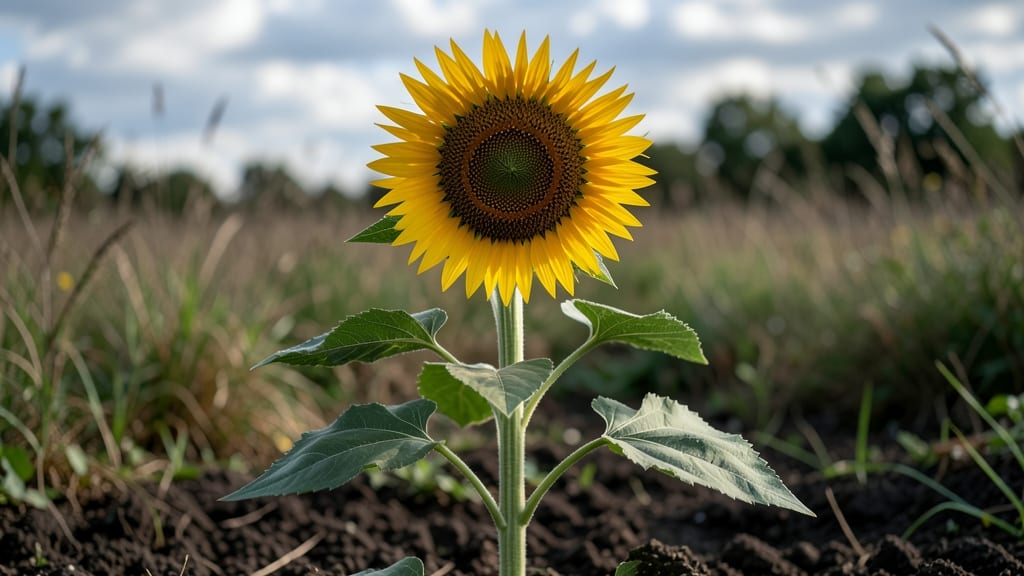
Your coastal garden could glow like a sunset all year—beach sunflowers (Helianthus debilis) are the secret weapon for golden-hour drama. 🌅 These drought-loving, sandy-soil thrivers don’t just survive the seaside breeze; they turn your yard into a living postcard at dusk, their petals catching the last light like nature’s own spotlight.
The magic happens with strategic pruning—cutting back spent blooms in early fall keeps them flowering until frost, while winter pruning shapes them for spring’s bold comeback. Pair them with salt-tolerant grasses like sea oats or lavender for contrast, and you’ve got a low-maintenance, high-impact beachside palette that never fades.
Imagine this: your front yard aglow in peachy-orange hues as the sun dips low, the air salty and warm, while your sunflowers stand tall and unshaken by coastal winds. They thrive in poor soil, need almost no water, and even attract pollinators when others have given up for the season.
Whether you’re going for a wild, natural dune look or a structured cottage garden, beach sunflowers adapt—just give them space to sway and soak up that golden light. Let’s make your sunset the envy of the neighborhood.
📚 In This Guide
- What you need
- Instructions
- Tips and common mistakes
- Wrapping up and next steps
What you need
- ● Pruning shears – Sharp, bypass-style shears (for clean cuts without crushing stems). 1 pair (or a small hand saw for thicker stems).
- ● Gloves – Heavy-duty gardening gloves (to protect from thorns and sap). 1 pair.
- ● Disinfectant (rubbing alcohol or bleach solution) – 70% isopropyl alcohol or 1 part bleach to 9 parts water (to sterilize tools between cuts). Small spray bottle or wipe.
- ○ Pruning sealant (optional but helpful) – Tree wound paint or beeswax-based sealant (to prevent disease in larger cuts). Small jar.
- ● Garden twine or plant ties – For supporting stems if needed. 1 roll.
- ● Watering can or hose – With a gentle spray nozzle (to hydrate plants post-pruning). 1 unit.
- ● Compost or mulch – For replenishing nutrients after pruning. 5–10 gallons.
- ● Loppers – For thicker stems (if your sunflower grows unusually robust).
- ● Plant growth regulator – Like hydrogen peroxide (3%) (to speed up healing of cuts).
- ● Sunflower-specific fertilizer – Low-nitrogen, high-phosphorus (to encourage blooming).
- ● Notebook & pen – To track pruning dates and plant responses!
How to prune beach sunflowers for continuous blooms
Keep your beach sunflowers flowering all season with this simple pruning system.
✂️ Step 1: Identify and Remove Spent Blooms
Start by examining each stem for fully opened flowers that have begun to brown or droop. These are your spent blooms—they’ve given their best color and now sap energy from the plant. Use clean, sharp pruners to cut the stem just above the next set of healthy leaves or side buds.
Here's the thing—you'll want to work in the morning when stems are firm. This prevents tearing and makes the cuts cleaner. I always sterilize my pruners with rubbing alcohol between cuts to prevent disease spread. You'll notice new side buds forming within 7-10 days of removing spent blooms.
🌿 Step 2: Thin Overcrowded Stems for Better Airflow
Beach sunflowers naturally produce multiple stems from the base. When stems grow too close together, they compete for sunlight and nutrients, leading to weaker blooms. Select the 3-4 strongest stems per plant—these will have thick, upright growth and vibrant green leaves.
Gently grasp each weaker stem at its base and twist it cleanly. Avoid cutting stems at the base as this can damage the main root system. You'll see a noticeable improvement in bloom size and color intensity within 2-3 weeks of thinning. Real talk: this step prevents leggy growth and keeps your plants bushier.
☀️ Step 3: Encourage New Growth with Strategic Cuts
After removing spent blooms and thinning stems, look for sections of the plant where growth appears sparse. Make a clean cut just above a set of leaves that are at least 3-4 inches apart from other leaf nodes. This signals the plant to redirect energy to new shoots.
I like to make these cuts on cloudy days when the plant is less stressed. You'll want to avoid cutting into woody stems—focus on softer, green growth. Within 10-14 days, you'll see fresh shoots emerging from these cut points, each capable of producing new blooms.
⏰ Step 4: Time Your Pruning for Seasonal Blooms
For year-round color, time your pruning cycles to match your climate. In warmer regions, prune every 4-6 weeks during the growing season. In cooler areas, reduce pruning to every 8-10 weeks when growth slows. Always prune after a flowering cycle to avoid removing potential blooms.
Here's where it gets fun—watch how your beach sunflowers respond. In my zone 9 garden, the plants reward me with three distinct bloom cycles per year by following this schedule. The key is consistency: prune at the same intervals each season, and your plants will adapt beautifully.
Tips & tricks for perfect beach sunflower pruning
Here's what nobody tells you about keeping your beach sunflowers blooming beautifully all season long.
Timing Secret: In Step 1, when removing spent blooms, focus on flowers that have fully opened and begun to brown. These are the energy vampires of your plant—they're no longer contributing to beauty but are draining resources. I've learned the hard way that leaving even one spent bloom can reduce your plant's ability to produce new ones. The 7-10 day window for new side buds to appear is your reward for timely pruning.
Pruning Technique: For Step 2, when thinning stems, use your thumb and forefinger to gently twist weaker stems at their base. This method prevents damaging the main root system while creating clean breaks. I've seen plants go from sparse, leggy growth to bushy, vibrant producers within just 2-3 weeks after proper thinning. The key is selecting the 3-4 strongest stems—these will become your plant's powerhouses for future blooms.
Strategic Cutting: In Step 3, when making strategic cuts to encourage new growth, always target areas with sparse growth and cut just above a set of leaves spaced 3-4 inches apart. This spacing is crucial—it gives new shoots room to develop without crowding. I've found that making these cuts on cloudy days reduces plant stress, and you'll see fresh shoots emerging within 10-14 days. Focus on softer, green growth rather than woody stems for best results.
Seasonal Adaptation: For Step 4, remember that your pruning schedule should adapt to your climate. In warmer regions, the 4-6 week cycle works beautifully, but in cooler areas, extending to 8-10 weeks prevents over-stressing your plants. The secret to year-round color is consistency—prune at the same intervals each season, and your beach sunflowers will respond with three distinct bloom cycles annually, just like my zone 9 plants do.
Pro Tips for Beach Sunflower Sunset
- Here's what nobody tells you about keeping your beach sunflowers blooming beautifully all season long.
- Timing Secret: In Step 1, when removing spent blooms, focus on flowers that have fully opened and begun to brown.
- Pruning Technique: For Step 2, when thinning stems, use your thumb and forefinger to gently twist weaker stems at their base.
Frequently asked questions
Got questions about keeping your beach sunflower vibrant year-round with strategic pruning? Here are some common ones—and their answers!
When is the best time to prune beach sunflowers for a sunset-inspired look?
Prune in early spring (just as new growth starts) or late summer (after blooming) to encourage bushier, colorful foliage. Avoid heavy pruning in winter—focus on removing dead stems. For a "sunset glow," light trimming in late summer enhances golden hues before fall.
How much should I cut back for a "sunset" effect?
Trim back 1/3 of the plant’s height (about 6–12 inches) to stimulate branching and vibrant regrowth. Use clean, sharp shears to avoid tearing. For a layered look, stagger cuts—remove some stems completely while leaving others slightly shorter for depth.
Will pruning too late in the season kill my beach sunflower?
Pruning after the first frost (fall/winter) stresses the plant, but light shaping is okay. Heavy cuts this late can stunt spring growth. If you must prune late, focus on dead or damaged stems—never more than 20% of the plant. Mulch afterward to protect roots.
Can I prune beach sunflowers in coastal areas without harming them?
Yes! Coastal plants like beach sunflowers are resilient, but avoid pruning during salt spray (it can dry out cuts). Rinse the plant with fresh water post-pruning if exposed to salt air. Use sterilized tools to prevent fungal issues common in humid coastal climates.
What if my sunflower’s leaves turn brown after pruning?
Brown leaves usually mean stress from over-pruning or poor recovery. Lightly water the base (not the foliage) and apply a balanced fertilizer (10-10-10) to boost regrowth. If only tips brown, it’s likely natural aging—trim those stems at the base to redirect energy.
Wrapping up and next steps
There you have it—your beach sunflower can bloom vibrantly year-round with the right pruning techniques! By understanding seasonal needs, tools, and safety, you’ve got all the keys to keeping those golden petals shining, even as the sun sets. 🌅
Ready to put your new skills to work? Start with a quick check of your plants this week—snip, shape, and watch your garden transform! Share your sunflower success with fellow gardeners, and don’t forget to tag us in your sunset shots. Happy pruning! 🌼✨