
Pests
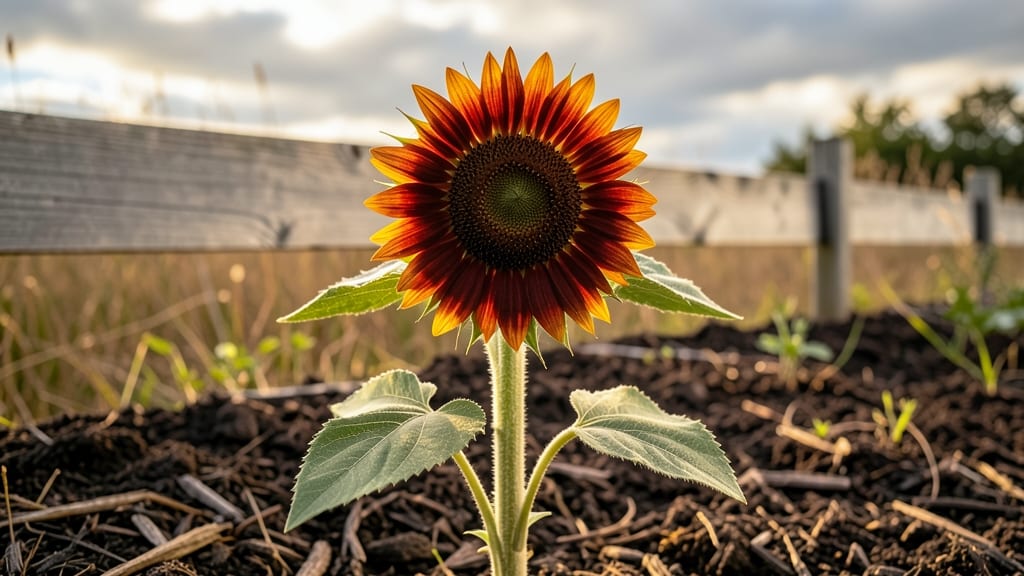
The blood orange sunflower turns your garden into a sunset you can touch. 🌻 Its deep terracotta petals glow like fire at dawn, drawing hummingbirds and bees while adding a dramatic pop to any space. I planted mine last spring, and neighbors now ask where I bought them—they’re that striking.
This sunflower thrives in full sun and well-drained soil, reaching heights of 4-5 feet with bold, citrus-scented blooms that last from midsummer through fall. Pair it with purple coneflowers or silver foliage plants to make the color contrast even more dramatic. Containers work too—just use a large pot for stability.
You’ll get more than just looks: the flowers attract pollinators all season, and the seeds feed birds through winter. The scent alone—like a cross between orange peel and honey—makes cutting one feel like a small luxury. Place it at garden entrances or along pathways for instant impact.
Works in cottage gardens, modern landscapes, or even as a standalone statement plant. The key is giving it room to shine—literally. Let’s make your garden the talk of the neighborhood with this sunflower showstopper.
📚 In This Guide
- What you need
- Instructions
- Tips and common mistakes
- Wrapping up and next steps
What you need
- ● Blood orange sunflower seeds – 5–10 seeds (or 1–2 plants if buying seedlings). Look for Helianthus annuus varieties with orange-red blooms.
- ○ Pollinator-friendly companion plants (optional but recommended): Marigolds (3–5 plants)
- ● Basil (2–3 plants)
- ● Dill or fennel (1–2 plants)
- ● Garden plot or large containers (minimum 12" deep, 18" diameter for each plant).
- ● Well-draining potting mix (or garden soil amended with compost).
- ○ Organic pest deterrents (optional but helpful): Neem oil spray
- ● Diatomaceous earth
- ● Row covers (for early planting)
- ● Watering can or hose with gentle spray nozzle (sunflowers hate soggy roots!).
- ● Gloves & knee pads (for comfort during planting).
- ● Sunlight: Full sun (6+ hours daily).
- ● Climate: Plant after the last frost (when soil is at least 55°F/13°C).
- ● Space: Allow 12–18" between plants for airflow (reduces fungal risks).
Step-by-Step guide to growing blood orange sunflowers
Here's how to cultivate these vibrant pollinator magnets—no fancy tools needed.
🌱 Step 1: Choose the Right Spot and Prepare the Soil
Blood orange sunflowers thrive in full sun—pick a location that gets at least 6-8 hours of direct sunlight daily. I always check the sunniest part of my yard first, as these beauties won’t tolerate shade. The soil should drain well; if yours is heavy clay, mix in 2-3 inches of compost to loosen it up.
Work the compost into the top 6-8 inches of soil. Blood orange sunflowers love fertile ground, so amending the soil beforehand ensures strong stems and vibrant blooms. Avoid fresh manure—it can burn tender roots. Once the soil feels light and crumbly, you're ready to plant.
🌱 Step 2: Plant Seeds at the Right Depth and Spacing
Sow seeds ½ inch deep—about the width of a pencil. I like to space them 12-18 inches apart in rows that are 2-3 feet apart for better airflow. This prevents fungal issues and gives roots room to spread. If you're planting multiple varieties, keep them separated to avoid cross-pollination.
Water gently after planting to settle the soil around the seeds. A light misting with a watering can keeps them in place without washing them away. Keep the soil consistently moist but not soggy until germination, which usually takes 7-14 days depending on your climate.
☀️ Step 3: Provide Consistent Care for Strong Growth
Once seedlings emerge, thin them to the strongest 6-8 inches tall plant per spot. This might sound harsh, but crowded seedlings compete for nutrients and light, leading to weak stems. Water at the base 1-2 inches deep every 2-3 days during dry spells, ensuring the soil stays evenly moist but not waterlogged.
Fertilize lightly when seedlings reach 4-6 inches tall with a balanced 10-10-10 fertilizer. Too much nitrogen early on will make stems floppy. I use about 1 tablespoon per plant mixed into the soil. Watch for yellowing leaves—this usually means it’s time for another feeding or that the soil is too wet.
⏰ Step 4: Support and Protect for Blooming Success
As the plants grow taller, they’ll need support. Install sturdy stakes or cages when the stems reach 3 feet tall to prevent them from toppling in wind or rain. Blood orange sunflowers can grow 5-6 feet tall, so choose supports that can handle their weight.
Deadhead spent blooms by snipping off the faded flowers with clean scissors. This encourages more blooms and keeps the plant looking tidy. If you notice aphids or other pests, spray with a soapy water solution (1 tablespoon mild soap per gallon of water) to keep them in check without harsh chemicals.
✂️ Step 5: Harvest and Enjoy the Citrus-Perfumed Blooms
Harvest the vibrant orange petals when fully open for their citrusy scent. Pick them in the morning when the dew has dried but before the heat of the day. Use clean scissors to cut the entire flower head, then strip the petals gently by hand.
Dried petals make beautiful potpourri or can be infused in oils for a fragrant touch. Leave a few blooms on the plant to attract pollinators like bees and butterflies—these sunflowers are a magnet for wildlife. With proper care, they’ll keep blooming until frost, giving you a long season of color and fragrance.
Tips & tricks for perfect blood orange sunflowers
These simple strategies will help you grow showstopping sunflowers that attract pollinators and add vibrant color to your garden.
Sunlight Strategy: The 6-8 hours of daily sunlight in Step 1 is non-negotiable for those signature blood orange blooms. I've found that morning sun (6am-12pm) is especially important—it helps develop the rich citrus tones. If your garden has afternoon shade, position your sunflowers to catch the morning rays first.
Soil Prep Secret: When amending your soil with 2-3 inches of compost in Step 1, I like to add a handful of perlite to improve drainage. This prevents waterlogging that can cause root rot, especially in heavy clay soils. Mix it right into that top 6-8 inches where the roots will grow.
Germination Hack: For the 7-14 day germination period in Step 2, I've discovered that covering seeds with a thin layer of vermiculite helps retain moisture while still allowing airflow. This keeps the soil consistently moist without turning it soggy—just sprinkle it over the planted seeds after watering.
Watering Wisdom: Those 1-2 inches of water every 2-3 days in Step 3 work best when applied directly at the base of the plant. I use a watering wand with a gentle spray setting to avoid disturbing the soil around the stems. Watering in the morning gives the foliage time to dry before evening, reducing fungal risks.
Pro Tips for Blood Orange Sunflower
- These simple strategies will help you grow showstopping sunflowers that attract pollinators and add vibrant color to ...
- Sunlight Strategy: The 6-8 hours of daily sunlight in Step 1 is non-negotiable for those signature blood orange bloom...
- Soil Prep Secret: When amending your soil with 2-3 inches of compost in Step 1, I like to add a handful of perlite to...
Frequently asked questions
What’s the best time to plant blood orange sunflowers?
Plant seeds after the last frost when soil temps hit 50–60°F (10–15°C). For most U.S. zones, this means mid-April to early June. If you’re in a warm climate (zones 8–10), start in late winter for early blooms. Pro tip: Use a soil thermometer to confirm readiness!
Why aren’t my sunflowers attracting pollinators?
Blood orange sunflowers should draw bees, butterflies, and hummingbirds—but if they’re ignored, check these fixes:
- Timing: Plant when native pollinators are active (spring/summer).
- Location: Place in sunny, open areas (avoid windy spots).
- Water: Keep soil consistently moist (not soggy) for nectar production.
- Pesticides: Skip them! Even "organic" sprays can repel pollinators.
How do I prevent sunflowers from wilting in heat?
These sun-lovers thrive in full sun (6+ hours/day), but extreme heat can stress them. Try these tricks:
- Mulch: Apply 2–3 inches of straw or wood chips to retain moisture.
- Deep watering: Soak roots early in the morning (1–1.5 inches per week).
- Shade cloth: Use 30% shade fabric during heatwaves (100–110°F/38–43°C).
- Deadhead: Remove faded blooms to redirect energy to roots.
Can I eat blood orange sunflower petals?
Yes! Their bright orange-red petals are edible and packed with vitamin C and antioxidants. Use them in:
- Salads (torn into strips).
- Infused oils or vinegars (steep in warm oil for 1–2 weeks).
- Decorative garnishes (e.g., cocktails, desserts).
Caution: Avoid petals from sunflowers treated with pesticides. Always rinse thoroughly!
What pests target blood orange sunflowers?
Common culprits include:
- Aphids: Cluster on buds/stems. Blast off with water or use neem oil.
- Sunflower moths: Lay eggs in flower heads. Remove damaged buds early.
- Squirrels: Love the seeds! Use chicken wire cages or plant in hard-to-reach spots.
- Powdery mildew: White dust on leaves? Improve airflow and spray with baking soda mix (1 tsp + 1 quart water).
Wrapping up and next steps
Growing a blood orange sunflower isn’t just about adding vibrant color to your garden—it’s a celebration of nature’s resilience and beauty! 🌻 These striking blooms attract pollinators, deter pests, and bring a unique twist to your outdoor space.
Whether you’re a seasoned gardener or just starting out, this duo of citrus and sunflower is a rewarding project that pays off in bold visuals and ecological benefits.
Ready to take the next step? Start small—plant a few seeds this season and watch your garden transform! Share your progress with fellow plant enthusiasts or explore more ways to blend citrus and pollinator-friendly plants for an even more dynamic landscape. Happy gardening! 🌱