
Flowers
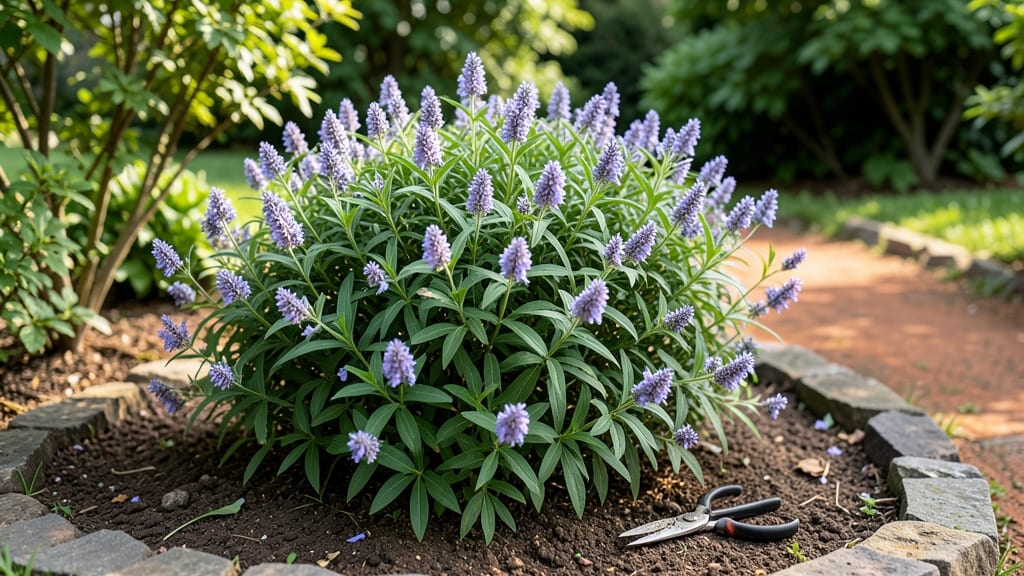
Growing blue beard flower means adding bold purple spires that hum with bees and butterflies—even in spots where sun is scarce. 🌿 I’ve watched this plant transform shady corners into vibrant focal points, and it’s easier than you’d think to coax those striking blooms into your garden.
The secret lies in its adaptability: well-draining soil, partial shade (3-6 hours of sunlight), and occasional pruning to keep it bushy. Unlike fussy flowers, blue beard thrives on neglect—just don’t let it dry out completely, and it rewards you with late-summer blooms that last until frost.
My first batch exploded with color after I stopped fussing over it.
You’ll end up with a pollinator magnet that pairs beautifully with ornamental grasses or silver foliage. The deep purple flowers contrast stunningly against green leaves, and the plant’s airy growth habit makes it perfect for borders or containers. Once established, it’s drought-tolerant and hardy down to zone 5.
Whether you’re filling a shady bed or adding height to a mixed border, this plant delivers drama with minimal effort. Let’s get those purple spikes growing in your garden this season!
📚 In This Guide
- What you need
- Instructions
- Tips and common mistakes
- Wrapping up and next steps
What you need
- ● Blue Beard Flower Plants: 1–3 nursery-grown plants (6–12 inches tall, in 4-inch pots). Choose healthy specimens with no signs of pests or disease.
- ● Well-draining Soil: 5–10 gallons of loamy soil mixed with compost (ratio: 70% soil, 30% compost). Aim for a pH of 6.0–7.5.
- ○ Optional: Add perlite or sand (1 part perlite to 4 parts soil) for improved drainage if your native soil is heavy clay.
- ● Fertilizer: 1 cup of balanced, slow-release fertilizer (10-10-10 or 20-20-20). Apply once at planting and again in early spring.
- ○ Optional: Organic options like fish emulsion or worm castings for eco-friendly growth.
- ● Gardening Gloves (1 pair) – Protect your hands from thorns and rough soil.
- ● Trowel or Hand Shovel – For digging planting holes (6–8 inches deep).
- ● Garden Fork – Helps loosen compacted soil before planting.
- ● Watering Can or Hose with Adjustable Nozzle – For gentle, deep watering.
- ○ Mulch (Optional but Recommended): 2–3 inches of wood chips, straw, or shredded bark to retain moisture and suppress weeds.
- ● Pruning Shears – For shaping and maintaining plants after blooming.
- ● Sunlight: Partial shade to full sun (3–6 hours of direct sunlight daily). Tolerates morning sun + afternoon shade in hot climates.
- ● Water: Moderate watering (1–1.5 inches per week). Drought-tolerant once established—avoid soggy soil!
- ● Hardiness Zone: USDA Zones 5–9. Thrives in temperate climates but may need winter protection in Zone 5.
- ● Spacing: Plant 2–3 feet apart to allow airflow and prevent overcrowding.
How to grow blue beard flower with confidence
Here's how I grow these striking purple spires every season—minimal fuss, maximum drama.
🌱 Step 1: Choose the Perfect Planting Spot
Blue beard flower (Caryopteris) thrives in partial shade—think 4-6 hours of morning sun with afternoon shade protection. I always plant mine where they'll get dappled light, like under a high tree canopy or near a north-facing wall. The key is avoiding hot afternoon sun, which can scorch the delicate foliage.
Test your spot by checking the soil: it should drain well but hold moisture. If your soil stays soggy, amend with 2-3 inches of compost mixed into the top 12 inches of soil. Blue beard flower hates wet feet—root rot will kill it faster than anything else. Amend with coarse sand or perlite if drainage is poor.
🪴 Step 2: Plant at the Right Time and Depth
Spring is ideal—plant after your last frost date when soil warms to at least 55°F. Dig a hole twice as wide as the root ball but no deeper. The top of the root ball should sit flush with the soil surface—burying too deep suffocates the plant.
Gently loosen the roots if they're circling (a common nursery habit) and spread them out in the hole. Backfill with native soil, tamp lightly, and water deeply. You'll see new growth in 2-3 weeks—that's your signal everything's settled in. Mulch with 2-3 inches of shredded bark to keep roots cool and retain moisture.
☀️ Step 3: Water and Feed for Vibrant Growth
Water deeply once a week—soak the soil until water runs out the bottom of the hole. Blue beard flower is drought-tolerant once established, but young plants need consistent moisture. Check by sticking your finger 2 inches deep: if it feels dry, water again.
Fertilize lightly in spring with a balanced 10-10-10 formula (follow package rates). Too much nitrogen makes foliage lush but flowers sparse. I skip summer feeding—these plants reward restraint with bold purple blooms from mid-summer to frost. Deadhead spent flowers to encourage more blooms, but don't obsess—this plant is forgiving.
✂️ Step 4: Prune for Shape and Next Year's Blooms
After flowering, cut back one-third of the plant to the first set of strong leaves. This isn't brutal pruning—just a light trim to tidy up and encourage new growth. The plant will send up fresh shoots from the base, giving you a second flush of flowers in late summer.
In late winter or early spring, prune again to remove dead or crossing branches. Use clean, sharp shears to make cuts at a 45-degree angle just above a leaf node. This ensures the plant regrows quickly and stays compact. Never prune into old wood—you'll sacrifice next year's blooms.
⏰ Step 5: Overwinter for Repeat Performance
Blue beard flower is hardy in zones 5-9, but young plants need winter protection. Once established (after 2-3 years), they handle cold well. In colder zones, mound 4-6 inches of mulch around the base in late fall to insulate roots.
Prune lightly in late winter if branches look leggy. The plant will bounce back with fresh growth by spring. I've seen mine come back year after year with fewer flowers only if I skip pruning—so don't skip this step! With proper care, you'll get bold purple spires for decades with minimal effort.
Tips & tricks for perfect blue beard flower growth
These simple strategies will help your Caryopteris thrive with minimal effort and maximum impact.
Lighting Strategy: If your spot gets more than 6 hours of morning sun, move it to a location with afternoon shade—especially if your climate has hot afternoons. I've seen blue beard flower leaves burn when exposed to intense afternoon rays, even in partial shade areas. A sheer curtain or nearby tree can make all the difference. The goal is bright morning light that fuels growth without scorching.
Soil Test Tip: Before amending your soil, do a quick test: dig a hole, fill it with water, and see how long it takes to drain. If water remains after 30 minutes, you definitely need to add sand or perlite. I keep a small bag of coarse sand on hand specifically for this purpose—it's worth the small investment to prevent root rot. The right soil consistency makes all the difference for these drought-tolerant plants.
Planting Depth Secret: When planting, use a level as your guide to ensure the top of the root ball sits perfectly flush with the soil surface. I've learned this the hard way—burying too deep suffocates the plant while planting too shallow exposes roots. The 2-3 inch mulch layer you add afterward helps maintain this perfect position while protecting roots from temperature swings.
Watering Wisdom: The "finger test" for watering is your best friend. Stick your finger 2 inches deep—if it feels dry, water deeply until it runs out the bottom. I've found that using a watering wand with a gentle spray setting helps distribute water evenly without disturbing the soil surface. This plant's drought tolerance kicks in after the first year, but young plants need consistent moisture to establish strong roots.
Pro Tips for Blue Beard Flower
- These simple strategies will help your Caryopteris thrive with minimal effort and maximum impact.
- Lighting Strategy: If your spot gets more than 6 hours of morning sun, move it to a location with afternoon shade—especially if your climate has hot afternoons.
- Soil Test Tip: Before amending your soil, do a quick test: dig a hole, fill it with water, and see how long it takes to drain.
Frequently asked questions
Got questions about growing Caryopteris × clandonensis, aka blue beard flower? Here are some of the most common ones—and their answers!
Is blue beard flower easy to grow for beginners?
This hardy perennial is low-maintenance and drought-tolerant once established. It thrives in USDA Zones 5-9 and handles poor soil better than many flowers. Just plant it in well-draining soil with partial shade, and it’ll reward you with vibrant blooms for years. Pro tip: Prune back stems in early spring to encourage bushier growth!
How long does it take for blue beard flower to bloom?
Patience pays off! If planted from seeds, expect blooms in 1-2 years. Container-grown plants (like those from nurseries) often flower the first year after planting. Late summer to early fall is peak bloom time, but deadheading spent flowers can extend the season. Pro tip: Wait until after the first frost to prune—new growth won’t harden off in time!
Can blue beard flower grow in full shade?
While it tolerates partial shade (3-6 hours of sun)**, full shade can limit blooms and stunt growth. Aim for morning sun + afternoon shade in hot climates or dappled light under trees. If your yard is shady, pair it with shade-loving companions like heuchera or astilbe for a stunning combo. Pro tip: Test your spot—if leaves yellow, it’s likely too dark!
Are blue beard flowers deer- or rabbit-resistant?
Good news! Deer and rabbits typically avoid this plant due to its fuzzy foliage and milder taste. However, hungry critters in winter might nibble young shoots. For extra protection, apply a physical barrier (like chicken wire) or use organic repellents. Pro tip: Plant near deer-resistant perennials like lamium or salvia to create a "no-go zone."
What do I do if my blue beard flower isn’t blooming?
No flowers? Check these fixes:
- Sunlight: Ensure it gets at least 3 hours of sun daily.
- Fertilizer: Feed with a low-nitrogen, high-phosphorus fertilizer in early spring.
- Pruning: Cut back 1/3 of the plant in early spring to encourage new growth.
- Aging plant: Older plants may bloom less—rejuvenate by dividing clumps every 3-4 years.
Wrapping up and next steps
The blue beard flower (Caryopteris × clandonensis) brings a bold, vibrant touch to gardens with its striking purple spires and effortless charm. Whether you’re a seasoned gardener or just starting, its adaptability to partial shade and low-maintenance care makes it a winner—plus, it’s a magnet for pollinators! 🐝
Ready to transform your space? Grab your seeds or cuttings, pick a sunny (or partially shaded) spot, and let nature do the rest. Happy planting—your garden’s new star is waiting! 🌸