
Succulent
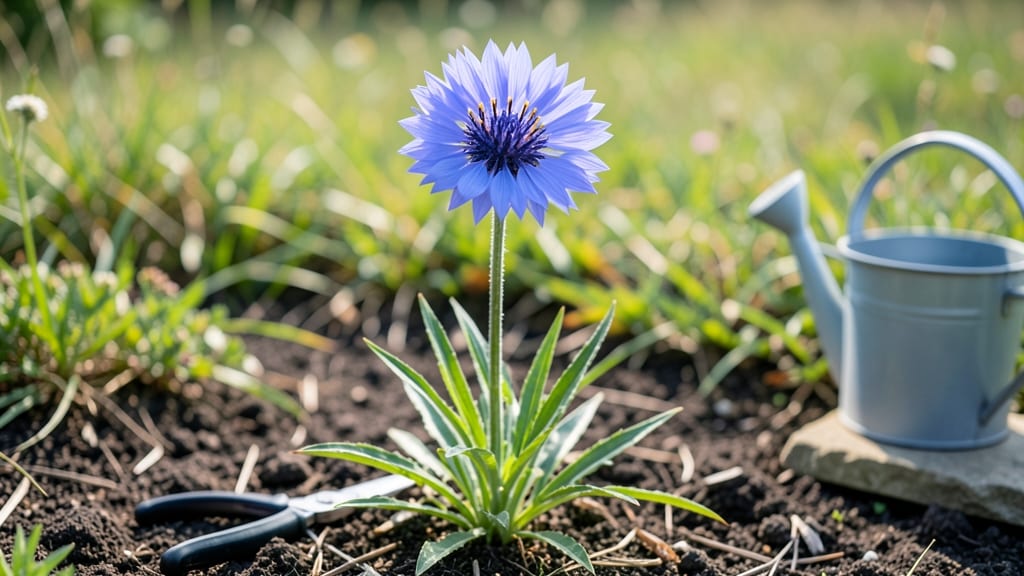
These blue cornflowers images I’ve saved always remind me of that first cottage garden—where sky-blue magic swayed in the breeze, each petal catching sunlight like scattered jewels. 🌿 their delicate stems nodding in the breeze, and I knew they’d become my signature plant.
They’re not just pretty; they’re tough, thriving in poor soil and full sun where other flowers give up.
These cheerful blooms work everywhere: lining garden paths, filling wildflower meadows, or spilling over cottage-style trellises. Pair them with lavender for a dreamy purple-blue palette or mix them with poppies for a bold, romantic contrast.
They self-seed like crazy, so once planted, they’ll keep coming back year after year with almost no effort.
What you’ll love most is how they brighten up even the dullest corner. Their airy, feathery foliage stays lush all season, and the flowers attract bees and butterflies like a magnet.
By late summer, you’ll have a sea of blue that makes your neighbors do a double-take—and that’s just the beginning.
Perfect for small spaces, large borders, or even container gardens. Whether you’re going for rustic charm or a polished cottage look, these blooms deliver effortless beauty with minimal fuss. Let’s get them growing in your garden next!
📚 In This Guide
- What you need
- Instructions
- Tips and common mistakes
- Wrapping up and next steps
What you need
- ● Blue cornflower seeds (Centaurea cyanus) – 1 packet (50-100 seeds) for a small garden or 3-5 packets for larger displays.
- ● Well-draining potting mix – 1-2 bags (10-20 quarts) of a blend designed for succulents or annuals.
- ● Planting containers or garden bed – Small pots (4-6 inches deep) for seedlings – 6-12 units.
- ● Larger containers (12+ inches) or garden beds for mature plants – 1-2 units.
- ● Gravel or perlite – 1 small bag (for drainage, if planting in containers).
- ● Watering can or spray bottle – 1 unit (with a fine mist setting for seedlings).
- ● Fertilizer (balanced, 10-10-10 or slow-release granules) – 1 small bag or liquid concentrate.
- ○ Gloves (optional but recommended) – 1 pair (to protect hands from soil and thorns).
- ● Trowel or small shovel – 1 unit (for transplanting seedlings).
- ● Pruning shears – 1 pair (for deadheading spent blooms).
- ● Sunlight access – A spot with full sun (6+ hours daily) or partial shade (for hot climates).
- ● Patience! 😉 – Blue cornflowers germinate in 7-14 days and bloom in 6-8 weeks.
- ● Decorative stones or mulch – To enhance garden aesthetics.
- ● Dried flower preservative – If you plan to harvest blooms for arrangements.
- ● Companion plants – Try pairing with marigolds or lavender for a pop of color!
- ● Camera or phone with good lighting – To capture those #BlueCornflowerImages for social media! 📸
How to grow stunning blue cornflower blooms in your garden
Here's how to coax those iconic blue blooms from seed to full glory.
🌱 Step 1: Choose the Perfect Planting Time and Location
Cornflowers thrive in full sun—at least 6 hours daily—so pick a spot where they'll get morning light and afternoon sun. I always plant mine after the last frost when soil temperatures reach 60°F or warmer. This ensures strong germination and prevents leggy seedlings.
Here's the thing—cornflowers are tough but not fussy. They'll grow in average garden soil, but they reward you best when you add a little compost before planting. I mix in about 2 inches of compost into the top 6 inches of soil to give them a nutrient boost without overfeeding.
🌱 Step 2: Sow Seeds Directly in the Garden
Scatter seeds ¼ inch deep and 12 inches apart—they don't transplant well, so sowing directly saves stress. I like to plant them in rows 18 inches apart for easy maintenance. Lightly cover with soil and pat down gently, but don't compact it too much.
Water gently right after planting to settle the soil around the seeds. You'll see tiny sprouts in 7-14 days, depending on your climate. Once they emerge, keep the soil evenly moist but not soggy—cornflowers hate wet feet. I water them in the morning so any excess moisture evaporates by evening.
☀️ Step 3: Provide Consistent Care for Healthy Growth
Cornflowers are drought-tolerant once established, but young plants need steady moisture. Water once a week if rainfall is light, or whenever the top 1-2 inches of soil feel dry. Too much water causes the stems to weaken, and too little makes the blooms small and sparse.
I never fertilize cornflowers—they're not heavy feeders. In fact, too much nitrogen will make them grow lush foliage but few flowers. Instead, I side-dress with a light layer of compost in early spring to encourage blooming. Watch for pests like aphids, but they rarely bother cornflowers unless your garden is already struggling.
✂️ Step 4: Deadhead and Maintain for Continuous Blooms
Here's the moment that matters: deadheading spent blooms keeps your cornflowers flowering all season. I snip off faded flowers with clean shears, cutting just above the next set of buds. This encourages the plant to produce more blooms instead of going to seed.
Cornflowers self-seed easily, so if you want them back next year, leave some seed heads on the plants. But if you prefer fresh starts, I pull up the old plants in fall and compost them. The seeds will still scatter and sprout on their own—nature's way of ensuring you always have cornflowers!
🌿 Step 5: Enjoy the Blooms and Plan for Next Season
Your cornflowers will burst into color in 6-8 weeks after planting, with blooms lasting 4-6 weeks if deadheaded regularly. They make stunning cut flowers—just snip stems early in the morning when the blooms are fresh. Place them in water immediately to extend their vase life.
Real talk: if you love the look of cornflowers, they're perfect for wildflower meadows, cottage gardens, or even as a border plant. I always save a few seeds from my best blooms to replant next year—they're free, easy, and guarantee those signature blue flowers you'll love every season.
Tips & tricks for growing vibrant blue cornflowers
These simple strategies will help you cultivate cornflowers that pop with that signature blue brilliance every season.
Sunlight Strategy: While cornflowers tolerate partial shade, they truly shine in full sun—those 6 hours daily make all the difference. I've found that planting near the house's south side gives them the morning sun they crave without the harsh afternoon heat. If your garden gets intense afternoon sun, consider using a light shade cloth during peak hours to prevent stress on young plants.
Soil Preparation Insight: The 2 inches of compost mixed into the top 6 inches of soil isn't just about nutrients—it's about creating the perfect loose, well-draining environment these flowers love. I like to add a handful of coarse sand to heavier clay soils to improve drainage, which prevents those dreaded soggy stems that lead to weak growth. Think of it as giving your cornflowers a fluffy bed to stretch out in.
Watering Wisdom: That evenly moist but not soggy rule is crucial during the 7-14 day germination period. I've learned the hard way that letting the soil dry out completely during this time can delay sprouting by weeks. Try using a spray bottle for gentle watering after planting—it helps settle the seeds without disturbing them. And remember, morning watering prevents fungal issues by giving leaves time to dry before nightfall.
Deadheading Technique: When you're ready to deadhead those spent blooms in Step 4, here's what I do: I use clean pruning shears and make a clean cut just above the next set of buds. This encourages the plant to focus its energy on producing more flowers rather than setting seed. I also like to leave a few seed heads on the plant if I want next year's crop to be free—nature's way of ensuring you'll always have these stunning blue blooms!
Pro Tips for Blue Cornflowers Images
- These simple strategies will help you cultivate cornflowers that pop with that signature blue brilliance every season.
- Sunlight Strategy: While cornflowers tolerate partial shade, they truly shine in full sun—those 6 hours daily make all the difference.
- Soil Preparation Insight: The 2 inches of compost mixed into the top 6 inches of soil isn't just about nutrients—it's about creating the perfect loose, well-draining environment these flowers love.
Frequently asked questions
Got questions about those stunning blue cornflowers? You’re not alone! Here are some of the most common queries—plus quick answers to help you make the most of these eye-catching blooms.
What’s the difference between blue cornflowers and regular cornflowers?
While regular cornflowers (like the classic Centaurea cyanus) are usually sky-blue, blue cornflowers often refer to Centaurea montana—a taller, showier perennial with deeper, richer blue hues. They’re hardier, bloom later, and often last longer in arrangements. Think of them as the "fancy cousin" of the classic!
When is the best time to plant blue cornflowers?
For outdoor planting, aim for early spring (after the last frost) or early fall in cooler climates. If starting from seeds indoors, sow them 8–10 weeks before the last frost. Pro tip: They thrive in well-draining soil and full sun—just mimic their wildflower meadow vibes!
How often should I water blue cornflowers?
These drought-tolerant beauties hate soggy roots, so water them only when the top inch of soil is dry—about once a week in most climates (less in winter). Overwatering is the #1 killer! Once established, they’ll bounce back like a resilient little warrior.
Can I use dried blue cornflowers in arrangements?
Their vibrant blue holds up beautifully when dried. Harvest stems when half the blooms are open, hang them upside down in a dark, dry spot for 2–3 weeks, then fluff the dried flowers for a rustic, long-lasting centerpiece. Bonus: They pair perfectly with dried lavender or eucalyptus!
Why aren’t my blue cornflowers blooming?
No blooms? Don’t panic! Common culprits include:
- Too much shade – They need 6+ hours of sun daily.
- Over-fertilizing – Too many nutrients = leafy greens, no flowers!
- Crowded roots – Thin out plants if they’re competing for space.
- Old plants – Perennials may need a pruning cutback in early spring.
Wrapping up and next steps
From their striking vibrant blue hues to their effortless charm, blue cornflowers are nature’s way of adding a pop of color to any space. Whether you’re drawn to their whimsical beauty or their low-maintenance appeal, these blooms prove that simple can be spectacular. 🌸
Ready to bring a touch of mid-summer magic to your garden or home? Start by exploring high-quality images for inspiration, then gather your supplies and dive into growing—or gifting—these cheerful flowers. Your space (and your Instagram feed) will thank you!