
Propagation
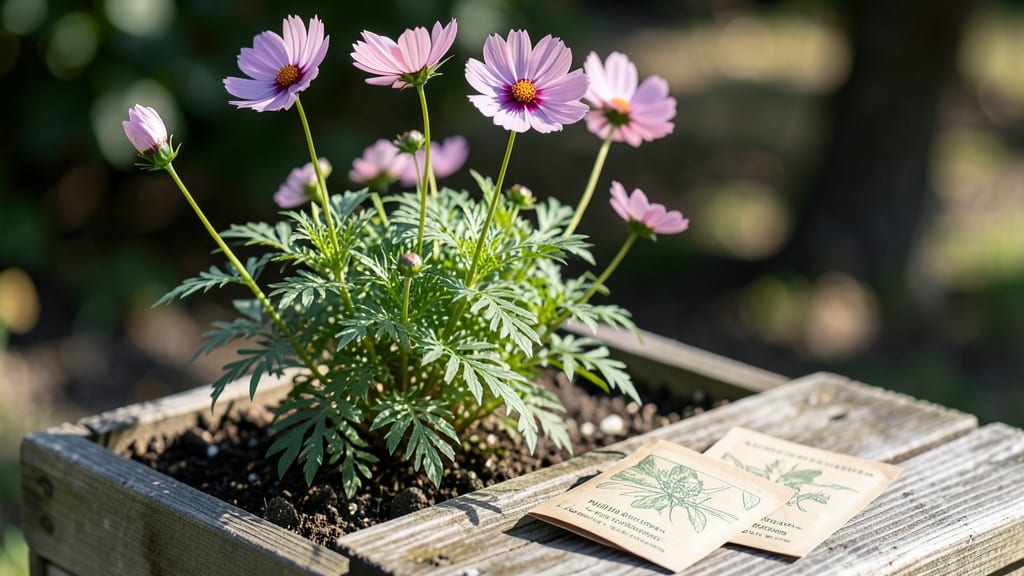
Can you just throw wildflower seeds on the ground and call it a day? ✨ I’ve scattered them in neglected corners of my yard, and within weeks, bees and butterflies transform those spots into buzzing, blooming hotspots.
The trick isn’t just tossing seeds randomly; it’s understanding when, where, and how to maximize their chances.
You’ll need a sunny patch (at least 6 hours of sunlight daily), minimal soil prep (just clear debris), and a light hand—wildflowers thrive without tilling. Spring or fall timing gives seeds the best start, and a simple watering routine keeps them from drying out.
Most varieties germinate within 10-30 days, depending on moisture and warmth.
What you end up with is a low-maintenance meadow that requires almost no upkeep after the first year. The flowers attract hummingbirds, bees, and beneficial insects while suppressing weeds naturally. By summer, your "lazy" patch becomes the garden’s star attraction—proof that sometimes, the simplest methods yield the most stunning results.
Works in urban lots, roadside edges, or even between sidewalk cracks. Here’s how to do it right the first time—no green thumb required.
📚 In This Guide
- What you need
- Instructions
- Tips and common mistakes
- Wrapping up and next steps
What you need
- ● Wildflower seeds: Choose native pollinator-friendly mixes (e.g., bee balm, black-eyed Susan, or clover). Aim for 1–2 lbs per 1,000 sq ft for optimal coverage.
- ● Water source: A hose, watering can, or rain barrel with a gentle spray nozzle (avoid high pressure).
- ○ Optional soil prep tools: A rake (for light scratching, if desired—no-till works too!).
- ● A broadfork or stiff garden fork (to loosen compacted soil, if needed).
- ● Compost or fertilizer: A low-nitrogen option (like worm castings) to boost seedling vigor. Sprinkle lightly after planting.
- ● Mulch: Straw or hemp fiber mulch (¼–½ inch thick) to retain moisture and deter weeds.
- ● Label or marker: To note planting dates or seed varieties (e.g., eco-friendly bamboo stakes).
- ● Gloves: For comfort if handling large seed quantities or prickly plants.
- ● Sunlight tracker: A sunlight map of your area (check here) to pick the best spot.
- ● Location: A sunny spot (6+ hours of sunlight daily) with minimal foot traffic (wildflowers hate competition!).
- ● Timing: Plant in early spring or fall (avoid summer heatwaves or winter freezes).
- ● Legal check: Verify local invasive species laws—stick to native seeds to protect ecosystems!
How to plant wildflower seeds for a low-maintenance pollinator garden
Skip the digging—here's how to create a thriving wildflower meadow in minutes.
🌱 Step 1: Choose the Right Location and Seed Mix
Wildflowers thrive where they're left alone, so pick a spot with 4-6 hours of direct sun daily. Avoid areas with dense grass or heavy foot traffic—these seeds need space to establish. I like to target spots near fences, along driveways, or in sunny patches where mowing is infrequent.
Select a native wildflower seed mix designed for your region. Native varieties require less water once established and support local pollinators best. Check the packet for specific sunlight and soil requirements—some mixes tolerate partial shade, while others demand full sun. Avoid cheap blends with fillers like ryegrass, which will outcompete your wildflowers.
🌿 Step 2: Prepare the Soil Surface (Minimal Disturbance Only)
Here's the thing—wildflowers don't need tilling. Instead, lightly rake or scratch the soil surface with a hand rake to create shallow furrows about ¼ inch deep. This breaks the soil crust just enough for seeds to make contact without burying them too deeply. I often skip raking entirely in rocky or uneven areas—just pat the ground lightly to remove debris.
If you have dense grass, mow the area short first, then use a broadcast spreader to apply a pre-emergent herbicide (like corn gluten meal) two weeks before planting. This prevents grass from smothering your wildflowers. Water lightly after application to activate it. Never use chemical herbicides—they'll kill your wildflowers too.
💧 Step 3: Scatter Seeds and Lightly Cover
Spread the seeds evenly by hand or with a spreader set to the recommended rate on the packet. Walk in a grid pattern to avoid clumping. For small areas, I like to wear gloves and toss seeds one handful at a time, letting them drift naturally. Press them into the soil lightly with your hand or the back of a rake—just enough to ensure contact without burying.
Cover the seeds with a thin layer of compost or topsoil (no more than ⅛ inch deep). This protects them from birds and keeps them moist. In windy areas, I sprinkle a dusting of peat moss to help hold seeds in place. Water gently with a fine mist until the soil feels uniformly damp—like a wrung-out sponge.
☀️ Step 4: Water Consistently Until Germination
Keep the soil moist but not soggy for the first 4-6 weeks—this is critical for germination. Water 2-3 times weekly, using a soaker hose or gentle spray to avoid displacing seeds. You'll know you're doing it right when the soil stays damp 1-2 inches deep but doesn't pool on the surface. Overwatering causes seeds to rot before they sprout.
Once seedlings appear (usually within 10-21 days), reduce watering to once weekly unless your area experiences extreme heat or drought. Wildflowers develop deep roots quickly and become drought-tolerant once established. Watch for first true leaves—these are your signal to back off on watering and let nature take over.
⏰ Step 5: Maintain and Enjoy Your Pollinator Paradise
After the first year, your wildflowers will need minimal care. Remove dead foliage in late winter or early spring to make room for new growth. Avoid mowing until after the first flush of blooms (usually mid-summer), as this is when pollinators rely on them most. I like to leave seed heads standing through winter—they provide food for birds and shelter for beneficial insects.
If weeds become problematic, spot-treat with a hand-pulling tool in early spring before wildflowers emerge. Never use herbicides after planting, as they'll kill your established flowers too. Within 2-3 years, your meadow will reach full maturity, requiring only occasional watering during droughts and the occasional deadheading to encourage more blooms.
Tips & tricks for perfect wildflower meadow planting
Let me save you the guesswork—these are the little details that make all the difference between a patchy garden and a thriving pollinator paradise.
Location is Everything: That 4-6 hours of direct sun isn't just a suggestion—it's non-negotiable for most wildflower mixes. I've learned this the hard way after planting shade-tolerant varieties in full sun only to watch them struggle. Check your seed packet for specific sunlight requirements, and if you're on the fence, err on the side of more sun. The south or southwest side of your property usually gets the most consistent sunlight.
Prep Like a Pro: Skipping the rake entirely in rocky areas? Smart move. But if you're working with smooth soil, those shallow ¼-inch furrows are your secret weapon. Think of them as tiny seed beds—just enough to make contact without burying. And here's a trick I picked up from local gardeners: if you're planting in dry conditions, lightly scratch the soil before scattering seeds. This helps break the crust and lets moisture reach the seeds more easily.
Watering Wisdom: Those first 4-6 weeks are make-or-break for germination. I can't stress enough how important it is to keep the soil damp but not soggy—like a wrung-out sponge. One of my early attempts ended up with rotten seeds because I overwatered. Use a soaker hose or gentle spray to avoid displacing seeds, and always water in the morning so any excess moisture can evaporate during the day.
Long-Term Strategy: The 2-3 year timeline to full maturity might seem long, but it's worth it. I've seen gardens that looked sparse in year one explode into vibrant meadows by year three. The key is patience—don't be tempted to mow too early. Those first blooms in mid-summer are when pollinators will be most grateful for your efforts. And if weeds become an issue, spot-treating in early spring before your wildflowers emerge is the way to go.
Pro Tips for Can You Just Throw Wildflower Seeds On The Ground
- Let me save you the guesswork—these are the little details that make all the difference between a patchy garden and a...
- Location is Everything: That 4-6 hours of direct sun isn't just a suggestion—it's non-negotiable for most wildflower ...
- Prep Like a Pro: Skipping the rake entirely in rocky areas? Smart move. But if you're working with smooth soil, those...
Frequently asked questions
Got questions about tossing wildflower seeds like confetti? You’re not alone!
Here are the answers to the most common queries—so you can dive in with confidence and create a buzzing pollinator paradise in no time.
Do wildflower seeds need soil prep, or can I really just throw them?
Yes, you can toss them—but for best results, prep lightly! Rake or scratch the soil just enough to break surface crust (about ¼ inch deep). This helps seeds make contact with earth and improves germination. No-till works for tough areas, but a little prep = happier blooms. Pro tip: Skip prep in rocky or heavily trafficked spots—seeds will still sprout where they land!
When’s the perfect time to scatter seeds for instant blooms?
Timing is key! For spring blooms, scatter seeds in late summer or early fall (6–8 weeks before your first frost). If you want summer color, plant in early spring as soon as the soil is workable. Avoid extreme heat or frost—seeds need cozy, moist conditions to wake up. Check your seed packet for species-specific tips!
Will weeds take over if I just throw seeds everywhere?
Weeds might compete, but wildflowers are tough! To minimize competition:
- Choose native wildflower mixes—they’re adapted to your climate and outcompete weeds over time.
- Avoid fertilizing—wildflowers thrive in lean soil, while weeds love rich dirt.
- Mow high (3–4 inches) after blooms fade to suppress weeds naturally.
Can I use this method in my yard, a park, or even a pot?
Yard:
Ideal! Scatter seeds in sunny patches (6+ hours of light). Parks/public land: Check local rules—some allow it, but avoid protected areas. Containers: Use a deep pot (6+ inches) with well-draining soil. For pots, press seeds lightly into soil and keep moist until sprouts appear. Urban balconies? Try annual wildflowers like cosmos or zinnias—they’re fast-growing and pollinator magnets!
What if nothing grows? Troubleshooting my seedless paradise.
Don’t panic! Try these fixes:
Issue
Solution
No sprouts after 3–4 weeks
Seeds may need light to germinate—try scattering on top of soil (no covering). Or, soak seeds overnight if your mix isn’t pre-treated.
Sprouts but no flowers
Some wildflowers take 2 years to bloom! Thin seedlings to 6–12 inches apart for stronger growth.
Animals (squirrels, birds) eat seeds
Scatter seeds in multiple spots or use a light mulch (like straw) to protect them until they sprout.
Drought or dry spells
Water lightly once a day for 2 weeks after planting. After that, wildflowers are drought-tolerant!
Wrapping up and next steps
So, can you just toss wildflower seeds on the ground and call it a day? Absolutely! 🌸 With the right seeds, timing, and a little care, you’ve got a no-fuss way to turn bare soil into a buzzing pollinator paradise.
Whether you’re a busy gardener or a nature lover with limited time, this method proves that beauty—and biodiversity—can grow effortlessly.
Ready to take the next step? Pick a sunny spot, grab your seeds, and scatter them with confidence. Then, sit back and watch your garden transform into a haven for bees, butterflies, and birds. Happy planting!