
Flowers
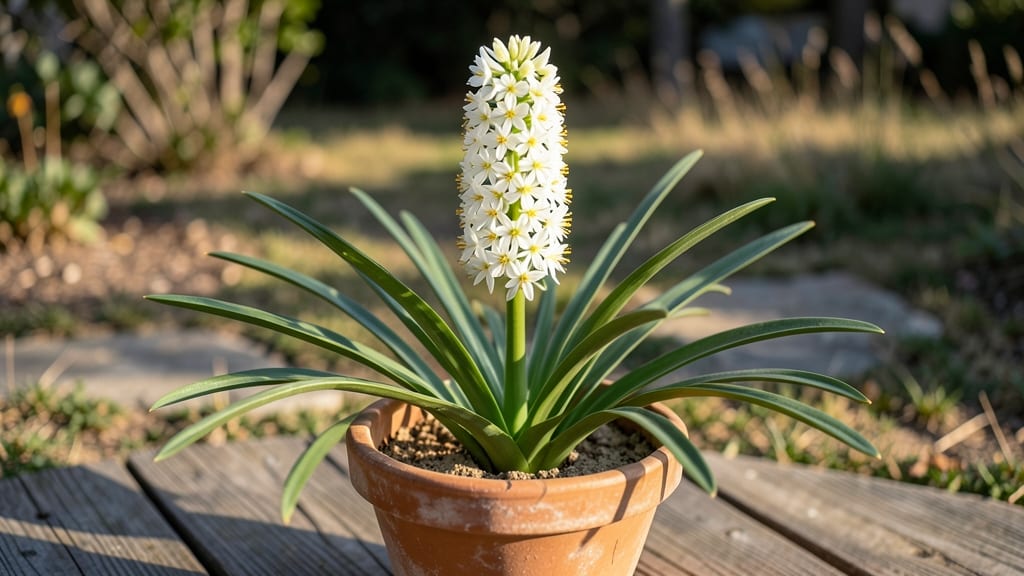
The Christmas star flower brings holiday magic indoors—its bold red bracts turning every windowsill into a festive centerpiece. 🌟 I’ve grown them for years, and the secret to keeping them vibrant isn’t just luck; it’s about mimicking their natural tropical rhythms.
Most people treat them as disposable holiday plants, but with the right care, they’ll reward you with year-round color and even rebloom next season.
You’ll need bright, indirect light (think east-facing windows or grow lights), well-draining potting mix, and a watering routine that avoids soggy soil. The real trick? Short days trigger blooming, so we’ll adjust light exposure in late summer to prime those festive bracts.
Pruning after holidays keeps them bushy, and a little fertilizer boost in spring jumpstarts new growth—no greenhouse expertise required.
By December, you’ll have a plant so lush it’ll make your neighbors jealous, with deep red bracts that last for weeks. The best part? These aren’t just pretty faces—they thrive in containers year-round, adapting to indoor spaces or even shaded patios.
Imagine that holiday cheer in July too, when everyone else’s plants are wilting.
Whether you’re a first-timer or a seasoned grower, this method works for any climate. We’ll cover troubleshooting droopy leaves, pest prevention, and even how to propagate cuttings—so your Christmas star becomes a legacy plant, not a one-season wonder.
📚 In This Guide
- What you need
- Instructions
- Tips and common mistakes
- Wrapping up and next steps
What you need
- ● Poinsettia plants: Start with 1–3 healthy Poinsettia plants (available at nurseries or garden centers in late fall/winter). Choose varieties like Premier Red or Ice Punch for vibrant colors!
- ● Containers: 1–2 drainage-friendly pots per plant (6–8 inches in diameter). Ensure they have drainage holes to prevent root rot.
- ● Potting mix: 1 bag of well-draining, peat-based or cactus/succulent mix (avoid heavy garden soil).
- ● Slow-release fertilizer: 1 packet of balanced, time-released granules (10-10-10 or similar) to nourish roots for months.
- ● Gloves & trowel: For handling soil and repotting without mess.
- ● Spray bottle: To mist leaves and maintain humidity (especially in dry indoor air).
- ○ Grow lights (optional): A full-spectrum LED bulb or small grow light for plants in low-light areas.
- ○ Decorative accents (optional): Festive ribbons, mini ornaments, or pebbles for a holiday-themed container.
- ● A sunny spot near a window (south-facing is ideal) or a grow light setup for 6+ hours of indirect light daily.
- ● Patience! Poinsettias thrive with consistent care—commit to 12+ weeks of light/dark cycle management for blooms.
Step-by-step guide for growing Christmas star flowers in containers
Here's how to cultivate these festive blooms year-round—no greenhouse needed.
🌱 Step 1: Select and Prepare Containers for Optimal Drainage
Choose containers with drainage holes—terracotta pots work best because they wick moisture away naturally. I use 6-8 inch diameter pots for each plant since Christmas star roots need room to spread without becoming waterlogged. If your containers lack holes, drill them yourself to prevent root rot.
Line the bottom with 1-2 inches of coarse gravel or perlite to improve drainage further. This layer creates air pockets that keep roots healthy, especially important for tropical plants like Christmas stars that dislike soggy conditions. Fill the remaining space with well-draining potting mix—avoid garden soil, which compacts and suffocates roots.
☀️ Step 2: Plant and Position for Bright, Indirect Light
Gently remove the Christmas star from its nursery pot and loosen the root ball if it appears root-bound. Place it in the prepared container, ensuring the top of the root ball sits ½ inch below the rim—this prevents water from spilling over during watering. Fill gaps with additional potting mix and press lightly to eliminate air pockets.
Position your containers in bright, indirect light—think east or north-facing windows, or under grow lights 12-18 inches away if natural light is limited. Direct sunlight scorches the leaves, so avoid south-facing windows unless filtered through sheer curtains. You'll notice leaves darkening or curling if light is too intense; adjust placement immediately.
💧 Step 3: Establish a Consistent Watering Routine
Water thoroughly until water drains from the bottom holes, then empty the saucer to prevent root suffocation. Let the top 1-2 inches of soil dry out between waterings—stick your finger in the soil to check moisture. Overwatering is the fastest way to kill Christmas stars, so err on the side of dryness rather than sogginess.
Mist the leaves weekly with room-temperature water to replicate humidity levels in their native tropical habitats. A pebble tray filled with water beneath the pot also helps maintain moisture without drowning the roots. You'll see new growth within 4-6 weeks if conditions are right—watch for glossy, deep green leaves as a sign of thriving plants.
✂️ Step 4: Prune and Fertilize for Continuous Blooms
Deadhead spent flowers by snipping the stem ¼ inch above the next leaf node to encourage new blooms. I do this every 2-3 weeks during the growing season to keep plants producing their signature star-shaped flowers. Use clean, sharp scissors to avoid tearing stems, which can introduce disease.
Feed with a balanced liquid fertilizer (10-10-10) every 4-6 weeks during spring and summer. Reduce feeding in fall and winter when growth slows naturally. You'll notice vibrant foliage and more frequent blooms when plants receive consistent nutrients—just don't overdo it, as fertilizer burns weaken roots.
🪴 Step 5: Overwinter Care for Year-Round Holiday Color
Reduce watering in winter to every 7-10 days, allowing the soil to dry more between waterings. Move plants to a cooler spot (55-65°F) if possible, mimicking their natural dormancy period. You'll see growth slow down, which is normal—don't panic if new leaves appear sporadically.
Resist the urge to prune heavily in winter. Instead, focus on keeping leaves dust-free by wiping them gently with a damp cloth. A light dusting of horticultural oil monthly prevents pests that thrive in dry winter air. With proper care, your Christmas stars will burst into bloom again come spring, ready to celebrate holidays year after year.
Tips & tricks for growing Christmas star flowers in containers
These simple strategies will help you keep your Christmas stars blooming beautifully through every season.
Container Selection: While terracotta pots are ideal, any container with drainage holes works—even repurposed colanders or plastic pots with drilled holes. I've successfully grown Christmas stars in hanging baskets too, though you'll need to monitor watering more closely since they'll dry out faster. The key is that excess water must escape completely to prevent root rot.
Light Positioning: If your space only offers south-facing windows, place your plants at least 3 feet away from the glass to prevent leaf scorch. I've seen dramatic improvement when moving plants from harsh afternoon sun to filtered morning light—leaves went from crispy edges to vibrant green in just days. Rotate containers weekly to ensure even growth.
Watering Wisdom: The "finger test" is your best friend here. Stick your finger 1-2 inches deep into the soil—if it feels dry, it's time to water. I've learned the hard way that letting the soil dry completely between waterings prevents more problems than underwatering ever could. For extra insurance, use a moisture meter for the first few weeks until you get the rhythm right.
Fertilizer Timing: When you feed with that 10-10-10 fertilizer every 4-6 weeks, dilute it to half-strength for the first application after repotting. This gives tender new roots time to establish before getting a full nutrient boost. I've noticed plants that receive this gentle introduction grow more vigorously than those shocked with full-strength fertilizer immediately.
Pro Tips for Christmas Star Flower
- These simple strategies will help you keep your Christmas stars blooming beautifully through every season.
- Container Selection: While terracotta pots are ideal, any container with drainage holes works—even repurposed colande...
- Light Positioning: If your space only offers south-facing windows, place your plants at least 3 feet away from the gl...
Frequently asked questions
Got questions about growing your own Christmas Star Flower (Poinsettia)? Here are some of the most common ones—and their answers—to help you keep your holiday blooms thriving all year round!
When is the best time to plant or repot a Christmas Star Flower?
The ideal time to plant or repot your poinsettia is in early spring (March–April), after the last frost. This gives the plant time to establish roots before its next blooming cycle. If repotting, choose a container just 1–2 inches larger than the current one—poinsettias prefer being slightly root-bound for better flowering.
How long does it take for a Christmas Star Flower to bloom?
With proper care, poinsettias typically bloom 6–8 weeks after exposure to 12+ hours of darkness per night. Start the "short-day treatment" in early October by keeping the plant in darkness from 5 PM to 8 AM daily. Consistency is key—even a few hours of light can delay flowering!
What should I do if my poinsettia’s leaves turn yellow or drop?
Yellowing or dropping leaves usually signal overwatering, underwatering, or stress. Check the soil—it should be slightly moist but not soggy. If the roots are mushy, trim the affected areas and repot in fresh, well-draining soil. For dry soil, water thoroughly and avoid letting it sit in saucers. Also, ensure it’s in bright, indirect light—direct sun can scorch leaves!
Can I keep my Christmas Star Flower alive after the holidays?
With the right care, poinsettias can rebloom year after year. After the holidays, trim stems to encourage new growth, and place it in a sunny window. Resume the short-day treatment in fall to trigger next year’s flowers. Just remember: they’re not outdoor plants—bring them inside before temperatures drop below 50°F (10°C).
What’s a good alternative if I can’t grow a poinsettia?
If poinsettias seem too finicky, try these low-maintenance holiday plants:
- Amaryllis – Bright red blooms with minimal care.
- Cyclamen – Delicate flowers that thrive in cool indoor spots.
- Paperwhite narcissus – Fragrant and fast-growing from bulbs.
- Christmas cactus – Blooms in winter with easy light/darkness needs.
Wrapping up and next steps
The Christmas star flower is your ticket to year-round festive cheer—no green thumb required! 🌟 With the right container, bright light, and a little love, you’ll enjoy its vibrant blooms long after the holidays.
Whether you’re a beginner or a seasoned gardener, this easy-care plant proves that holiday magic can thrive anywhere.
Ready to spark joy in your space? Start by picking your favorite pot and following the steps above—your Christmas star will thank you with nonstop color! 🎄✨