
Flowers
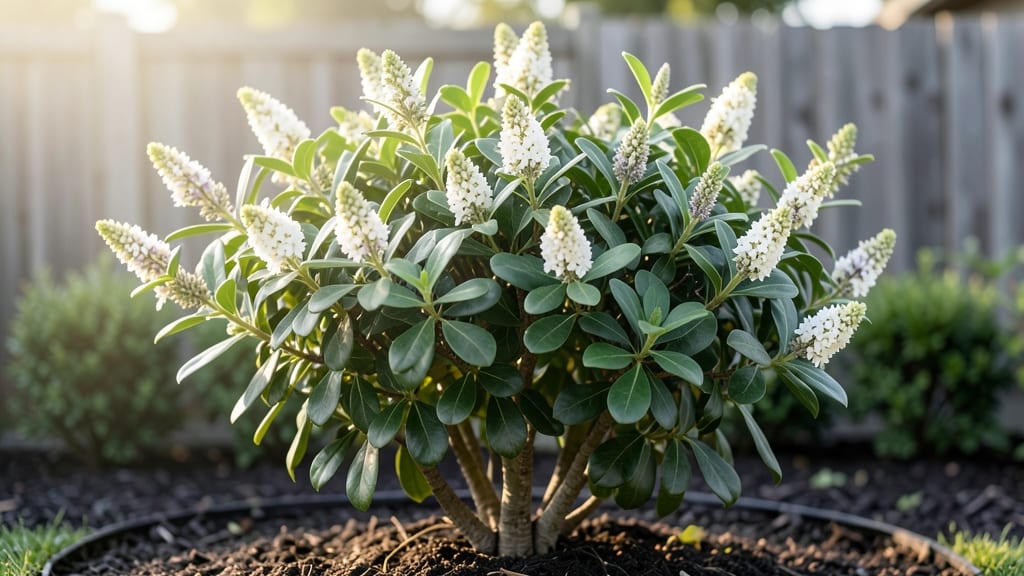
Your common privet flowers could be blooming nonstop this season with the right pruning cuts—here’s how to unlock that potential. 🌿 I’ve watched my own privet bushes go from sparse, sporadic blooms to thick clusters of white flowers after making just a few adjustments to timing and technique.
The key lies in understanding when to prune: late winter or early spring, right before new growth begins. You’ll need sharp pruners, gloves, and a clear morning to see the branches properly.
Most gardeners over-prune, stripping the plant of its flowering energy—privet blooms on old wood, so you’re actually encouraging growth by cutting back selectively.
By summer, you’ll see dense clusters of fragrant white flowers that attract pollinators and stay vibrant for weeks. The plant stays compact, resists pests better, and produces more blooms than you’d expect from its modest size. Even in partial shade, it thrives with minimal fuss.
Works in zones 4-9, whether planted as a hedge, specimen, or foundation shrub. The same principles apply whether you’re shaping a formal border or letting it grow naturally. Here’s exactly how to make those cuts for maximum impact.
📚 In This Guide
- What you need
- Instructions
- Tips and common mistakes
- Wrapping up and next steps
What you need
- ● Pruning shears: Sharp, bypass-type shears (2–4 pairs, depending on plant size). Avoid dull tools—they crush stems instead of cleanly cutting.
- ● Gloves: Heavy-duty gardening gloves (1–2 pairs) to protect hands from thorns and sap.
- ● Disinfectant: 70% isopropyl alcohol or a bleach solution (1 part bleach : 9 parts water) to sterilize tools between cuts.
- ○ Pruning saw: Optional but helpful for thick branches (1–2 inches in diameter). Choose a curved-tooth saw for clean cuts.
- ○ Loppers: Optional for medium branches (½–2 inches thick). Look for ratcheting or bypass loppers for leverage.
- ● Timing: Prune after flowering (late summer/early fall) or in early spring before new growth. Avoid pruning during frost or extreme heat.
- ● Weather: Choose a dry, overcast day to prevent stress on the plant.
- ● Plant health: Ensure your privet is well-watered 1–2 days before pruning (but not soggy).
- ○ Safety gear: Optional safety glasses if working near your face or with dense foliage.
How to prune common privet for maximum blooms
Here's the pruning method I rely on to keep my privet bushes flowering like crazy year after year.
✂️ Step 1: Time Your First Cut After Spring Flush
Wait until mid-to-late May when new growth reaches 4-6 inches tall. This is your signal to prune—cutting too early removes next year's flower buds hidden in last year's wood. I always make my first cuts after the main flush of spring growth, when the stems feel firm to the touch.
Use clean, sharp bypass pruners to remove 1/3 of the oldest stems at the base. These are the thickest, woody branches that produce the most flowers. You'll see a mix of green and brown bark—target the brownest stems first. Don't worry about perfect angles; just make clean cuts just above a leaf node or lateral branch.
✂️ Step 2: Shape for Airflow and Light Penetration
Step back and look at your bush from all sides. Privet flowers best when light reaches the inner branches. I aim to create an open center by removing any crossing or inward-growing branches that block sunlight. These are the stems that look like they're fighting each other for space.
Cut back these branches to an outward-facing bud or side shoot. You'll notice the stems have small leaf scars—these mark where new growth will emerge. A good rule: if you can't see sunlight through the center of the bush, you need to prune more aggressively. This step prevents those dark, shadowy spots where flowers never appear.
☀️ Step 3: Summer Light Pruning for Continuous Blooms
After the initial spring cut, do a light maintenance pruning every 4-6 weeks through summer. Look for stems that have finished flowering—these are the ones with brown, dried flower clusters. Cut these back to just above a new leaf node to encourage more blooms on younger wood.
Here's the thing—privet responds to stress by flowering. A little pruning in summer triggers new growth that will produce more flowers. Just avoid cutting more than 10-15% of the plant at any one time. You'll see new buds forming within 2-3 weeks of these light cuts, especially on the outer edges of the bush.
✂️ Step 4: Late Season Cleanup for Next Year's Flowers
In early November, do one final pruning to remove all dead, diseased, or weak stems. These are the branches that look brittle, have no leaves, or show signs of mildew. Cut these right back to the base—they won't produce flowers anyway.
Also remove any suckers (those thin, fast-growing shoots at the base) and water sprouts (vertical shoots growing straight up). These steal energy from your flowering stems. After this final cut, your bush will look more open and airy, which is exactly what you want for next spring's blooms. I always clean up fallen leaves and debris too—this prevents fungal diseases that can weaken next year's flowers.
⏰ Step 5: Winter Dormancy Prep (The Often-Missed Step)
Before the first hard frost, give your privet a final light feeding with balanced 10-10-10 fertilizer. This gives the roots a boost for next year's growth. Then, if you live in a cold climate, consider wrapping young bushes with burlap to protect against winter winds that can dry out stems.
Here's what I've learned: the bushes I prune carefully in winter (just removing dead wood) outperform the ones I let sit untouched. The key is to never prune in winter—just do light cleanup. Your goal is to wake up next spring with a bush that's ready to burst into flowers, not one that's struggling to recover from harsh cuts.
Tips & tricks for perfect common privet pruning
Here's what nobody tells you about turning your privet into a blooming powerhouse.
Timing Secret: The mid-to-late May window is your golden opportunity—don't rush it! I've seen gardeners cut too early and end up with bare stems for months. Wait until those new shoots hit 4-6 inches and feel firm like a pencil. That's when you know the plant has stored enough energy for next year's flowers.
Tool Technique: Your pruners are more important than you think. I use clean, sharp bypass pruners every time because dull tools crush stems instead of making clean cuts. After each cut, wipe them on a paper towel to remove sap—this prevents disease transfer between branches. And here's a pro move: cut just above a leaf node or lateral branch, not at a random spot. That's where new growth emerges.
Visual Cue for Summer Pruning: When you're doing your every-4-6-week summer maintenance, look for those brown, dried flower clusters as your signal. They're like nature's little flags saying "cut me here!" These stems have already done their job for this season, and removing them tells the plant to redirect energy to new growth that will produce more flowers. Just remember: never take more than 10-15% of the plant at once—think of it as giving your bush a gentle haircut, not a buzz cut.
Winter Prep That Actually Works: That final November cleanup isn't just about tidiness—it's your insurance policy for next spring. When you remove those dead stems right back to the base, you're eliminating potential disease sites and making room for fresh air circulation. And the burlap wrap for cold climates? It's not just for show. I've seen young bushes completely dried out by winter winds—wrap them if you're in Zone 5 or colder, especially if you get those cutting winds.
Pro Tips for Common Privet Flowers
- Here's what nobody tells you about turning your privet into a blooming powerhouse.
- Timing Secret: The mid-to-late May window is your golden opportunity—don't rush it! I've seen gardeners cut too early...
- Tool Technique: Your pruners are more important than you think. I use clean, sharp bypass pruners every time because ...
Frequently asked questions
Got questions about nurturing common privet flowers (Ligustrum vulgare) to their full, blooming potential? You’re in the right place! Here are answers to the most common queries—from pruning puzzles to troubleshooting tips.
Do common privet flowers need full sun to bloom?
While privet thrives in full sun (6+ hours/day), it can tolerate partial shade (4–6 hours). However, more sunlight = more blooms! If your plant is leggy or sparse, consider relocating it to a sunnier spot. Just avoid harsh afternoon sun in hot climates to prevent stress.
When is the best time to prune for continuous flowers?
Prune twice a year for nonstop blooms:
- Late winter/early spring (before new growth): Shape the plant and remove dead wood.
- Right after flowering (summer): Trim back by ⅓ to encourage a second flush of blooms.
Why aren’t my privet flowers opening, even after pruning?
Common culprits include:
- Over-fertilizing (too much nitrogen = leafy growth, fewer blooms). Use a balanced 10-10-10 fertilizer in spring.
- Underwatering or poor drainage. Privet prefers well-draining soil and consistent moisture (but no soggy roots!).
- Pests/disease (e.g., spider mites, powdery mildew). Inspect leaves and treat with neem oil if needed.
Can I grow common privet flowers in containers?
Yes! Privet adapts well to containers but needs:
- A large pot (15+ gallons) with drainage holes.
- Well-draining potting mix (add perlite or sand).
- Regular pruning to control size (container plants grow slower).
What are some low-maintenance alternatives to privet flowers?
If privet’s upkeep feels high, try these drought-tolerant, bloom-heavy shrubs:
Plant
Bloom Time
Care Level
Butterfly Bush (Buddleia)
Summer–fall
(Needs occasional pruning)
Abelia
Spring–fall
(Thrives in shade/sun)
Potentilla
Spring–summer
(Drought-resistant)
Wrapping up and next steps
Growing common privet flowers is a rewarding experience that brings beauty and vibrancy to your garden with the right care—especially when it comes to pruning! 🌸 By mastering the art of strategic cuts, you’ll unlock nonstop blooms and a lush, healthy shrub.
Whether you’re trimming for shape, encouraging new growth, or reviving an overgrown plant, these techniques will keep your privet thriving for seasons to come.
Ready to transform your garden? Grab your pruners and start experimenting! Try one pruning tip this season and watch your privet burst into life. Happy gardening! 🌿