
Orchid Care
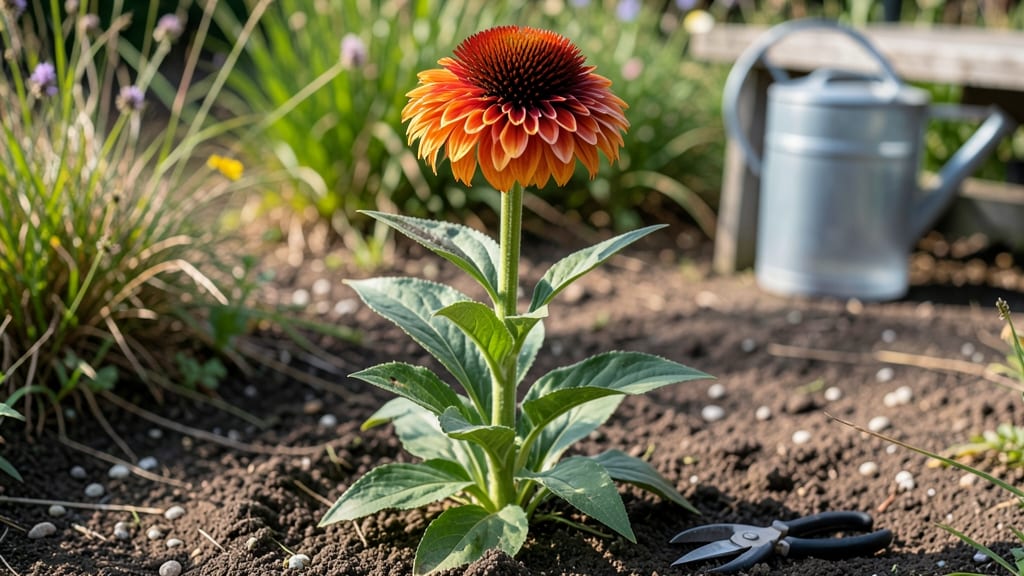
The Double Scoop Orangeberry coneflower delivers bold purple blooms that turn your garden into a butterfly magnet from summer to frost. 🌸 I fell for this variety after watching swarms of monarchs and swallowtails land on its saucer-shaped petals—it’s like having a five-star hotel for pollinators in your own backyard.
The secret to those showstopping blooms starts with the right spot and soil, but don’t worry: this plant is forgiving once you get the basics right.
This coneflower thrives in full sun to partial shade and tolerates almost any soil as long as it drains well.
Plant in well-amended garden beds or containers with 3-4 inches of compost mixed in—it’ll reward you with 3-4 foot tall stems topped with 3-inch-wide blooms that keep coming back if you deadhead spent flowers.
Water deeply once a week after establishment, and you’ll see those vibrant purple domes popping up by mid-June.
What makes this variety special is its long bloom season and disease resistance—unlike some coneflowers that flop in heat or humidity. With proper care, you’ll enjoy continuous blooms from July through October, and the seed heads left for winter feed goldfinches.
The orangeberry name comes from the rusty-orange cones that contrast beautifully with the purple petals, adding another layer of visual interest.
Ready to turn your garden into a pollinator paradise? We’ll cover everything from planting spacing to overwintering tips so your Double Scoop thrives for years. Even better, it’s beginner-friendly—once planted, it’s basically maintenance-free.
📚 In This Guide
- What you need
- Instructions
- Tips and common mistakes
- Wrapping up and next steps
What you need
- ● Coneflower seeds (Echinacea 'Double Scoop Orangeberry') – 1 packet (approx. 20-50 seeds) or 3-5 young plants (if starting with transplants).
- ● Well-draining potting mix or garden soil – 1-2 bags (10-15 quarts each) for containers or amended garden beds.
- ● Organic compost or fertilizer – 1 bag (e.g., 5-10 lbs) to enrich soil with nutrients.
- ● Containers or garden bed space – 5-6 inch pots (for seedlings) or a sunny, open garden spot (6+ hours of sunlight daily).
- ● Watering can or hose with a gentle spray nozzle – For consistent moisture without overwatering.
- ● Plant labels – 1-2 labels to track your vibrant blooms!
- ● Gloves – To protect your hands while handling soil or seeds.
- ● Trowel or small shovel – For transplanting seedlings or amending soil.
- ● Mulch (e.g., straw or shredded leaves) – 1-2 bags to retain moisture and suppress weeds.
- ○ Butterfly-friendly companion plants – Optional! Try adding bee balm or black-eyed Susans for extra pollinator appeal.
- ● Slow-release fertilizer – 1-2 tablets or granules to boost growth mid-season.
Step-by-Step guide to planting and maintaining Double Scoop Orangeberry coneflower
Here's how to establish this butterfly magnet with minimal fuss and maximum impact.
🌱 Step 1: Choose the Perfect Planting Location
Double Scoop Orangeberry thrives in full sun to partial shade—at least 6 hours of direct sunlight daily for best bloom production. I always select a spot with well-draining soil because these plants hate soggy roots. If your garden soil is heavy clay, amend it with 2-3 inches of compost mixed into the top 12 inches of soil.
This variety's striking purple blooms with orange centers stand out best when planted in small groups of 3-5 plants. Space them 18-24 inches apart to allow for their mature 2-3 foot spread. Here's the thing—if you plant them too close, you'll end up with fewer, smaller blooms as they compete for nutrients.
🪴 Step 2: Prepare the Soil and Plant Correctly
Dig a hole twice as wide as the plant's root ball but only as deep as the container it came in. The top of the root ball should sit level with the surrounding soil—burying it too deep causes rot, while planting too high stresses the plant. Gently loosen the roots if they're circling in the container before placing.
Fill the hole with native soil mixed with 1 cup of bone meal (for phosphorus to encourage strong roots) and 1 cup of compost. Water deeply to settle the soil around the roots. I always add a 2-inch layer of mulch (like the pine straw or shredded bark) around the base to retain moisture and suppress weeds—just keep it 2 inches away from the stem to prevent rot.
☀️ Step 3: Water and Fertilize for Peak Performance
Water deeply once a week during the first growing season, ensuring the soil is moist 6 inches down. You'll know it's right when the top 1-2 inches feel dry to the touch. Overwatering is the fastest way to kill these plants—coneflowers are drought-tolerant once established. After the first year, they only need water during prolonged dry spells.
Feed with a balanced 10-10-10 fertilizer in early spring when new growth appears, then again after the first flush of blooms. I skip fall fertilization—too much nitrogen then encourages weak growth that won't survive winter. The key is light feeding—coneflowers prefer lean soil and over-fertilizing leads to floppy stems and fewer blooms.
✂️ Step 4: Prune and Maintain for Continuous Blooms
Deadhead spent blooms by cutting back to the first set of healthy leaves below the flower head. This encourages more blooms all season instead of one big flush followed by bare stems. I do this every 2-3 weeks during the growing season—just watch for butterflies on the flowers first, and wait until they've moved on before snipping.
In late fall or early winter, cut back the stems to 4-6 inches tall. This prevents flopping and makes the plant easier to mulch for winter protection. Here's where it gets fun—these plants often self-seed, so you'll likely find volunteer plants popping up nearby next spring. Thin them to the strongest 3-4 plants to avoid overcrowding.
Tips & tricks for perfect coneflower Double Scoop Orangeberry planting
These essential insights will help you avoid common pitfalls and create a thriving butterfly garden with minimal effort.
Site Selection Secret: While the instructions call for full sun to partial shade with at least 6 hours of direct sunlight, I've found that morning sun with afternoon shade works best in hotter climates. The key is observing your garden's microclimates—some areas might get more sun than others due to nearby structures or trees. If you notice the foliage looking stressed in summer, that's your cue to provide more afternoon shade.
Planting Depth Matters: When preparing the hole in Step 2, I can't stress enough how critical proper depth is. The top of the root ball should sit level with the surrounding soil—this prevents both rot from being buried too deep and stress from being planted too high. Pro tip: Use a small stake to mark the original soil level on the container before removing the plant, then match that when planting.
Fertilizer Timing: The instructions specify using 10-10-10 fertilizer in early spring and after the first flush of blooms, but here's what nobody tells you—if your soil tests show high phosphorus levels already, you can skip the bone meal entirely. The phosphorus in bone meal helps root development, but if your soil is already rich in it, you might get leafy growth at the expense of blooms. Always test your soil first!
Deadheading Strategy: While the instructions recommend deadheading every 2-3 weeks, I've developed a more strategic approach. Focus on removing only the spent blooms with orange centers first—they're the most visually striking and attract the most butterflies. Leave some of the purple blooms until they've fully dried, as they provide winter interest and seed heads for birds. This extends your plant's visual appeal through all seasons.
Pro Tips for Coneflower Double Scoop Orangeberry
- These essential insights will help you avoid common pitfalls and create a thriving butterfly garden with minimal effort.
- Site Selection Secret: While the instructions call for full sun to partial shade with at least 6 hours of direct sunl...
- Planting Depth Matters: When preparing the hole in Step 2, I can't stress enough how critical proper depth is. The to...
Frequently asked questions
When is the best time to plant Double Scoop Orangeberry coneflowers?
Plant them in early spring (after the last frost) or early fall for the best results. This gives roots time to establish before extreme summer heat or winter cold. If you’re transplanting, choose a cool, overcast day to reduce stress on the plant.
Why aren’t butterflies visiting my coneflowers?
Butterflies love Double Scoop Orangeberry—if they’re missing, check these fixes:
- Deadhead spent blooms to encourage new flowers.
- Ensure full sun (6+ hours/day) and well-draining soil.
- Plant nearby nectar sources like milkweed or bee balm.
- Water deeply but infrequently to avoid fungal issues that deter pollinators.
How often should I water Double Scoop Orangeberry coneflowers?
Once established, these drought-tolerant beauties need water only during prolonged dry spells (about 1 inch per week). Water at the base (not overhead) to prevent mildew. New transplants may need weekly watering until roots settle in.
Can I grow Double Scoop Orangeberry in containers?
Choose a large pot (12+ inches wide) with drainage holes and use a light, well-draining potting mix. Place in full sun and fertilize lightly in spring. Divide every 2–3 years to prevent overcrowding.
What do brown or wilted leaves mean?
Brown leaves often signal overwatering or fungal issues (like powdery mildew). Wilted foliage could mean underwatering or root stress. Try this:
- Check soil moisture—stick your finger 1–2 inches down before watering.
- Ensure good airflow around plants.
- Trim affected leaves and avoid wetting foliage when watering.
Are there similar coneflowers with easier care?
If Double Scoop Orangeberry seems high-maintenance, try these low-fuss alternatives:
- ‘Magnus’ – Classic purple blooms, super hardy.
- ‘White Swan’ – Disease-resistant, mildew-free.
- ‘Cheyenne Spirit’ – Heat-tolerant, long-lasting flowers.
Wrapping up and next steps
Ready to transform your garden into a vibrant butterfly haven? The Coneflower Double Scoop Orangeberry is your perfect partner—its bold purple blooms and easy-care nature make it a must-have for any outdoor space. 🌸 With just a few simple steps, you’ll enjoy seasonal color, pollinator-friendly beauty, and minimal upkeep.
Now that you’re armed with everything from materials to troubleshooting, it’s time to dig in! Grab your gloves, pick a sunny spot, and give these stunning coneflowers the love they deserve. Watch your garden buzz with life—literally—before you know it! 🦋