
Flowers
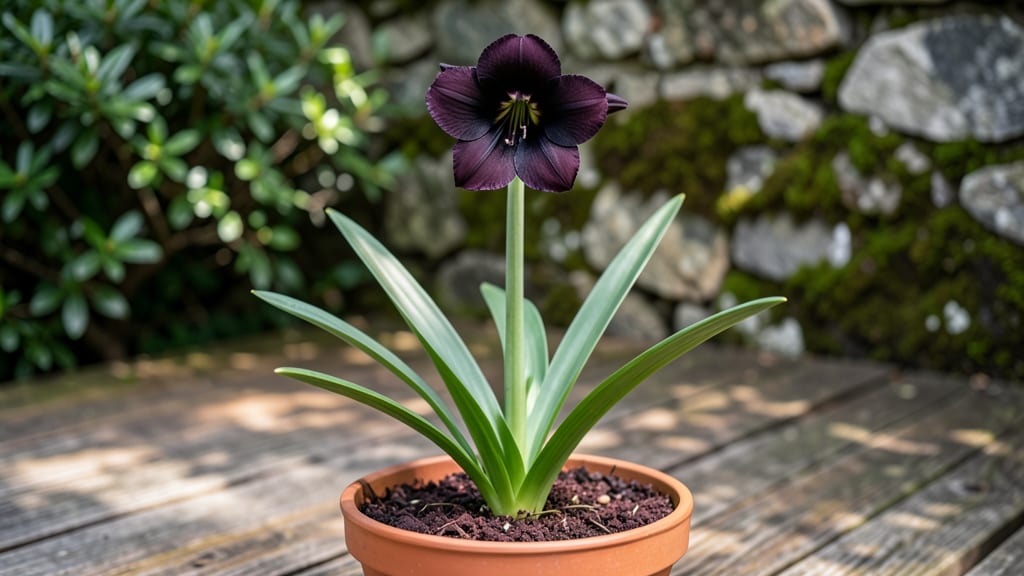
Dark gothic flowers don’t just grow—they dramatize your garden with velvety blacks, deep purples, and blood-red blooms that feel like a secret society of plants. 🌿 I first fell for them when I stumbled upon a black calla lily in a nursery, its petals so dark they seemed to absorb the light.
These aren’t just plants; they’re mood setters, perfect for creating a garden that feels like a gothic novel come to life.
The magic happens when you pair them with the right companions: silvery dusty miller for contrast, deep burgundy salvias for richness, or even stark white statice to make the dark blooms pop. Think of it as a color palette of midnight blues, charcoal grays, and crimson accents—like a painter’s dream.
Night-blooming varieties like moonflower add another layer, ensuring your garden stays mysterious even after sunset.
You’ll end up with a space that feels alive with atmosphere—whispers of history, a touch of the macabre, or just pure, moody elegance. The key is layering textures: glossy black berries, spiky thistle-like foliage, and even weathered stone or wrought iron to anchor the scene.
It’s not just a garden; it’s a statement.
Works year-round in containers or borders, whether you’re going full Halloween vibes or just love a dramatic focal point. The best part? These plants thrive on attention—so give them a spotlight, and they’ll deliver the drama. Ready to transform your space?
📚 In This Guide
- What you need
- Instructions
- Tips and common mistakes
- Wrapping up and next steps
What you need
- ● Dark gothic flower varieties: Black Baccara roses (10-20 plants)
- ● Velvet Black Callas (15-25 bulbs)
- ● Dark Purple Statice (20-30 plants)
- ● Black Mondo Grass (5-10 clumps)
- ● Deep Burgundy Dahlias (12-18 tubers)
- ● Ebony Gem Boxwood (3-5 shrubs for structure)
- ● Soil amendments: Peat moss or coconut coir (2-3 bags, 40 lbs each)
- ● Composted manure (1-2 bags, 40 lbs each)
- ● Slow-release organic fertilizer (1 bag, 10 lbs)
- ● Mulch: Dark brown or black mulch (2-3 bags, 2 cubic feet each)
- ● Garden trowel (1)
- ● Pruning shears (1)
- ● Garden gloves (1 pair)
- ● Wheelbarrow (1, for transporting soil)
- ● Watering can or hose with spray nozzle (1)
- ● Measuring tape (1, for spacing plants)
- ○ Optional: Garden stakes or trellises (for climbing varieties like roses)
- ● A garden bed or container with partial to full shade (6+ hours of indirect light daily).
- ● Well-draining soil (amend with peat moss if needed).
- ● Patience! Some gothic flowers (like Black Baccara roses) take time to reach their full dramatic potential. 💡 Pro tip: Start small—test a few varieties before committing to a full bed!
Step-by-Step instructions for designing a dark gothic flower garden
Here's how to craft a moody, atmospheric garden that feels like a living poem.
🌿 Step 1: Choose Your Dramatic Plant Palette
Start with 4-6 core varieties that thrive together in similar light and soil conditions. I always begin with black bat flower (Tacca chantrieri) for its deep purple-black blooms and striking foliage. Pair it with Queen of Night tulips (Tulipa 'Queen of Night') for their velvety dark purple flowers that appear in early spring. Add heuchera 'Black Beauty' for glossy, almost metallic foliage that contrasts beautifully with the flowers.
For height and texture, include calla lilies (Zantedeschia aethiopica 'Black Star')—their deep burgundy blooms and broad leaves create a dramatic focal point. Finally, sprinkle in black mondo grass (Ophiopogon planiscapus 'Nigrescens') for a low-growing, velvety ground cover that ties the entire design together. These plants work well in partial to full shade, making them perfect for wooded areas or north-facing gardens.
🪴 Step 2: Prepare the Soil for Moody Elegance
Dark gothic flowers thrive in rich, well-draining soil with a slightly acidic to neutral pH (6.0-7.0). Mix 3 cubic yards of high-quality garden soil with 1 cubic yard of compost and 1 bag of peat moss to create a deep, moisture-retentive bed. Avoid heavy clay soils—amend them with 1 cubic yard of perlite or coarse sand to improve drainage.
Work the soil to a depth of 12 inches, breaking up any compacted layers. Dark flowers like these often have delicate roots, so loose, airy soil prevents rot. I like to add a slow-release organic fertilizer (like 5-5-5) at planting time to give them a strong start. Water the bed thoroughly after amending to settle everything in place.
☀️ Step 3: Plant with Intentional Drama
Begin by placing your tallest plants in the back—like the calla lilies—so they anchor the design. Space them 18-24 inches apart to allow room for their broad leaves. Next, add the Queen of Night tulips in clusters of 3-5 bulbs per spot, about 6 inches apart. Their early spring blooms will create a stunning carpet of dark purple before the foliage plants fill in.
Fill the middle layer with heuchera and black mondo grass, spacing them 12-18 inches apart for a lush, textured look. The heuchera’s deep purple-black leaves will contrast sharply with the lighter stems of the mondo grass. Finally, tuck the black bat flower in a slightly sheltered spot—it prefers dappled shade and will thrive where it gets morning sun but afternoon relief from direct light.
💧 Step 4: Water and Mulch for Long-Lasting Moody Beauty
Water deeply 2-3 times per week for the first 4-6 weeks to help roots establish. After that, reduce to once a week unless you're experiencing a heatwave. Dark foliage plants like heuchera and mondo grass are drought-tolerant once established, but the tulips and calla lilies will need consistent moisture to bloom well.
Apply a 3-inch layer of dark mulch—like black bark or pine needles—to suppress weeds and maintain even soil moisture. The mulch will also enhance the gothic aesthetic while keeping the soil cool in summer. Avoid bright-colored mulches; stick to deep browns, blacks, or purples to maintain the moody palette. Replenish mulch annually to keep it effective.
✂️ Step 5: Maintain with Seasonal Care
In early spring, remove any dead foliage from the previous year but leave the black bat flower and heuchera alone—their old leaves protect the crowns and add winter interest. After the tulips finish blooming, cut back their stems 2 inches above the soil to encourage next year’s flowers. Calla lilies can be left standing through winter in mild climates, but in colder zones, cut them back after the first frost.
Fertilize lightly in early spring and midsummer with a balanced organic fertilizer to keep the plants vigorous. Prune any leggy or overgrown mondo grass in late summer to maintain its neat, velvety appearance. This garden thrives on neglect once established, but a little seasonal attention keeps it looking hauntingly stunning year after year.
Tips & tricks for perfect dark gothic flower gardens
A few subtle adjustments can transform your garden from ordinary to hauntingly beautiful. Here's what I've learned after years of cultivating these moody masterpieces.
Plant Placement Precision: In Step 3, when arranging your Queen of Night tulips, place them slightly deeper than the recommended 6 inches—about 8 inches down. This ensures their dramatic blooms emerge at just the right height to create that signature gothic "wave" effect. I've found that planting black bat flower slightly off-center from other plants adds visual intrigue, breaking the symmetry in a way that feels intentionally artistic rather than accidental.
Soil Secret for Darker Foliage: For that extra deep purple-black color in your heuchera and mondo grass, mix in a handful of iron sulfate (about 1 tablespoon per cubic yard of soil) during Step 2. This enhances chlorophyll production, making foliage appear almost black. The calla lilies will also benefit from this, developing richer burgundy hues. Just be sure to test your soil pH first—these plants thrive in that 6.0-7.0 range, and iron sulfate can acidify the soil further.
Mulch Magic: When applying your 3-inch layer of dark mulch in Step 4, consider using a mix of black bark and finely shredded pine needles. The pine needles break down slowly, adding organic matter to the soil while maintaining that gothic aesthetic. I've noticed that this combination also helps retain moisture better during summer heatwaves, which is crucial for those moisture-loving calla lilies during their first 4-6 weeks of establishment.
Seasonal Care Shortcuts: In Step 5, instead of cutting back tulip stems immediately after blooming, leave them for 2-3 weeks to develop seed heads. These add wonderful texture and interest to your winter garden. For mondo grass, I've found that a single late-summer trim with clean, sharp shears (rather than string trimmers) creates a much neater velvety edge. This small detail makes all the difference in maintaining that polished gothic look.
Pro Tips for Dark Gothic Flowers
- A few subtle adjustments can transform your garden from ordinary to hauntingly beautiful.
- Plant Placement Precision: In Step 3, when arranging your Queen of Night tulips, place them slightly deeper than the recommended 6 inches—about 8 inches down.
- Soil Secret for Darker Foliage: For that extra deep purple-black color in your heuchera and mondo grass, mix in a handful of iron sulfate (about 1 tablespoon per cubic yard of soil) during Step 2.
Frequently asked questions
Got questions about adding dark gothic flowers to your garden? Here are some answers to help you dive into this moody, dramatic world with confidence!
What are the easiest dark gothic flowers to grow for beginners?
Start with Black Baccara roses, Velvet Black hollyhocks, or Midnight Beauty dahlias. These varieties are hardy, widely available, and thrive in partial shade—perfect for creating gothic vibes without the fuss. Just ensure well-draining soil and consistent moisture.
Do dark gothic flowers need full sun or shade?
Most thrive in partial shade (4-6 hours of sunlight), but some, like Black Knight lilies, tolerate full sun. Avoid harsh afternoon rays to prevent fading. Test your garden’s light levels first—use a sunlight calculator if unsure!
How do I keep dark flowers from fading too quickly?
Dark petals fade faster in direct sunlight. Mulch with organic matter (like compost) to retain moisture, and prune dead blooms regularly. For cut flowers, store stems in cool water with a drop of bleach to preserve their deep hues longer.
Can I mix dark gothic flowers with bright colors for contrast?
Pair black roses with crimson salvia or deep purple irises for a striking contrast. Avoid overpowering shades like neon yellow—stick to moody purples, burgundies, or silver foliage (e.g., Heuchera) for harmony.
What’s the best time to plant dark gothic flowers?
Spring (after last frost) or early fall
are ideal. Bulbs like Black Pearl alliums can go in late fall. Avoid planting in extreme heat—roots need time to establish before summer stress sets in. Check your USDA zone for local timing!
Are there low-maintenance dark gothic flowers?
Yes! Try Black Mondo grass (ground cover), Onyx Odyssey heuchera (perennial), or Black Adder coleus (annual). These require minimal pruning and thrive in containers or borders. Perfect for busy gardeners who still want gothic drama!
Wrapping up and next steps
Dark gothic flowers aren’t just for Halloween—they’re a year-round statement of moody elegance and drama. Whether you’re drawn to the velvety petals of Black Baccara roses or the eerie allure of Hellebore nigra, these plants transform any garden into a hauntingly beautiful sanctuary.
Embrace your love for the macabre and let your green space tell a story.
Ready to dive deeper? Start small—try a single gothic focal point, like a Black Prince Impatiens pot, and watch your space transform. Or, for the bold, sketch a full dark garden layout and gather inspiration from Pinterest mood boards! 🌹✨