
Flowers
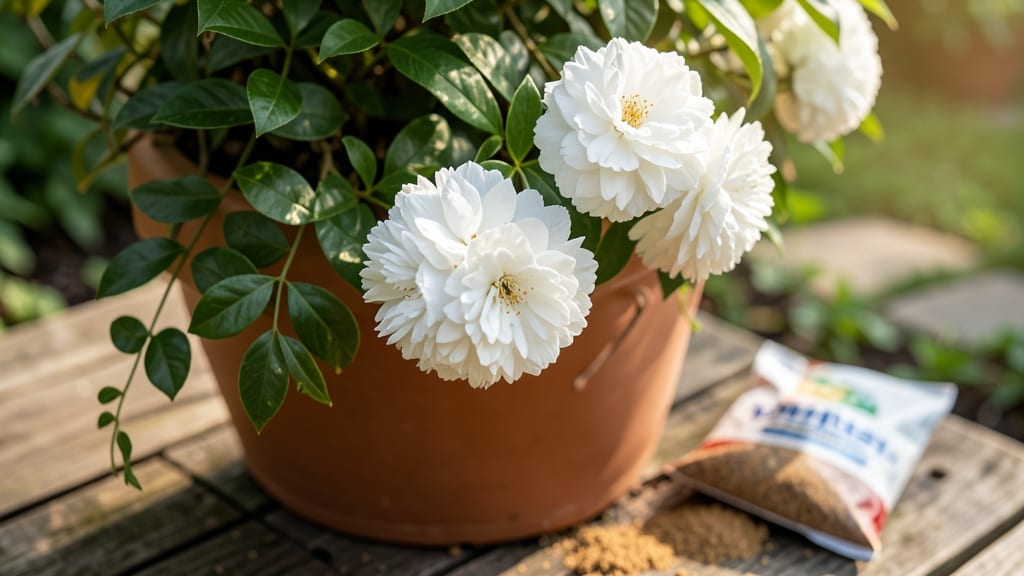
Double jasmine flowers transform any garden into a fragrant sanctuary with their velvety petals and intoxicating scent. 🌿 I’ve grown them for years, and the secret to their lush, year-round blooms lies in the right balance of sunlight, soil, and patience.
Unlike finicky flowers, jasmine thrives when treated like a low-maintenance climber—just give it space to sprawl and a little extra care during dormancy.
The key to success starts with well-draining soil rich in organic matter, paired with morning sun and afternoon shade to protect those delicate blooms. My plants produce the most fragrance when watered deeply but infrequently—think of it as mimicking a gentle rainstorm rather than a daily soak.
Pruning after flowering keeps them compact and encourages more blooms, while winter mulch shields roots from frost.
By summer’s end, you’ll have a fragrant canopy that perfumes the air at dusk, with blooms lasting well into fall if you deadhead regularly. The scent alone makes it worth the effort, but the sight of those double-petaled flowers draped over trellises or arches?
Pure garden magic. Let’s get yours growing strong.
Whether you’re training it up a fence or letting it cascade over a pergola, jasmine adapts beautifully to different spaces. Just remember: the more you prune in spring, the bushier and more fragrant it becomes. Your garden will thank you for the effort—with every breath of that heavenly perfume.
📚 In This Guide
- What you need
- Instructions
- Tips and common mistakes
- Wrapping up and next steps
What you need
- ● Double jasmine plants: 1-3 healthy nursery-grown plants (choose established cuttings or young plants with at least 3-4 stems). Pro tip: Opt for Jasminum sambac for larger, double blooms!
- ● Well-draining potting mix: 5-10 gallons (for containers) or amend garden soil with perlite or sand (1 part perlite to 3 parts soil) to prevent root rot.
- ● Organic fertilizer: Balanced 10-10-10 or slow-release granular fertilizer (e.g., fish emulsion or compost tea) for nutrient-rich growth.
- ● Support structure: For trellises: 6-8 ft tall bamboo stakes or metal trellis (diameter: 2-3 inches).
- ● For espalier: Sturdy wooden frame or wire mesh (gauge: 12-14).
- ● Pruning shears: Sharp, bypass-pruners (blade length: 5-6 inches) for trimming.
- ● Mulch: 2-3 inches of organic mulch (e.g., pine bark or cocoa shells) to retain moisture.
- ● Gloves: Heavy-duty gardening gloves to protect hands from thorns.
- ● Watering can or hose: With a gentle spray nozzle (e.g., rain showerhead for delicate blooms).
- ● pH test kit: To monitor soil pH (ideal range: 6.0-7.0).
- ● Epsom salt: 1 tbsp per gallon of water (monthly foliar spray for magnesium boost).
- ○ Decorative elements: (Optional) Solar-powered garden lights or fragrant companions like lavender or rosemary for a sensory garden.
Step-by-step instructions for cultivating double jasmine vines
Here's how to coax those lush, fragrant blooms into your garden—my foolproof method for thriving double jasmine.
🌱 Step 1: Choose the Perfect Planting Spot
Double jasmine thrives in partial shade to dappled sunlight—think morning sun with afternoon shade. A spot near a trellis or fence works best, where vines can climb and spread their signature fragrance. I always test the location first: if the area gets less than 4 hours of direct afternoon sun, your plant will grow leaves but few blooms.
Soil should drain well but retain moisture—amend heavy clay with 2-3 inches of compost mixed into the top 12 inches of soil. Double jasmine hates soggy roots, so if your yard floods easily, plant in a raised bed or mound. Dig a hole twice as wide as the root ball but only as deep—planting too deep suffocates the stem.
☀️ Step 2: Plant and Train for Optimal Growth
Set the plant so the top of the root ball sits 1 inch below soil level—this prevents stem rot while encouraging strong root spread. Backfill with native soil mixed with 1 part perlite to improve aeration, then water deeply until moisture reaches 6 inches down. You'll know it's right when the soil surface looks damp but not glistening.
Install a 5-6 foot trellis or arbor at planting time—jasmine vines grow aggressively and need support. Gently weave the main stems through the trellis framework as they grow. Here's the thing—I've seen gardeners skip this step, and by summer, the vines become tangled, heavy, and prone to breaking under their own weight.
💧 Step 3: Water and Feed for Continuous Blooms
Water deeply once a week during the first growing season, aiming for 1-1.5 gallons per plant. After establishment, jasmine becomes drought-tolerant, but you'll get more blooms if you keep soil evenly moist (check by sticking your finger 2 inches down). Overwatering causes yellow leaves and stunted growth, so always let the top 1-2 inches dry out between waterings.
Feed with a balanced 10-10-10 fertilizer every 6 weeks during spring and summer. I switch to a low-nitrogen, high-phosphorus formula (like 5-10-5) when buds form to encourage more blooms. Stop fertilizing in fall—jasmine needs a rest period to set next year's flowers. Mulch with 2-3 inches of shredded bark to conserve moisture and regulate soil temperature.
✂️ Step 4: Prune for Health and Abundance
Prune in early spring before new growth starts. Remove any dead, damaged, or crossing branches first—these compete with healthy growth. Then cut back last year's growth by one-third to encourage bushier, more productive vines. I always make cuts just above a leaf node (the bump where leaves attach) to stimulate new growth from that point.
After flowering, trim back spent blooms to 2-3 inches above the nearest leaf. This encourages a second flush of flowers in warm climates. Never prune in fall—jasmine needs its foliage to photosynthesize and store energy for winter. And here's a pro tip: if your jasmine gets leggy, it's begging for more light or a harder prune next spring.
⏰ Step 5: Protect Through Winter for Year-Round Blooms
In colder zones (below 15°F), wrap the trellis and vines with burlap or frost cloth once temperatures drop below 30°F. I also mound 4-6 inches of mulch around the base to insulate roots. Jasmine is semi-evergreen in mild climates, but harsh winters may cause leaf drop—don't worry, the plant will regrow in spring.
In spring, remove winter protection gradually over 2-3 days to avoid shocking the plant. Resist the urge to prune until you see new growth—this is when jasmine sets its blooming schedule for the year. With proper winter care, your double jasmine will reward you with year-round fragrance and continuous blooms from early summer through fall.
Tips & tricks for perfect double jasmine flower cultivation
These simple tricks will help you transform your garden into a fragrant haven—no green thumb required.
Sunlight Strategy: Test your spot before planting by observing sunlight patterns for a full day. If your area gets more than 4 hours of direct afternoon sun, consider a sheer curtain or lattice to filter the light. Double jasmine blooms best when it receives gentle morning rays and afternoon shade—this mimics its natural tropical habitat where it grows under taller canopy trees. I've seen jasmine plants struggle in full sun, producing lots of leaves but few fragrant flowers.
Soil Science: The secret to happy jasmine roots lies in that perfect drainage-moisture balance. If you're working with heavy clay soil, mix in 2-3 inches of compost into the top 12 inches of soil before planting. For sandy soils, add 1 part perlite to improve moisture retention. I've learned this the hard way—jasmine roots rot quickly in soggy conditions, so if your yard floods easily, plant in a raised bed with drainage holes. The goal is soil that feels like a well-wrung sponge: damp but not waterlogged.
Winter Protection Hacks: When temperatures drop below 30°F, don't just wrap your jasmine—create a microclimate. Start by wrapping the trellis and vines with burlap, then add a layer of frost cloth. For extra insulation, mound 4-6 inches of mulch around the base, leaving a small gap at the stem to prevent rot. I've seen gardeners skip this step, only to find their jasmine looking sad and brown come spring. The key is gradual removal too—uncover over 2-3 days to let the plant adjust slowly to warmer temperatures.
Pruning Pro Tips: When you're cutting back last year's growth by one-third in early spring, make your cuts just above a leaf node—this is where new growth will emerge. For spent blooms, trim back to 2-3 inches above the nearest leaf to encourage a second flush of flowers. Here's what nobody tells you: if your jasmine gets leggy, it's not just about light—it might be trying to tell you it needs more nutrients. Consider a light feeding with a low-nitrogen, high-phosphorus fertilizer to boost blooming.
Pro Tips for Double Jasmine Flower
- These simple tricks will help you transform your garden into a fragrant haven—no green thumb required.
- Sunlight Strategy: Test your spot before planting by observing sunlight patterns for a full day. If your area gets mo...
- Soil Science: The secret to happy jasmine roots lies in that perfect drainage-moisture balance. If you're working wit...
Frequently asked questions
Got questions about cultivating your own double jasmine flower? You’re not alone! Here are some of the most common queries—plus quick, expert-backed answers to help you grow a fragrant, thriving canopy with confidence.
How long does it take for a double jasmine plant to bloom?
A healthy double jasmine (like Jasminum officinale or J. grandiflorum) typically takes 1–3 years to produce its signature double blooms, depending on growing conditions. With proper care—full sun, well-draining soil, and regular pruning—you may see earlier flowers. Patience pays off with year-round fragrance in mild climates!
Can double jasmine survive winter? What’s the best way to protect it?
Double jasmine is hardy in USDA Zones 7–10, but younger plants or colder regions need winter prep. Mulch the base with 3–4 inches of straw or leaves, wrap the canopy in burlap, and prune lightly to reduce stress. In freezing zones, grow it as an annual or container plant and bring it indoors before temps drop below 20°F.
Why aren’t my double jasmine flowers opening? Troubleshooting tips!
Bud drop or closed blooms often signal stress. Check these fixes:
Too much shade? Move to 6+ hours of direct sun daily.
Overwatering? Let soil dry slightly between waterings—jasmine hates soggy roots!
Nutrient deficiency? Feed with a balanced fertilizer (10-10-10) in spring.
Pests? Inspect for aphids or spider mites; spray with neem oil if needed.
Is double jasmine toxic to pets or humans?
Great news! Double jasmine is non-toxic to cats, dogs, and humans, making it a pet-friendly choice for gardens and indoor pots. However, always monitor pets for mild stomach upset if they ingest large amounts—though it’s rare. Enjoy its sweet scent guilt-free!
Can I grow double jasmine in a pot? What’s the best container size?
Potted double jasmine thrives in 5+ gallon containers with drainage holes. Use a well-draining mix (like 60% potting soil + 30% perlite + 10% compost). For climbing varieties, add a trellis or moss pole and rotate the pot occasionally for even growth. Bonus: Pots let you move it to sunny spots or indoors during winter!
Wrapping up and next steps
The double jasmine flower isn’t just a vision of elegance—it’s a fragrant masterpiece you can cultivate year-round with patience and care. 🌸 From selecting the right soil to mastering pruning techniques, every step unlocks its full potential, filling your space with intoxicating blooms and lush greenery.
Whether you’re a seasoned gardener or a beginner, the key is consistency and joy in the process.
Ready to transform your garden or balcony into a double jasmine paradise? Start small—plant your first cutting or seed today, and watch your fragrant canopy grow! For extra inspiration, explore jasmine-themed decor ideas or join gardening communities to share your progress. Happy growing! 🌱✨