
Flowers
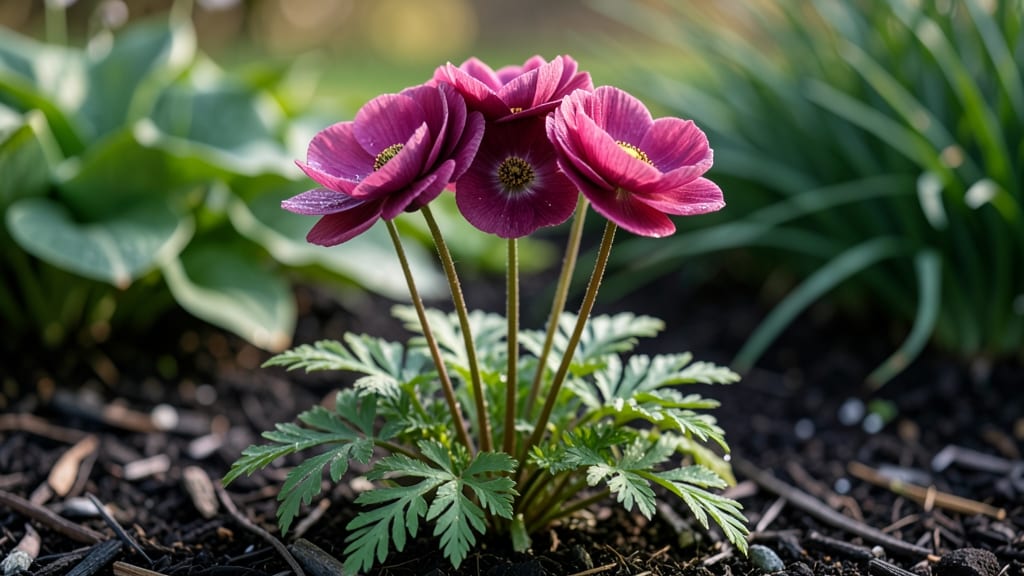
There's nothing quite like the way flowers after rain transform your garden into a living painting. ✨ The petals glisten like jewels, colors deepen into velvety richness, and the air hums with a fragrance so intense it feels like nature's own perfume.
I've spent years watching gardens wake up after storms, and the difference is staggering—dull blooms become vibrant, and the entire space feels alive in a way that dry conditions can't match.
The magic happens with the right plants—those that thrive when skies open up. Hydrangeas, roses, and peonies drink up the rain, their blossoms unfurling with an extra burst of color. Even delicate flowers like impatiens and begonias perk up, their leaves dewy and their stems sturdy after a good soaking.
This isn't just about survival; it's about the garden putting on its most breathtaking show when conditions are perfect.
You'll notice the change immediately: petals that were once slightly wilted now stand tall, their edges crisp and their centers glowing. The fragrance becomes so potent it lingers in the air long after the storm passes, turning your backyard into a sensory experience.
This is the moment your garden truly shines—when rain and sunlight conspire to create something extraordinary.
To capture this effect, pair rain-loving blooms with simple design touches like dappled lighting or a small water feature. The contrast of glistening petals against soft evening light is unforgettable. Even in dry spells, these plants will remind you of what's possible when nature and nurture align perfectly.
📚 In This Guide
- What you need
- Instructions
- Tips and common mistakes
- Wrapping up and next steps
What you need
- ● Fresh flowers: 1-2 bouquets (or loose stems) of rain-kissed blooms like roses, tulips, hydrangeas, or peonies—pick ones with dew or raindrops for that just-washed look.
- ● Water: 1-2 gallons in a clean vase or pitcher (preferably rainwater for authenticity, but tap water works too!).
- ● Scissors or pruners: 1 pair (sharp, clean cutting tools to trim stems at a 45° angle).
- ● Vase or container: 1 medium-sized vase (glass or ceramic, 6-12 inches tall) or a rustic alternative like a mason jar or wooden bucket.
- ○ Floral preservative (optional but recommended): 1 packet (extends vase life by 3-5 days; look for aloe vera or bleach-free formulas).
- ● Natural elements: Pinecones, moss, or eucalyptus sprigs (1-2 pieces) to mimic a forest-after-rain vibe.
- ● Backdrop: A neutral linen cloth or wooden slab (for photography or display).
- ● Spray bottle: For lightly misting flowers to revive them if they’ve wilted slightly.
- ● Essential oils (e.g., lavender or citrus): 2-3 drops in the water for a subtle, fresh scent.
How to refresh flowers after a rainy downpour
Here's how I bring flowers back to life after heavy rain—no fancy tools needed.
💧 Step 1: Assess and Remove Excess Moisture
Start by gently shaking each plant to dislodge heavy water droplets from petals and stems. Rainwater pools in blossoms can cause rot or fungal issues, so I use a clean, dry cloth to dab away moisture from delicate blooms. Focus on roses, hydrangeas, and petunias—these hold water like little cups.
If stems feel mushy when squeezed, trim affected areas immediately with clean pruners. You'll see healthier stems underneath the damaged tissue. This is the moment that matters: act fast to prevent disease from taking hold.
☀️ Step 2: Provide Airflow and Sunlight
Move plants to a sheltered spot where they can dry completely. I like to place them under a 50% shade cloth for a few hours—this prevents sunburn from sudden exposure while still allowing airflow. Watch for condensation on leaves; if you see glistening droplets, they're not dry yet.
After 2-3 hours, gradually reintroduce them to full sun. You'll notice petals perk up within an hour of direct sunlight. For evening rains, bring them indoors overnight if possible—humidity at night accelerates fungal growth.
🌿 Step 3: Revive Wilted Blooms with Gentle Care
Fill a clean spray bottle with room-temperature water and lightly mist the undersides of leaves. Avoid soaking petals—this mimics natural dew and helps rehydrate plants without overloading them. I always test the water first by spraying a small area; if leaves curl, the water's too cold.
For severely wilted stems, submerge the base in a bucket of water for 10-15 minutes to rehydrate. You'll see them stiffen almost immediately. Never force stems—let them absorb water naturally to prevent air pockets that block uptake.
✂️ Step 4: Prune and Encourage New Growth
Use sterilized pruners to trim any brown or mushy stems back to healthy green tissue. I make cuts at a 45-degree angle just above a leaf node—this encourages new shoots to form. For roses, I remove spent blooms too; they'll reward you with fresh flowers within 7-10 days.
Apply a balanced 10-10-10 fertilizer (if using) to revitalize roots. Real talk: Over-fertilizing now can burn weakened plants, so I always halve the recommended dose. Water deeply after fertilizing to help distribute nutrients evenly.
Tips & tricks for reviving flowers after heavy rain
Here's what nobody tells you about bringing flowers back from rain damage—these tricks saved my garden after last summer's downpours.
Timing Secret: In Step 1, don't rush the moisture removal. Take an extra 5 minutes to carefully inspect each bloom—especially roses and hydrangeas. I learned this the hard way after seeing fungal spots appear overnight. Use a soft, absorbent towel rather than paper towels, which don't absorb as well and can leave lint behind. The key is complete dryness, not just surface moisture.
Shade Strategy: That 50% shade cloth in Step 2 is your best friend. I keep a roll of it handy just for this purpose, and it's saved my plants from sunburn more times than I can count. If you don't have one, a white bedsheet works in a pinch—just make sure it's not too tight, or you'll trap humidity against the leaves. Watch for condensation as your plants dry; if you see droplets, they're not ready for full sun yet.
Water Revival Technique: When reviving wilted stems in Step 3, here's my game-changer: Add a pinch of sugar (about 1/4 teaspoon) to that room-temperature water. The sugar gives plants a quick energy boost while they recover. I also like to use a spray bottle with a fine mist setting—it gives me more control than a watering can. And remember, the 10-15 minutes in water is just for severely wilted stems; most plants will perk up with just the gentle misting.
Pruning Precision: In Step 4, those 45-degree cuts aren't just decorative—they're crucial. The angled cut increases surface area for water uptake and new growth. I sterilize my pruners with rubbing alcohol between cuts to prevent spreading disease. For roses specifically, I make a point to remove any blooms that were open during the rain; they're more likely to develop fungal issues and won't produce new flowers anyway.
Pro Tips for Flowers After Rain
- Here's what nobody tells you about bringing flowers back from rain damage—these tricks saved my garden after last sum...
- Timing Secret: In Step 1, don't rush the moisture removal. Take an extra 5 minutes to carefully inspect each bloom—es...
- Shade Strategy: That 50% shade cloth in Step 2 is your best friend. I keep a roll of it handy just for this purpose, ...
Frequently asked questions
Got questions about why flowers bloom brighter after rain or how to recreate that freshness at home? Here are some answers to common queries—because every petal deserves its moment in the sun (or rain!).
Why do flowers look so vibrant after rain?
Rain triggers a natural revival in flowers! The moisture cleanses dust and pollen from petals, making colors pop. Plus, rainwater flushes out toxins and delivers nutrients through the soil, giving flowers a lush, hydrated glow. Think of it as nature’s spa day for your garden!
How long does it take for flowers to perk up after rain?
Most flowers show improvement within 1–3 hours after a light rain, thanks to instant hydration. Heavy downpours may take 24–48 hours for full revival, especially for delicate blooms like roses or orchids. Monitor humidity—too much rain can cause wilting if drainage is poor.
Can I mimic the "after-rain" effect on cut flowers indoors?
Trim stems at an angle, place them in lukewarm water with a drop of bleach (to prevent bacteria), and mist petals lightly with a spray bottle. For extra freshness, add a sugar cube to the water or swap it daily. Pro tip: Keep them away from direct sunlight or heat sources!
What if my flowers wilt even after rain?
Wilting post-rain could signal root stress or fungal issues. Check for:
- Overwatering: Ensure pots have drainage holes.
- Pests: Look for chewed leaves or sticky residue.
- Disease: Brown spots or mold? Prune affected areas and treat with neem oil.
Do all flowers benefit from rain, or are some better left dry?
While most flowers thrive with rain, succulents, cacti, and desert blooms (like lavender) prefer dry conditions. Overwatering can rot their roots. For others, like hydrangeas or peonies, rain is a boon—but avoid soggy soil. Always check your plant’s native climate for clues!
Wrapping up and next steps
There’s something truly magical about the way flowers bloom and revive after rain—a reminder of nature’s resilience and beauty. Whether you’re reviving wilting petals, creating fragrant arrangements, or simply appreciating the post-rain glow, these moments connect us to the earth’s quiet miracles. 🌧️🌸
Now that you’re armed with tips and tricks, why not take the next step? Try experimenting with a rain-soaked bouquet today—your garden (or windowsill) will thank you! And remember, every petal tells a story of renewal.