
Flowers
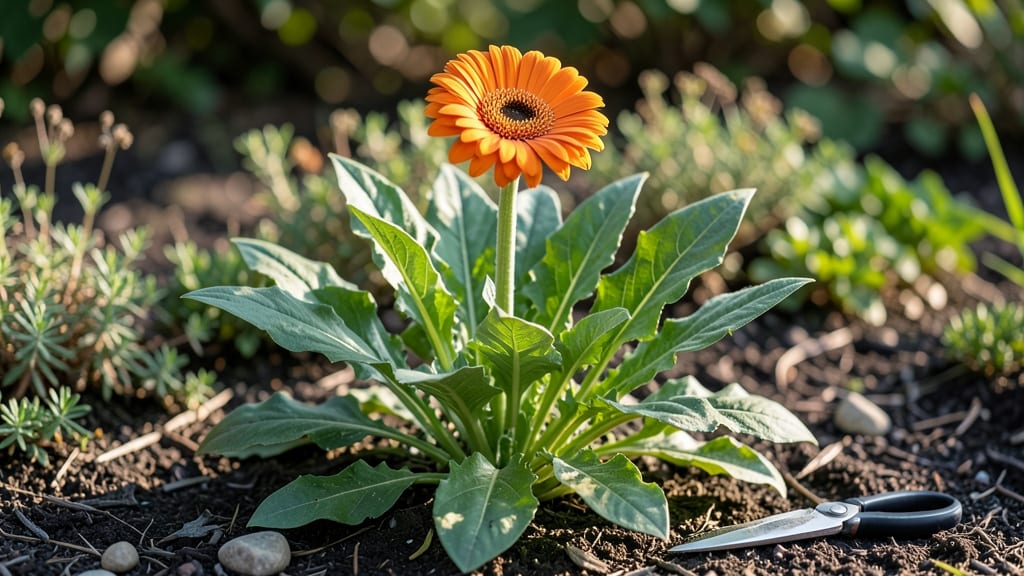
The flowers—gerbera daisies—burst into vibrant, sun-drenched blooms faster than you’d expect—just six weeks from seed to showstopper. 🌸 I’ve grown them in containers, garden beds, and even window boxes, and the secret isn’t complicated: they thrive on bright light, fast-draining soil, and a little coddling.
The first time I saw those bold colors pop in early summer, I knew I’d never buy them again.
You’ll need well-draining potting mix (or garden soil amended with perlite), 6+ hours of sunlight daily, and a warm spot—gerberas hate cold roots. Water when the top inch feels dry, and pinch back spent blooms to encourage more flowers.
The payoff? Nonstop color from late spring until frost, with minimal effort. Even my black thumb keeps these alive year after year.
Watch for aphids on new growth and powdery mildew in humid summers—both are easy to treat with neem oil. Gerberas also appreciate a balanced fertilizer every 4-6 weeks, but don’t overdo it.
The key is consistency: too much water or shade, and they’ll sulk. Too much sun in hot climates? Provide afternoon shade to keep petals crisp.
These flowers adapt to containers, borders, or cutting gardens—perfect for small spaces or vibrant centerpieces. Once you master the basics, you’ll be snipping stems for bouquets or admiring them in the garden. Let’s get those seeds (or plants) growing!
📚 In This Guide
- What you need
- Instructions
- Tips and common mistakes
- Wrapping up and next steps
What you need
- ● Gerbera daisy seeds or seedlings: Choose disease-resistant varieties (e.g., 'Mammoth', 'Scarlet', or 'Orange'). Quantity: 10-20 seeds or 5-10 seedlings for a full display.
- ● Well-draining potting mix: A blend of peat moss, perlite, and compost (ratio: 40% peat, 30% perlite, 30% compost). Quantity: 1-2 bags (1 cubic foot each) for 10+ plants.
- ● Containers or garden bed: Containers: 6-8 inch pots with drainage holes (Quantity: 1 per plant).
- ● Garden bed: Full sun (6+ hours/day) with loose, fertile soil (pH 6.0-6.5).
- ● Slow-release fertilizer: 10-10-10 NPK ratio (Quantity: 1 lb per 10 plants).
- ● Watering can or hose with gentle spray nozzle: Avoid soaking the soil.
- ○ Gloves (optional but recommended) to protect hands from soil and thorns.
- ● Trowel or small shovel for transplanting seedlings.
- ● Pruning shears to trim dead blooms and encourage regrowth.
- ○ Spray bottle (optional) for misting seedlings if humidity is low.
- ● Sunlight: Full sun (6+ hours/day) is non-negotiable—gerberas are sun-worshippers! 🌞
- ● Temperature: Ideal range: 60–75°F (15–24°C). Avoid frost (<32°F/0°C).
- ● Patience: 6 weeks to first blooms (with proper care!).
- ● Consistency: Water when the top 1 inch of soil is dry—no soggy roots!
Step-by-step guide to growing gerbera daisies from seeds
Brighten your garden with these cheerful blooms using my foolproof method.
🌱 Step 1: Start Seeds Indoors in Warmth
Fill small seed trays with a sterile seed-starting mix—gerbera seeds need loose, well-draining soil to prevent rot. Sprinkle seeds ¼ inch deep and cover lightly with more mix. Keep the soil consistently moist but never soggy; I use a spray bottle to avoid disturbing the seeds.
Place the trays in a warm spot (70-75°F) with bright, indirect light. A seedling heat mat speeds germination, which typically takes 7-14 days. Watch for the first tiny green sprouts—this is your cue to adjust care. If condensation forms on the tray lid, remove it to prevent fungal issues.
☀️ Step 2: Provide Bright Light and Gradual Hardening
Once seedlings emerge, move them to a south-facing window or under grow lights for 12-14 hours daily. Gerbera daisies need strong light to prevent leggy growth. If stems stretch toward the light, lower the grow light to 2-3 inches above the plants—they’ll thicken and grow sturdier within a week.
After 4-6 weeks, when seedlings have 3-4 true leaves, begin hardening them off. Start with 1 hour outside in partial shade, then gradually increase exposure over 10 days. This prepares them for transplanting without shock. Avoid direct midday sun during this phase—you’ll see leaves scorch if you rush it.
🪴 Step 3: Transplant to Outdoor Beds
Choose a sunny spot with well-draining soil—gerbera daisies hate soggy roots. Space plants 12-18 inches apart in rows 18 inches apart to allow airflow. Dig holes twice as wide as the root ball but no deeper; this encourages root spread rather than settling.
Water deeply after planting to eliminate air pockets, then mulch with 2-3 inches of organic mulch to retain moisture. Avoid fertilizing for 2 weeks—newly transplanted daisies focus energy on root establishment first. Look for fresh green growth in 7-10 days as confirmation they’re settling in.
💧 Step 4: Maintain Consistent Moisture and Deadhead
Water at the base when the top inch of soil feels dry—gerbera daisies wilt quickly if thirsty. Overhead watering promotes mildew, so use a drip irrigation system or water early in the morning. I check soil moisture daily during heatwaves to prevent stress.
Deadhead spent blooms weekly to encourage continuous flowering. Pinch back leggy stems to promote bushier growth. In late summer, reduce watering slightly to prepare for dormancy. You’ll see new buds form within 2 weeks of deadheading—proof the plants are thriving.
Tips & tricks for perfect gerbera daisy growth
Here's what nobody tells you about growing these vibrant blooms—these little details make all the difference.
Soil Sterility Secret: Sterilizing your seed-starting mix isn't just about preventing rot—it's about creating the perfect environment for those delicate gerbera seeds. I microwave my mix in 30-second bursts until steaming, then let it cool completely before use. This eliminates fungal spores that could sabotage your 7-14 day germination window. For extra insurance, add a sprinkle of cinnamon to the soil surface—it's naturally antifungal and won't harm your seedlings.
Lighting Strategy: Those 12-14 hours of daily light are non-negotiable, but here's the pro move: rotate your seedlings quarter-turn daily. Gerbera daisies grow toward the light source, and without rotation, they'll lean dramatically. This simple habit keeps them growing straight and sturdy from the very beginning. Think of it as their first sunbathing lesson—balanced and even!
Transplanting Timing: The 2-week fertilizer-free period after transplanting is your plant's chance to establish roots without distraction. I've seen growers skip this and end up with stressed plants that struggle to bloom. Use this time to monitor soil moisture instead—gerbera roots need consistent dampness but hate soggy conditions. A moisture meter helps you find that sweet spot between dry and waterlogged.
Deadheading Discipline: That weekly deadheading schedule isn't just about looks—it's about redirecting the plant's energy. When you remove spent blooms, you're telling the gerbera "keep growing more flowers, not seeds!" I make it a habit to deadhead first thing in the morning when buds are fully open. This gives the plant all day to respond before nightfall, maximizing your 2-week rebloom window.
Pro Tips for Flowers Gerbera Daisies
- Here's what nobody tells you about growing these vibrant blooms—these little details make all the difference.
- Soil Sterility Secret: Sterilizing your seed-starting mix isn't just about preventing rot—it's about creating the per...
- Lighting Strategy: Those 12-14 hours of daily light are non-negotiable, but here's the pro move: rotate your seedling...
Frequently asked questions
Got questions about growing or caring for gerbera daisies? You’re not alone! Here are some of the most common queries—plus quick, fuss-free answers to help your vibrant blooms thrive in just six weeks.
How long do gerbera daisies take to bloom from seed?
With the right care, gerbera daisies typically bloom in 6–8 weeks from seed. Start indoors 8–10 weeks before your last frost for a head start, or sow directly in warm soil (after all frost risk has passed). Pro tip: Keep seedlings in bright, indirect light and maintain consistent moisture to speed up germination!
How often should I water gerbera daisies?
Water gerbera daisies 1–2 times per week, ensuring the soil stays evenly moist but not soggy. Overwatering can lead to root rot, while underwatering causes buds to drop. Morning watering is ideal—it mimics natural rainfall and reduces fungal risks. Pro tip: Check soil moisture by sticking your finger 1 inch deep; if it’s dry, it’s time to water!
What’s the best sunlight exposure for gerbera daisies?
Gerberas thrive in full sun (6+ hours of direct light daily) for the brightest blooms. However, they can tolerate partial shade (4–6 hours of sun) in hot climates. Watch for: Leggy stems or pale flowers? They’re likely not getting enough light. Pro tip: Rotate pots occasionally for even growth if indoors!
Why aren’t my gerbera daisies blooming?
Common culprits include lack of sunlight, overcrowded roots, or nutrient deficiencies. Try these fixes:
- Move to a sunnier spot (gerberas need light to trigger blooming!).
- Prune spent blooms to encourage new growth.
- Fertilize with a balanced, low-nitrogen formula (like 10-10-10) every 4–6 weeks.
Still no luck? Check for pests like aphids or spider mites, which can stress plants.
Can I grow gerbera daisies in containers, and what’s the best pot size?
Gerberas adapt well to containers. Use pots at least 6–8 inches deep with drainage holes to prevent root rot. 12-inch pots work best for single plants, while larger containers (18+ inches) can accommodate 3–5 plants. Pro tip: Mix in perlite or sand for better drainage—gerberas hate “wet feet”!
What’s the ideal temperature range for growing gerbera daisies?
Gerberas love warmth and prefer temperatures between 60–75°F (15–24°C). They struggle in frost (below 30°F/-1°C) and may bolt or die in extreme heat (above 90°F/32°C). Pro tip: If you live in a hot climate, provide afternoon shade to protect delicate blooms!
Are gerbera daisies annuals or perennials?
Gerbera daisies are tender perennials in warm climates (USDA zones 9–11) but are typically grown as annuals in cooler regions. In colder areas, treat them as short-lived plants—they’ll reward you with vibrant blooms for one season before needing replanting. Fun fact: Some varieties, like ‘Orange Ice,’ are cold-hardy and may return in mild winters!
Wrapping up and next steps
Gerbera daisies are a burst of joy in a pot—bright, easy to grow, and perfect for adding color to any space! With just a few simple steps and minimal effort, you can enjoy their stunning blooms in as little as six weeks.
Whether you're a seasoned gardener or a beginner, these cheerful flowers prove that great things come from small beginnings.
Ready to dive in? Grab your supplies, follow the steps, and let your green thumb shine! 🌸 Your next step? Pick a sunny spot, plant those seeds, and watch your garden transform into a vibrant oasis.