
Flowers
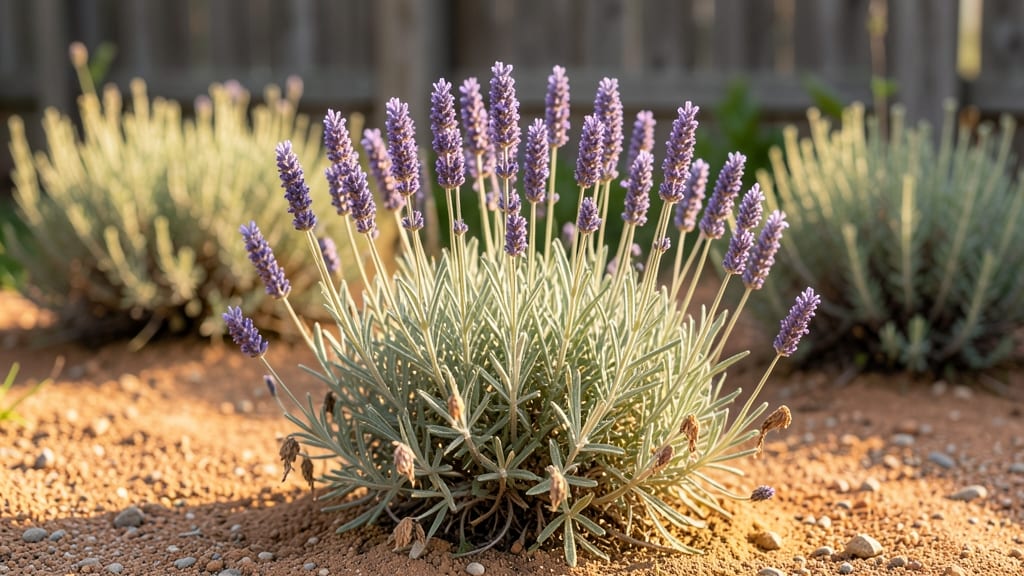
Flowers without pollen might sound like a gardening paradox, but they exist—and they’re changing how I enjoy my yard. ✨ These blooms skip the sneeze-inducing grains entirely, offering lush color and texture without the allergy headaches.
The secret lies in their petal structure: double blooms, ruffled edges, or tightly packed petals that hide the reproductive parts where pollen lives.
Gardeners love them for two big reasons: first, they let you enjoy blooms without the itchy aftermath. Second, their dramatic shapes—think snapdragons with their dragon mouths or roses with layers of petals—make them standout stars in any garden.
You’ll find them in every season, from spring’s clematis to winter’s hellebores, and they thrive in containers or garden beds alike.
Your allergy-friendly garden will stay vibrant with minimal fuss. These flowers need the same care as their pollen-heavy cousins—sunlight, water, and occasional deadheading—but their extra petals often mean longer bloom times. A bouquet from your own yard? Even better: no pollen to trigger allergies when you bring them inside.
Start small with a single snapdragon or double rose, then expand as you discover which varieties suit your space best. The payoff? A garden that’s as kind to your nose as it is to your eyes. Let’s get growing!
📚 In This Guide
- What you need
- Instructions
- Tips and common mistakes
- Wrapping up and next steps
What you need
- ● Allergy-friendly flower seeds or plants: African violet (Saintpaulia) – 5-10 plants
- ● Orchids (e.g., Phalaenopsis) – 3-5 plants
- ● Spider plant (Chlorophytum comosum) – 2-4 pots
- ● Peace lily (Spathiphyllum) – 3-5 plants
- ● Bromeliads (e.g., Aechmea) – 4-6 plants
- ● Potting soil: 1-2 bags (10-15 lbs each) of well-draining, organic mix (e.g., Miracle-Gro Indoor Potting Mix)
- ● Containers: Hanging baskets (4-6, 8-12" diameter)
- ● Ceramic pots (3-5, 6-8" diameter with drainage holes)
- ● Watering can or spray bottle (with a fine mist setting)
- ● Fertilizer: Balanced liquid fertilizer (20-20-20) or slow-release granules
- ○ Gloves (optional, for handling soil)
- ● Pruning shears (for trimming dead leaves)
- ● Humidity tray (for tropical varieties like orchids)
- ● Grow lights (LED, 1-2, for low-light areas)
- ● Pebbles or decorative stones (for drainage layers in pots)
- ○ Allergy test kit (optional, to verify pollen-free status of new plants)
How to create a year-round allergy-friendly flower garden
Here's how to pick and arrange blooms that stay beautiful without triggering sneezes.
🌱 Step 1: Select Certified Hypoallergenic Varieties
Start with flowers known for minimal pollen production. Look for varieties labeled "low-pollen" or "hypoallergenic" from reputable nurseries. Spider mums (Chrysanthemum morifolium), dusty miller (Jacobaea maritima), and snapdragons (Antirrhinum) are proven winners. Avoid grasses, ragweed, and goldenrod—they're major allergy triggers.
Check bloom time ranges to ensure year-round coverage. For spring, try sweet alyssum (Lobularia maritima) and pansies (Viola). Summer thrives with impatiens (Impatiens walleriana) and begonias (Begonia). Fall brings chrysanthemums and ornamental kale, while winter can feature hellebores (Helleborus) and winter jasmine (Jasminum nudiflorum).
☀️ Step 2: Arrange for Optimal Airflow and Sunlight
Space plants 12-18 inches apart to promote airflow, which reduces pollen spread. Taller varieties should face north or west to prevent pollen from drifting onto seating areas. Group plants with similar sunlight needs together—most low-pollen flowers prefer 4-6 hours of direct sun daily.
Use raised beds or containers for better drainage, which prevents mold spores that can worsen allergies. Mulch with 2-3 inches of bark or straw to suppress weeds (which release pollen) and retain moisture. Avoid wood chips from untreated wood, as they can harbor mold.
💧 Step 3: Water Strategically to Minimize Pollen
Water plants early in the morning so foliage dries completely by afternoon. This prevents fungal spores from thriving in damp conditions. Use a soaker hose or drip irrigation to deliver moisture directly to the soil—avoid overhead sprinklers that can disperse pollen particles into the air.
Check soil moisture by pressing your finger 1 inch deep. If it feels dry, water again. Overwatering stresses plants, making them more vulnerable to pests that can introduce pollen-producing weeds. Most low-pollen flowers prefer soil that stays evenly moist but not soggy.
✂️ Step 4: Maintain with Allergy-Conscious Pruning
Deadhead spent blooms immediately to prevent seed formation, which is when pollen production peaks. Use clean, sharp pruners to avoid damaging stems. Remove any yellowing or diseased leaves promptly—they can harbor mold spores that irritate allergies.
Prune in the late afternoon when pollen counts are naturally lower. Wear gloves if you're sensitive to plant sap. Dispose of clippings in sealed bags or compost them away from your garden to prevent pollen from spreading.
🪴 Step 5: Add Pollen-Free Accents for Texture and Color
Incorporate foliage plants like heuchera (Heuchera), hostas (Hosta), and ferns (Dryopteris) to break up floral displays without adding pollen. These plants offer vibrant colors and textures while keeping the air cleaner. Place them strategically near seating areas or walkways.
Consider adding a small water feature with a bubbling rock or fountain. The moving water creates a natural air filter, trapping pollen and dust particles. Position it downwind from your garden to capture pollen before it reaches your home.
Tips & tricks for perfect allergy-friendly flower gardens
Here's what nobody tells you about creating a garden that's as kind to your nose as it is to your eyes.
Seasonal Selection Strategy: The key to year-round beauty lies in overlapping bloom times. For example, plant sweet alyssum in early spring (March-April) alongside pansies, then transition to impatiens and begonias by June. By August, add chrysanthemums and ornamental kale, and finish with hellebores in December. This creates a continuous visual tapestry while keeping pollen production minimal. I always sketch a simple garden map first to visualize these transitions.
Airflow Architecture: The 12-18 inch spacing in Step 2 isn't just about aesthetics—it's your first line of defense against pollen spread. Think of it like a ventilation system: air circulates between plants, carrying pollen away from breathing zones. For extra protection, place seating areas downwind from your garden. I've noticed that adding a simple trellis with climbing roses (like 'The Fairy' variety) can actually improve airflow while adding vertical interest.
Watering Wisdom: That early morning watering isn't just about timing—it's about creating a dry environment that discourages mold spores. I've found that adding a thin layer of mulch (about 1 inch) right after watering helps lock in moisture while preventing fungal growth. For container gardens, I use self-watering pots with built-in reservoirs to maintain that "evenly moist but not soggy" balance without daily attention.
Pruning Precision: When deadheading in Step 4, always cut just above a leaf node or bud—never at a joint where branches meet. This encourages new growth while preventing disease entry points. For sensitive gardeners, I recommend wearing a simple dust mask during pruning, especially with plants like ornamental kale that can harbor mold. The late afternoon timing is perfect because it gives foliage time to dry overnight, reducing fungal risks.
Pro Tips for Flowers Without Pollen
- Here's what nobody tells you about creating a garden that's as kind to your nose as it is to your eyes.
- Seasonal Selection Strategy: The key to year-round beauty lies in overlapping bloom times. For example, plant sweet a...
- Airflow Architecture: The 12-18 inch spacing in Step 2 isn't just about aesthetics—it's your first line of defense ag...
Frequently asked questions
Got questions about pollen-free flowers? You’re not alone! Here are some common queries—and their answers—to help you navigate allergy-friendly blooms with ease.
What makes a flower "pollen-free" or low-pollen?
Flowers labeled as pollen-free or low-pollen typically produce minimal or no pollen grains, which are the primary triggers for allergies. Examples include orchids, African violets, and some varieties of roses. These blooms often rely on insects (like bees) for pollination rather than wind, which disperses pollen widely. Always check labels or research specific varieties—some "pollen-free" claims can vary!
Can I still grow pollen-free flowers outdoors?
Many pollen-free flowers thrive outdoors, from dahlias and snapdragons to impatiens and begonias. Just ensure they’re planted in well-draining soil with adequate sunlight (check their care tags). For severe allergies, consider container gardening on patios or balconies to minimize exposure to windborne pollen from neighboring plants.
Are there seasonal pollen-free flowers I can enjoy year-round?
Yes! Here’s a quick seasonal guide to keep your space bloom-filled without the sniffles:
Season
Pollen-Free Picks
Spring
African violets, orchids, pansies
Summer
Begonias, impatiens, zinnias (some varieties)
Fall
Chrysanthemums (select types), snapdragons, caladiums
Winter
Amaryllis, paperwhites, poinsettias (non-pollen-bearing)
Pro tip: Combine indoor and outdoor options for a continuous pollen-free display!
Why do some pollen-free flowers still cause allergies?
Even pollen-free flowers can trigger reactions if they share proteins with common allergens (like grasses or ragweed). For example, chrysanthemums might cause issues for some due to these similarities. If you’re highly sensitive, test small batches of new flowers indoors first or opt for hypoallergenic varieties (e.g., spider mums over standard mums). When in doubt, consult an allergist!
What’s the best way to clean pollen from flowers that aren’t pollen-free?
If you’re bringing home a flower with pollen (like a bouquet of lilies or sunflowers), reduce allergens with these steps:
- Rinse gently: Hold blooms under lukewarm water for 10–15 seconds to wash off pollen.
- Trim stems: Cut stems at an angle and place in clean water immediately to prevent pollen from spreading.
- Isolate blooms: Keep them in a separate room or use a vase with a pollen filter (available online).
- Wear gloves: Handle flowers outdoors if possible, then wash hands thoroughly.
For severe allergies, consider pre-ordering pollen-free bouquets from specialty florists!
Wrapping up and next steps
Discovering flowers without pollen opens up a world of vibrant, allergy-friendly blooms that bring beauty to your space without the sneezes! 🌸 From spider mums to orchids, these petal-perfect picks prove you don’t have to compromise on color or charm.
Whether you’re a gardener, a home decorator, or simply someone who loves nature’s artistry, these low-pollen varieties are your secret weapon for year-round joy.
Ready to transform your garden or home? Start small—add a single pot of pollen-free blooms to your windowsill or balcony and watch as your space (and your allergies) thank you! 🌿 For even more inspiration, explore seasonal guides or local nurseries specializing in hypoallergenic plants. Happy blooming!