
Container Gardens
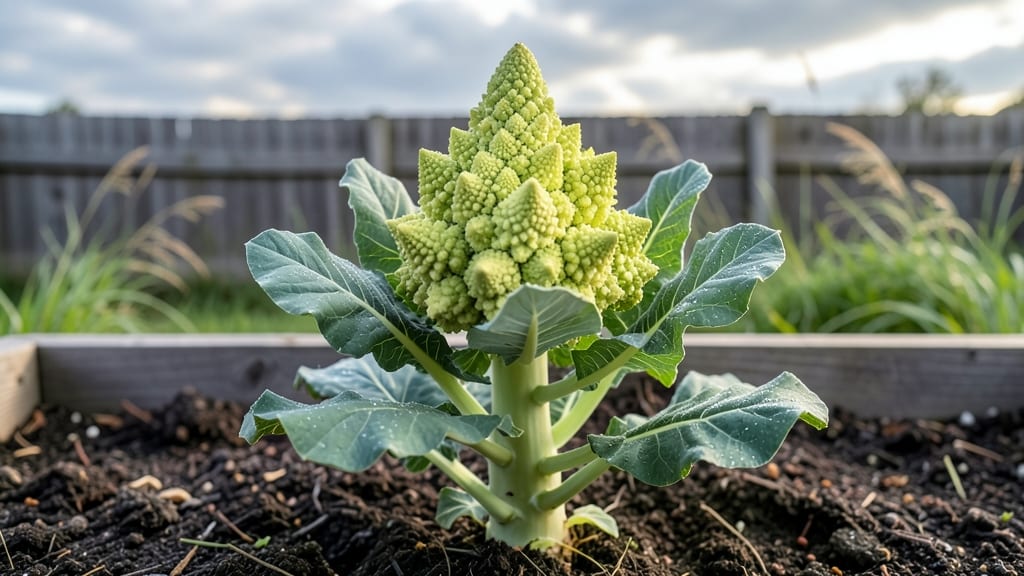
Growing Romanesco cauliflower in containers is the perfect way to enjoy this fractal beauty without needing a sprawling garden—it thrives in just 12 inches of depth and stays compact enough for balconies or sunny windowsills. 🌱 I learned the hard way that this picky plant demands cool roots and consistent moisture, but once you nail those basics, you’ll harvest bright green, lime-sized crowns that taste sweeter than store-bought cauliflower.
The key? Starting seeds indoors 8-10 weeks before your last frost so they’re ready to transplant when soil temps hit 55°F—any warmer and they’ll bolt before forming that iconic spiral head.
You’ll need well-draining potting mix (no garden soil—it compacts too much), a 5-gallon container per plant, and a spot with 6+ hours of sunlight daily. Romanesco hates soggy roots, so I use self-watering pots with drainage holes to keep moisture steady without drowning the plant.
A balanced organic fertilizer (like fish emulsion) every 4-6 weeks keeps it growing strong, but here’s the secret: side-dress with compost when the head starts forming—this boosts sweetness and prevents bitterness.
The plant’s blue-green, pinecone-like crown unfurls over 80-100 days, but don’t rush it—harvest when the spirals are 1.5–2 inches wide and tightly packed.
What makes Romanesco special isn’t just its looks—it’s the crunchy texture and nutty flavor that holds up better than regular cauliflower when roasted or steamed. My first harvest last summer yielded three heads per plant, and the neighbors kept asking where I bought them.
The trade-off? This plant hates heat—if temps climb above 80°F, it’ll bolt before forming a head. That’s why I grow mine in partial afternoon shade during summer’s peak, and I’ve even had success in fall plantings when nights cool down.
With the right setup, you’ll go from seed to showstopper sidedish in just three months—and no one will believe it grew in a pot on your patio.
Pro tip: Pair Romanesco with bush beans or lettuce in the same container—they tolerate similar conditions and help shade its roots. If you’re in a short-season climate, opt for fast-maturing varieties like ‘Green Magic’ (ready in 70 days).
And if your heads start yellowing or splitting, it’s a sign of too much nitrogen—switch to a low-nitrogen fertilizer and increase watering. The payoff? A compact, high-value crop that proves you don’t need a backyard to grow something extraordinary.
📚 In This Guide
- What you need
- Instructions
- Tips and common mistakes
- Wrapping up and next steps
What you need
- ● Romanesco cauliflower seeds: 3–5 seeds (choose a compact variety like ‘Graffiti’ or ‘Romanesco’ for containers).
- ● Growing containers: 1–2 large pots (12–18 inches deep) or a raised bed (at least 12 inches deep). Ensure they have drainage holes!
- ● High-quality potting mix: 5–10 gallons (well-draining, organic-rich blend). Avoid garden soil—it compacts too easily.
- ● Slow-release fertilizer: 1 cup (organic, balanced 10-10-10 or similar). Look for one with micronutrients like sulfur (romanesco loves it!).
- ● Compost or worm castings: 1–2 cups (for extra nutrients and moisture retention).
- ● Mulch: Straw or shredded leaves (1–2 inches thick) to retain moisture and suppress weeds.
- ● Hand trowel or small shovel: For planting and transplanting.
- ● Watering can or hose with a gentle spray nozzle: Romanesco hates soggy roots!
- ● Garden gloves: Protect your hands from prickly stems and soil.
- ● Plant labels: Mark varieties if growing multiple types.
- ○ Pruning shears (optional): For trimming lower leaves to prevent pests.
- ● Sunlight: 6–8 hours of full sun daily (south-facing window or balcony works for containers!).
- ● Temperature: Start seeds indoors at 70–75°F (21–24°C) or sow outdoors after last frost when soil is 40°F (4°C) or warmer.
- ● pH-balanced soil: Aim for 6.0–7.0 (test with a soil kit or use a simple pH meter). Romanesco thrives in slightly acidic to neutral soil.
- ● Patience: From seed to harvest, plan for 80–120 days (depending on variety).
- ● Use reflective surfaces (like white walls or mirrors) to maximize sunlight in shady spots.
- ● Interplant with herbs like dill or basil—they deter pests and save space!
- ● For container gardening, add a 1-inch layer of perlite to the bottom of pots for extra drainage.
Step-by-Step guide to cultivating Romanesco cauliflower in limited space
This striking fractal vegetable thrives with patience and precision—here’s how to coax those signature spirals in even the smallest garden.
🌱 Step 1: Start Seeds Indoors for Early Growth
Romanesco needs a long growing season, so begin seeds 8-10 weeks before your last frost date indoors. Use biodegradable peat pots (3-inch diameter) filled with sterile seed-starting mix—never garden soil, which can harbor damping-off pathogens. Press the mix down lightly to remove air pockets, then plant 2 seeds per pot at a depth of ¼ inch. Cover with a fine sprinkle of additional mix and mist gently until the surface is evenly moist.
Place pots in a warm location (70-75°F)—a seedling heat mat speeds germination to 7-14 days. Keep the soil consistently moist but never soggy; a humidity dome helps maintain even moisture. Once sprouts appear, remove the dome immediately to prevent fungal growth. Watch for first true leaves (not the initial seed leaves) before moving to brighter light.
☀️ Step 2: Provide Optimal Light and Fertility
Romanesco demands 14-16 hours of light daily—a south-facing window rarely suffices. Position a full-spectrum LED grow light 2-4 inches above seedlings and adjust height as they grow. Without sufficient light, seedlings stretch leggily and develop weak stems. You’ll know light is adequate when seedlings have thick stems and dark green leaves spaced 1-2 inches apart.
Fertilize seedlings with a balanced liquid fertilizer (10-10-10) at half strength when true leaves appear. Over-fertilizing burns tender roots, so dilute the solution further if you notice leaf edges browning. Harden off seedlings 2 weeks before transplanting by gradually increasing outdoor exposure from 1 hour to full sun over 10-14 days. This acclimation prevents transplant shock.
🪴 Step 3: Transplant to Containers or Garden Beds
Romanesco thrives in well-draining, slightly acidic soil (pH 6.0-6.8). If growing in containers, choose 5-gallon pots with drainage holes—each plant needs 18-24 inches of depth for root development. Fill pots with a mix of 50% potting soil, 30% compost, and 20% perlite. Transplant seedlings when they’re 4-6 inches tall, burying them to the first set of true leaves to encourage strong root growth.
Space plants 18-24 inches apart in garden beds or containers. Mulch with 2 inches of straw to retain moisture and suppress weeds. Water deeply 2-3 times weekly, ensuring the top 2 inches of soil remain moist but not waterlogged. Romanesco is sensitive to uneven moisture—wilting or soggy soil stresses the plant and reduces head formation.
✂️ Step 4: Maintain Consistent Care for Head Formation
Once plants reach 12 inches tall, begin side-dressing with compost every 4-6 weeks to support head development. Romanesco forms heads in cool weather (60-70°F)—if summer temperatures exceed 80°F, provide afternoon shade to prevent bolting. You’ll notice small buds forming at the crown—this is where the fractal heads emerge. Avoid disturbing the plant during this stage; gentle watering at the base prevents stem damage.
Harvest when the central head reaches 4-6 inches in diameter and the surrounding buds are tightly packed. Use a sharp knife to cut the stem 1-2 inches below the head. The plant may produce secondary heads after the first harvest—remove the primary head to redirect energy to side shoots. Store harvested heads in the refrigerator for up to 2 weeks or blanch and freeze for long-term use.
Tips & tricks for perfect Romanesco cauliflower cultivation
Between us, Romanesco's fractal beauty makes it worth every extra effort—here's how to ensure those stunning spirals without the common growing headaches.
Seed Starting Secret: In Step 1, when you're planting those 2 seeds per 3-inch pot, don't be tempted to use regular garden soil—it's packed with damping-off pathogens that'll kill your seedlings before they sprout. I learned this the hard way after losing three batches to black mold. The sterile seed-starting mix is worth every penny for that initial 8-10 week head start. Once those first true leaves appear, you'll know you're on track for strong plants.
Lighting Game-Changer: That 14-16 hours of daily light in Step 2 isn't just about growth—it's about preventing those leggy, weak seedlings that collapse under their own weight. I keep my full-spectrum LED grow light 2-4 inches above the seedlings and raise it weekly as they grow. When the leaves are dark green and spaced 1-2 inches apart, I know the light is perfect. Pro tip: Rotate your pots daily so all sides get even exposure.
Transplanting Technique: When you're ready to move those 4-6 inch tall seedlings to their 5-gallon pots in Step 3, bury them deeper than you think—right up to the first set of true leaves. This buried stem becomes the root zone, giving your Romanesco the strong foundation it needs for those impressive heads. I also water thoroughly before transplanting to reduce shock, then mulch immediately to lock in moisture.
Head Formation Watch: In Step 4, when you notice those small buds forming at the crown, that's your cue to be extra gentle. I've found that even a light brush against the plant can disrupt head formation. Water at the base rather than overhead, and if temperatures creep above 80°F, provide afternoon shade with a simple row cover. The key is consistency—those fractal patterns develop when the plant feels secure and undisturbed.
Pro Tips for Growing Romanesco Cauliflower
- Between us, Romanesco's fractal beauty makes it worth every extra effort—here's how to ensure those stunning spirals ...
- Seed Starting Secret: In Step 1, when you're planting those 2 seeds per 3-inch pot, don't be tempted to use regular g...
- Lighting Game-Changer: That 14-16 hours of daily light in Step 2 isn't just about growth—it's about preventing those ...
Frequently asked questions
Got questions about growing romanesco cauliflower?
Here are answers to the most common ones—whether you're a beginner or a seasoned gardener looking to optimize your space!
How long does it take for romanesco cauliflower to mature?
Romanesco typically takes 90–120 days from seed to harvest, depending on your climate and variety. In cooler regions, it may take longer, while warmer areas can speed up the process. Start seeds indoors 6–8 weeks before the last frost for a head start!
Can romanesco grow in cold weather?
Yes! Romanesco thrives in cool temperatures (50–70°F) and even tolerates light frosts better than regular cauliflower. Avoid planting in extreme heat (above 80°F), as it can cause bolting. If summers are scorching, use shade cloth or grow it in early spring or fall.
Is romanesco cauliflower good for containers?
Romanesco’s compact size makes it perfect for containers (12–18 inches deep). Use a well-draining potting mix rich in organic matter. Just ensure it gets 6+ hours of sunlight daily and keep the soil consistently moist but not soggy.
What pests should I watch for when growing romanesco?
Common pests include cabbage worms, aphids, and slugs. Use row covers early to deter caterpillars, handpick pests, or spray with neem oil. For slugs, set out beer traps or diatomaceous earth around the base. Regularly inspect leaves for signs of damage!
How do I know when romanesco is ready to harvest?
Harvest when the fractal-like buds are tight and bright green (about 6–8 inches wide). Use a sharp knife to cut the head cleanly, leaving a few inches of stem. If left too long, the buds may loosen or turn yellow. Pro tip: Harvest in the morning for the freshest flavor!
What can I plant with romanesco to improve growth?
Romanesco benefits from companion planting with herbs like dill, thyme, or basil (which repel pests). Avoid planting near strawberries or tomatoes, as they compete for nutrients. Try interplanting with leafy greens or radishes for efficient space use!
Wrapping up and next steps
Growing romanesco cauliflower in small spaces is not only possible—it’s rewarding!
With the right container, soil, and care, you’ll enjoy a stunning, nutrient-packed harvest that’s as beautiful as it is delicious. 🌱 Start by planting your seedling in a sunny spot, keep the soil consistently moist, and watch your fractal-shaped veggie thrive—even in a balcony or patio.
Ready to take the next step? Try experimenting with companion plants like herbs or leafy greens to maximize your space. Or, if you’re feeling adventurous, save seeds from your first harvest to grow even more next season!