
Flowers
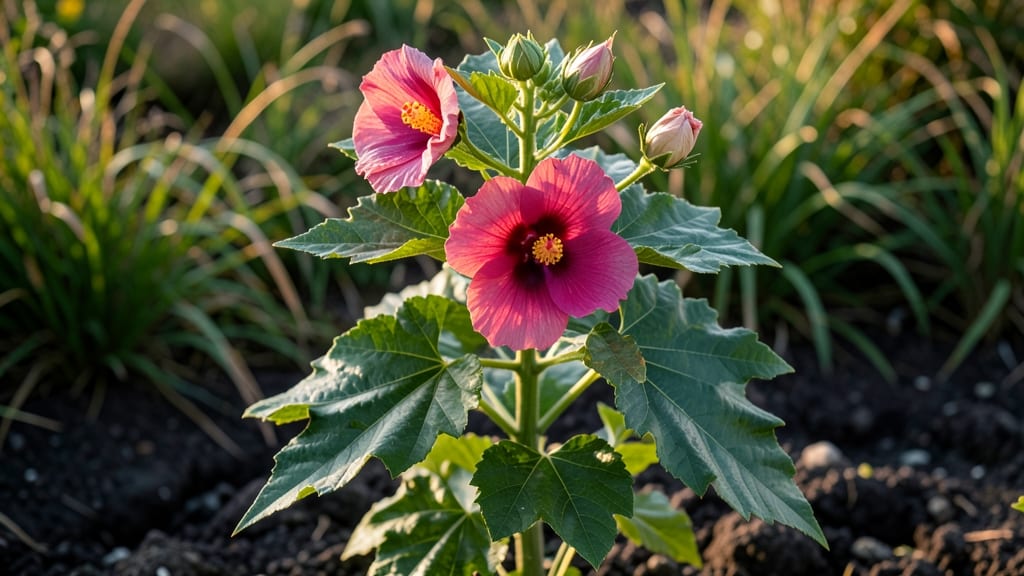
Hardy hibiscus flowers bring dramatic purple spires that refuse to fade in summer’s heat—something I learned the hard way after my first attempt wilted under blazing sun. These aren’t your finicky tropical cousins; they’re built for zones 5-9, where most flowers throw in the towel by July.
The secret? Rich, well-draining soil and a spot where they can soak up sun without scorching. I’ve grown them in full sun since, and they’ve repaid me with blooms from early summer through frost.
You’ll need three simple things to get started: a sunny spot (at least 6 hours of direct light), moist but well-draining soil, and a little patience. Hardy hibiscus hate soggy roots, so amend heavy clay with compost or sand.
Feed them with a balanced fertilizer in spring, then switch to low-phosphorus in summer to keep those blooms coming. My plants now produce foot-tall spires that last weeks—no deadheading required, though it does encourage more flowers.
The real magic happens when you see them in action: bold, dinner-plate blooms that catch the light like stained glass. They thrive in heat waves when other flowers droop, and their deep roots mean less watering once established.
Even in colder zones, they’ll bounce back from light frosts if you mulch well. The key is pruning in late winter—cut back by a third to encourage fresh growth, and watch them burst into color by June.
Perfect for borders, cottage gardens, or even containers on patios. Just remember: these aren’t delicate. They’ll forgive a missed watering but won’t tolerate poor drainage. Once you’ve got them planted, they’ll reward you with months of drama—and neighbors asking where you got them.
Let’s get those roots in the ground!
📚 In This Guide
- What you need
- Instructions
- Tips and common mistakes
- Wrapping up and next steps
What you need
- ● Hardy Hibiscus Plants: 3–5 healthy nursery-grown plants (look for Hibiscus moscheutos varieties like ‘Southern Belle’ or ‘Lady Baltimore’).
- ● Well-Draining Soil: 50% native soil (or potting mix for containers)
- ● 30% compost or aged manure (for nutrients)
- ● 20% perlite or coarse sand (to improve drainage)
- ● Sunlight Spot: A location with full sun (6+ hours/day)—hardy hibiscus loves heat!
- ● Watering Supplies: Garden hose with adjustable nozzle (for deep watering)
- ● Watering can (for containers or delicate seedlings)
- ● Fertilizer: Balanced 10-10-10 fertilizer (spring/early summer)
- ● Low-phosphorus fertilizer (e.g., 5-1-5) for established plants
- ● Mulch: 2–3 inches of organic mulch (e.g., pine straw or shredded bark) to retain moisture.
- ● Pruning shears (for shaping or deadheading)
- ● Stakes or cages (to support tall varieties in windy areas)
- ● Slow-release fertilizer tablets (for containers)
- ● Disease-resistant fungicide (if your area has high humidity)
- ● Gloves (to protect hands during pruning or soil prep)
Step-by-Step instructions for planting hardy hibiscus
Here's how I get these striking purple blooms thriving in even the toughest summer heat.
🌱 Step 1: Choose the Perfect Planting Location
Hardy hibiscus needs full sun exposure—at least 6-8 hours daily—to produce those bold purple flowers. I always pick the warmest, sunniest spot in my garden, often near a south-facing wall where the heat reflects back onto the plant. The roots will appreciate well-draining soil, so avoid low-lying areas where water pools after rain.
If your yard has heavy clay soil, amend it with 2-3 inches of compost mixed into the top 12 inches of soil. This improves drainage while providing nutrients these hungry plants need. I like to work in a handful of perlite too—just ½ cup per planting hole—to keep roots from sitting in soggy conditions. The plant will tell you it's happy with strong, upright stems and glossy leaves.
🪴 Step 2: Plant at the Right Depth and Spacing
Dig a hole twice as wide as the root ball but only as deep—never deeper than the plant's current soil line. This prevents stem rot from buried stems sitting in damp soil. Gently loosen the roots if they're circling tightly in the pot, then place the plant in the hole and backfill with native soil.
Space plants 4-6 feet apart to allow for their mature size and airflow between stems. Crowding invites fungal diseases like powdery mildew, which can defoliate plants quickly. After planting, water deeply to settle the soil around the roots—1 gallon per plant should do it. The soil should feel moist 6 inches down after watering, but not soggy.
☀️ Step 3: Provide Consistent Water and Heat Care
Hardy hibiscus thrives in heat but needs deep, infrequent watering—about 1 inch per week during dry spells. I water at the base in the early morning to reduce evaporation and fungal risks. The plant will wilt slightly in extreme heat, but it recovers quickly when watered—don't confuse this with drought stress.
Mulch around the base with 2-3 inches of organic mulch (like shredded bark) to retain moisture and regulate soil temperature. Keep the mulch 2 inches away from the stem to prevent rot. Fertilize lightly in early summer with a balanced 10-10-10 formula—just ½ cup per plant—to encourage blooming without excessive leaf growth.
✂️ Step 4: Prune for Stronger Blooms and Shape
Prune in late winter or early spring before new growth begins. Remove any dead, damaged, or crossing branches first—these compete with healthy growth. Then cut back the remaining stems by ⅓ their length to encourage bushier growth and more flower buds.
Throughout the growing season, pinch back the tips of new growth to promote branching. Deadhead spent blooms regularly—this redirects the plant's energy into producing new flowers instead of seed pods. I always use clean, sharp pruners and sterilize them with rubbing alcohol between cuts to prevent disease spread.
⏰ Step 5: Prepare for Winter Dormancy
As temperatures drop below 40°F, hardy hibiscus enters dormancy. Stop fertilizing and reduce watering to keep the soil just barely moist. The plant will shed most of its leaves, but don't panic—this is normal. I wrap the base of young plants with burlap or frost cloth for extra protection during the first few winters.
In early spring, when new growth appears, resume regular care. The plant will reward you with fresh, vibrant blooms by mid-summer if you've given it proper winter protection. Here's the thing—hardy hibiscus is tough, but it won't forgive neglect. Stay consistent with water, sun, and pruning, and you'll have those dramatic purple flowers year after year.
Tips & tricks for perfect hardy hibiscus flower growth
These simple but game-changing tips will help you coax those bold purple blooms from your hardy hibiscus—even in the toughest heat.
Sunlight Secret: The 6-8 hours of daily sun in Step 1 is non-negotiable, but here's what I've learned: if your location gets less than 6 hours, place your hibiscus near a reflective surface like a white wall or patio furniture. This can add 1-2 extra hours of effective sunlight that makes all the difference for those vibrant blooms. I've seen plants in partial shade still produce flowers, but they're smaller and less frequent—think of sunlight as the plant's energy drink.
Soil Science: When amending heavy clay soil in Step 1, I recommend mixing in a handful of coarse sand along with the 2-3 inches of compost. The sand helps break up clay particles while improving drainage, and it's something you likely already have around the house. Test your soil's moisture level by squeezing a handful—if it stays in a tight ball, it's too compacted. The goal is soil that crumbles easily when dry but holds moisture when wet.
Watering Wisdom: That 1-inch-per-week guideline in Step 3 works perfectly, but timing matters just as much. I've found that watering in the early morning gives the plant's leaves time to dry completely before evening, which dramatically reduces fungal risks. If you notice leaves curling or wilting by midday, it's thirst—not drought stress. Hardy hibiscus is remarkably resilient, but it will tell you when it needs a drink through these subtle signs.
Pruning Precision: When you cut back stems by ⅓ in Step 4, focus on removing the oldest, woodiest growth first. These stems are less likely to produce new blooms and take energy away from younger, more productive growth. I like to make my cuts just above a leaf node or bud where new growth can emerge. And here's a little secret: the more you deadhead spent blooms, the more flowers you'll get—it's like giving your plant a nudge to "make more babies" instead of focusing on seed production.
Pro Tips for Hardy Hibiscus Flower
- These simple but game-changing tips will help you coax those bold purple blooms from your hardy hibiscus—even in the ...
- Sunlight Secret: The 6-8 hours of daily sun in Step 1 is non-negotiable, but here's what I've learned: if your locati...
- Soil Science: When amending heavy clay soil in Step 1, I recommend mixing in a handful of coarse sand along with the ...
Frequently asked questions
How cold can hardy hibiscus tolerate?
Hardy hibiscus (like Hibiscus moscheutos) can survive light frosts down to 15–20°F (-9 to -7°C) once established. Young plants or those in containers need winter protection (mulch or frost cloth). In colder zones (below 5), plant in sheltered spots or dig up tubers for indoor storage.
When is the best time to plant hardy hibiscus?
Plant after the last frost in spring (when soil is warm, ~60°F/15°C). For container-grown plants, wait until nighttime temps stay above 50°F (10°C). Fall planting is possible in mild climates, but give roots 6–8 weeks to establish before winter.
How much water does hardy hibiscus need?
Keep soil consistently moist (but not soggy) during the first growing season. Mature plants tolerate short dry spells but thrive with 1–2 inches of water weekly in heat. Mulch around the base to retain moisture and reduce weeds. Overwatering can cause root rot—ensure well-draining soil!
What pests or diseases should I watch for?
Common issues include:
- Aphids/spider mites: Spray with water or use neem oil.
- Japanese beetles: Handpick or use row covers.
- Fungal diseases (rust/powdery mildew): Improve airflow; avoid overhead watering.
- Root rot: Use raised beds or amend heavy clay with compost.
Can I grow hardy hibiscus in containers?
Yes! Choose a large pot (15+ gallons) with drainage holes and use a lightweight potting mix. Move containers to a sunny spot and water regularly. In winter, bring pots indoors (or wrap in insulation) if temps drop below 25°F (-4°C). Dwarf varieties like ‘Luna Red’ are great for containers!
Wrapping up and next steps
The hardy hibiscus flower is a stunning, low-maintenance star for sunny gardens—perfect for adding bold color and resilience to your outdoor space! 🌸 From choosing the right variety to mastering pruning and pest control, these tips will help you cultivate thriving plants that bloom year after year.
Now that you’re armed with the knowledge, roll up your sleeves and get planting! Start by selecting a sunny spot in your yard, gather your supplies, and watch your hibiscus thrive. Happy gardening—your future blooms will thank you! 🌿✨