
Size
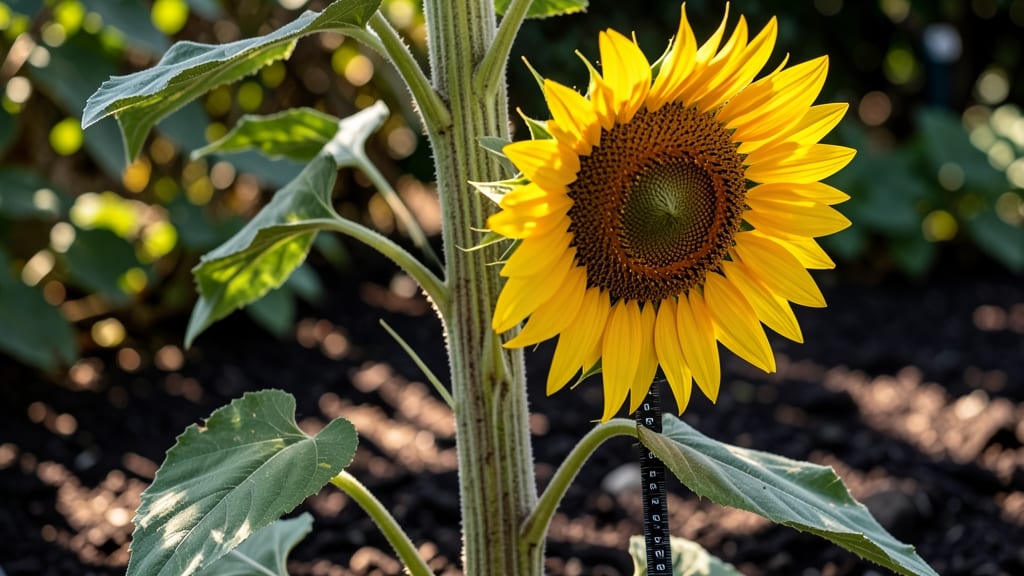
Wondering how high do sunflowers grow?
From tiny patio varieties under 2 feet to sky-reaching giants like 'Mammoth' that hit 12 feet, these cheerful blooms can transform any garden into a sunlit wonderland. 🌻 I’ve grown everything from dwarf sunflowers to towering border plants. and the difference in height comes down to variety, sunlight, and soil.
The right conditions turn a 6-foot plant into a 10-foot showstopper.
Most gardeners aim for medium-height sunflowers (6-10 feet), perfect for cutting or pollinator gardens. Dwarf varieties (under 3 feet) thrive in containers, while giant types need spacious beds and rich soil.
Sunlight is non-negotiable—these plants crave 6+ hours daily, or they’ll stay stunted. Even spacing (18-36 inches apart) prevents competition for nutrients, letting them grow to their full potential.
You’ll know you’re on track when stems thicken like tree trunks and leaves turn deep green. A healthy sunflower’s height isn’t just about genetics—it’s about giving it room to drink water deeply and stretch upward.
With the right variety and care, you could end up with sunflowers that dwarf your mailbox—or your neighbor’s jealousy.
For beginners, start with ‘Teddy Bear’ (3-4 feet) or ‘Russian Giant’ (10-12 feet) to see the range firsthand. Adjust spacing and soil based on your sunflower’s growth habit, and watch them reach for the sun like they’re trying to touch the clouds.
📚 In This Guide
- What you need
- Instructions
- Tips and common mistakes
- Wrapping up and next steps
What you need
- ● Sunflower seeds: Choose tall varieties like Mammoth Russian (10–12 ft) or American Giant (10–14 ft). Buy 5–10 seeds per plant (or a packet of 50+ for multiple plants).
- ● Well-draining potting soil: 5–10 gallons (depending on container size or garden plot). Mix in compost (1–2 cups per plant) for nutrients.
- ● Garden space or containers: For garden plots: Ensure 6+ inches of depth and 18+ inches of spacing between plants.
- ● For containers: Use pots at least 12 inches deep and 12 inches wide (larger = happier sunflowers!).
- ● Watering can or hose: With a gentle spray nozzle to avoid disturbing seedlings.
- ● Fertilizer: A balanced 10-10-10 or organic compost tea (apply at planting and mid-growth).
- ○ Stakes or trellis (optional but helpful): 5–6 ft bamboo stakes or a lightweight trellis to support tall varieties.
- ● Pruning shears: Small, sharp pair for trimming dead leaves or side shoots.
- ● Mulch: Straw or wood chips to retain moisture and suppress weeds.
- ● Sunflower-specific fertilizer: High in phosphorus (e.g., 5-10-10) to boost blooming.
- ● Grow lights: If starting indoors, use a full-spectrum LED (12–16 hours/day) until seedlings are hardened off.
- ● Bird netting: To protect blooms from squirrels or birds (especially for seed-saving varieties!).
- ● Soil pH test kit: Ideal pH for sunflowers is 6.0–7.5; adjust with lime or sulfur if needed.
Step-by-Step guide to understanding sunflower height potential
Growing sunflowers reveals their towering potential—here’s how to predict and encourage their impressive stature.
🌱 Step 1: Identify Your Sunflower Variety
Sunflower height varies dramatically by type. Giant varieties like 'Mammoth' or 'Russian Giant' can reach 12-14 feet, while dwarf types like 'Teddy Bear' max out at 3-5 feet. Check your seed packet for mature height ranges—this determines your expectations and spacing needs. I always plant a mix: one towering variety for drama and a few dwarf types for harvestable seeds and bouquets.
Here’s the thing—tall varieties need stronger stems to support their weight. If you’re growing in containers, choose dwarf types or use sturdy pots with wide bases to prevent tipping. For in-ground planting, ensure 6-12 inches of loose, well-draining soil to anchor deep roots.
☀️ Step 2: Provide Optimal Growing Conditions
Sunflowers thrive in full sun (6+ hours daily) and warm soil. Plant after your last frost when soil temperatures reach at least 55°F. I’ve seen leggy, weak stems when planted too early—wait for consistent warmth to avoid this common pitfall.
Water deeply once a week (about 1 inch total) after germination. Overwatering leads to weak stems that can’t support their own height. Instead, let the top 2 inches of soil dry out between waterings. This encourages stronger, more resilient stems capable of reaching their full potential.
🪴 Step 3: Support Tall Varieties for Maximum Height
Tall sunflowers often need support to reach their full height. I use bamboo stakes or metal cages inserted 6 inches deep at planting. For varieties over 8 feet, tie stems loosely with soft garden twine every 2-3 feet as they grow. Avoid tight binding—sunflower stems expand as they mature.
Watch for wind damage in exposed areas. If your plants sway excessively, add a second stake or secure them at a 45-degree angle to distribute weight. The goal is to let them grow vertically without snapping under their own weight. You’ll see the difference in a week—straight, unbroken stems reaching toward the sky.
✂️ Step 4: Monitor Growth and Adjust Care
Sunflowers grow 2-4 inches per day during peak season. Check stems weekly for pest damage (like aphids or beetles) or fungal spots, which weaken structural integrity. Remove affected leaves immediately to prevent spread. Healthy stems have a smooth, slightly waxy texture—any rough patches signal trouble.
Fertilize once with a balanced 10-10-10 formula at planting, then again when flowers form. Too much nitrogen late in the season leads to leafy growth at the expense of height. I swear by compost tea for the last few weeks to boost natural strength without overfeeding.
⏰ Step 5: Harvest at Peak Maturity
Tall sunflowers are ready for harvest when back-of-flower petals turn brown and the seed head feels heavy. Cut stems at a 45-degree angle with 6 inches of stem remaining for vase life. For seed-saving, leave heads on the plant until they’re completely dry and brown—this can take 4-6 weeks after flowering.
Here’s the moment that matters: When you hold a 12-foot sunflower, you’ll see why they’re called "skyward giants." Store cut flowers in cool water and change it daily to maintain height. For seed heads, dry them in a well-ventilated area before storing in paper bags to prevent mold.
Tips & tricks for growing towering sunflowers
Real talk: those 12-foot sunflowers don't happen by accident. Here's what actually makes the difference between a nice sunflower and a skyward giant.
Variety Selection: The 12-14 foot potential mentioned in Step 1 isn't just marketing—it's science. For maximum height, choose open-pollinated heirloom varieties like 'Russian Giant' or 'Mammoth'. Hybrid varieties often sacrifice height for disease resistance. I've seen 'Russian Giant' reach 14 feet in ideal conditions, but only when planted in loose, fertile soil with proper spacing. Pro tip: Plant your tall varieties at least 2 feet apart to prevent competition that stunts growth.
Soil Preparation: That 6-12 inches of loose, well-draining soil in Step 1 isn't just about drainage—it's about creating deep root zones. Amend your soil with compost before planting to provide nutrients for those towering stems. I swear by mixing in aged manure or worm castings for extra strength. The deeper the roots, the taller the plant can grow without toppling. Think of it as building a skyscraper foundation—you wouldn't build one on sandy soil, would you?
Growth Monitoring: Those 2-4 inches per day in Step 4 are incredible growth rates, but they require vigilance. Check your plants weekly for any signs of stress—yellowing leaves, wilting, or unusual spots. I've seen sunflowers grow 6 inches in a single day, but only when they're healthy. If you notice any issues, address them immediately. The difference between a 10-foot sunflower and a 12-foot one often comes down to these small checks during the growing season.
Support System: The 6-inch deep stakes in Step 3 aren't just for show—they're essential for varieties over 8 feet. I've seen massive sunflowers snap in half when they hit 10 feet without support. The key is to tie them loosely every 2-3 feet as they grow. Too tight and you'll restrict growth; too loose and they'll sway dangerously. Think of it like training for a marathon—you need just enough support to build strength without holding you back.
Pro Tips for How High Do Sunflowers Grow
- Real talk: those 12-foot sunflowers don't happen by accident.
- Variety Selection: The 12-14 foot potential mentioned in Step 1 isn't just marketing—it's science.
- Soil Preparation: That 6-12 inches of loose, well-draining soil in Step 1 isn't just about drainage—it's about creating deep root zones.
Frequently asked questions
Got questions about sunflower height? You’re not alone! Here are some of the most common queries—and answers—to help you grow the tallest, happiest sunflowers in your garden.
How tall do sunflowers grow in containers vs. the ground?
Sunflowers in containers typically max out at 3–5 feet (due to root restrictions), while those planted in well-draining soil can soar to 8–12 feet. For containers, choose dwarf varieties like ‘Teddy Bear’ (3–4 ft) or ‘Moulin Rouge’ (4–5 ft). Pro tip: Use large pots (15+ gallons) and deep planting to encourage height!
Can sunflowers grow taller with extra water or fertilizer?
Too much of either can backfire! Overwatering or heavy nitrogen fertilizer promotes leafy growth over height. Instead, water deeply 1–2 times per week (adjust for drought) and use a balanced 10-10-10 fertilizer sparingly. Focus on sunlight (6+ hours/day) and sturdy stakes for support—nature does the rest!
Why are my sunflowers short and bushy instead of tall?
Short, bushy sunflowers often suffer from overcrowding, poor soil, or weak stems. Space plants 12–24 inches apart, amend soil with compost, and prune side shoots to direct energy upward. If stems are floppy, add a bamboo stake or trellis early. Varieties like ‘Russian Giant’ (10–12 ft) need strong genetics—don’t blame the gardener!
What’s the fastest-growing sunflower variety?
For speed demons, try ‘Autumn Beauty’ (7–10 ft in 60–80 days) or ‘Mammoth’ (12+ ft in 80–100 days). Dwarf ‘Sunspot’ (3–4 ft) matures in just 50–55 days—perfect for impatient gardeners! Plant seeds ½ inch deep in warm soil (70°F+) for the quickest sprouts.
Do sunflowers grow taller in full sun or partial shade?
Full sun (6+ hours/day) is non-negotiable
for tall sunflowers! Partial shade (<4 hours) stunts growth, leading to weak stems and smaller blooms. If your yard is shady, opt for dwarf varieties like ‘Lemon Queen’ (4–5 ft) or grow sunflowers near a south-facing fence for reflected light.
Can I prune sunflowers to make them grow taller?
Pruning after the main stem forms won’t add height, but you can encourage a single tall stalk by removing side shoots when they’re 6–12 inches tall. Avoid cutting the top bud—this signals the plant to branch instead of grow upward. For bushier (but shorter) plants, let side shoots thrive!
Wrapping up and next steps
Sunflowers are nature’s towering artists—some varieties stretch 12 feet or higher while others stay humble at just a few feet, all thanks to genetics, care, and a little sunshine! 🌻 Whether you’re dreaming of a backyard skyline or a cozy patio display, knowing their growth potential helps you pick the perfect variety for your space.
Now that you’re armed with insights, why not take the next step? Grab some seeds, a sunny patch, and let the sunflower magic begin—your garden (and Instagram feed) will thank you!