
Pruning
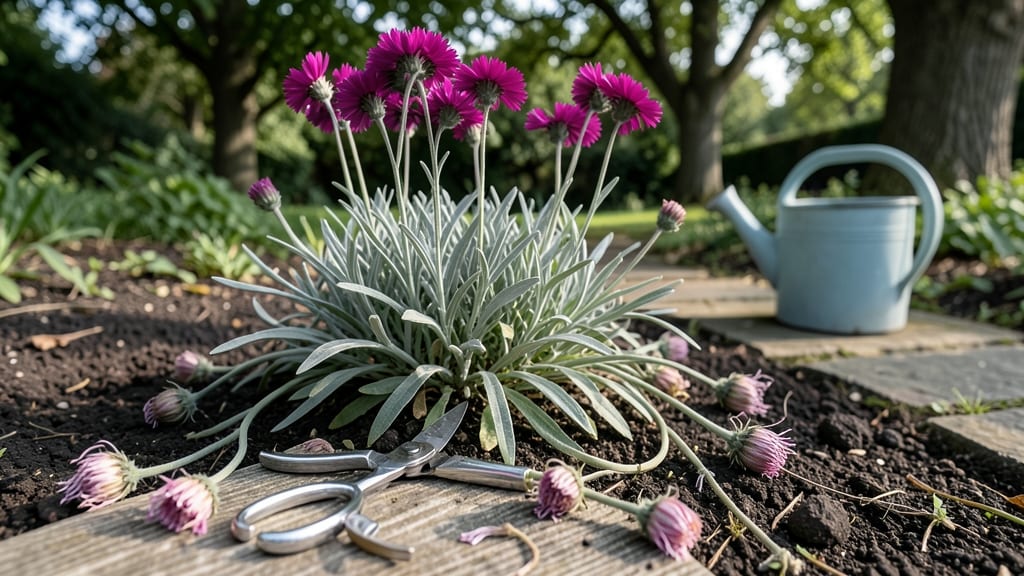
Deadheading dianthus flowers isn’t just about tidying up—it’s the secret to nonstop blooms all season long. 🌸 I’ve watched my dianthus go from one pretty flush of flowers to a six-week parade of color just by making three simple cuts in the right places.
The key? Timing and technique matter more than you’d think.
You’ll only need a pair of clean pruners (or your fingers, for small blooms) and about five minutes after each flowering cycle. The goal is to snip just above the next set of leaves or buds—never into bare stems.
This trick tells the plant, “Hey, keep making flowers, not seeds!”—and the results are shockingly lush clusters that keep coming.
What you’ll end up with is a dianthus bush that looks like it’s been spray-painted with color instead of just having a few scattered blooms. The flowers stay brighter, the stems stay sturdy, and you’ll harvest cuttings for bouquets that last longer too.
It’s the kind of simple maintenance that makes gardening feel effortless.
Works for both garden borders and container plants, and the method scales from a single pot to a whole bed. Once you try it, you’ll wonder why you didn’t do this years ago—your dianthus will thank you with blooms until frost.
📚 In This Guide
- What you need
- Instructions
- Tips and common mistakes
- Wrapping up and next steps
What you need
- ● Pruning shears or sharp scissors – Opt for bypass pruners (clean, sharp blades) to make precise cuts without crushing stems. Size: Small handheld pruners (3-4 inches) work best for delicate Dianthus.
- ○ Gloves (optional but recommended) – Lightweight gardening gloves protect your hands from thorns (some varieties have them!) and dirt. Tip: Choose breathable fabric like cotton or nitrile-coated for grip.
- ● Disinfectant (rubbing alcohol or bleach solution) – Clean your tools with a 1:10 bleach-water mix or 70% isopropyl alcohol to prevent disease spread between cuts.
- ● Bucket or trash bag – A small container to collect spent blooms and debris. Pro tip: Use a compostable bag if you’re composting!
- ○ Water spray bottle (optional) – A light mist helps settle dust and keeps stems clean for healthier cuts.
- ● Hand lens or magnifying glass – Helps spot hidden buds or pests on stems.
- ● Garden twine or plant ties – Useful if your Dianthus is leggy and needs support after pruning.
- ● Slow-release fertilizer (granular or spikes) – Replenish nutrients post-pruning for a boom in regrowth. Look for: Balanced NPK (e.g., 10-10-10) or phosphorus-heavy (e.g., 5-10-5).
- ● Pruning sealant (for woody stems) – Only needed if cutting into older, thicker stems (rare for most Dianthus varieties).
Step-by-Step guide to deadheading dianthus for longer blooms
Here's the foolproof method I use to keep my dianthus flowering all season long.
✂️ Step 1: Identify the Right Time to Prune
Wait until after a flower fully opens but before it starts to fade or develop seed pods. The perfect moment is when the petals are bright and showy but the center isn't turning brown. I check my plants every 2-3 days during peak bloom to catch this window—it's when the flower looks fresh but isn't quite finished.
Real talk: Don't cut too early or you'll remove blooms that could still attract pollinators. And don't wait too long—the longer a flower stays on the plant, the more energy it diverts from producing new buds. Think of it like giving your plant a haircut at the right length—too short and it looks messy, too long and it loses shape.
✂️ Step 2: Make the Clean Cut at the Base
Use clean, sharp pruners or even your fingers to pinch off the spent bloom right at the base, where the flower stem meets the main plant. This ensures you're removing the entire flower head without leaving any stem stubs that could rot. I like to make the cut at a 45-degree angle just above a set of healthy leaves or a side bud—this gives water a better chance to run off and helps new growth emerge.
Here's the thing—don't cut into the woody stems. You want to remove just the flower and its stem down to where it meets the foliage. If you accidentally cut into the main stem, the plant will look ragged and may not produce as many new flowers. Think of it like trimming your nails—you want to remove just the dead part without hurting the living tissue underneath.
✂️ Step 3: Encourage New Growth with Strategic Pruning
After removing the spent bloom, look for any side buds or new growth emerging from the same stem. These are your plant's way of saying, "I've got more flowers ready to go!" If you see small buds forming near where you cut, leave them be—they'll develop into new blooms. If the stem is completely bare, you can safely trim it back to encourage bushier growth.
I always take a quick look at the overall shape of the plant after deadheading. If it's looking leggy or sparse, I'll give it a light trim to encourage more compact growth. Just snip back any stems that are growing too long or looking weak. This isn't about removing flowers—it's about shaping the plant so it looks full and healthy while still producing blooms.
🌿 Step 4: Maintain Consistent Care After Pruning
After deadheading, give your dianthus a little extra attention to keep it thriving. Water deeply once a week (or more if your soil feels dry to the touch), and make sure it has at least 6 hours of sunlight daily. I've found that plants deadheaded regularly need slightly more water because they're putting all their energy into producing new flowers rather than maintaining old ones.
Here's where it gets fun—watch the new buds form within 7-10 days of your first deadheading. You'll see tiny green swellings at the base of the stems where you cut, and these will open into fresh flowers. It's like watching a plant give you a second chance to enjoy its beauty, and it's one of the most rewarding parts of gardening.
⏰ Step 5: Repeat for Continuous Blooms
Deadheading isn't a one-time task—it's an ongoing process. I like to set a reminder to check my dianthus every 3-4 days during peak bloom season. The more consistently you deadhead, the longer your plants will flower. I've had dianthus blooms nonstop from late spring through early fall just by staying on top of this simple task.
Don't skip deadheading just because you're not seeing new buds right away. Sometimes the plant needs a little time to recover, especially after heavy blooming. If you notice the plant looking tired or the flowers getting smaller, give it a break for a week or two, then resume deadheading. The key is balance—keep it blooming but don't overdo it.
Tips & tricks for perfect dianthus deadheading
These simple tricks will help you keep your dianthus blooming like a pro without any extra effort.
Timing Secret: The 2-3 day check frequency in Step 1 is your best friend. I set a quick phone reminder so I don't forget—those few days make all the difference between a plant that keeps blooming and one that starts looking tired. Watch for the center of the flower to stay bright and crisp, not turning brown or papery. That's your golden window for cutting.
Tool Technique: Don't underestimate the power of clean tools! I always wipe my pruners with rubbing alcohol before and after deadheading to prevent spreading disease between plants. For delicate dianthus, I often use my fingers instead—just pinch right at the base where the flower meets the stem. The key is to make it quick and clean so you don't damage the plant's energy flow.
Visual Cue for Step 2: When making that 45-degree cut in Step 2, imagine you're making a tiny roof over the side bud below. This little angle helps water run off and protects the new growth from rot. If you're unsure where to cut, look for the tiny green buds forming just below the flower—those are your target spots for the clean cut.
Pro Tips for Deadhead Dianthus Flowers
- These simple tricks will help you keep your dianthus blooming like a pro without any extra effort.
- Timing Secret: The 2-3 day check frequency in Step 1 is your best friend. I set a quick phone reminder so I don't for...
- Tool Technique: Don't underestimate the power of clean tools! I always wipe my pruners with rubbing alcohol before an...
Frequently asked questions
Got questions about deadheading dianthus? You’re not alone! Here are some common concerns—and their simple solutions—to keep your flowers thriving.
When is the best time of day to deadhead dianthus?
Deadhead dianthus in the early morning when the flowers are fully open but still damp with dew. This timing reduces stress on the plant and helps prevent fungal issues. Avoid late afternoon or evening, as wet foliage can invite pests or disease.
How often should I deadhead dianthus for continuous blooms?
Deadhead spent blooms weekly during peak flowering (spring to fall). For varieties like Dianthus barbatus, remove faded flowers as soon as you spot them. Over time, this encourages more buds and prolongs the blooming season—some varieties can flower for months!
What if I accidentally cut too much of the stem?
Don’t panic! If you snip too close to the base, simply trim back to a healthy leaf node (about ¼ inch above it). Dianthus is hardy and will bounce back. Just avoid cutting into woody stems, as this can harm the plant’s growth.
Can I use deadheaded dianthus flowers in arrangements?
Freshly deadheaded blooms make stunning cut flowers—just place them in water immediately to extend their vase life. Their sweet fragrance and vibrant colors add charm to bouquets. Bonus: You’ll have fewer stems to deadhead later!
Does deadheading work for dianthus in hot or cold climates?
Yes, but adjust your approach:
- Hot climates: Deadhead daily during heatwaves to prevent wilting and encourage new growth.
- Cold climates: Wait until after the last frost to start deadheading. In winter, let some blooms stay for seed production if you want next year’s plants.
Wrapping up and next steps
Deadheading your dianthus flowers is a simple yet powerful way to keep your garden vibrant and encourage nonstop blooms! 🌸 With just a few precise cuts and a little regular care, you’ll enjoy lush, long-lasting flowers all season.
Now that you’re armed with the right techniques, grab those pruners and get pruning—your garden will thank you!
Ready for more? Try experimenting with deadheading other perennials like roses or lavender to see how easy it is to extend their beauty. Happy gardening! 🌿