
Pests
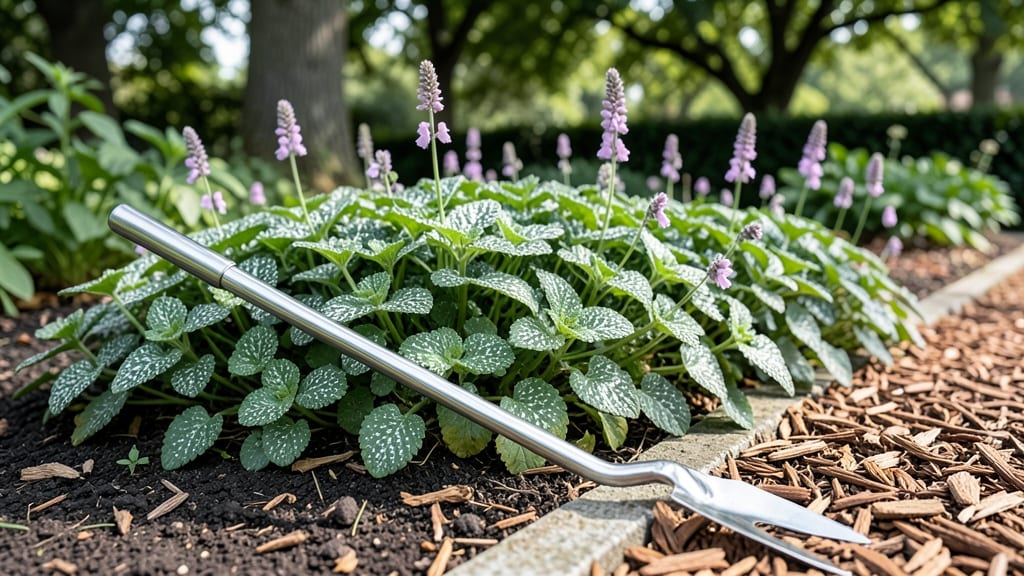
My flower beds used to look like a jungle, not a garden—until I discovered this natural vinegar solution that actually kills weeds at the root. 🌱 The key isn’t brute force; it’s understanding how weeds grow and starving them out before they take over.
Most store-bought herbicides leave chemical residue, but this method cleans up fast and keeps your blooms safe.
You only need three things: white vinegar, dish soap, and a spray bottle—no fancy equipment. The mix works best on sunny days when weeds are actively growing, and it’s safe to use around most flowers once fully dried.
I’ve used it on dandelions, clover, and even stubborn creeping Charlie, and the results are visible within 24 hours.
What you’ll get is a weed-free bed that stays that way with regular maintenance. The soil stays healthy, your flowers thrive without competition, and you avoid the mess of digging or burning. Plus, this method prevents new weeds from sprouting for weeks—no more endless pulling or hoeing.
Works for any flower bed, from small borders to large garden plots. The secret is consistency: treat early, treat often, and watch your garden transform into the lush, low-maintenance space you’ve always wanted.
📚 In This Guide
- What you need
- Instructions
- Tips and common mistakes
- Wrapping up and next steps
What you need
- ● White vinegar (5%–20% acetic acid) – 1 gallon per application (higher concentration = stronger kill).
- ● Spray bottle or garden sprayer – 16–32 oz capacity (with a fine mist nozzle for precision).
- ● Dish soap (liquid, unscented) – 1–2 tbsp (helps vinegar stick to weeds).
- ● Water – 1 gallon (for diluting vinegar, if needed).
- ● Gloves (nitrile or rubber) – 1 pair (vinegar can irritate skin!).
- ● Garden shears or pruners – 1 pair (for cutting stubborn weeds at the base).
- ○ Garden mulch (optional but recommended) – Straw, wood chips, or shredded leaves (2–3 inches deep) (prevents regrowth!).
- ● Spray shield or cardboard – Protects nearby plants from vinegar splash.
- ● Baking soda or salt – 1–2 tbsp per gallon (boosts weed-killing power, but use sparingly—can harm soil).
- ● Hose with nozzle – For rinsing tools or diluting sprays.
- ● Label or markers – To mark treated areas and avoid reapplication.
Step-by-step guide to eliminating weeds naturally in flower beds
Here's my go-to method for clearing weeds without harsh chemicals—it works fast and keeps your garden thriving.
🌱 Step 1: Identify and Clear Existing Weeds
Start by pulling weeds when the soil is moist—this makes roots easier to remove. Grab weeds at the base and wiggle them free, especially for deep-rooted varieties like dandelions. You'll see stubborn weeds break off, so focus on getting the entire root system out to prevent regrowth.
For tough weeds, use a hand weeder or fork to loosen roots before pulling. I like to work in small sections—about 2 square feet at a time—so I don’t miss any sneaky sprouts hiding under flowers. After clearing, rake the area lightly to remove any remaining debris.
💧 Step 2: Apply the Natural Vinegar Solution
Mix 1 gallon of white vinegar with 1 cup of salt and 1 tablespoon of dish soap in a spray bottle. The vinegar kills weeds by dehydrating them, while the salt prevents regrowth, and the soap helps the solution stick to leaves. Shake well before spraying—this ensures even coverage.
Spray the mixture directly onto weeds, avoiding desirable plants. Vinegar works best on young weeds, so tackle fresh growth first. You’ll notice weeds wilting within 24 hours, and they’ll turn crispy and brown in 3-5 days. Reapply if any weeds survive the first treatment.
☀️ Step 3: Prevent Future Weed Growth
After treating, cover the area with 2-3 inches of mulch to block sunlight and suppress new weeds. Organic mulch like shredded leaves or straw also improves soil health as it breaks down. I like to refresh mulch every 4-6 weeks to maintain its weed-blocking power.
Water the flower bed lightly after mulching to help the mulch settle and keep weeds from pushing through. This step is key—mulch alone won’t stop weeds if it’s too thin or dry. Check for new sprouts weekly and pull them before they take hold.
✂️ Step 4: Maintain Weed-Free Flower Beds
Once weeds are under control, stay vigilant. I inspect my flower beds every 7-10 days for new growth, especially after rain. A quick hand-pulling session keeps weeds from competing with your flowers for nutrients and water.
For stubborn weeds, repeat the vinegar treatment every 2-3 weeks during the growing season. Over time, your flower beds will stay cleaner with less effort. The key is consistency—weeds won’t stand a chance if you catch them early!
Tips & tricks for perfect weed-free flower beds
Real talk: Weeds hate consistency almost as much as they hate vinegar. Here's how to turn this method into a foolproof routine.
Timing Secret: The 24-hour wilting window after spraying is your best friend. That's when weeds are most vulnerable—spray in the morning so you can see immediate results by evening. I've found that spraying on a cloudy day gives you an extra 6 hours of effectiveness, as direct sunlight can evaporate the solution faster.
Ingredient Upgrade: For extra tough weeds like creeping Charlie, add 1 tablespoon of lemon juice to your vinegar mix. The acidity boosts the solution's power without changing the core recipe. Just be extra careful not to spray near delicate flowers—the lemon juice can be slightly more aggressive than plain vinegar.
Make-Ahead Strategy: You can actually prep your vinegar solution up to 2 weeks in advance and store it in a sealed container in your garage or shed. The salt will precipitate slightly, so give it a good shake before each use. I keep a batch ready for those sudden weed outbreaks after rain—it saves me time when I'm already frustrated with the garden.
Tool Tip: Invest in a pair of long-handled weeding gloves with a built-in weeder. They make pulling deep roots in flower beds a breeze without bending over. I use mine for the 2 square feet sections mentioned in Step 1—it cuts my weeding time in half and protects my hands from prickly stems. The ergonomic design also helps with wrist strain during long sessions.
Pro Tips for Get Rid Of Weeds In Flower Beds
- Real talk: Weeds hate consistency almost as much as they hate vinegar. Here's how to turn this method into a foolproo...
- Timing Secret: The 24-hour wilting window after spraying is your best friend. That's when weeds are most vulnerable—s...
- Ingredient Upgrade: For extra tough weeds like creeping Charlie, add 1 tablespoon of lemon juice to your vinegar mix....
Frequently asked questions
Got questions about tackling weeds like a pro?
You’re not alone—we’ve rounded up the most common queries to help you conquer those pesky invaders with confidence! Whether you’re curious about timing, safety, or DIY hacks, we’ve got answers that’ll make your flower beds thrive.
Can vinegar kill weeds permanently, or will they grow back?
Vinegar is a powerful weed killer, but its effectiveness depends on how you use it. For best results, apply it on a sunny day (when weeds are actively growing) and reapply after rain. While vinegar kills above-ground growth, it may not always eradicate deep roots. For stubborn weeds, repeat treatments every 1–2 weeks until they’re gone for good!
When is the best time of year to treat weeds in flower beds?
Timing matters! Aim for late spring or early summer when weeds are young and actively growing. Avoid treating in winter (when growth slows) or late fall (when frost can reduce vinegar’s potency). Early morning applications work best—weeds absorb the solution before evaporation sets in.
Will vinegar harm my flowers or plants nearby?
Vinegar is selective, so it’s crucial to protect your prized plants. Spray only on weeds (use a spray nozzle or a paintbrush for precision) and avoid overspraying nearby flowers. For extra safety, apply vinegar to weeds after watering your flower beds—this gives moisture a chance to dilute any accidental contact.
What’s a natural alternative if vinegar doesn’t work for my weeds?
If vinegar isn’t cutting it, try these natural weed-busters:
- Boiling water: Pour directly on weeds (best for driveways or cracks).
- Salt solution: Mix 1 cup salt + 1 gallon water (use sparingly—it can harm soil).
- Corn gluten meal: A pre-emergent herbicide (apply in early spring).
- Hand-pulling: Grab weeds at the root after rain (when soil is soft).
Do I need to water my flower bed after using vinegar?
Nope! Watering before application (to open weed leaves) helps, but avoid watering after. Vinegar works by drying out weeds—adding water afterward can dilute its effects. If rain is forecast, wait 24 hours before treating to maximize results.
How do I keep weeds from coming back after treatment?
Prevention is key! After killing weeds, smother them with mulch (2–3 inches thick) to block sunlight. Pull any new sprouts immediately, and consider landscape fabric under mulch for high-weed areas. Regularly inspect your flower beds—catching weeds early makes them easier to remove!
Wrapping up and next steps
You’ve got this! 🌱 With the right tools—like a simple vinegar solution—you can banish weeds from your flower beds for good while keeping your plants thriving. Remember, consistency is key: check your beds regularly, mulch to prevent regrowth, and choose the method that fits your garden’s needs.
Now that you’re armed with knowledge, grab your spray bottle and enjoy the satisfaction of a weed-free paradise. Ready to transform your garden? Start your first treatment today!