
Flowers
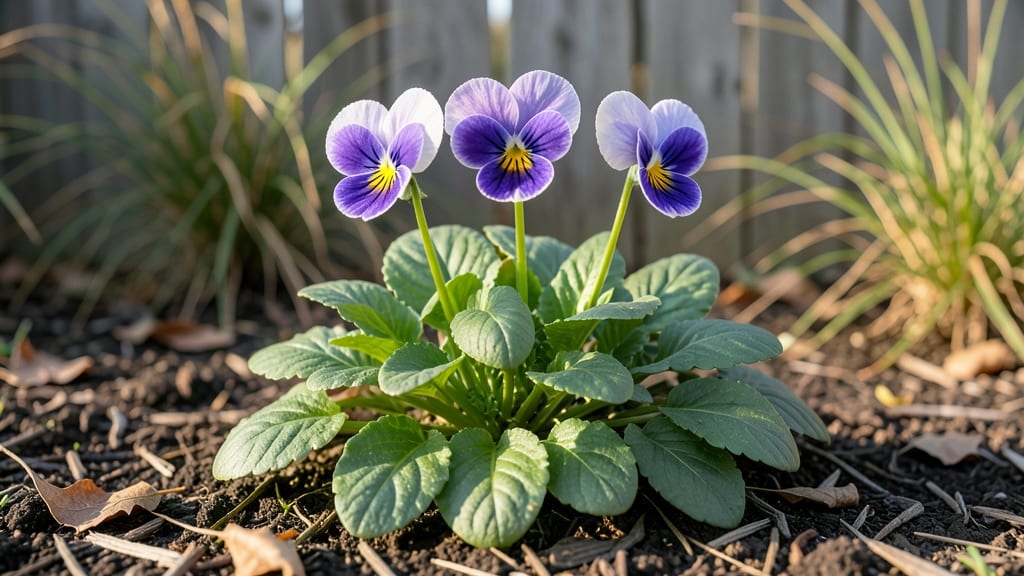
How to take care of pansy flowers is simpler than you think—unlock a garden bursting with early-spring-to-frost color by mimicking their cool-soil, shade-loving secrets. 🌸 to gentle watering routines. The key is consistency, not perfection.
You’ll need well-draining soil rich in organic matter, partial shade (especially in hot climates), and regular feeding with balanced fertilizer every 4-6 weeks. Pansies reward patience—prune spent blooms to encourage new ones, and they’ll keep flowering until winter. Even in containers, they adapt beautifully.
What you’ll end up with is a garden that stays vibrant through heatwaves and cool spells, with blooms in shades of purple, yellow, and blue that brighten every season. The fragrance lingers lightly in the breeze, and the plants stay compact, making them perfect for borders, windowsills, or hanging baskets.
Whether you’re growing them as annuals or pushing them through winter in milder zones, pansies are the foolproof choice for low-maintenance color. Here’s how to keep them looking their best all year—no green thumb required.
📚 In This Guide
- What you need
- Instructions
- Tips and common mistakes
- Wrapping up and next steps
What you need
- ● Pansy plants: Seedlings or mature plants (choose cold-hardy varieties like Viola × wittrockiana for best results).
- ● Well-draining potting mix: A high-quality blend (e.g., Miracle-Gro Potting Mix) or garden soil amended with compost (1 part compost to 3 parts soil).
- ● Containers or garden bed: For containers: Pots with drainage holes (6–12 inches in diameter, depending on plant size).
- ● For garden beds: A sunny or partially shaded spot with loose, fertile soil.
- ● Watering can or hose with a gentle spray nozzle.
- ● Fertilizer: Balanced, water-soluble fertilizer (e.g., 20-20-20) or slow-release granules. Apply every 4–6 weeks.
- ○ Mulch (optional but helpful): Organic mulch (e.g., straw or shredded bark) to retain moisture and suppress weeds.
- ● Garden gloves to protect your hands while planting.
- ● Pruning shears for trimming dead blooms or leggy stems.
- ● Shade cloth (30–50%) if your pansies are in hot climates to prevent wilting.
- ● Epsom salt (1 tbsp per gallon of water) for magnesium boosts (especially if leaves look yellow).
- ● Companion plants like snapdragons or calendula for a pollinator-friendly display.
Step-by-step guide to thriving pansy care
Pansies reward attentive care with vibrant blooms that last from spring to frost. Here’s how to keep them flourishing all season.
🌱 Step 1: Choose the Perfect Planting Location
Pansies thrive in partial shade to full sun, but their leaves burn easily in intense afternoon heat. I always plant mine where they get morning sun and afternoon shade—think dappled light under trees or a north-facing bed. The ideal spot balances brightness for blooms with protection from scorching.
Check your site’s moisture retention too. Pansies hate soggy roots but need consistent dampness. If your soil drains poorly, mix in 2 inches of compost before planting to improve aeration. Amend heavy clay by adding 1 part perlite to 3 parts native soil—this prevents root rot while keeping moisture available.
💧 Step 2: Water Deeply and Maintain Consistent Moisture
Water pansies at the soil level—never overhead—to prevent fungal diseases like powdery mildew. I aim for 1 inch of water per week, adjusting for rain. Let the top inch of soil dry slightly between waterings; wilting leaves signal thirst, but soggy soil means root suffocation.
Morning watering is key: it gives foliage time to dry before evening humidity sets in. Mulch with 2-3 inches of shredded bark to lock in moisture and suppress weeds. Avoid thick mulch layers—pansies need cool roots, and too much mulch can smother them.
☀️ Step 3: Feed for Continuous Blooms
Pansies are heavy feeders, especially when producing flowers. I start with a balanced 10-10-10 fertilizer at planting, then switch to half-strength liquid feed every 2-3 weeks during the growing season. Look for blooms to signal it’s time to feed—pale leaves or sparse flowers mean they’re hungry.
For organic gardeners, use fish emulsion or compost tea monthly. Stop fertilizing 6 weeks before first frost—new growth won’t harden off in time. Over-fertilizing late in the season leads to weak stems that snap under winter winds.
✂️ Step 4: Deadhead and Prune for Longevity
Deadheading spent blooms isn’t just about looks—it tells the plant to redirect energy into new flowers instead of seed production. Pinch off faded blooms with clean scissors every 3-4 days during peak bloom. I also trim leggy stems back to the nearest leaf node to encourage bushier growth.
Watch for yellowing lower leaves—this is normal aging, but remove them to prevent disease. Never cut into healthy stems. After flowering slows in late summer, give pansies a light haircut (cutting back by ⅓) to rejuvenate them for fall blooms.
🪴 Step 5: Protect Through Seasons
Pansies are cold-hardy but need shelter from harsh winds. In fall, add a 2-inch layer of straw mulch over the roots to insulate them. I also tuck a lightweight frost cloth over containers to prevent cracking from freeze-thaw cycles.
Spring cleanup is simple: remove dead foliage but leave the crowns intact. They’ll sprout fresh growth in 2-3 weeks. For container pansies, refresh the soil with new potting mix and a slow-release fertilizer to jumpstart the season.
Tips & tricks for perfect pansy care
Here's what nobody tells you about keeping pansies thriving through every season—these little details make all the difference.
Location Precision: When selecting your morning sun/afternoon shade spot, pay attention to how sunlight moves across your garden throughout the day. I've learned the hard way that what looks like perfect shade in summer can become full sun in winter when trees lose leaves. Mark potential locations in summer and revisit in winter to confirm your choice.
Soil Science: The 2-inch compost amendment isn't just about nutrients—it's about creating the perfect soil texture. Pansies need soil that drains freely but holds moisture like a well-wrung sponge. For heavy clay soils, mix in perlite at a 1:3 ratio before planting to create those ideal air pockets around roots. This one tweak prevents the most common pansy killer: root rot.
Watering Wisdom: That "top inch of soil dry" guideline is your golden rule, but here's the secret: use your finger to check moisture at the base of the plant, not just the surface. Surface soil can stay moist while roots below are parched. I check moisture at 2 inches deep—this is where the roots are actively growing. Water only when you feel dryness at that depth.
Fertilizer Timing: The 2-3 week feeding schedule works perfectly when temperatures stay moderate, but when summer heat arrives, reduce to every 4 weeks. High temperatures accelerate nutrient burn. I always check the soil temperature with a thermometer—when it hits 80°F, I know it's time to cut back on feeding. Over-fertilizing in heat stresses the plants more than they can handle.
Pro Tips for Take Care Of Pansy Flowers
- Here's what nobody tells you about keeping pansies thriving through every season—these little details make all the di...
- Location Precision: When selecting your morning sun/afternoon shade spot, pay attention to how sunlight moves across ...
- Soil Science: The 2-inch compost amendment isn't just about nutrients—it's about creating the perfect soil texture. P...
Frequently asked questions
Got questions about keeping your pansies blooming beautifully? Here are some of the most common concerns—plus quick, practical answers to keep your garden thriving!
Can pansies survive winter, or do I need to dig them up?
Many pansy varieties are hardy to USDA zones 3-8, meaning they can tolerate light frost and even snow! If you’re in a colder zone (below 3), mulch heavily with straw or leaves to protect roots. For extra insurance, add a cloche or frost blanket. Pro tip: Choose cold-hardy cultivars like 'Bowles' or 'Ice Dance' for year-round color!
Why are my pansy leaves turning yellow?
Yellowing leaves usually signal overwatering or nutrient deficiency. Check soil moisture—pansies prefer consistently moist (not soggy) soil. If roots smell rotten, reduce watering. For yellowing between veins, it’s likely iron deficiency; apply a chelated iron supplement or use compost tea. Bonus: Avoid wet foliage to prevent fungal diseases like powdery mildew!
How long do pansies bloom, and how can I extend their season?
With proper care, pansies bloom from early spring to first frost (or year-round in mild climates). To prolong blooms:
- Deadhead spent flowers weekly to encourage new blooms.
- Fertilize lightly every 4-6 weeks with a balanced, water-soluble fertilizer (10-10-10).
- Pinch back leggy stems to promote bushier growth.
- Rotate containers or divide overcrowded clumps in early spring.
Are pansies toxic to pets or kids if ingested?
Yes, pansies contain saponins, which can cause mild stomach upset if eaten in large quantities. Symptoms may include drooling, vomiting, or diarrhea. Keep them out of reach of pets and curious toddlers. Safe alternative: Opt for pet-friendly flowers like marigolds or nasturtiums if you’re concerned.
Can I grow pansies in containers, and what’s the best setup?
Pansies thrive in containers with:
- A well-draining potting mix (add perlite or sand for aeration).
- At least 6-inch-deep pots (deeper for overwintering).
- South- or west-facing light (6+ hours of sunlight daily).
- Drainage holes to prevent root rot.
What’s the ideal temperature range for pansies?
Pansies prefer cool weather (50–75°F) and struggle in heat above 80°F. They’ll bolt (go to seed) or wilt in summer. To beat the heat:
- Move containers to shadier spots or use shade cloth.
- Water early in the day to reduce evaporation.
- Choose heat-tolerant varieties like 'Majestic Giant' or 'Cool Wave'.
Wrapping up and next steps
Caring for pansy flowers is a rewarding journey that brings vibrant color and joy to your garden all year round! 🌸 With the right sunlight, soil, watering, and seasonal adjustments, these cheerful blooms will thrive and reward you with stunning displays.
Whether you're a seasoned gardener or just starting out, every little effort makes a difference—so roll up your sleeves and enjoy the process!
Ready to level up your gardening skills? Try experimenting with different varieties or even growing pansies in containers for a pop of color on patios or balconies. Happy planting! 🌱