
Pruning
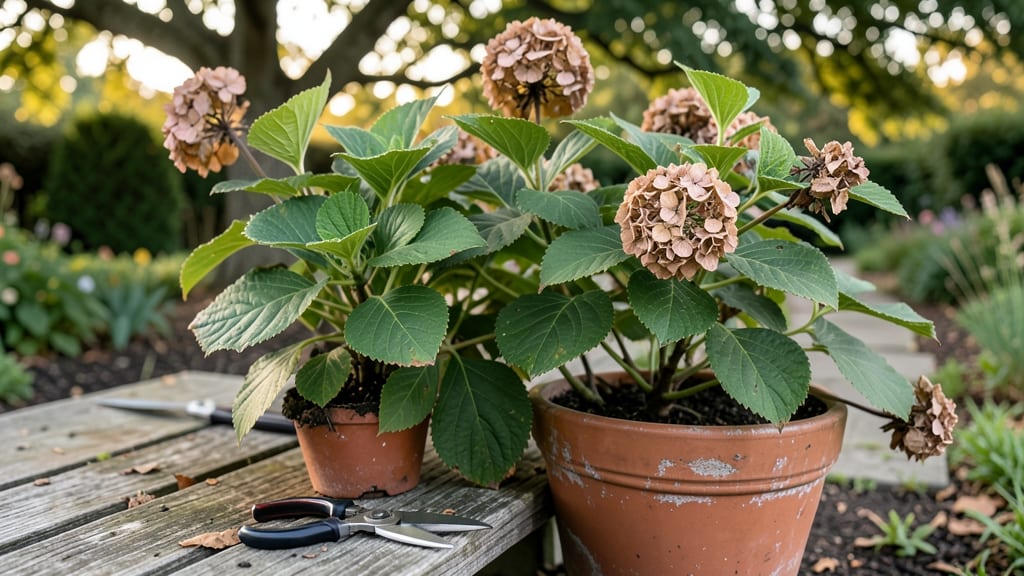
Trimming flowering shrubs at the right time transforms your yard from chaotic to showstopping—and the secret isn’t just timing, but knowing how to shape them for next year’s blooms.
I’ve turned my overgrown lilac bushes into a fragrant, perfectly proportioned border by following these simple rules, and the difference is night and day. The key? Pruning after flowers fade, not before, so you never sacrifice next season’s beauty for today’s shape.
You’ll need just three tools: sharp bypass pruners for clean cuts, loppers for thicker branches, and a small pruning saw for stubborn stems. Start by removing dead or crossing branches first—they’re the easiest fixes and make everything else simpler.
Then focus on thinning out crowded areas to let light and air circulate, which keeps your shrubs healthier and more productive. Most mistakes come from pruning too late in the season or cutting into old wood, so we’ll cover those pitfalls too.
What you’ll end up with is shrubs that burst with blooms year after year, their shapes intentional and their growth vigorous. Hydrangeas will have fuller clusters, roses will produce more flowers, and lilacs will smell like spring for weeks.
The best part? This method works for any flowering shrub in your yard, from dwarf varieties to towering specimens. Let’s get those shears ready—your shrubs are about to look (and grow) better than ever.
Whether you’re dealing with a single hydrangea or a whole hedge, the same principles apply. We’ll adapt the approach for different shrub types and climates, so you can confidently tackle any pruning job.
The goal isn’t perfection—it’s healthy, thriving plants that reward you with stunning blooms and easy maintenance. Ready to see the difference?
📚 In This Guide
- What you need
- Instructions
- Tips and common mistakes
- Wrapping up and next steps
What you need
- ● Pruning shears – Bypass pruners (for clean cuts on small stems, 5–7 inches long, with sharp stainless steel blades).
- ● Pruning saw – Bypass or bow saw (for thicker branches, 18–24 inches long, with a fine-toothed blade).
- ● Loppers – Bypass or anvil type (for medium branches, 8–12 inches long, with a long handle for leverage).
- ● Gloves – Heavy-duty, cut-resistant (to protect hands from thorns or sharp edges).
- ● Cleaning supplies – Rubbing alcohol (70% or higher) or a disinfectant (to sterilize tools between cuts and prevent disease spread).
- ● Pruning rope or twine – For temporarily tying branches out of the way.
- ● Ladder or step stool – Sturdy and stable (for reaching higher branches safely).
- ● Trash bags or bucket – For collecting pruned debris.
- ● Gardening kneepads – For comfort during longer sessions.
- ● Plant food or fertilizer – To nourish shrubs post-pruning (if needed).
Instructions for trimming flowering shrubs like a pro
Healthy blooms start with the right cuts—here’s how to shape your shrubs year-round.
Time Your Cuts for Peak Health
Most flowering shrubs bloom on old wood, meaning last year’s growth produces this year’s flowers. Cutting back too early removes next season’s buds. For spring-bloomers like lilacs or forsythia, trim right after flowering—never in late summer or fall. If your shrub blooms on new wood (like hydrangeas or butterfly bush), prune in late winter or early spring before new growth starts.
Here’s the thing—if you’re unsure which type your shrub is, observe its blooms. Old-wood bloomers have flowers on last year’s branches, while new-wood types sprout flowers on current season’s growth. When in doubt, wait until after flowering to avoid accidentally pruning away next year’s blooms.
Use the Right Tools for Clean Cuts
Dull shears crush stems and invite disease. Grab your sharp, bypass pruners—the kind with two curved blades that slice cleanly. For thicker branches over ½ inch thick, switch to a pruning saw to avoid tearing the bark. Always sterilize your tools with rubbing alcohol between cuts to prevent spreading fungal spores.
Make cuts at a 45-degree angle, just above a leaf node or outward-facing bud. This encourages growth in the right direction and prevents water from pooling on the cut, which can rot the stem. If you’re shaping a rounded shrub, step back often—your eye should see the outline you want before you make a single cut.
Shape Gradually for Natural Growth
Never remove more than ⅓ of the shrub’s total volume in one season. Heavy pruning stresses plants and can reduce flowering. Start by thinning out crowded branches from the center to improve airflow—this prevents fungal diseases like powdery mildew. For height control, cut back the longest stems first, then fill in the gaps with smaller adjustments.
Watch for dead, diseased, or crossing branches—these should go first. If a branch is rubbing against another, remove the weaker one to avoid bark damage. You’ll know you’re on the right track when the shrub’s interior looks open and airy, with light filtering through to the center.
Clean Up and Maintain Year-Round
After pruning, rake up and dispose of all clippings—never leave them on the ground. Wet clippings can harbor pests and diseases. If your shrub is prone to powdery mildew, soak the pruners in a 10% bleach solution (1 part bleach to 9 parts water) between cuts to keep tools sanitized.
Feed your shrubs with a balanced, slow-release fertilizer in early spring to support new growth. Mulch around the base with 2-3 inches of organic mulch to retain moisture and regulate soil temperature. This is the moment that matters: healthy soil means stronger stems and more vibrant blooms next season.
Tips & tricks for perfect flowering shrub trimming
Here's what nobody tells you about keeping your flowering shrubs thriving after the cuts.
Identify Your Shrub Type First: Before you grab your pruners, take a minute to observe your shrub's blooms. Old-wood bloomers like lilacs and forsythia need their pruning done right after flowering to preserve next year's buds. New-wood types such as hydrangeas and butterfly bush can handle late winter pruning. I learned this the hard way after accidentally pruning away all my lilac blooms for two springs in a row!
Tool Sharpness is Non-Negotiable: Dull pruners don't just make messy cuts—they crush stems and create entry points for diseases. Test your tools by making a clean cut through a small twig. If it tears instead of slicing, it's time to sharpen or replace them. I keep a small file in my gardening toolbox specifically for this purpose. For branches thicker than ½ inch, a pruning saw is your best friend—it prevents that ugly tear that invites pests.
The 45-Degree Rule for Healthy Growth: When making your cuts, angle them at 45 degrees just above a leaf node or outward-facing bud. This isn't just about aesthetics—it directs the plant's energy where you want it to grow. The angled cut also prevents water from pooling on the stem, which can lead to rot. Think of it like directing traffic: you're telling the plant which way to grow next.
Gradual Shaping Prevents Shock: Never remove more than one-third of your shrub's volume in a single season. This rule protects the plant from stress that can reduce flowering. Start by removing dead or crossing branches first—these are the easiest cuts to justify. Then work on thinning out the center to improve airflow. I've seen too many well-meaning gardeners turn their beautiful shrubs into sad, leggy shadows by over-pruning.
Pro Tips for Trim Flowering Shrubs
- Here's what nobody tells you about keeping your flowering shrubs thriving after the cuts.
- Identify Your Shrub Type First: Before you grab your pruners, take a minute to observe your shrub's blooms.
- Tool Sharpness is Non-Negotiable: Dull pruners don't just make messy cuts—they crush stems and create entry points for diseases.
Frequently asked questions
When is the best time to trim flowering shrubs?
The ideal timing depends on your shrub’s blooming cycle. For spring bloomers (like lilacs or azaleas), prune right after flowering to avoid cutting off next year’s buds. For summer/fall bloomers (such as hydrangeas or butterfly bush), trim in late winter or early spring before new growth starts. Always avoid pruning during frost or extreme heat!
How much should I cut back flowering shrubs?
Most flowering shrubs thrive with a light to moderate trim—never remove more than 1/3 of the plant’s total growth in a single session. For shaping, focus on dead, crossing, or overgrown branches. If your shrub looks leggy, you can thin out interior branches to improve airflow and sunlight penetration. Over-pruning can stress the plant and reduce blooms!
What if I prune at the wrong time and my shrub doesn’t bloom?
Don’t panic! If you pruned too late (e.g., cutting back spring bloomers in summer), your shrub may skip flowering that year—but it’ll bounce back. Adjust next year’s schedule based on blooming habits. For severe cases, fertilize lightly in spring and water deeply to encourage recovery. Patience is key—healthy roots will produce flowers again!
Can I use hedge trimmers for all flowering shrubs?
Hedge trimmers work for formal shapes (like boxwoods or privet), but they’re not ideal for most flowering shrubs. Over-trimming with them can create a "mown" look and remove too many flower buds. For delicate bloomers (e.g., roses, hydrangeas), use hand pruners or loppers for precision. Save hedge trimmers for non-flowering hedges or shrubs designed for shearing.
My shrub has brown, mushy stems after pruning—what went wrong?
This could signal disease (like powdery mildew or canker) or over-pruning stress. To fix it:
- Sterilize tools with rubbing alcohol before pruning.
- Remove only healthy green stems—never cut into brown/mushy areas.
- Improve air circulation by thinning dense foliage.
- Apply fungicide if you spot mold or spots.
Wrapping up and next steps
Trimming flowering shrubs isn’t just about keeping them neat—it’s about boosting their health, vibrancy, and future blooms! 🌸 By mastering the right techniques (like timing, tool care, and gentle shaping), you’ll unlock lush, long-lasting flowers year after year. Remember: patience and precision pay off in stunning results.
Ready to level up your green thumb? Start small—pick one shrub this weekend and practice the steps you’ve learned. Before you know it, your garden will be the talk of the neighborhood! 🌿✨