
Flowers
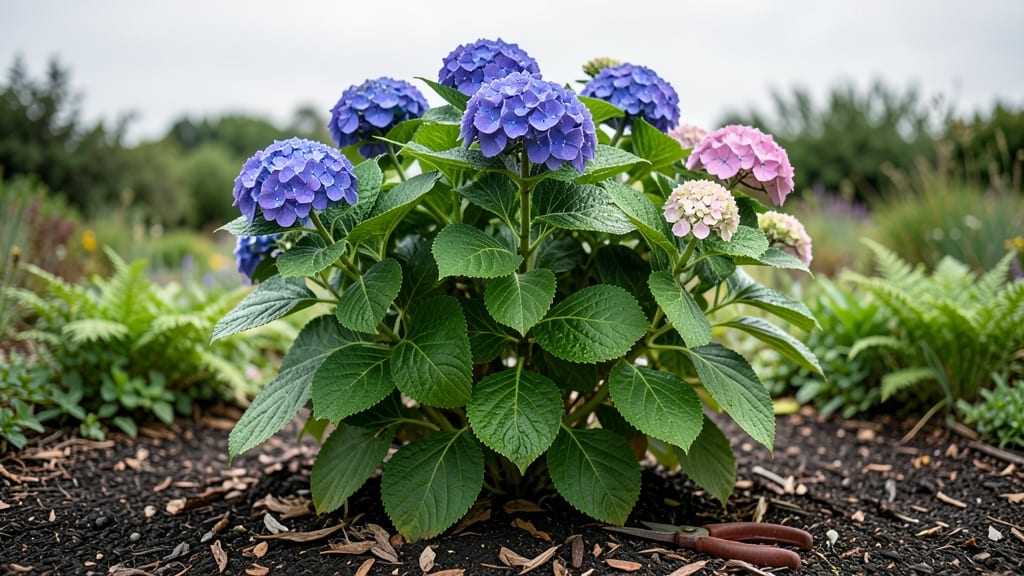
A hydrangea flower bed transforms any yard into a lush, ever-changing canvas—where pinks blush into blues, and seasons unfold in waves of color. 🌸 I remember my first attempt: planting hydrangeas too close together, ending up with a tangled mess instead of a showstopper.
The key isn't just the flowers themselves, but how you arrange them with companion plants, soil prep, and pruning timing that keeps them thriving year after year.
Start with the right foundation: hydrangeas crave well-draining, acidic soil (think mulch, compost, and maybe a little sulfur if your soil tests alkaline). Space them 4-6 feet apart for mature size, and mix in sun-loving perennials like coneflowers or lavender to fill gaps while they establish.
The magic happens in layering—tall varieties at the back, mounding types in the middle, and trailing plants like ajuga at the front to soften edges.
By summer, you'll have a bold, textured display that changes with the seasons—deep greens in spring, dramatic blooms in summer, and even winter interest from seed heads or evergreen companions. The best part?
With proper pruning (old wood types in late winter, new growth types in early spring), you'll get two to three bloom cycles instead of just one. This isn't just a flower bed; it's a living masterpiece that evolves with you.
Whether you're working with a small city patio or a sprawling backyard, the principles scale easily. The same spacing rules apply, and container-grown hydrangeas can even bring this look to balconies. Let's make your flower bed the envy of the neighborhood—without the overwhelm of constant upkeep.
📚 In This Guide
- What you need
- Instructions
- Tips and common mistakes
- Wrapping up and next steps
What you need
- ● Hydrangea plants: 5–10 mature hydrangeas (depending on bed size). Choose varieties like Hydrangea macrophylla (mophead or lacecap) or Hydrangea paniculata (panicle) for year-round interest.
- ● High-quality garden soil: 1–2 cubic yards (or amend existing soil with 3–4 inches of compost or aged manure for drainage and nutrients).
- ● Mulch: 2–3 bags of pine bark or shredded leaves (2–3 inches deep) to retain moisture and suppress weeds.
- ● Fertilizer: Balanced slow-release fertilizer (10-10-10) or acid-loving plant food (e.g., Miracle-Gro Azalea, Camellia & Rhododendron).
- ● Pruning tools: 1 pair of bypass pruners (for clean cuts).
- ● 1 pair of loppers (for thicker stems).
- ● 1 hand saw (for stubborn branches).
- ● Gloves & safety gear: Heavy-duty gardening gloves and closed-toe shoes (hydrangeas can have thorns!).
- ● Watering supplies: A hose with adjustable nozzle or drip irrigation system (hydrangeas love consistent moisture!).
- ● 5–10 gallon watering can (for potted hydrangeas or spot-watering).
- ● Soil pH test kit: To check acidity (ideal pH: 5.2–6.0 for most hydrangeas). Adjust with sulfur or lime if needed.
- ● Edging tools: Metal or plastic edgers to define the flower bed neatly.
- ● Decorative stones or gravel: For a polished look around the bed.
- ● Companion plants: Pair with heuchera, ferns, or boxwood for texture and contrast.
- ● Stakes or trellises: For climbing varieties like Hydrangea petiolaris.
Step-by-step guide to designing a hydrangea flower bed
Here's how to create a showstopping hydrangea display that thrives year after year.
🌿 Step 1: Choose and Prepare Your Hydrangea Varieties
Select 4 mature hydrangeas (one of each color type) for a vibrant mix: 'Endless Summer' (blue/pink), 'Limelight' (chartreuse), 'Annabelle' (white), and 'Nikko Blue' (deep blue). Each plant needs 5-6 feet of space to mature fully. I always choose container-grown specimens with established root systems—they establish faster than bare-root plants.
Before planting, soak the root balls in lukewarm water for 20-30 minutes. This revives roots and helps them recover from transplant shock. Check the soil pH in your area—hydrangeas thrive in acidic soil (pH 5.2-6.0) for best color. If your soil tests higher, amend with sulfur or peat moss during planting.
🪴 Step 2: Design the Planting Layout and Amend Soil
Sketch a 4-plant arrangement with 6 feet between each center. Group plants by height: tallest in back ('Nikko Blue'), medium ('Limelight'), and shorter ('Endless Summer' and 'Annabelle') in front. Dig holes twice as wide as the root balls but only as deep—hydrangeas hate being buried too deep.
Mix 2 inches of compost and 1 cup of slow-release fertilizer into the native soil at the bottom of each hole. This jumpstarts root growth. Gently remove plants from their containers and loosen any circling roots with your fingers. The reason we don't tease roots too much is that hydrangeas prefer a compact root system—over-pruning roots stresses them.
☀️ Step 3: Plant and Mulch for Year-Round Care
Place each plant in its hole at the same depth it grew in the container. Fill gaps with native soil, tapping gently to eliminate air pockets. Water deeply to settle the soil—this removes gaps that could dry out roots. I always add 1 inch of mulch (cypress or pine straw) around the base, keeping it 6 inches away from stems to prevent rot.
Here's the thing—mulch now protects roots from summer heat and winter freeze, but it also blocks weeds that compete for moisture. Replenish mulch annually in late winter before new growth begins. Avoid fresh mulch directly against stems—it traps moisture and invites disease. Instead, create a donut-shaped ring around each plant.
✂️ Step 4: Prune for Seasonal Blooms and Shape
Prune old wood hydrangeas ('Nikko Blue', 'Limelight') in late winter (February-March) before buds swell. Cut back 1/3 of the oldest stems to the ground—this encourages fresh growth and prevents woody centers. For new wood bloomers ('Endless Summer', 'Annabelle'), prune after flowering in late summer to shape the plant and remove dead stems.
Watch for leaf curl or brown tips—this signals either overwatering or pH imbalance. If leaves yellow, your soil may be too alkaline. Test pH annually and adjust with hydrangea-specific soil amendments if needed. I always wear gloves when pruning—hydrangea leaves can irritate skin, and the sap stains clothing.
Tips & tricks for perfect hydrangea flower beds
Creating a thriving hydrangea display takes more than just planting—these pro tips will help you avoid common pitfalls and maximize your garden's year-round beauty.
Soaking Strategy: That 20-30 minute lukewarm water soak for root balls is non-negotiable for container-grown plants. I've seen gardeners skip this step and struggle with poor establishment for months. Use a bucket of water that's warm to the touch (not boiling) and let the entire root ball absorb moisture completely. For extra insurance, add a handful of hydrangea-specific fertilizer to the soaking water—this gives roots an immediate nutrient boost while they adjust to their new home.
Spacing Secret: The 6-foot spacing between plants might seem generous, but trust me—hydrangeas reward proper spacing with bigger blooms and better air circulation. If your garden has limited space, consider planting 'Annabelle' and 'Endless Summer' closer together (4 feet apart) since they're more compact, but maintain the full 6 feet for the taller varieties. This prevents future crowding that can lead to disease and smaller flowers.
Mulch Mastery: That 1-inch layer of mulch isn't just decoration—it's your hydrangeas' winter blanket and summer AC. I recommend cypress mulch because it breaks down slowly and maintains acidity better than pine straw. When replenishing annually in late winter, rake back the old mulch first to check for any signs of rot or pests before adding fresh. The donut-shaped ring technique prevents stem rot while still protecting roots from temperature swings.
Pruning Precision: Cutting back 1/3 of the oldest stems for old wood varieties might sound arbitrary, but there's method here. Old stems produce next year's blooms, so you're actually encouraging new growth while maintaining the plant's structure. For new wood bloomers, always prune after flowering to preserve next season's buds. I mark stems with a ribbon before pruning to avoid accidentally cutting off next year's blooms—this simple trick has saved me from pruning disasters more times than I can count.
Pro Tips for Hydrangea Flower Bed
- Creating a thriving hydrangea display takes more than just planting—these pro tips will help you avoid common pitfall...
- Soaking Strategy: That 20-30 minute lukewarm water soak for root balls is non-negotiable for container-grown plants. ...
- Spacing Secret: The 6-foot spacing between plants might seem generous, but trust me—hydrangeas reward proper spacing ...
Frequently asked questions
about creating and maintaining a stunning hydrangea flower bed—because every gardener deserves clarity!When is the best time to plant hydrangeas for a flower bed?
The ideal time to plant hydrangeas is in early spring or early fall when temperatures are mild. This gives roots time to establish before extreme heat or cold sets in. Avoid planting in late summer or winter, as harsh conditions can stress the plants.
How do I prune hydrangeas to keep them blooming all year?
Pruning depends on your hydrangea type:
- Bigleaf & Oakleaf hydrangeas: Prune in late winter or early spring before new growth appears.
- Panicle & Smooth hydrangeas: Prune in late winter or early spring to encourage larger blooms.
How often should I water my hydrangea flower bed?
Hydrangeas thrive with consistent moisture. Water deeply 2-3 times per week during dry spells, ensuring the soil stays damp but not soggy. Mulching helps retain moisture and keeps roots cool. Watch for: Drooping leaves (sign of underwatering) or yellowing (overwatering).
Can I mix hydrangeas with other plants in my flower bed?
Pair hydrangeas with hostas, ferns, or ornamental grasses for texture contrast. For bold color combos, try purple hydrangeas with silver foliage plants or pink blooms with blue salvias. Just ensure companions have similar sunlight and water needs.
What should I do if my hydrangeas aren’t blooming?
Common culprits include:
- Over-pruning: Cut back only as needed (see above).
- Insufficient sunlight: Most hydrangeas need partial shade (4-6 hours of sun).
- Nutrient deficiency: Feed with acidic fertilizer in spring.
- Pests/disease: Check for aphids or powdery mildew—treat with neem oil or fungicide.
Wrapping up and next steps
Creating a stunning hydrangea flower bed is all about balancing beauty and care—with a little pruning precision, you’ll enjoy year-round color that turns heads! 🌸 From choosing the right varieties to mastering seasonal trims, every step sets you up for lush, vibrant blooms.
The key? Stay consistent, observe your plants, and don’t shy away from a little experimentation.
Ready to transform your garden? Grab your shears, pick a sunny spot, and get growing! Start small—even a single hydrangea bush can make a statement—and watch your outdoor space bloom into a showstopper. Need a refresher? Revisit our FAQs or materials list for a stress-free setup!