
Landscaping
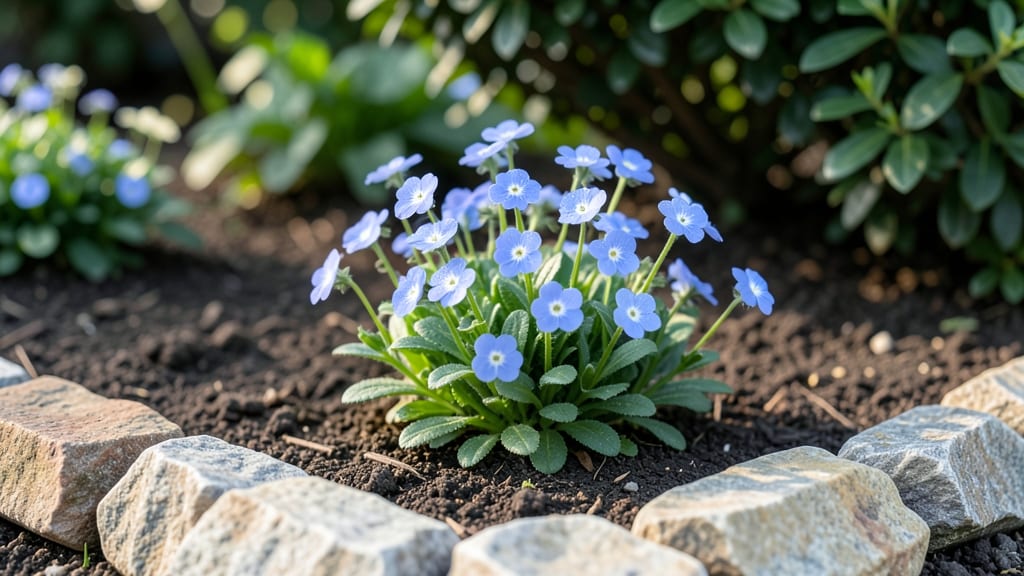
This landscaping forget-me-not flower garden turns any path into a dreamy blue sanctuary where bees and butterflies linger. 🌿 I remember the first time I scattered these delicate blooms along my garden path—their soft blue petals made the whole yard feel like a storybook.
They thrive in partial shade, making them perfect for under trees or along shady borders where other flowers struggle.
Pair them with white alyssum for a cloud-like effect or mix in silver foliage plants like lamb’s ear for striking contrast. These flowers bloom from late spring through summer, giving you weeks of cheerful color with almost no fuss.
Just keep the soil consistently moist and deadhead spent blooms to encourage more flowers.
You’ll end up with a cottage-garden charm that feels magical at dusk, when the blue blooms glow under soft light. The pollinators adore them, and the scent—though subtle—adds to the tranquil vibe. This garden works in containers too, so even small spaces can enjoy the whimsy.
For long-term beauty, mulch around the plants to retain moisture and suppress weeds. Forget-me-nots are hardy perennials in most climates, so once established, they’ll return year after year with minimal care. The key is patience—they spread slowly but steadily, filling in beautifully over time.
📚 In This Guide
- What you need
- Instructions
- Tips and common mistakes
- Wrapping up and next steps
What you need
- ● Forget-me-not seeds or nursery plants: Choose Myosotis sylvatica (woodland forget-me-not) or Myosotis alpestris (alpine forget-me-not). Aim for 10-20 plants per square foot for a lush look.
- ● Well-draining potting soil: 5-10 bags (2-3 cubic feet each) for planting beds or containers.
- ● Compost or organic fertilizer: 1 bag (e.g., 4-6-2 or balanced 10-10-10) to enrich soil.
- ○ Mulch (optional but recommended): 2-3 bags of shredded bark or pine straw to retain moisture.
- ● Hand trowel or transplanting spade – For delicate planting.
- ● Garden gloves – Protect your hands from soil and thorns.
- ● Watering can or hose with a gentle spray nozzle – Forget-me-nots love consistent moisture!
- ● Pruners (small, sharp pair) – For trimming spent blooms.
- ● Measuring tape or ruler – To space plants 6-12 inches apart.
- ● Sunlight: Partial shade to full sun (3-6 hours daily). Test your spot before planting!
- ● Water source nearby – Forget-me-nots thrive with 1 inch of water per week.
- ○ Optional companions: Heuchera (coral bells) for contrast
- ● Lavender for fragrance and pollinators
- ● Fern fronds for texture
- ○ Optional decor: Whimsical garden stakes, blue ceramic accents, or a small birdbath.
Step-by-step instructions for planting a forget-me-not pollinator garden
Here's how to create a charming, low-maintenance blue haven that thrives with minimal fuss.
🌱 Step 1: Choose and Prepare the Planting Site
Forget-me-nots love partial shade to full sun, but they'll reward you best with 4-6 hours of morning sunlight—this prevents afternoon wilting. Select a spot with well-draining soil (they hate soggy roots) and gently loosen the top 6 inches of soil with a garden fork. If your soil is heavy clay, mix in 2-3 inches of compost to improve drainage.
Here's the thing—these delicate blooms thrive where they're sheltered from strong afternoon winds. A location near shrubs or along a fence works perfectly. Test the soil moisture by grabbing a handful—if it forms a tight ball when squeezed, you'll need to amend it with organic matter before planting.
🌿 Step 2: Plant Seeds or Transplants at the Right Time
For best results, sow seeds in early spring (as soon as soil can be worked) or purchase young transplants in late spring after the last frost. Plant seeds ¼ inch deep, spacing them 6-8 inches apart—they don't like competition. If using transplants, dig holes twice as wide as the root ball to encourage spreading.
Water deeply right after planting to settle the soil around roots. You'll notice the first true leaves appear in 3-4 weeks—this is your signal that they're established. Forget-me-nots self-seed readily, so you'll often find volunteers popping up in future seasons without any extra effort.
☀️ Step 3: Maintain Moisture and Encourage Blooms
Keep the soil consistently moist but never soggy—think of it as a damp sponge, not a swamp. Water once or twice weekly, adjusting for rainfall. When the top inch of soil feels dry, it's time to water again. Mulch with 2 inches of shredded bark to retain moisture and suppress weeds—this saves time and keeps the garden looking tidy.
Deadhead spent blooms regularly to encourage more flowers and prevent seed formation. You'll see a second flush of blooms if you remove faded flowers consistently. Forget-me-nots are perennial in most climates, so with proper care, they'll return year after year, spreading naturally to fill in gaps.
🪴 Step 4: Protect and Enjoy Your Pollinator Haven
These flowers attract bees, butterflies, and hummingbirds—place them near seating areas or pathways where you can enjoy the visitors. To keep pests at bay, simply remove any yellowing leaves promptly. Forget-me-nots rarely have major pest issues, but aphids might appear occasionally—just spray with water to dislodge them.
In late fall, cut back the foliage to 2 inches above the ground. This tidy appearance also prevents disease buildup over winter. By next spring, you'll be rewarded with fresh, cheerful blue blooms popping up without any extra planting needed—nature does the work for you.
Tips & tricks for perfect forget-me-not flower gardens
These simple tricks will help your forget-me-nots thrive and spread like the cheerful blue magic they are.
Location is Everything: While forget-me-nots tolerate partial shade, that 4-6 hours of morning sunlight is non-negotiable for peak blooms. I've seen them struggle in deep shade—leaves grow leggy and flowers sparse. Position them where they get sunlight in the morning but afternoon shade if your climate gets intense. Near a north-facing wall or under a deciduous tree works beautifully.
Soil Prep Secret: That soil test you skipped? Don't skip it for forget-me-nots. They'll forgive many sins but not soggy roots. If your soil forms a tight ball when squeezed, mix in 2-3 inches of compost or sand to improve drainage. I've had them drown in clay soil before—trust me, the yellow leaves are a heartbreaker. A raised bed with well-draining soil is ideal if your native soil is heavy.
Planting Depth Matters: Those ¼ inch deep seeds need gentle handling. Press them lightly into soil rather than burying them—light helps germination. For transplants, dig holes twice as wide as the root ball to encourage spreading. I've seen gardeners plant too shallowly, and the roots dry out before establishing. Water deeply right after planting to settle the soil around those delicate roots.
Mulch Like a Pro: That 2 inches of shredded bark mulch isn't just for looks—it's a game-changer. It retains moisture (critical during those once or twice weekly waterings), suppresses weeds, and keeps roots cool. I like to refresh the mulch in late summer to give my forget-me-nots a second bloom flush. Just keep it 2 inches away from stems to prevent rot.
Pro Tips for Landscaping Forget Me Not Flower Garden
- These simple tricks will help your forget-me-nots thrive and spread like the cheerful blue magic they are.
- Location is Everything: While forget-me-nots tolerate partial shade, that 4-6 hours of morning sunlight is non-negoti...
- Soil Prep Secret: That soil test you skipped? Don't skip it for forget-me-nots. They'll forgive many sins but not sog...
Frequently asked questions
Got questions about creating your dream forget-me-not flower garden? You’re not alone! Here are some of the most common queries—plus straightforward answers to help you design a pollinator-friendly haven with ease.
When is the best time to plant forget-me-nots?
Forget-me-nots thrive in cool weather, so aim to plant them in early spring (March–April) or late summer (August–September). Avoid extreme heat—they wilt easily in temperatures above 75°F (24°C). If you’re in a mild climate, fall planting can also work! Pro tip: Start seeds indoors 6–8 weeks before the last frost for a head start.
Are forget-me-nots good for attracting pollinators?
These tiny blue blooms are a magnet for bees, butterflies, and hummingbirds. Their nectar-rich flowers provide essential fuel for pollinators, especially early in the season when other blooms are scarce. Pair them with lavender, alyssum, or catmint to create a buzzing, vibrant garden.
How much water do forget-me-nots need?
Keep soil consistently moist (but not soggy) for the first few weeks after planting. Once established, they’re moderately drought-tolerant but appreciate 1 inch of water weekly during dry spells. Warning: Overwatering can lead to root rot, so ensure your garden has good drainage. Mulch around plants to retain moisture and suppress weeds.
Can I grow forget-me-nots in containers or hanging baskets?
Yes! Forget-me-nots are perfect for containers, especially trailing varieties like ‘Lily of the Valley’. Use well-draining pots with a mix of peat moss, perlite, and compost. Hang baskets in partial shade to prevent wilting. Just remember: containers dry out faster, so monitor soil moisture closely.
What pests or diseases should I watch for?
Forget-me-nots are generally low-maintenance, but keep an eye out for aphids, slugs, and powdery mildew. Prevention tips:
- Spray plants with neem oil if aphids appear.
- Set up beer traps or copper barriers to deter slugs.
- Improve airflow by pruning crowded foliage to reduce mildew.
What can I plant alongside forget-me-nots for a fuller garden?
Companion plants that complement forget-me-nots’ cool tones and attract pollinators include:
- Sweet alyssum (white/purple, drought-tolerant)
- Columbine (vibrant, shade-loving)
- Dianthus (fragrant, low-growing)
- Salvia (tall, bee-friendly spikes)
Wrapping up and next steps
Creating a whimsical forget-me-not flower garden isn’t just about adding color—it’s about crafting a pollinator paradise that brings joy and life to your space. 🌸 These delicate blue blooms thrive with minimal fuss, making them perfect for both beginners and seasoned gardeners.
Whether you’re planting in containers, borders, or wildflower meadows, your effort will reward you with months of beauty and buzzing visitors.
Ready to take the next step? Start small—pick a sunny spot, gather your supplies, and let nature do the rest. Happy gardening! 🌿