
Light Requirements
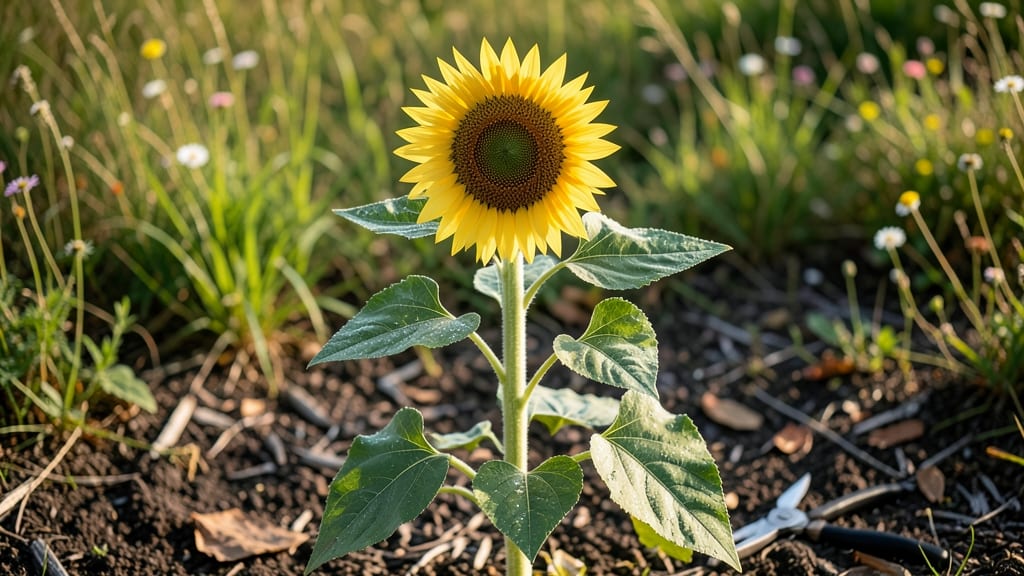
Light yellow sunflowers bring sunshine to any garden—even on cloudy days. 🌻 Their cheerful hue brightens borders, containers, and cut arrangements, while their minimal pruning needs mean less work for you.
I planted mine near my patio last summer, and the way they caught the late afternoon light turned an ordinary corner into a golden glow spot.
These sunflowers thrive in partial shade to full sun, making them perfect for tricky spots like north-facing beds or urban courtyards. Pair them with deep purples like salvia or dusty blues like agapanthus for a striking contrast that pops in photos.
Their tall stems also make them ideal for mixed-height arrangements—just tuck shorter blooms like zinnias at their base.
You’ll love how they stay vibrant from early summer through fall, often lasting well into winter in mild climates. The petals’ soft, buttery tone softens modern landscapes while still feeling bold enough for cottage-style gardens.
A single cluster in a galvanized bucket or woven basket instantly elevates outdoor decor with zero fuss.
For year-round interest, try planting them near evergreens like boxwood or holly for structure, or mix in ornamental grasses for movement. Their seeds also attract birds, adding another layer of charm. Once established, they’re practically maintenance-free—just deadhead spent blooms to encourage more flowers. Let’s make your space glow!
📚 In This Guide
- What you need
- Instructions
- Tips and common mistakes
- Wrapping up and next steps
What you need
- ● Light yellow sunflower seeds: Choose a variety like 'Teddy Bear' or 'Moulin Rouge' (pack of 10-20 seeds).
- ● Well-draining potting mix: 5-10 gallons (or enough to fill your chosen container). Opt for a blend with perlite or sand for aeration.
- ● Containers or garden bed: For containers: 5-10 gallon pots (12"+ depth) with drainage holes.
- ● For in-ground planting: Full sun spot (6+ hours of light) with loose, fertile soil.
- ● Organic fertilizer: Balanced (10-10-10) or slow-release granules (1-2 tbsp per plant).
- ● Watering can or hose: With a gentle spray nozzle for even moisture.
- ○ Stakes or cages (optional but helpful): 3-4 ft tall (for taller varieties like 'Russian Giant').
- ● Gloves: A pair to protect your hands while handling soil or seeds.
- ● Trowel or hand shovel: For planting seeds 1-2 inches deep.
- ● Pruning shears: Small, sharp pair for minimal trimming (if needed).
- ● Sunlight access: A south-facing window, grow light, or outdoor space with bright, indirect light (4+ hours daily).
- ○ pH test kit (optional): To ensure soil pH is between 6.0-7.0 for optimal growth.
Step-by-step guide to growing light yellow sunflowers year-round
Here's how to keep these cheerful blooms thriving indoors or out with minimal fuss.
🌱 Step 1: Choose the Right Variety and Planting Location
Start with a light yellow sunflower variety like 'Lemon Queen' or 'Teddy Bear,' which are bred for their vibrant color and compact growth. These varieties handle both garden beds and containers beautifully, making them perfect for year-round displays.
For outdoor planting, select a spot with full sun exposure (6+ hours daily). Sunflowers need plenty of sunlight to develop their signature bright blooms—if you notice stems stretching or leaves growing pale, your plants aren't getting enough light. In containers, place them near a south-facing window or under a grow light if indoors.
☀️ Step 2: Prepare Soil and Plant with Proper Spacing
Sunflowers love well-draining soil rich in organic matter. Mix in 2-3 inches of compost into the top 6 inches of soil before planting. This ensures strong root development and vibrant blooms. For containers, use a high-quality potting mix with added perlite to prevent waterlogging.
Plant seeds ½ inch deep and 6 inches apart for garden beds, or 1-2 seeds per 5-gallon container if growing in pots. Thin seedlings to the strongest one per spot—crowded plants compete for nutrients and produce smaller blooms. Water gently after planting to settle the soil around the seeds.
💧 Step 3: Water Consistently Without Overdoing It
Keep the soil evenly moist but not soggy during the first 4-6 weeks after planting. Sunflowers are drought-tolerant once established, but young plants need steady moisture to develop strong roots. Water at the base of the plant in the morning to allow foliage to dry during the day, reducing fungal risks.
Here's the thing—sunflowers hate wet feet. If you notice yellowing leaves or wilting despite regular watering, your plants may be overwatered. Let the top 1-2 inches of soil dry out between waterings once the plants reach 1 foot tall. Mulching with 2-3 inches of straw or wood chips helps retain moisture and keeps roots cool.
✂️ Step 4: Minimal Pruning for Long-Lasting Blooms
Light yellow sunflowers require almost no pruning, but a little maintenance keeps them looking their best. Remove any dead or yellowing leaves at the base of the plant to improve airflow and prevent disease. This is especially important if you're growing multiple plants close together.
For container-grown sunflowers, pinch back the tips of young plants when they reach 12 inches tall to encourage bushier growth. This step is optional but helps create fuller, more vibrant blooms. Avoid cutting into the main stem—focus on removing only the top 1-2 inches of new growth.
🪴 Step 5: Extend the Season with Simple Care
To enjoy light yellow sunflowers year-round, bring potted plants indoors before the first frost. Place them near a south-facing window or under a grow light for 12-14 hours daily. Reduce watering slightly in winter since growth slows, but keep the soil lightly moist.
For outdoor plants, cut back dead foliage in late fall and add a 2-inch layer of mulch to protect roots from freezing temperatures. In spring, remove the mulch and fertilize lightly with a balanced 10-10-10 formula to jumpstart new growth. Your sunflowers will reward you with cheerful blooms season after season!
Tips & tricks for perfect light yellow sunflowers
These simple tricks will help your light yellow sunflowers thrive with less effort and more vibrant blooms.
Light Factor: If you're growing indoors, supplement natural light with a 12-14 hour grow light schedule—this mimics summer sunlight and keeps your sunflowers reaching for that golden glow. I use a simple LED grow bulb on a timer for consistent results. The key is to place it 6-12 inches above the plants to avoid burning tender leaves.
Soil Secret: The 2-3 inches of compost in Step 2 isn't just about nutrients—it's about creating the perfect airy environment for roots. I like to add a handful of perlite or vermiculite to the mix for containers, which prevents compaction and improves drainage. This helps prevent those dreaded "wet feet" issues that can stunt growth.
Pruning Precision: When pinching back container sunflowers at 12 inches tall, focus on the very top set of leaves—this encourages branching without stressing the plant. I use clean, sharp scissors and make the cut just above a leaf node. This small step can double your bloom count without extra effort.
Seasonal Transition: Before bringing plants indoors, do a hardening-off period of 3-5 days. Gradually reduce sunlight exposure each day to help them adjust to lower light conditions. This prevents the shock that can cause leaves to yellow or drop prematurely during winter.
Pro Tips for Light Yellow Sunflower
- These simple tricks will help your light yellow sunflowers thrive with less effort and more vibrant blooms.
- Light Factor: If you're growing indoors, supplement natural light with a 12-14 hour grow light schedule—this mimics summer sunlight and keeps your sunflowers reaching for that golden glow.
- Soil Secret: The 2-3 inches of compost in Step 2 isn't just about nutrients—it's about creating the perfect airy environment for roots.
Frequently asked questions
Got questions about growing light yellow sunflowers? You’re not alone! Whether you're a beginner or just want to refine your approach, here are some of the most common queries—and their answers—to keep your sunflowers thriving with minimal fuss.
What’s the best time of year to plant light yellow sunflowers?
Light yellow sunflowers (like ‘Lemon Queen’ or ‘Teddy Bear’) thrive in warm soil. Plant seeds after the last frost when soil temps hit 50°F (10°C) or warmer—typically mid-to-late spring in most U.S. zones. For a fall display, sow seeds 8–10 weeks before your first frost. They’re fast-growing, so don’t wait too late!
How long do light yellow sunflowers take to bloom?
Most varieties sprout in 7–14 days and reach full bloom in 8–12 weeks from planting. Dwarf types (like ‘Moulin Rouge’) may bloom in 6–8 weeks, while giant varieties take closer to 3 months. Pro tip: Check seed packets for exact timelines—some even list days-to-maturity!
Why aren’t my light yellow sunflowers turning yellow?
Sunflowers start green and mature to yellow as they age. If they’re staying green, check for:
- Insufficient sunlight: They need 6+ hours of direct sun daily.
- Overwatering: Yellowing can signal root rot—let soil dry slightly between waterings.
- Nutrient deficiency: Add a balanced fertilizer (10-10-10) at planting and mid-growth.
Can I grow light yellow sunflowers in containers?
Absolutely!
Dwarf varieties (like ‘Sunspot’ or ‘Little Becka’) thrive in 5-gallon pots or larger with drainage holes. Use a lightweight potting mix and place containers in full sun. For taller types, opt for 10+ gallon pots and stake them early to prevent tipping. Bonus: Container sunflowers are perfect for balconies or small spaces!
Do light yellow sunflowers need pruning?
One of their biggest perks is low-maintenance! Prune only to:
- Remove dead or damaged leaves to prevent disease.
- Trim spent blooms to encourage more flowers (though they’re not heavy rebloomers).
- Cut back brown stems in late fall to tidy up.
What’s a good alternative if I can’t grow sunflowers?
If your climate is too cool or dry, try these low-maintenance, sunny-yellow bloomers:
- Black-eyed Susans (Rudbeckia): Drought-tolerant and long-blooming.
- Coreopsis (‘Moonbeam’): Bright yellow, deer-resistant, and thrives in heat.
- Marigolds (‘French’ or ‘African’): Fast-growing and pest-repellent.
- Zinnias (‘Benary’s Giant’): Come in sunny hues and attract pollinators.
Wrapping up and next steps
The light yellow sunflower is a stunning, low-maintenance addition to any garden, offering vibrant color with minimal effort! Whether you're a seasoned gardener or just starting out, its adaptability and resilience make it a perfect choice for year-round beauty. 🌻
Ready to bring a pop of sunshine to your space? Start by selecting your favorite variety, gathering the right materials, and giving your new plant the care it deserves. With just a little attention, you’ll be rewarded with a garden that’s as cheerful as it is easy to maintain!