
Flowers
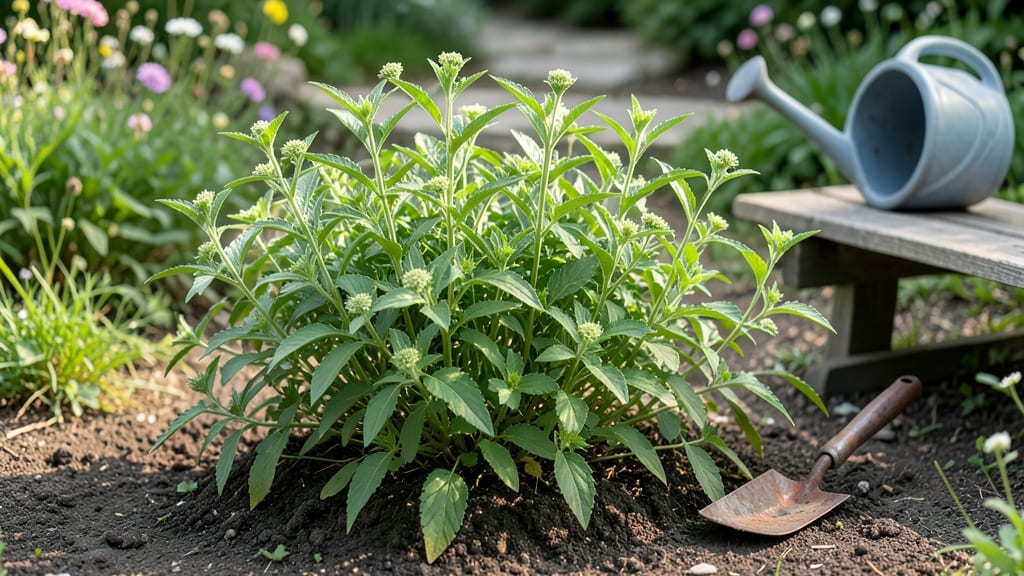
Growing Mexican tea flower (Tagetes lucida) means fragrant, drought-resistant greenery that smells like mint and thrives where other plants wilt. ✨ I planted mine last spring after struggling with finicky herbs—this one grows like a weed but delivers that fresh, citrusy aroma every time you brush past it.
The secret lies in its adaptability: it handles poor soil, minimal water, and even partial shade better than most herbs. Start with well-draining soil (even sandy works), full sun to partial shade, and water only when the top inch feels dry.
Seeds sprout in 7-14 days, and you’ll have harvestable leaves in about 6 weeks.
You’ll end up with a bushy plant that repels pests naturally while doubling as a culinary herb—think minty tea, pestos, or garnishes. The leaves stay tender all season if you pinch back tips occasionally, and it self-seeds aggressively for next year’s crop.
Perfect for containers, borders, or even as a living mulch in tropical and subtropical zones (USDA 8-11). Beginners will love how forgiving it is, while experienced growers can experiment with pruning for bushier growth or harvesting leaves for medicinal teas.
📚 In This Guide
- What you need
- Instructions
- Tips and common mistakes
- Wrapping up and next steps
What you need
- ● Seeds or seedlings: 5–10 Cuphea ignea seeds (or 3–5 young plants for faster results). Opt for organic, non-GMO seeds for best growth.
- ● Well-draining potting mix: 5–10 gallons (for containers) or enrich your garden soil with compost (aim for a 60:40 sand-to-soil ratio for optimal drainage).
- ● Containers (if not planting in-ground): 5–7-inch pots (minimum 1 plant per pot) with drainage holes. Terracotta or fabric pots work best.
- ● Sunlight access: A full-sun location (6+ hours of direct sunlight daily). South-facing windows or balconies are ideal for containers.
- ● Watering can or hose with a gentle spray nozzle: Mexican tea flowers hate soggy roots—water only when the top 1–2 inches of soil are dry.
- ○ Balanced fertilizer (optional but helpful): A 10-10-10 or 20-20-20 NPK fertilizer (diluted to half-strength) applied every 4–6 weeks during growing season.
- ○ Gloves (optional): Protect your hands from prickly stems if you prefer.
- ● Pruning shears: For trimming dead or overgrown stems to encourage bushier growth.
- ○ Mulch (optional): 1–2 inches of organic mulch (like straw or shredded leaves) to retain moisture and suppress weeds.
- ○ pH testing kit (optional): Ideal soil pH for Cuphea ignea is 6.0–7.0. Adjust with lime (to raise pH) or sulfur (to lower pH) if needed.
- ● Patience! 😉 Mexican tea flowers grow quickly but may take 6–8 weeks from seed to bloom.
How to grow a thriving Mexican tea flower canopy
Here's the method I've perfected for coaxing these drought-tolerant beauties into a fragrant, shade-providing powerhouse.
🌱 Step 1: Choose the Perfect Planting Location
Mexican tea flowers (Chenopodium ambrosioides) adore full sun to partial shade, but they'll reward you best with 6+ hours of direct sunlight daily. I always scout locations where afternoon shade naturally filters through—this prevents leaf scorch while maintaining robust growth. The key is finding that sweet spot where morning sun warms the soil and afternoon breezes prevent overheating.
Here's the thing—these plants spread aggressively. Give them at least 3 feet of space between plants if you want a tidy canopy, or let them sprawl naturally for a wild, fragrant meadow effect. I've seen them reach 4-5 feet tall when happy, so plan your spacing accordingly. If your garden has rocky or poor soil, amend with 2-3 inches of compost before planting—this plant appreciates fertile ground but won't fuss if it's slightly lean.
🪴 Step 2: Plant at the Right Time and Depth
Spring is ideal, but I've successfully planted mine as late as mid-summer in warmer climates. The secret is getting the roots established before the first hard frost—these plants hate cold feet. Dig a hole twice as wide as the root ball but only as deep as the container it came in. Press the soil firmly around the roots to eliminate air pockets, then water deeply until the soil 1 inch down feels moist.
Don't bury the plant too deep—this can cause rot. You'll know it's planted correctly when the top of the root ball sits just below soil level. If you're planting seeds, sow them ¼ inch deep in well-drained soil and keep them consistently moist until germination, which typically takes 7-14 days. Real talk: I've had better luck with transplants, but seeds are cheaper and just as effective if you're patient.
☀️ Step 3: Water Strategically for Drought Tolerance
Mexican tea flowers are famously drought-resistant once established, but young plants need consistent moisture for the first 4-6 weeks. Water deeply 2-3 times per week, aiming for 1 inch of water per week. You'll see the difference when the soil surface looks slightly dry between waterings—that's your cue to hydrate. Overwatering is the fastest way to invite root rot, so always check the soil 2 inches down before watering again.
Here's where it gets fun—they'll start to show their true colors. When the plants reach 12-18 inches tall, you can ease back to watering only when the top 2 inches of soil feel dry. At this stage, they'll develop a deep taproot and become nearly indestructible. Mulch with 2-3 inches of organic mulch (like shredded leaves or straw) to retain moisture and keep roots cool. Just don't pile it against the stems—leave a 2-inch gap to prevent rot.
✂️ Step 4: Prune for Bushier Growth and Fragrance
Pruning isn't just about looks—it's about encouraging more of those fragrant flowers. Pinch back the tips of new growth when the plant reaches 6-8 inches tall to promote branching. This is the moment that matters: you'll see multiple stems emerge from the base, creating a fuller, more lush canopy. I always use clean, sharp pruners and make cuts just above a leaf node—this ensures new growth will sprout from there.
Deadhead spent flowers regularly to redirect the plant's energy into more blooms. You'll notice the plant putting out new growth within 2-3 weeks of pruning. For a truly fragrant canopy, I recommend a second pruning in mid-summer to remove any leggy or overcrowded stems. Just don't cut back more than ⅓ of the plant at once—this can stress it out and reduce flowering. The goal is to keep it bushy, not bald!
🌿 Step 5: Maintain for Long-Term Fragrance and Health
Mexican tea flowers are low-maintenance, but they do appreciate a balanced fertilizer applied every 6-8 weeks during the growing season. I use a 10-10-10 formula diluted to half-strength—this gives them just enough nutrients without overfeeding. Stop fertilizing by mid-summer to encourage flowering rather than leafy growth. You'll see the difference when the plant shifts its energy from foliage to blooms, filling the air with that signature citrusy scent.
Watch for pests like aphids or spider mites, which love the tender new growth. A strong spray of water usually knocks them off, but if the infestation persists, treat with neem oil or insecticidal soap. I've found that healthy plants rarely have issues, so keeping them well-watered and pruned is your best defense. In fall, cut back the plant by ⅓ to tidy it up and prepare for winter. With proper care, your Mexican tea flower canopy will return stronger and more fragrant each year.
Tips & tricks for growing a thriving Mexican tea flower canopy
Took me years of trial and error to perfect these tricks for coaxing the most fragrant, resilient Mexican tea flower canopies.
Location Intelligence: The 6+ hours of direct sunlight mentioned in Step 1 is non-negotiable for optimal growth, but here's the secret: position your plants where they'll receive morning sun and afternoon shade. I've noticed the most vigorous growth occurs when plants get morning sun to warm the soil and afternoon shade to prevent leaf scorch. If your garden lacks natural afternoon shade, consider using a lightweight shade cloth (30-50%) during peak afternoon hours—this can make all the difference in hot climates.
Planting Precision: When planting seeds at ¼ inch depth as mentioned in Step 2, use a fine-tipped tool to create precise furrows rather than scattering seeds randomly. This ensures consistent germination depth and prevents overcrowding. I've found that spacing seeds 6-8 inches apart initially allows for proper air circulation, which reduces fungal risks. For transplants, gently tease apart the roots if they're tightly bound—this encourages faster establishment.
Watering Wisdom: The 4-6 week consistent moisture period in Step 3 is crucial, but here's what nobody tells you: water at the soil base rather than overhead. This prevents fungal diseases and ensures roots develop properly. I use a moisture meter to verify when the top 2 inches are dry before watering again—this prevents both underwatering and overwatering. For established plants, I've found that watering deeply but less frequently (every 7-10 days) encourages deeper root growth, making them even more drought-tolerant.
Pruning Strategy: The 6-8 inch pinch point in Step 4 is your golden opportunity to shape the plant's future. Use your fingers rather than pruners for this initial pinch—it's gentler and prevents damage. For the mid-summer pruning, I always remove any stems that are crossing or rubbing against others. This not only improves air circulation but also prevents potential disease spread. The ⅓ rule is critical: cutting back more than this can shock the plant and reduce flowering, which is exactly what we want to avoid.
Pro Tips for Mexican Tea Flower
- Took me years of trial and error to perfect these tricks for coaxing the most fragrant, resilient Mexican tea flower ...
- Location Intelligence: The 6+ hours of direct sunlight mentioned in Step 1 is non-negotiable for optimal growth, but ...
- Planting Precision: When planting seeds at ¼ inch depth as mentioned in Step 2, use a fine-tipped tool to create prec...
Frequently asked questions
Is the Mexican tea flower really drought-tolerant?
The Mexican tea flower is extremely drought-tolerant once established! Native to arid regions, it stores water in its thick stems, making it perfect for low-water gardens. However, young plants need regular watering (every 2–3 weeks) to help roots develop. Once mature, water sparingly—overwatering is the #1 killer of this cactus.
How fast does the Mexican tea flower grow?
Growth is slow but steady—expect about 1–2 inches per year in ideal conditions. Patience is key! With proper sunlight (full sun to partial shade) and minimal care, it can reach 10–15 feet tall over decades. Pro tip: Fertilize lightly in spring with a cactus-specific mix to encourage (not rush) growth.
Can I grow Mexican tea flower indoors?
While possible, it’s not ideal—this cactus thrives outdoors in USDA Zones 9–11. If you must grow it indoors, place it near a south-facing window (6+ hours of sunlight daily) and use a well-draining pot with cactus/succulent mix. Watch for: leggy growth (sign of insufficient light) or rot (sign of overwatering).
What are some alternatives if I can’t grow Mexican tea flower?
If your climate is too cold or dry, consider these low-maintenance, drought-loving plants with similar drama:
- Blue Palo Verde (Parkinsonia spp.): Fast-growing, fragrant yellow flowers, and bird-friendly!
- Prickly Pear Cactus (Opuntia spp.): Edible fruit + vibrant blooms (great for containers).
- Agave (Agave spp.): Striking rosettes with dramatic architectural form.
- Desert Willow (Chilopsis linearis): Fast-growing, fragrant flowers, and tolerates poor soil.
Why are my Mexican tea flower’s tips turning brown or mushy?
Brown/mushy tips usually mean overwatering or fungal issues. Here’s how to fix it:
| Issue | Solution |
|---|---|
| Soft, squishy stems | Stop watering immediately! Let soil dry completely between waterings. Repot in fresh, gritty mix if rot is severe. |
| Dry, crispy brown tips | Increase airflow (space plants apart) and reduce humidity. Prune dead tips with sterilized scissors. |
| White powdery spots | Fungal infection! Treat with neem oil spray and avoid overhead watering. |
Prevent future issues:
Water only at the base and never let it sit in saucers.
Wrapping up and next steps
Growing Mexican tea flower (Chenopodium ambrosioides) is a rewarding way to add beauty, fragrance, and resilience to your garden—especially in dry or challenging climates. 🌿 With minimal care, this drought-tolerant plant thrives, offering lush foliage and delicate blooms while purifying the air.
Whether you’re drawn to its medicinal uses, ornamental appeal, or eco-friendly benefits, this guide has given you the tools to succeed.
Ready to plant your first seeds or expand your garden? Start small—try a pot on your balcony or a patch in your yard—and watch your fragrant canopy grow! 🌱 For extra tips, check out local gardening forums or connect with fellow plant enthusiasts to share your progress.