
Flowers
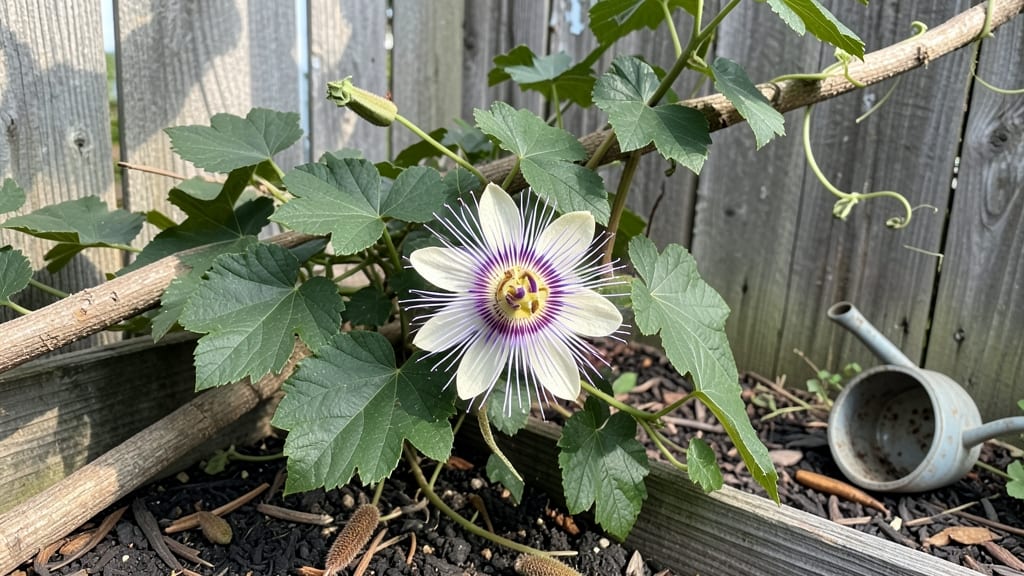
The passion vine flower isn’t just another pretty vine—it’s a year-round bloomer that turns fences, trellises, and even balconies into living art. 🌸 I’ve grown Passiflora for years, and the secret to its nonstop flowers isn’t complicated: three simple trims, smart pruning, and a little patience.
My first attempt nearly died from overwatering, but now I’ve got a vine that flowers from spring to frost—and even indoors in winter.
This tropical beauty thrives in zones 8-11, but with the right care, you can coax blooms even in cooler climates. It’s a sun-worshipper that needs 6+ hours of light daily, well-draining soil, and a sturdy support to climb.
The key varieties—like the fragrant Passiflora caerulea or the fruit-bearing Passiflora edulis—each have their own quirks, but the care basics stay the same. Even beginners can master this with just a few tools and a little know-how.
By summer’s end, you’ll have a vine covered in exotic, velvety blooms that hummingbirds adore. The trimming I’ll show you keeps it compact, encourages more flowers, and even extends its life indoors when seasons change.
No more sad, leggy vines—just lush, productive growth that keeps giving all year. Let’s get those roots growing!
Works for containers, trellises, or ground covers, and adapts to balconies or backyards. Whether you’re growing for flowers, fruit, or just the drama of those intricate blooms, this guide keeps it simple, effective, and stunning. Ready to transform your space?
📚 In This Guide
- What you need
- Instructions
- Tips and common mistakes
- Wrapping up and next steps
What you need
- ● Passion vine plant: 1–3 Passiflora seedlings or cuttings (e.g., Passiflora caerulea for hardy varieties or Passiflora edulis for tropical types).
- ○ Optional: Pre-potted passion vine (check local nurseries or online plant shops).
- ● Growing medium: Well-draining potting mix (e.g., 50% peat moss, 30% perlite, 20% compost) OR garden soil amended with compost (for in-ground planting).
- ○ Optional: Cactus/succulent mix for drought-tolerant varieties.
- ● Containers (if applicable): 1–2 5–10 gallon pots with drainage holes (for container gardening).
- ○ Optional: Self-watering planters or fabric grow bags for better moisture control.
- ● Support structures: Trellis, arbor, or sturdy stakes (at least 6–8 feet tall for vigorous vines).
- ○ Optional: Wire cages or decorative arches for aesthetic appeal.
- ● Basic tools: Pruning shears (sterilized with rubbing alcohol).
- ● Garden trowel or small shovel.
- ● Watering can or hose with a gentle spray nozzle.
- ○ Optional: Fertilizer (balanced 10-10-10 or organic options like fish emulsion).
- ● ✅ Sunlight: 6–8 hours of direct sun daily (more in hot climates; partial shade in scorching areas).
- ● ✅ Climate zone: Hardy varieties (e.g., P. caerulea) tolerate USDA Zones 5–11; tropical types need Zones 9–11.
- ● ✅ Watering routine: Keep soil consistently moist but not soggy (drought-tolerant once established).
- ○ Optional: Mulch (straw or wood chips) to retain moisture and regulate soil temperature.
How to prune passion vine for continuous, abundant blooms
Here’s how I keep my passion vine flowering nonstop—just three strategic cuts a year.
🌿 Step 1: Pinch Back New Growth Early in Spring
When you see new shoots emerge in early spring (around March or April), pinch off the top 2-3 inches of each vine. This forces the plant to branch out, creating more flower nodes down the stem. I do this even if the vine looks small—passion vines respond quickly to pruning.
Use clean, sharp pruners to avoid crushing stems. If you’re working with multiple vines, focus on the healthiest, most vigorous growth first. You’ll notice new side shoots forming within 2-3 weeks—that’s your signal the pruning worked.
✂️ Step 2: Trim After First Bloom Cycle
Once the first flowers fade (usually late spring or early summer), cut back one-third of the oldest growth from each vine. Look for woody, leafless stems—these are the ones slowing down new blooms. Remove them completely at the base.
This step is critical for year-round blooms. If you skip it, the vine will focus energy on extending old growth instead of producing new flowers. After trimming, water deeply to help the plant recover. You’ll see fresh, lush growth within 3-4 weeks, often with new buds forming.
🌱 Step 3: Light Prune for Fall Blooms
In late summer or early fall, give your passion vine a light trim to encourage one last flush of flowers before winter. Cut back any overly leggy or sparse stems, but leave the healthiest, most productive branches. This keeps the plant compact and ready for spring.
Here’s the thing—passion vines bloom on new wood, so pruning in fall ensures you’ll have fresh growth ready to flower as soon as temperatures warm again. Avoid heavy pruning now, though—just shape the vine and remove dead or damaged areas. A final watering before winter helps the roots store energy for next year.
⏰ Step 4: Winter Maintenance (Optional but Helpful)
If your passion vine is in a temperate climate and stays outdoors, give it a light cleanup in late winter (around February). Remove any frozen, blackened, or brittle stems—these won’t recover. Even a small trim now signals the plant to wake up and start growing.
If your vine is in a container, you can also rotate the pot to ensure even light exposure. This prevents the vine from growing lopsided. A little attention now means bigger, brighter blooms in spring—no extra effort required.
Tips & tricks for perfect passion vine flower pruning
These simple yet game-changing insights will help you maximize your passion vine's blooming potential without the guesswork.
Timing is Everything: Don't wait until spring to prune—act as soon as you spot those first tender shoots in early spring (March or April). The key is to catch them young, ideally when they're only 2-3 inches tall. I've seen vines that were pruned late in spring still produce flowers, but the early birds always get the most abundant blooms. The 2-3 week window for new side shoots to appear gives you a clear deadline to act.
Tool Precision Matters: Using clean, sharp pruners isn't just about making neat cuts—it's about preserving your vine's health. Dull blades crush stems, creating entry points for disease. I keep a dedicated pair of pruners just for my passion vine and sterilize them with rubbing alcohol between uses. For the one-third trim in Step 2, make clean cuts at a 45-degree angle just above a leaf node to encourage new growth from that exact spot.
Visual Cues for Healthy Growth: When selecting which stems to trim in Step 2, look for woody, leafless stems that feel hard when you gently squeeze them. These are the energy vampires of your passion vine, sucking resources that could go toward flowers. Healthy stems should be flexible and green. After your fall light trim, you'll know you've done it right when you see fresh, vibrant growth emerging within 3-4 weeks—this confirms your vine is ready for another flowering cycle.
Seasonal Rotation Strategy: For container-grown passion vines, I can't stress enough how important it is to rotate your pots every 2-3 weeks. This prevents the vine from leaning toward the light source and growing lopsided. The rotation also helps you spot any early signs of pests or disease on the undersides of leaves that might otherwise go unnoticed. This simple habit has saved my vines from multiple infestations by catching problems before they spread.
Pro Tips for Passion Vine Flower
- These simple yet game-changing insights will help you maximize your passion vine's blooming potential without the gue...
- Timing is Everything: Don't wait until spring to prune—act as soon as you spot those first tender shoots in early spr...
- Tool Precision Matters: Using clean, sharp pruners isn't just about making neat cuts—it's about preserving your vine'...
Frequently asked questions
Got questions about growing and caring for passion vine flowers? You’re not alone! Here are answers to the most common queries to help you nurture vibrant blooms year-round.
How long does it take for passion vine flowers to bloom after planting?
Passion vines typically take 6–12 months to produce flowers after planting, depending on growing conditions. Young vines focus on establishing roots first, so patience is key! Pro tip: Provide consistent moisture and support (like a trellis) to speed up flowering.
When is the best time to prune passion vine flowers for continuous blooms?
Prune your passion vine twice a year: early spring (to shape growth) and right after flowering (to encourage new blooms). Avoid heavy pruning in winter—focus on removing dead or overgrown vines. Bonus: A light trim after each harvest can boost flower production!
Can passion vine flowers grow indoors? What do they need?
Yes! Place your vine near a sunny window (6+ hours of light daily) or use a grow light. Keep humidity high (mist leaves or use a pebble tray) and fertilize monthly with a balanced liquid fertilizer. Warning: Indoor vines may grow slower—rotate the pot occasionally for even light exposure.
What pests or diseases should I watch for, and how do I treat them?
Common issues include aphids, spider mites, and powdery mildew. For pests, spray with neem oil or insecticidal soap. For mildew, improve airflow and treat with a fungicide. Prevention tip: Inspect leaves weekly and remove affected parts immediately to stop spread.
Are there alternatives to passion vine flowers for fast-growing climbers?
If you love dramatic blooms, try morning glories (fast-growing, annual) or clematis (perennial, low-maintenance). For edible options, sweet pea vines or pole beans are great choices. Note: Passion vines are unique for their edible flowers and fruits—perfect for culinary gardens!
Wrapping up and next steps
The passion vine flower is a stunning, low-maintenance addition to any garden, offering vibrant blooms with minimal effort—especially when you master the three simple trims to encourage year-round growth.
Whether you’re drawn to their exotic beauty or eager to attract pollinators, this resilient plant rewards patience with lush, continuous flowers. 🌸
Now that you’re armed with the right tools, techniques, and troubleshooting tips, it’s time to roll up your sleeves and give your passion vine the care it deserves. Start with one trim this week—watch your plant thrive, and soon, you’ll be the envy of the neighborhood with a garden bursting with color! 🌿