
Flowers
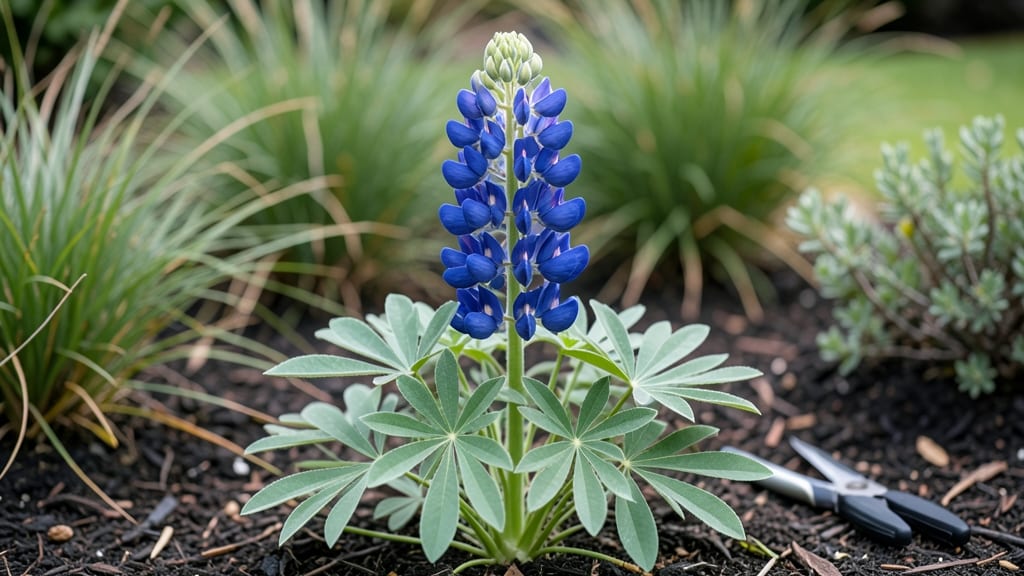
Growing perennial lupine flowers transforms your garden into a humming, blue-spired paradise that thrives on neglect. 🌿 I planted mine three years ago after struggling with thirsty annuals—now they spread effortlessly, their silky blooms drawing bees and butterflies while demanding almost no care.
The key? Understanding their native habits and letting them do their own thing.
These hardy plants love full sun and well-draining soil, but they’ll tolerate poor conditions once established—perfect for slopes or dry borders. Start seeds in fall or spring, or divide mature clumps in early spring.
Water lightly until roots establish, then let nature take over. Their drought tolerance makes them a low-maintenance superstar for pollinators.
By midsummer, you’ll have vibrant blue spires that last for weeks, followed by seed pods that add texture to winter gardens. Prune back dead growth in late winter, and watch them bounce back stronger. The secret? Less is more—these plants reward patience with years of effortless beauty.
Pair them with lavender, coneflowers, or ornamental grasses for a pollinator powerhouse border. They even improve soil nitrogen, making them a garden MVP. Ready to grow a blue oasis that thrives on its own?
📚 In This Guide
- What you need
- Instructions
- Tips and common mistakes
- Wrapping up and next steps
What you need
- ● Perennial lupine seeds: Choose drought-tolerant varieties like Lupinus polyphyllus or Lupinus perennis (50–100 seeds for a small garden; 200+ for larger spaces).
- ● Well-draining soil: Mix 1 part compost with 2 parts native soil (pH 6.0–7.0; test with a soil kit if unsure).
- ● Sunlight access: Full sun (6+ hours/day) or partial shade (3–6 hours) in hot climates.
- ● Watering can or hose: With a gentle spray nozzle (avoid overhead watering to prevent fungal risks).
- ○ Garden gloves: For handling seeds and soil (optional but recommended for prickly stems!).
- ● Garden trowel or transplanting spade: For digging holes (6–12 inches deep, depending on seed size).
- ○ Mulch (optional but helpful): 2–3 inches of straw or shredded bark to retain moisture and suppress weeds.
- ● Fertilizer (low-phosphorus): A balanced 10-10-10 or compost tea (lupines fix nitrogen—avoid over-fertilizing!).
- ● Stakes or trellis (for tall varieties): 3–4 foot stakes to support Lupinus polyphyllus (up to 5 feet tall).
- ● Patience! Lupines germinate slowly—4–8 weeks in ideal conditions.
- ● Mycorrhizal fungi: Inoculate seeds/soil to boost root health (especially in poor soil).
- ● Pollinator-friendly companions: Plant nearby bee balm, lavender, or coneflowers for a buzzing garden!
- ● Drought-resistant ground cover: Creeping thyme or sedum to reduce evaporation.
- ● Seed-starting tray (if sowing indoors): For early starts (6–8 weeks before last frost).
Step-by-step guide to planting and cultivating perennial lupine
Here's how to establish these striking blue pollinator magnets that thrive with minimal care.
🌱 Step 1: Choose the Perfect Location and Prepare Soil
Lupines adore full sun to partial shade, but they'll reward you most with 6+ hours of direct sunlight daily. Avoid low-lying spots where cold air settles—they're not frost-tolerant once established. I test soil drainage by digging a 6-inch deep hole, filling it with water, and timing how long it takes to drain. If it holds water past 2 hours, amend with 2-3 inches of coarse sand or gravel.
These nitrogen-fixers actually improve soil over time, but they prefer well-draining, slightly acidic soil with a pH between 6.0 and 7.0. A simple test kit will tell you if your soil needs sulfur (to lower pH) or lime (to raise it). I always work in a 2-inch layer of compost before planting—this gives roots a nutrient boost without overwhelming them.
🪴 Step 2: Plant Seeds or Transplants at the Right Time
Direct sow seeds in early spring after the last frost date when soil reaches 60°F. Seeds need light to germinate, so don't bury them—just press them ¼ inch deep into the soil. I use a seed spacing of 12 inches apart in rows 18 inches apart to give plants room to mature. For transplants, plant in early fall so roots establish before winter.
Water immediately after planting to settle the soil around seeds or roots. Keep the soil consistently moist but never soggy for the first 4-6 weeks. Lupines hate "wet feet"—too much moisture causes rot. You'll know you're doing it right when seedlings emerge with two small leaves (cotyledons) within 2-3 weeks of proper moisture.
☀️ Step 3: Maintain with Minimal Watering and Strategic Pruning
Once established, lupines are exceptionally drought-tolerant—water only when the soil feels bone-dry 2-3 inches down. I check by inserting my finger; if it comes out clean, it's time to water. Deep watering once a week in dry spells encourages deep root growth. Mulch with 2-3 inches of wood chips to conserve moisture and suppress weeds.
After flowering, cut back stems to 6 inches tall to encourage bushier growth next season. I always wait until after the first frost to do this—it gives plants time to set seed for natural propagation. Deadhead spent blooms to redirect energy into root development rather than seed production, which can weaken the plant.
✂️ Step 4: Divide and Propagate Every 3-4 Years
Lupines form dense clumps over time, so I divide them in early spring when new growth appears. Dig up the entire plant and separate into sections with 3-4 stems each. Replant divisions immediately, spacing them 18 inches apart. This prevents overcrowding and rejuvenates flowering.
For new garden spots, I save seeds from the first frost until late fall. Clean pods by drying them in a paper bag, then store in a cool, dry place. Lupine seeds germinate best when stratified—plant them in late fall or sow in early spring without additional treatment. You'll see seedlings emerge within 2-3 weeks of proper conditions.
🌿 Step 5: Protect and Encourage Pollinators Year-Round
Lupines attract bees, butterflies, and hummingbirds, but they're also deer magnets. I protect young plants with chicken wire cages until established. Once mature, their toxic foliage deters most pests naturally. The only real threat is powdery mildew in humid climates—prevent it by watering at the base and ensuring good airflow.
To extend the blooming season, I fertilize lightly in early spring with a balanced 10-10-10 fertilizer at half strength. The real magic happens when lupines naturalize—their nitrogen-fixing roots improve soil so much that nearby plants thrive. I always plant them at the back of borders so their 3-4 foot height creates a stunning blue backdrop for shorter perennials.
Tips & tricks for perfect perennial lupine cultivation
Here's what nobody tells you—these little details make all the difference for lupines that thrive year after year.
Soil Testing Secret: That 6.0-7.0 pH range isn't just a suggestion—it's critical for lupines to access nitrogen efficiently. I've seen plants struggle in soil that tested 5.5 or 7.5, even with compost. Grab a cheap test kit before planting; adjusting pH with sulfur or lime costs pennies compared to replacing struggling plants. The 2-inch compost layer works wonders but only if your soil's baseline pH is right.
Timing Strategy for Transplants: Planting in early fall (as instructed) gives roots a head start before winter, but don't rush it. I've found that transplanting when soil temps drop below 55°F can shock the roots. Aim for soil that's still warm enough to support root growth—around 58-60°F—while giving plants time to establish before dormancy. This balances the early fall window perfectly.
Watering Watch: The "bone-dry 2-3 inches down" rule is your best friend, but don't rely solely on finger tests in clay soil. In heavy clay, I use a screwdriver to check moisture at 2 inches depth—it's more reliable than my finger. And here's the kicker: once established, lupines actually prefer occasional drought over consistent moisture. The deep watering once a week becomes more about encouraging root growth than keeping plants hydrated.
Pruning Precision: That 6-inch cutback after flowering might seem drastic, but it's not about removing too much—it's about redirecting energy. I've seen gardeners cut too low and sacrifice next year's blooms. Leave at least 2 inches of stem above ground to maintain the plant's energy reserves. And always use clean, sharp shears to prevent disease transmission between plants.
Pro Tips for Perennial Lupine Flower
- Here's what nobody tells you—these little details make all the difference for lupines that thrive year after year.
- Soil Testing Secret: That 6.0-7.0 pH range isn't just a suggestion—it's critical for lupines to access nitrogen effic...
- Timing Strategy for Transplants: Planting in early fall (as instructed) gives roots a head start before winter, but d...
Frequently asked questions
Are perennial lupines really drought-tolerant?
Once established (after their first year), perennial lupines thrive in dry conditions. Their deep roots access water efficiently, making them ideal for low-water gardens. Pro tip: Mulch lightly to retain moisture during their early growth phase, but avoid overwatering—lupines hate soggy soil!
How long does it take for lupines to bloom?
Perennial lupines typically take 1–2 years to reach their first bloom after planting. First-year plants focus on root growth, but with patience, you’ll see those iconic blue spires in spring or early summer. Fun fact: Some varieties, like Lupinus polyphyllus, may bloom sporadically in their second year before becoming reliable.
Do lupines attract bees and butterflies?
You bet! Lupines are a pollinator powerhouse, especially for bees and butterflies. Their nectar-rich flowers provide sustenance, and their long blooming season (spring to summer) keeps beneficial insects visiting. For extra buzz, plant them near other pollinator-friendly flowers like lavender or coneflowers. Bonus: Hummingbirds may also stop by for a sip!
What’s the best soil for growing lupines?
Lupines prefer well-draining, slightly acidic to neutral soil (pH 6.0–7.0). They tolerate poor soil but grow best in loamy mixes with added compost. Avoid heavy clay—amend with sand or organic matter if needed. Pro tip: If your soil is alkaline, mix in peat moss or pine needles to lower pH slightly.
Why aren’t my lupines blooming?
No blooms? Check these fixes:
- Too much nitrogen: Lupines need low-nitrogen fertilizer (or none!). Over-fertilizing promotes leafy growth but stunts flowers.
- Overcrowding: Space plants 1–2 feet apart for airflow and sunlight.
- First-year plants: As mentioned, they often skip blooming to build roots.
- Deadheading: Remove spent blooms to encourage repeat flowering.
Still struggling? Try dividing mature clumps in early spring to rejuvenate growth.
Wrapping up and next steps
Perennial lupine flowers are a game-changer for gardeners seeking beauty, sustainability, and pollinator support—all while thriving in tough conditions. Their stunning blue spires, drought tolerance, and nitrogen-fixing superpowers make them a must-have for eco-friendly landscapes.
Whether you're a beginner or a seasoned gardener, adding lupines is a simple yet impactful way to elevate your garden.
Ready to transform your outdoor space? Start small—plant a few lupine seeds or seedlings this season and watch your garden bloom with color, life, and resilience! 🌿✨