
Flowers
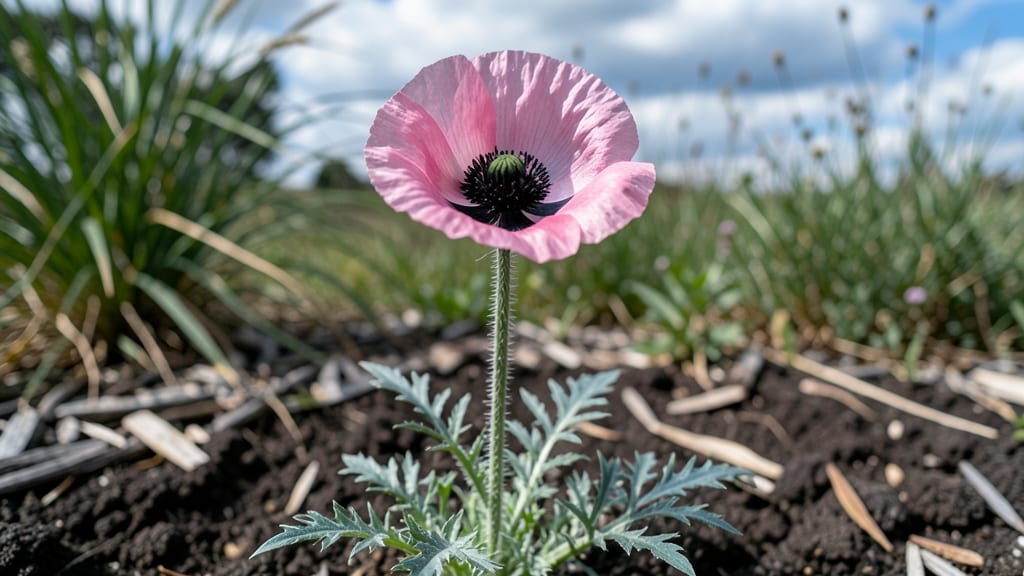
The pink poppy flower turns ordinary garden beds into eye-catching statements with its vibrant hue and delicate petals. I still remember the first time I saw them—soft pink blooms swaying against deep green foliage, creating a contrast that feels both bold and serene.
These flowers aren’t just pretty; they’re effortless to grow, thriving in sunny spots with minimal fuss.
Perfect for cottage gardens, wildflower meadows, or even as a striking border, pink poppies pair beautifully with lavender, purple salvia, or deep red roses. They bloom from late spring through summer, adding seasonal color when other flowers fade.
The best part? They self-seed, so you’ll have more each year without extra work.
Imagine a garden where pink poppies catch the morning light, their petals unfurling like nature’s own confetti. They attract pollinators too, making your space lively and full of life. Whether you’re designing a formal bed or a relaxed wildflower patch, these flowers bring drama without the maintenance.
Ready to transform your garden? Start with a sunny spot, some well-draining soil, and a handful of seeds. In just a few weeks, you’ll have a poppy-filled paradise that turns heads—and maybe even a few jealous neighbors.
📚 In This Guide
- What you need
- Instructions
- Tips and common mistakes
- Wrapping up and next steps
What you need
- ● Pink poppy seeds (Papaver rhoeas) – Choose heirloom or organic seeds for best results (1–2 grams covers ~100 sq ft).
- ● Well-draining soil mix – A blend of garden soil (60%), compost (30%), and perlite/sand (10%) works best.
- ● Garden bed or containers – Minimum 6-inch depth for seeds; containers need drainage holes.
- ● Sunlight access – Full sun (6+ hours daily) for optimal blooms.
- ● Hand trowel or transplanting tool – For digging and spacing seeds.
- ● Watering can or hose with gentle spray – Avoid over-saturating seeds.
- ○ Mulch (optional but recommended) – Straw or shredded leaves to retain moisture.
- ● Fertilizer (low-nitrogen, 5-10-10 ratio) – Light application after germination.
- ● Timing – Plant seeds in early spring (March–April) or late summer (August–September) for fall blooms.
- ● Temperature – Ideal germination: 60–70°F (15–21°C).
- ● Patience! – Seeds sprout in 10–21 days; full blooms in 6–8 weeks.
How to plant and care for pink poppies for stunning garden impact
Pink poppies add drama to any garden with their bold, papery blooms. Here’s how to grow them successfully.
🌱 Step 1: Choose the Perfect Planting Location
Pink poppies thrive in full sun, so pick a spot that gets at least 6-8 hours of direct sunlight daily. They’re adaptable to most soil types but prefer well-draining soil—avoid heavy clay or waterlogged areas. If your soil is dense, mix in 2-3 inches of compost before planting to improve drainage.
Poppies are annuals, so they’ll complete their life cycle in one season. Plant them in early spring, 4-6 weeks before your last frost date, for the best blooms. If you’re in a warm climate, you can also plant in fall for winter color.
🌱 Step 2: Plant Seeds Correctly for Strong Growth
Poppy seeds are tiny and delicate, so handle them gently. Scatter them ¼ inch deep in the soil, spacing them about 6 inches apart. They don’t need to be planted deeply—they germinate best when just barely covered. Lightly press the soil over the seeds to ensure good contact.
Water gently but thoroughly after planting. Keep the soil evenly moist until germination, which typically takes 7-14 days. Avoid overwatering, as soggy soil can cause the seeds to rot. Once they sprout, reduce watering slightly—poppies are drought-tolerant once established.
☀️ Step 3: Maintain Minimal Care for Maximum Blooms
Pink poppies are low-maintenance but benefit from occasional care. Once they reach 6-8 inches tall, they’ll start producing buds. At this stage, reduce watering to prevent leggy stems. Let the soil dry out slightly between waterings—overwatering leads to weak, floppy plants.
Deadhead spent blooms by pinching off the faded flowers. This encourages more blooms and keeps the plants looking tidy. Poppies are self-seeding, so you’ll often find new plants popping up in the same spot the following year—just thin them out if they get too crowded.
✂️ Step 4: Extend the Season with Simple Tricks
To prolong blooming, cut back faded stems to the base. This redirects the plant’s energy into producing new flowers. If your poppies start to look tired by mid-summer, give them a light trim to refresh their growth.
For a second flush of blooms, lightly fertilize with a balanced, water-soluble fertilizer (like 10-10-10) in early summer. Use it sparingly—poppies don’t need much to thrive. Mulch around the base with 1-2 inches of straw or shredded leaves to retain moisture and suppress weeds without smothering the plants.
Tips & tricks for perfect pink poppy planting
Between us, these little details make all the difference when growing poppies that steal the show.
Sunlight Strategy: Those 6-8 hours of daily sun are non-negotiable for vibrant pink blooms. If your garden spot gets afternoon shade, consider planting poppies in a raised bed or container where they'll get more consistent sunlight. I've seen poppies in partial shade still bloom, but the colors will be more muted and stems weaker.
Seed Handling: Poppy seeds are so tiny they'll disappear if you're not careful. Here's what I learned the hard way: mix them with a little sand before scattering to help distribute them evenly. Also, avoid pressing them too firmly into the soil—they need just that light ¼-inch coverage to germinate properly. Think of it like dusting powder on a cake rather than pressing it down.
Watering Wisdom: The 7-14 day germination window is critical—keep that soil evenly moist but never soggy. I use a spray bottle for the first few days after planting to avoid disturbing the seeds. Once they sprout, you'll notice the seedlings have silvery-blue leaves that look almost alien—don't panic, that's normal! Reduce watering immediately after they appear to prevent leggy growth.
Deadheading Technique: When you deadhead those spent blooms, don't just pull them off—snip the stems at the base with clean scissors. This prevents disease from spreading through the plant. I've found that doing this in the morning gives the plant the whole day to recover and redirect its energy toward new blooms rather than struggling through the heat of afternoon.
Pro Tips for Pink Poppy Flower
- Between us, these little details make all the difference when growing poppies that steal the show.
- Sunlight Strategy: Those 6-8 hours of daily sun are non-negotiable for vibrant pink blooms. If your garden spot gets ...
- Seed Handling: Poppy seeds are so tiny they'll disappear if you're not careful. Here's what I learned the hard way: m...
Frequently asked questions
Got questions about growing and styling with pink poppy flowers? You’re not alone! Here are answers to the most common queries—whether you’re a first-time gardener or a seasoned floral designer looking for bold pops of color.
When is the best time to plant pink poppy flowers?
Pink poppies thrive in cool seasons. Plant seeds in early spring (as soon as the soil is workable) or late summer/early fall for a stunning spring bloom. Avoid planting in scorching heat—they prefer temperatures between 50–65°F (10–18°C). For container gardening, start seeds indoors 6–8 weeks before the last frost.
How long do pink poppy flowers take to grow?
From seed to bloom, pink poppies are fast growers! Expect flowers in 6–10 weeks under ideal conditions (full sun, well-draining soil). However, they’re annuals, so their full life cycle lasts just 1–2 years. Deadhead spent blooms to encourage more flowers and prolong their display.
Can pink poppies grow in containers or small gardens?
Pink poppies adapt well to containers, window boxes, or small garden beds. Choose pots with drainage holes (they hate soggy roots) and pair them with dwarf varieties like Papaver rhoeas. For a striking contrast, mix them with silver foliage plants (like lamb’s ear) or deep purples (e.g., salvia). Just ensure they get at least 6 hours of sunlight daily.
Why aren’t my pink poppy flowers opening?
Pink poppies might skip blooming due to a few common issues:
- Too much shade: They need full sun (6+ hours). Relocate to a sunnier spot.
- Overcrowding: Thin seedlings to 12–18 inches apart for better air circulation.
- Poor soil: Amend heavy clay with compost or sand for drainage.
- Late planting: If sown too late, they may bolt (go to seed) without flowering.
If the problem persists, check for pests (e.g., aphids) or disease (like powdery mildew)—though poppies are generally low-maintenance!
What flowers pair best with pink poppies for contrast?
Pink poppies shine alongside these color-contrast companions:
- Deep blues/purples: Salvia, delphiniums, or cornflowers for a dramatic look.
- Silver/gray foliage: Lamb’s ear or artemisia to make pinks pop.
- Rich greens: Ferns or hostas for a natural, lush backdrop.
- White or cream: Sweet alyssum or statice for a romantic contrast.
Pro tip: Avoid pairing with tall, floppy plants—poppies are delicate and need support!
Wrapping up and next steps
The pink poppy flower is more than just a burst of color—it’s a statement of elegance and resilience in your garden. With its striking contrast and low-maintenance charm, it’s the perfect way to elevate any outdoor space while attracting pollinators and adding life to your landscape.
Whether you’re a seasoned gardener or just starting, now’s the time to plant, nurture, and enjoy the beauty of these vibrant blooms!
Ready to transform your garden? Grab your seeds, pick a sunny spot, and get growing! 🌸✨