
Flowers
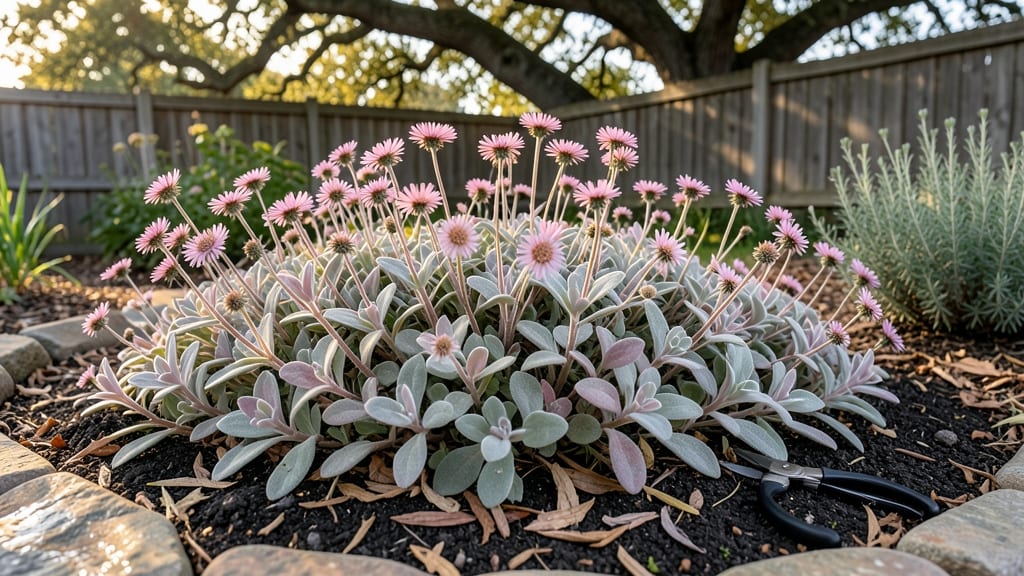
Pink straw flowers bring year-round color that refuses to fade—even after cutting. 🌸 Their papery petals stay vibrant for weeks, making them the unsung hero of seasonal arrangements and garden beds. I discovered them after my last summer blooms wilted too soon, and they’ve never left my garden since.
These drought-tolerant darlings thrive in full sun and pair beautifully with lavender, salvia, or dusty miller for a soft, romantic look. Use them in mixed borders, wildflower meadows, or even as filler in bouquets—they dry perfectly for winter arrangements.
Their low-maintenance nature makes them ideal for busy gardeners who still want drama.
With the right pruning, you’ll enjoy fresh blooms from spring through fall, and sometimes even into winter. Pinch back leggy stems in early summer to encourage bushier growth, and watch them rebound with cheerful pink bursts.
The key is keeping them happy in well-draining soil, and they’ll reward you with effortless elegance.
Perfect for cottage gardens, modern containers, or even as a standalone statement plant. Once you try them, you’ll wonder how you ever lived without these foolproof color keepers. Let’s get your garden blooming longer than ever before!
📚 In This Guide
- What you need
- Instructions
- Tips and common mistakes
- Wrapping up and next steps
What you need
- ● Pink straw flowers (or fresh pink flowers): 5–10 stems (or more, if creating a full arrangement)
- ● Choose fresh, fully bloomed pink flowers (e.g., roses, carnations, or hydrangeas) for best results.
- ● Pruning shears: Sharp, clean pair to snip stems at a 45-degree angle (prevents air bubbles in water).
- ● Water: Room-temperature or slightly warm (helps stems absorb water faster).
- ● Vase or container: Clear glass vase (for visibility) or any vessel with a narrow neck.
- ● Minimum height: 6–8 inches (taller for dramatic arrangements).
- ○ Floral preservative (optional but recommended): Extends vase life by 3–5 days (e.g., Floralife or DIY mix: 1 tsp sugar + 2 drops bleach per cup of water).
- ● Decorative elements: Greenery (eucalyptus, baby’s breath), ribbons, or beads for a whimsical touch.
- ● Hot glue gun or floral tape: For securing stems in place if arranging in a dried or non-traditional vase.
- ● Pink straw (for DIY straw flowers): 3–5 pieces (cut into 6-inch lengths) if crafting straw-only blooms.
- ● Wire or floral pins: Helps shape straw into petals or secure stems.
Step-by-Step guide for pruning pink straw flowers
Here's how I keep my pink straw flowers blooming nonstop—no guesswork, just precision cuts.
✂️ Step 1: Identify Healthy Growth and Dead Blooms
Start by scanning your pink straw flowers for spent blooms and leggy stems. You'll spot dead flowers easily—they'll be brown or wilted at the tips. Healthy growth looks firm, vibrant, and has fresh green leaves. I always prune in the morning when stems are stiff and moisture levels are ideal.
Use sharp pruning shears to snip just above the first set of healthy leaves below each dead bloom. This ensures new growth emerges from a strong node. If you see any stems with yellowing leaves or blackened tips, those need removal too—they're either dying back or diseased. Don't worry about making perfect cuts; straw flowers are forgiving as long as you're clean and precise.
✂️ Step 2: Shape for Bushier Growth
After removing dead blooms, step back and assess the plant's overall shape. Pink straw flowers naturally grow in a loose, airy habit, but they respond beautifully to strategic pruning. Look for stems that are growing too long or thin—they'll be the ones stretching toward light sources or looking sparse.
Cut these back by about one-third of their length, always making your cut just above a leaf node. This encourages branching and creates a fuller, more compact plant. I like to angle my cuts slightly to prevent water from pooling on the stem, which could lead to rot. Never cut into old wood—only prune the current season's growth for best results.
☀️ Step 3: Time Pruning for Maximum Blooms
Timing matters more than you'd think. For continuous blooms, prune your pink straw flowers every 2-3 weeks during the growing season. This keeps the plant focused on producing new flowers rather than setting seed. In late summer, you can space pruning out to every 4-6 weeks as growth naturally slows.
Always prune after a blooming flush but before the flowers start to fade. You'll know you've timed it right when you see fresh buds forming within 7-10 days of your cut. Avoid heavy pruning in late fall—just remove any dead or damaged stems. The plant needs time to harden off before winter, and aggressive cuts can stress it unnecessarily.
✂️ Step 4: Clean Up and Maintain Year-Round
After pruning, gather all your cuttings and dispose of them properly. Dead blooms and diseased stems should go in the trash, not the compost pile. This prevents reinfesting your garden with pathogens. I like to clean my pruning shears with rubbing alcohol between cuts to keep everything sterile.
For winter care, reduce pruning to just removing dead or broken stems. Pink straw flowers are hardy in many climates, but a light trim keeps them looking tidy. In spring, give them a fresh round of shaping pruning to encourage new growth. You'll see fresh shoots emerging within 2-3 weeks—that's your signal everything's working right.
Tips & tricks for perfect pink straw flower pruning
Took me years to figure out these simple tricks that'll keep your pink straw flowers looking lush and blooming all season long.
Tool Prep: Always start with clean, sharp pruning shears—dull blades crush stems instead of making clean cuts. I sharpen mine with a file or replace them every couple of years. After each cut, wipe the blades with rubbing alcohol to prevent spreading disease between stems. This might seem like overkill, but it makes all the difference in keeping your plants healthy.
Visual Cues for Pruning: In Step 1, when identifying dead blooms, look for flowers that have turned brown or have paper-thin petals. Healthy buds should feel firm to the touch and have a slight springiness. For Step 2 shaping, imagine your plant as a tree—you want to remove the "branches" that are growing too far outward while keeping the "trunk" (main stems) intact. This creates that perfect bushy shape.
Seasonal Adjustments: The 2-3 week pruning schedule in Step 3 works perfectly for spring and summer, but don't forget to adjust in autumn. When temperatures drop below 50°F, reduce pruning to just removing dead stems. I've seen plants stressed by aggressive fall pruning fail to rebound in spring—better to be gentle now and reward yourself with fresh growth later.
Pruning Waste Strategy: Those cuttings you collect in Step 4 aren't just trash—they can become new plants! Place healthy stem cuttings in water with just a few leaves remaining. Within 2-3 weeks, you'll see roots forming. This is a great way to propagate your pink straw flowers for free while keeping your garden looking tidy. Just avoid using stems from diseased plants.
Pro Tips for Pink Straw Flowers
- Took me years to figure out these simple tricks that'll keep your pink straw flowers looking lush and blooming all season long.
- Tool Prep: Always start with clean, sharp pruning shears—dull blades crush stems instead of making clean cuts.
- Visual Cues for Pruning: In Step 1, when identifying dead blooms, look for flowers that have turned brown or have paper-thin petals.
Frequently asked questions
Got questions about keeping your pink straw flowers vibrant and thriving? You’re not alone! Here are answers to the most common queries—from pruning tips to troubleshooting—so you can enjoy their cheerful blooms year-round.
How often should I prune pink straw flowers to keep them blooming?
Prune Armeria maritima (pink straw flowers) lightly after each flowering cycle, typically every 4–6 weeks. Deadhead spent blooms to encourage new growth, and give them a hard prune in early spring to shape the plant. Avoid over-pruning—they’re tough but prefer a natural, slightly wild look!
Can pink straw flowers survive winter, and do they need extra care?
Yes! These hardy perennials thrive in USDA Zones 3–9 and tolerate frost. In colder climates, mulch the base with 2–3 inches of straw or shredded leaves to protect roots. No need for pots or blankets—just let them hibernate naturally. Spring will bring fresh blooms!
What’s the best soil for pink straw flowers, and how do I fix poor drainage?
They prefer well-draining, slightly alkaline soil (pH 6.0–7.5). If your soil is heavy clay, mix in sand or gravel to improve aeration. For containers, use a cactus/succulent mix with perlite. Drainage is critical—root rot is their biggest enemy!
Are there drought-tolerant alternatives if pink straw flowers struggle in my climate?
Try these low-maintenance, drought-resistant picks:
- Sea thrift (Armeria pseudarmeria): Similar blooms, salt-tolerant.
- Lavender (Lavandula): Fragrant, purple spikes, loves heat.
- Ice plant (Delosperma): Succulent-like, vibrant pink blooms.
Why are my pink straw flowers’ leaves turning yellow or brown?
Yellowing leaves often signal overwatering or nutrient deficiency. Brown tips? Likely underwatering or salt buildup (rinse soil occasionally). Check for pests like aphids (spray with soapy water if needed). If the issue persists, test your soil’s pH—these plants hate soggy, acidic conditions.
Wrapping up and next steps
Pink straw flowers—those cheerful, low-maintenance blooms—bring effortless color to any garden, all year long! With the right pruning techniques and a little care, you’ll enjoy their vibrant hues without the fuss.
Whether you’re a seasoned gardener or just starting, these flowers reward your attention with bold, cheerful displays that brighten up even the grayest days.
Ready to transform your space? Start small—pick a sunny spot, grab your shears, and give pruning a try! Your garden (and future flower lovers) will thank you. 🌸✂️