
Planting
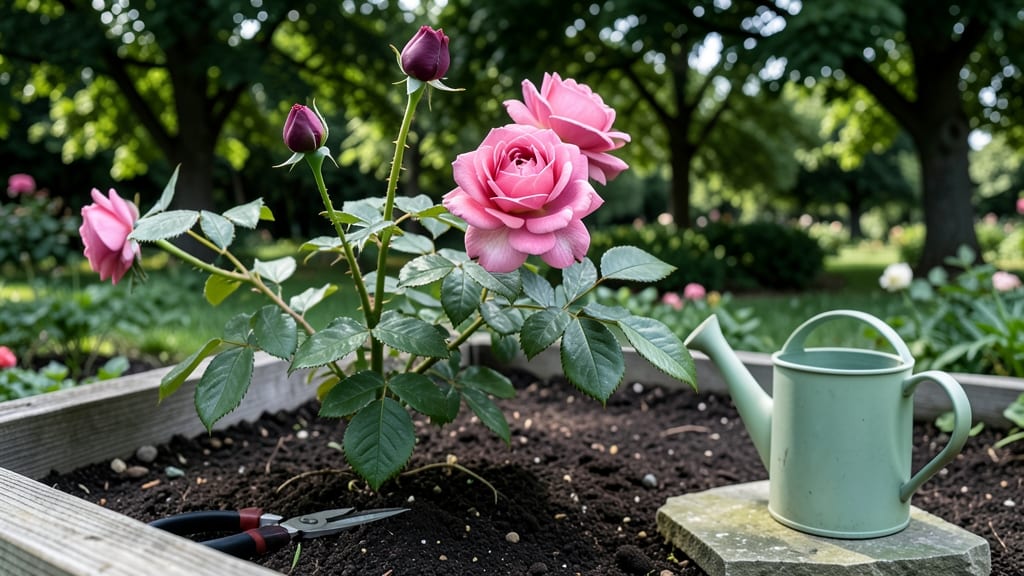
Planting a rose flower isn’t just about sticking a bare root in the ground—it’s about setting up a showstopper that rewards you with fragrant blooms for years.
I’ve planted roses in everything from heavy clay to sandy soil, and the difference between a thriving bush and a struggling one comes down to three key moves: picking the right spot, prepping the soil like a pro, and giving it the perfect start.
The first year determines whether you’ll be pinching back dead blooms or celebrating lush, repeat-flowering bushes by summer’s end.
The secret weapon? Full sun and well-draining soil—no shortcuts. Roses hate soggy feet, so if your yard holds water after a rain, amend the soil with compost and sand before planting.
Choose a variety that matches your climate: hybrid teas for heat, floribundas for cooler zones, or rugged shrub roses if you want low-maintenance beauty. My David Austin English roses thrive in my zone 7 garden, but even they need the right prep to handle our humid summers.
Skip this step, and you’ll spend the next year playing catch-up with fertilizers and pruning.
Once planted, your rose will need consistent watering—deep soaks twice a week, not light sprinkles—and a 2-3 inch layer of mulch to lock in moisture and keep roots cool.
The first blooms might take 6-8 weeks, but when they arrive, they’ll be bold, fragrant, and disease-resistant if you’ve followed the basics. Prune spent blooms regularly to encourage more flowers, and by next season, you’ll have a bush that’s the envy of the neighborhood. The payoff?
A garden that smells like a French countryside and never stops delivering.
This works for bare-root roses, potted plants, or even container growing—just adjust the soil mix and watering schedule. Whether you’re fixing a failed planting or starting fresh, these steps turn roses from a high-maintenance headache into the easiest, most rewarding plants in your yard.
Let’s get those roots in the ground and watch them grow.
📚 In This Guide
- What you need
- Instructions
- Tips and common mistakes
- Wrapping up and next steps
What you need
- ● Bypass pruners – Sharp, clean, and disinfected (1 pair). Avoid anvil pruners—they crush stems!
- ● Loppers – For thicker branches (2–3 inches in diameter). Look for long handles (18+ inches) for leverage.
- ● Disinfectant – 70% isopropyl alcohol or a 10% bleach solution (1 bottle or spray). Sanitize tools before and after each use!
- ● Garden gloves – Heavy-duty, cut-resistant (1 pair). Roses have thorns—protect those fingers!
- ○ Rake or broom – For clearing debris (1). Optional but saves time!
- ○ Pruning sealant (optional but recommended) – Tree wound paint (small bottle). Helps prevent disease in large cuts.
- ● Long-sleeve clothing – Lightweight, thorn-proof fabric. Think gardening apron + sleeves!
- ● Safety glasses – Protects eyes from flying debris (1 pair). No excuses—safety first!
- ● Hose with nozzle – For rinsing tools and rose canes post-pruning.
- ● Pruning saw – For extremely thick wood (1–2 inches+). Not needed for most home gardens.
- ● Notebook & pen – To sketch your rose’s shape or track growth. Future-you will thank you!
How to prune roses for continuous blooms and fragrance
Pruning roses might seem intimidating, but it’s the secret to lush growth and endless flowers.
Time Your Pruning for Optimal Growth
Prune your roses in early spring, just as new buds begin to swell but before leaves emerge. This timing ensures you’re cutting back at the right moment—too early and you risk frost damage, too late and you delay blooming. If you missed spring, a light pruning in late winter still works, but avoid heavy cuts.
For repeat-blooming varieties, a second light pruning in early summer after the first flush of flowers encourages a second wave of blooms. This isn’t necessary for once-blooming roses, which naturally focus their energy on a single burst of flowers in spring.
Use the Right Tools and Technique
Sharp, clean pruners are a must—dull blades tear stems and invite disease. I always disinfect my tools with rubbing alcohol between cuts to prevent spreading fungal spores. Cut at a 45-degree angle just above an outward-facing bud, about ¼ inch above it. This angle helps water run off the stem and reduces rot risk.
Remove any dead, diseased, or crossing branches first. These compete with healthy growth and can harbor pests. If a branch is completely dead, cut it back to the base. For live branches, aim to open the center of the plant to improve airflow and sunlight penetration—this keeps roses healthy and fragrant.
Shape for Balance and Airflow
Step back and visualize the plant’s natural shape. Roses should look like an open vase, wider at the top than the bottom. Cut back branches that grow inward or cross over others, as these create congestion and invite pests. Aim to reduce the plant’s overall size by about one-third during spring pruning, but never cut more than one-third of the plant at once.
Pay attention to the plant’s growth habit—some roses grow bushier, while others are more upright. Adjust your cuts to encourage the shape you want. For climbers, prune to maintain a strong framework while still allowing room for new growth to trail or climb.
Encourage New Growth with Strategic Cuts
Look for 5-7 strong, healthy buds on each remaining branch after pruning. These will become the foundation for new growth. Cut just above the bud, ensuring it faces outward. This ensures the new shoots grow away from the center, keeping the plant open and airy.
After pruning, apply a balanced rose fertilizer to support the plant’s recovery and promote vigorous new growth. Water deeply but avoid soaking the foliage, as wet leaves can encourage fungal diseases. Mulch around the base with 2-3 inches of organic mulch to retain moisture and regulate soil temperature.
Monitor and Maintain Through the Season
Throughout the growing season, keep an eye out for suckers—shoots that grow from the base or along the stem. These divert energy from flowering and should be removed promptly. Also, deadhead spent blooms regularly to encourage more flowers and keep the plant looking tidy.
If you notice yellowing leaves or black spots, act quickly. Prune affected areas immediately and treat with a fungicide if needed. Roses are resilient, but consistent care keeps them thriving. With proper pruning, your roses will reward you with abundant blooms and intoxicating fragrance all season long.
Tips & tricks for pruning roses like a pro
Here's what nobody tells you about pruning roses that'll transform your garden from good to spectacular.
Timing is Everything: The early spring timing in Step 1 is crucial because it aligns with the plant's natural growth cycle. When you prune just as buds begin to swell, you're encouraging new growth from those buds rather than cutting into dormant wood. For repeat-bloomers, that early summer pruning after the first flush of flowers gives the plant time to recover before pushing new growth. I've learned this the hard way—pruning too late in spring can delay blooming by several weeks.
The 45-Degree Angle Secret: That 45-degree angle in Step 2 isn't just for looks—it's a water management system. The angled cut prevents water from pooling at the cut site, which dramatically reduces rot risk. When you cut just above an outward-facing bud (about ¼ inch above it), you're directing new growth away from the center, creating that perfect open vase shape. This single technique makes all the difference between a congested, disease-prone rose bush and one that thrives.
Shape Matters More Than You Think: The one-third reduction rule in Step 3 might seem arbitrary, but it's based on rose physiology. Cutting back more than one-third stresses the plant, while less than one-third doesn't stimulate enough new growth. For climbers, remember that maintaining a strong framework means you're not just cutting for shape—you're creating a scaffold that can support years of blooms. I always visualize the plant as an open vase, wider at the top, to guide my cuts.
Post-Pruning Care Makes the Difference: After all that careful cutting, the follow-up care in Step 4 is what seals the deal. That balanced rose fertilizer gives the plant exactly what it needs to recover and grow vigorously. The 2-3 inches of organic mulch isn't just decoration—it's a moisture regulator and temperature stabilizer. And here's a pro tip: when you water deeply but avoid soaking foliage, you're preventing fungal diseases that could undo all your hard work.
Pro Tips for Plant Rose Flower
- Here's what nobody tells you about pruning roses that'll transform your garden from good to spectacular.
- Timing is Everything: The early spring timing in Step 1 is crucial because it aligns with the plant's natural growth cycle.
- The 45-Degree Angle Secret: That 45-degree angle in Step 2 isn't just for looks—it's a water management system.
Frequently asked questions
Got questions about pruning your rose flowers for lush, fragrant blooms all year? You’re not alone!
Here are the most common queries—and their easy, expert-backed answers—to keep your roses thriving.
When is the best time to prune roses for continuous blooms?
Prune late winter or early spring (just before new growth starts) to shape the plant and remove dead wood. For repeat bloomers, do a light trim after each major bloom cycle (summer/fall) to encourage more flowers. Avoid heavy pruning in fall—it stresses the plant before winter.
How do I know which branches to cut when pruning roses?
Look for dead, diseased, or crossing branches—these go first! Cut at a 45-degree angle just above an outward-facing bud (about ¼ inch above). For flowering stems, trim back to 5 healthy leaves to promote bushier growth. Never top roses—this kills blooms!
Can I prune roses in summer without hurting them?
Yes! Light summer pruning (removing spent blooms and shaping) is great for encouraging new growth. Just avoid heavy cuts—stick to 10-15% of the plant’s foliage max. Water deeply after pruning to help recovery. Pro tip: Prune on a cloudy day to reduce stress on the plant.
What should I do if my roses aren’t blooming after pruning?
Check these fixes:
- Sunlight: Roses need 6+ hours of sun daily—move to a sunnier spot if needed.
- Watering: Deep water 2-3 times/week (drought stress = fewer blooms).
- Fertilizer: Use a rose-specific feed in early spring and mid-summer.
- Pruning timing: If you cut too late, new growth won’t have time to bloom.
Are there low-maintenance rose varieties that don’t need heavy pruning?
Try these easy-care roses:
- Knock Out® Roses – Disease-resistant, bloom all season, need minimal pruning.
- Floribunda Roses – Bushy and hardy; just trim dead stems after blooming.
- Climbing Roses (like ‘New Dawn’) – Prune lightly to shape; focus on removing crowded growth.
Wrapping up and next steps
Growing a thriving rose bush with year-round blooms and intoxicating fragrance is entirely within your reach! With the right pruning techniques, patience, and care, you’ll transform your garden into a lush, romantic retreat.
Remember, every snip is a step toward healthier stems, more vibrant flowers, and a stronger plant—so embrace the process with confidence.
Ready to take the next step? Start with a single rose bush or expand your garden—either way, your efforts will pay off in petals of beauty. 🌹💐 Grab your pruners and get pruning today!