
Flowers
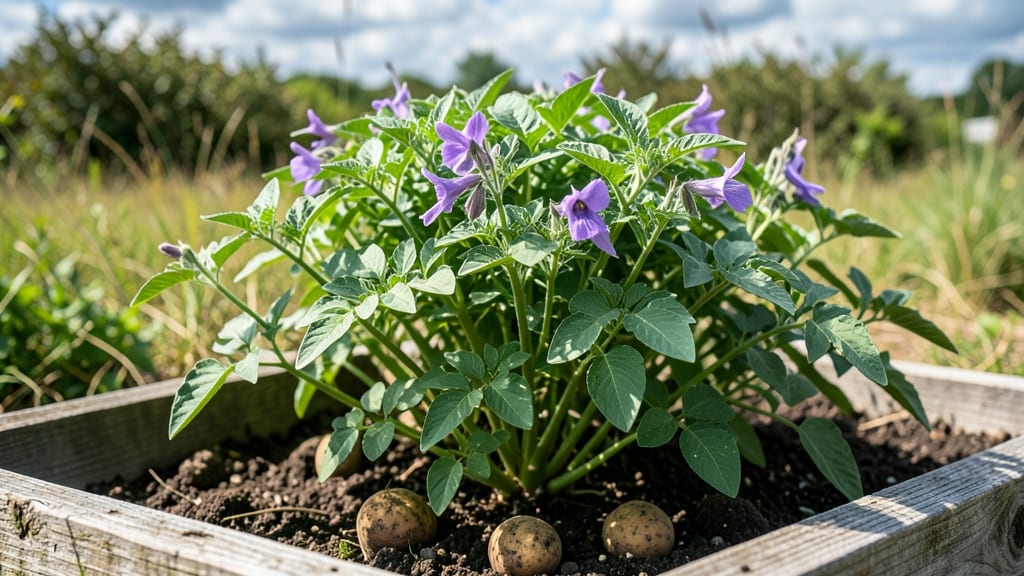
Those purple potato vine flowers cascade like liquid velvet, turning even the most ordinary container into a showstopper. 🌿 I still remember the first time I saw them spill over a balcony railing—it looked like someone had draped a waterfall of amethyst across the air.
The secret isn’t just their color but how they refuse to quit: blooming from spring until frost, then often pushing through winter in mild climates.
They thrive in hanging baskets, trellises, or mixed planters where their trailing habit creates instant drama. Pair them with silver foliage like dusty miller or bright yellow blooms like lantana to make the purple pop even harder.
The vines grow aggressively, so prune them back in early summer to encourage bushier, fuller growth—your neighbors will think you hired a designer.
Imagine your patio transformed into a purple paradise by midsummer, with fragrant blossoms attracting butterflies all season. The flowers even last beautifully in bouquets, so you’ll get double the enjoyment.
Whether you’re dressing up a balcony or adding height to a flower bed, these vines deliver maximum impact with minimum effort.
For best results, plant them in well-draining soil and give them morning sun to afternoon shade—especially in hotter climates. They’re drought-tolerant once established, making them perfect for busy gardeners. The key is letting them spread freely while keeping them contained if you want to control their reach.
📚 In This Guide
- What you need
- Instructions
- Tips and common mistakes
- Wrapping up and next steps
What you need
- ● Potato vine plant (Solanum jasminoides) – 1 mature plant (4-6 inches tall) or 3-5 cuttings (4-6 inches long) for propagation.
- ● Containers – 1-2 large pots (12-18 inches in diameter) with drainage holes, or a hanging basket (12+ inches deep) for trailing growth.
- ● High-quality potting mix – 3-5 gallons of well-draining, nutrient-rich mix (e.g., 60% peat/coir, 30% perlite, 10% compost).
- ● Slow-release fertilizer – 1 cup of 10-10-10 or 20-20-20 granular fertilizer (or 1 tbsp liquid fertilizer per gallon of water).
- ● Gloves & pruning shears – 1 pair of gardening gloves and small pruners (sterilized with rubbing alcohol).
- ● Trowel or spade – For transplanting or amending soil.
- ○ Mulch (optional) – 1-2 inches of shredded bark or pine needles to retain moisture.
- ○ Support structure (optional) – Trellis, obelisk, or stakes for vertical growth in containers.
- ○ Misting bottle (optional) – To keep humidity high during hot or dry spells.
- ● A sunny spot – 6+ hours of direct sunlight daily (partial shade in scorching climates).
- ● Watering access – Containers need frequent watering (check soil moisture daily in summer).
- ● Patience! – Purple potato vine grows fast but may take 4-8 weeks to bloom fully from cuttings.
How to grow potato vine purple flowers in containers
Here's the simple method I use to create a lush, trailing purple canopy all year.
🪴 Step 1: Choose the Right Containers and Drainage
Potato vine thrives when its roots have room to spread, so pick containers that are at least 12-14 inches wide and 8-10 inches deep. I like to use fabric grow bags because they allow excess water to drain quickly and prevent root rot. Make sure each container has multiple drainage holes—these plants hate soggy roots.
If your containers don't have drainage, drill holes along the bottom or line them with gravel before adding soil. The key is to mimic the plant's natural habitat where water flows freely. Place a saucer or tray underneath to catch runoff and keep your surfaces clean.
🌱 Step 2: Prepare Lightweight, Well-Draining Soil
Potato vine needs soil that drains well but retains enough moisture to support its rapid growth. Mix 2 parts potting mix with 1 part perlite or coarse sand to create air pockets. I avoid garden soil—it compacts too easily and can suffocate roots.
Fill each container 3/4 full with your mix, leaving room for the plant to spread. Tap the sides gently to settle the soil, but don't pack it down too tightly. The goal is a fluffy texture that roots can easily push through. Water the soil lightly before planting to help it settle around the roots.
☀️ Step 3: Plant and Position for Maximum Sunlight
Dig a hole just deep enough to accommodate the root ball of your potato vine, usually 2-3 inches deep. Gently remove the plant from its nursery pot and place it in the hole, spreading the roots outward. Cover the roots with soil and press lightly to secure the plant.
Potato vine loves full sun to partial shade—at least 6 hours of direct sunlight daily for the best purple blooms. If you're growing indoors, place it near a south-facing window or under grow lights for 12-14 hours a day. Watch for leggy growth—this is a sign the plant isn't getting enough light.
💧 Step 4: Water Consistently and Fertilize Regularly
Water your potato vine when the top inch of soil feels dry to the touch. This plant loves moisture but can't tolerate soggy roots, so I water deeply 2-3 times a week in warm weather and reduce to once a week in cooler months. Always water at the base to avoid wetting the leaves, which can lead to fungal issues.
Feed your plant every 4-6 weeks with a balanced liquid fertilizer diluted to half strength. I like to use a 10-10-10 formula during the growing season to encourage lush foliage and vibrant blooms. Stop fertilizing in late fall if you're keeping the plant indoors over winter.
✂️ Step 5: Prune and Train for a Full, Trailing Look
To keep your potato vine looking its best, pinch back the tips of new growth when they reach 6-8 inches long. This encourages bushier growth and more flowers. I also trim any leggy or sparse stems to redirect energy to healthier parts of the plant.
Train the vines to trail by gently guiding them along the edges of your container or over a trellis. If you're growing in hanging baskets, let the vines cascade naturally—they'll create a stunning purple waterfall. Deadhead spent flowers regularly to encourage more blooms and keep the plant looking tidy.
Tips & tricks for growing lush potato vine purple blooms
These little details make all the difference when you're chasing that perfect purple cascade.
Container Size Matters: The 12-14 inch width isn't just a suggestion—it's crucial for root spread. I've seen plants in smaller pots become root-bound within months, leading to stunted growth. If you're using multiple smaller containers, space them at least 18 inches apart to prevent competition for nutrients. For indoor growing, choose containers with built-in saucers to catch excess water without making a mess.
Soil Mix Secret: That 2:1 ratio of potting mix to perlite isn't arbitrary—it creates the perfect balance. I've found adding a handful of worm castings to the mix gives an extra nutrient boost without overfeeding. For containers without drainage, mix in extra perlite (up to 25%) to improve aeration. The soil should crumble easily when squeezed—if it holds together, it's too compacted.
Lighting Hack: When indoor growing, position your plant within 12 inches of the south-facing window for maximum light exposure. If you notice new growth stretching toward the light (a sign of legginess), it's time to supplement with grow lights. I use a simple LED grow light on a timer for 12-14 hours daily—this mimics natural daylight and prevents that weak, spindly growth.
Pruning Timing: The 6-8 inch pinch point is your sweet spot for bushier growth, but timing matters too. Do this pruning in the morning when the plant is fully hydrated—this helps prevent stress. I also recommend pruning after watering, as the plant will be more resilient. For maximum blooms, aim to prune every 4-6 weeks during the growing season, always cutting just above a leaf node.
Pro Tips for Potato Vine Purple Flowers
- These little details make all the difference when you're chasing that perfect purple cascade.
- Container Size Matters: The 12-14 inch width isn't just a suggestion—it's crucial for root spread. I've seen plants i...
- Soil Mix Secret: That 2:1 ratio of potting mix to perlite isn't arbitrary—it creates the perfect balance. I've found ...
Frequently asked questions
Got questions about growing and caring for potato vine with stunning purple flowers? We’ve got answers!
Whether you’re a beginner or a seasoned gardener, these FAQs will help you keep your vine thriving all year long.
How fast does potato vine grow, and how big does it get?
Potato vine grows fast—expect 10–15 feet per season if given the right conditions! With proper pruning, it can be kept in check, but left unchecked, it’ll sprawl widely. For containers, trim regularly to encourage bushier growth and prevent overcrowding.
When is the best time to plant potato vine for continuous blooms?
Plant in spring after the last frost (USDA Zones 9–11) for summer blooms, or start indoors in early spring if you’re in cooler zones. For year-round color, use containers and bring them indoors before winter (they’re tender perennials!).
Why aren’t my potato vine flowers opening, or are they fading quickly?
Fading blooms often mean too much shade or overwatering. Ensure it gets 6+ hours of sunlight daily and well-draining soil. Deadhead spent flowers to encourage new blooms. If humidity’s low, mist leaves occasionally—purple flowers love moisture!
Can I grow potato vine indoors, and how do I keep it alive?
Choose a large container with drainage and place near a sunny window (south-facing is ideal). Use a balanced fertilizer every 4–6 weeks, and prune leggy stems to shape it. Watch for pests like spider mites—spray with neem oil if needed.
What are some purple-flowering alternatives to potato vine?
If you love purple blooms but want variety, try:
- Sweet potato vine (‘Margarita’ or ‘Blackie’) – Similar care, slightly larger leaves.
- Mandevilla – Tropical, fragrant, and thrives in containers (but needs winter protection).
- Petunia – Annual with vibrant purple blooms, great for hanging baskets.
- Bougainvillea – Drought-tolerant and bold, but needs full sun.
Wrapping up and next steps
Transforming your space with potato vine purple flowers is easier—and more rewarding—than you think! 🌿 With the right container, soil, and a little TLC, you’ll enjoy a lush, year-round canopy that brings color, texture, and life to any corner.
Whether you’re a seasoned gardener or just starting, this vibrant plant is a game-changer for adding drama and charm.
Now that you’re armed with tips and answers, take the next step—grab your supplies and get planting! Watch as your purple paradise thrives, and don’t forget to share your progress with fellow plant lovers. Happy gardening! 🌸