
Flowers
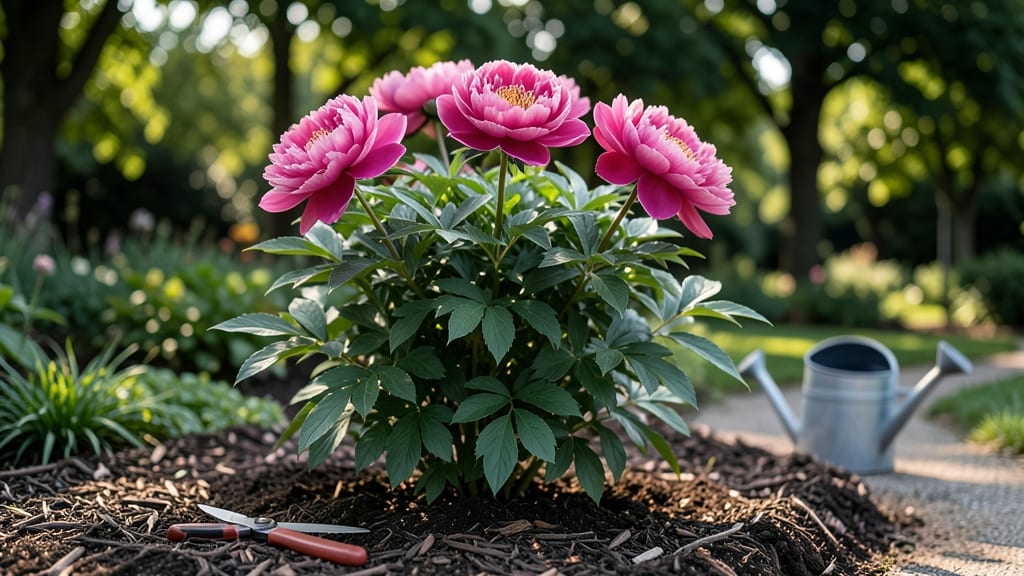
The prettiest garden flowers aren't just pretty—they're the kind that make neighbors pause mid-stride, cameras click, and Instagram stories get tagged with your name. 🌸 I've spent years chasing that dreamy, fragrant canopy effect in my own garden, and these standouts deliver every time: peonies with their lush, velvety petals, black dahlias that look like midnight velvet, and the delicate lace of hydrangeas that change color with the season.
What makes these flowers special isn't just their looks—it's how they work together. Plant peony bushes as the centerpiece, surround them with black dahlias for drama, and tuck in hydrangeas for that soft, billowy texture.
The scent alone—sweet, spicy, or citrusy—turns any garden into a sensory experience. And the best part? Many of these thrive with minimal fuss once established.
You'll end up with a garden that looks like a postcard come summer, where every walk through feels like stepping into a secret garden. The peonies bloom first in late spring, dahlias take over in summer, and hydrangeas stretch into fall, keeping color and fragrance going until frost.
Even the leaves add to the show—deep green, silvery, or burgundy—so there's always something stunning.
Works for borders, containers, or mixed beds—just give them sun and good soil, and they'll do the rest. Here's how to pair them for maximum impact without the overwhelm of a high-maintenance garden.
📚 In This Guide
- What you need
- Instructions
- Tips and common mistakes
- Wrapping up and next steps
What you need
- ● Flower seeds or bulbs: Choose from fragrant favorites like roses, lavender, peonies, gardenias, or lilacs (select 3-5 varieties for a balanced look). Buy organic, non-GMO seeds for best results.
- ● Potting soil: 5-10 bags (depending on garden size) of well-draining, nutrient-rich soil (look for a mix labeled for flowers or perennials).
- ● Compost or fertilizer: 1-2 bags of slow-release granular fertilizer (10-10-10 NPK ratio) or organic compost to boost growth.
- ● Mulch: 2-3 bags of organic mulch (e.g., shredded bark or straw) to retain moisture and suppress weeds.
- ● Garden trowel or shovel: For digging and planting (a stainless-steel or ergonomic model is ideal).
- ● Pruning shears: Sharp, bypass-style shears for trimming dead blooms and shaping plants.
- ● Garden gloves: A pair of durable, breathable gloves to protect your hands.
- ● Watering can or hose: A lightweight can (1-2 gallons) with a rose attachment or a soaker hose for gentle watering.
- ○ Spray bottle (optional): For misting seedlings or delicate flowers.
- ● Sunlight access: Most fragrant flowers need 6+ hours of sunlight daily (check your garden’s exposure).
- ● Water source: Ensure easy access to water (a garden hose with a timer is a game-changer!).
- ○ Support structures (optional): Trellises, stakes, or cages for climbing flowers like jasmine or clematis.
- ○ Decorative accents (optional): Garden stakes, pebbles, or solar-powered lights to elevate your garden’s charm.
How to create a fragrant, season-long flower display
Here's how to craft a sensory-rich garden that blooms from spring through fall.
🌱 Step 1: Choose a Thoughtful Flower Mix
Start with a blend of heights and bloom times—tall peony (3-4 feet) as your backdrop, dwarf iris (2 feet) for mid-height, and sweet alyssum (6 inches) as ground cover. I always include at least one fragrant variety like lavender or roses—their scent transforms a pretty garden into an experience.
Space plants according to their mature size: 18-24 inches apart for most perennials, but 12 inches for compact annuals like alyssum. This prevents overcrowding and ensures each plant gets sunlight and airflow. If your garden gets afternoon sun, place taller varieties on the north side to avoid shading smaller flowers.
☀️ Step 2: Plant for Sunlight and Seasonal Interest
Most fragrant flowers thrive in full sun (6+ hours daily)—position your display where it gets morning light and afternoon shade if your climate is hot. I dig holes twice as wide as the root ball to encourage roots to spread, then mix in a handful of compost to boost early growth.
Layer plants by bloom time: early spring with pulsatilla or bleeding heart, summer with roses and clematis, and late summer/fall with asters or sedum. This ensures your garden never looks bare. Water deeply after planting—1 gallon per plant—to settle the soil and encourage root establishment.
💧 Step 3: Water and Mulch for Long-Term Beauty
Water deeply once a week (or more in extreme heat) until plants establish roots—4-6 weeks for perennials. You’ll know they’re settled when leaves stay firm and vibrant, not wilting by midday. I use 2-3 inches of mulch (like shredded bark) to retain moisture and suppress weeds, but keep it 2 inches away from stems to prevent rot.
Fertilize lightly in spring with a balanced 10-10-10 formula—too much nitrogen makes plants leafy but flower-sparse. Deadhead spent blooms regularly (especially roses and clematis) to encourage more flowers. Here’s the thing—fragrant flowers often bloom best with less fertilizer, so follow the "light and often" rule.
✂️ Step 4: Prune and Maintain for Continuous Blooms
Prune late winter (for spring bloomers like peonies) or right after flowering (for repeat bloomers like roses). Cut back 1/3 of the oldest stems to stimulate new growth. I always sterilize shears with rubbing alcohol between cuts to prevent disease spread—this keeps your garden healthy for years.
Watch for pests like aphids or Japanese beetles—they can defoliate plants quickly. A strong spray of water usually removes aphids, while neem oil (applied at dusk) deters beetles. The key is consistent care: a fragrant garden rewards attention, not just initial planting.
Tips & tricks for perfect season-long flower displays
Creating a fragrant garden that thrives all season takes a few strategic moves beyond basic planting. These insights will help you maximize beauty and scent while avoiding common pitfalls.
Layering for Height and Scent: The key to a stunning display is creating visual and olfactory layers. In Step 1, when selecting your peonies and dwarf iris, consider adding clematis as a climbing element that will weave through taller plants. Place fragrant varieties like lavender or roses near seating areas where you can enjoy their scent up close. I've found that positioning highly fragrant plants at mid-height (around 2-3 feet) allows their scent to drift naturally to where people gather.
Soil Preparation Matters: Before planting, especially when following Step 2's instructions, take an extra 10 minutes to amend your soil with compost mixed into the bottom of each planting hole. This creates a nutrient-rich zone right where roots will establish. For heavy clay soils, add a handful of sand to improve drainage—this prevents root rot in moisture-loving perennials like peonies. I've seen gardens fail because of poor drainage, even with beautiful plant selections.
Seasonal Scent Rotation: To maintain fragrance throughout all seasons, plan your garden like a multi-course meal. In early spring, include pulsatilla or bleeding heart for their delicate scents. For summer, add roses and clematis—their heady fragrances peak during warm months. For fall, incorporate asters or sedum varieties that often have subtle but pleasant aromas. This layered approach ensures you always have something fragrant in bloom.
Pest Prevention Strategy: When dealing with pests as mentioned in Step 4, I've found that introducing beneficial insects like ladybugs (available at garden centers) can reduce aphid populations naturally. For Japanese beetles, apply neem oil in the evening when bees are less active—this targets the pests without harming pollinators. Always clean up fallen leaves and petals promptly, as these can harbor pest eggs over winter.
Pro Tips for Prettiest Garden Flowers
- Creating a fragrant garden that thrives all season takes a few strategic moves beyond basic planting. These insights ...
- Layering for Height and Scent: The key to a stunning display is creating visual and olfactory layers. In Step 1, when...
- Soil Preparation Matters: Before planting, especially when following Step 2's instructions, take an extra 10 minutes ...
Frequently asked questions
Got questions about creating your dream garden with the prettiest garden flowers? You’re not alone! Here are some of the most common queries—plus quick, practical answers to help you bloom with confidence.
What are the easiest fragrant flowers to grow for beginners?
Start with sweet alyssum, lavender, or marigolds—they’re low-maintenance, drought-tolerant, and pack a punch with scent. Dianthus and stock are also forgiving and thrive in partial sun. Pro tip: Plant them in well-draining soil and water consistently (but not soggy!) for best results.
When is the best time to plant fragrant flowers for year-round blooms?
For spring bloomers (like peony or lilac), plant in early fall or late winter (before last frost). Summer favorites (e.g., roses, jasmine) go in spring after soil warms. Check your USDA zone—cooler climates may need perennial picks like clematis for winter interest.
How do I keep my fragrant flowers smelling fresh all season?
Deadhead spent blooms regularly to encourage reblooming, and trim foliage to improve airflow (prevents mold). Water at the base in the morning to reduce fungal risks. For extra fragrance, plant companion flowers like rosemary or thyme nearby—they repel pests and boost scent!
Are there affordable alternatives to expensive hybrid flowers?
Native wildflowers (e.g., bee balm, black-eyed Susan) are budget-friendly, low-maintenance, and support pollinators. Check local nursery sales or seed swaps for discounted perennials. Even pansies or snapdragons (annuals) offer big fragrance for minimal cost.
Why aren’t my fragrant flowers smelling as strong as they should?
Over-fertilizing (especially with high-nitrogen feeds) can dilute scent. Try a balanced, organic fertilizer (like fish emulsion) and avoid pruning heavily—it removes scent-producing oils. If pests like aphids are present, they can also weaken fragrance. Spray with neem oil or introduce ladybugs for natural control.
Wrapping up and next steps
Transforming your garden into a fragrant, breathtaking oasis is simpler than you think! From the delicate petals of Lavender to the bold charm of Peonies, these stunning blooms don’t just brighten your space—they invite joy, tranquility, and a touch of nature’s magic into your daily life. 🌸
Now that you’re inspired, why not take the next step? Start small—plant a single pot of Sweet Alyssum or a row of Roses—and watch your garden bloom into a sensory masterpiece. Happy gardening! 🌿