
Flowers
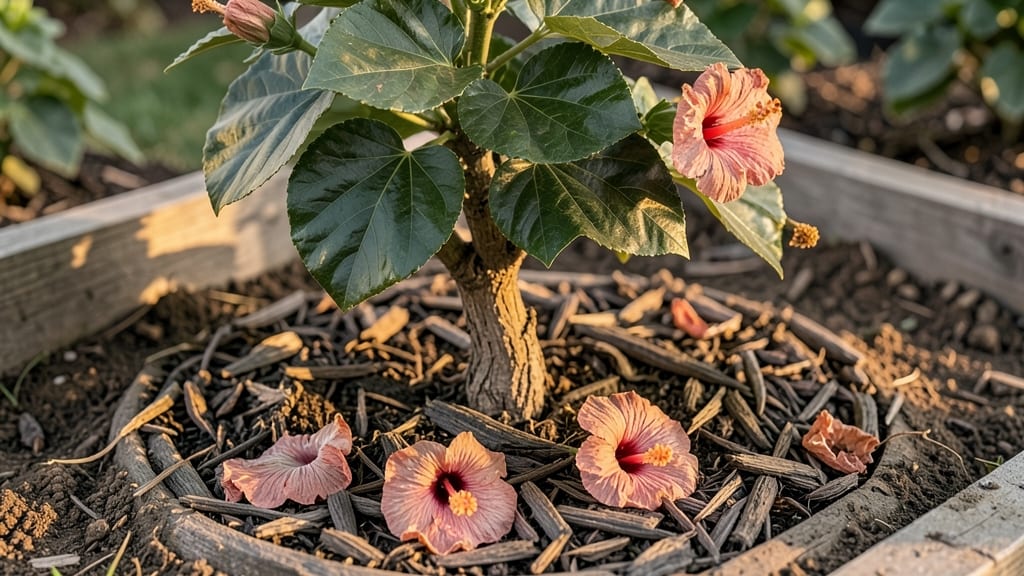
Growing sorrel hibiscus flowers means waking up to bold red blooms that look like they’re straight out of a summer painting. 🌸 I’ve learned the hard way that these showstoppers need specific care—too much shade, and they’ll sulk; too little water, and those glossy leaves crisp up faster than a forgotten cup of tea.
The secret to year-round blooms lies in pruning at the right time and keeping the soil just damp enough to mimic their swampy roots.
You’ll need a sunny spot with at least 6 hours of direct light daily, rich soil mixed with compost, and a watering can ready for frequent drinks—think of it like tending to a thirsty friend who never complains.
These plants thrive in zones 5 through 9, so if you’re in a cooler climate, treat them like perennials that need winter protection. The payoff? Blooms from early summer straight through fall, with a little coaxing in spring.
Pruning isn’t just about shaping—it’s about encouraging more flowers. Cut back leggy growth in early spring, then deadhead faded blooms all season to keep the energy flowing upward.
I’ve seen sorrel hibiscus go from a few scattered blooms to a wall of color in just one season after mastering this step. The key is patience; these plants reward consistency more than they do quick fixes.
Troubleshooting is simple once you know the signs: yellow leaves mean too much water, brown edges mean not enough, and no blooms? Time to check your pruning schedule.
With the right balance, your sorrel hibiscus will be the star of your garden, drawing in hummingbirds and turning heads at every sunset. Let’s get those roots settled!
📚 In This Guide
- What you need
- Instructions
- Tips and common mistakes
- Wrapping up and next steps
What you need
- ● Seeds or seedlings: High-quality sorrel hibiscus seeds (20–50, depending on desired plant quantity) or 3–5 healthy seedlings for transplanting.
- ● Well-draining potting mix: 10–15 lbs of organic, nutrient-rich soil (mix garden soil with compost for optimal results).
- ● Containers or garden bed: For containers: 5–7 gallon pots (1 per plant) with drainage holes.
- ● For in-ground planting: A sunny spot with at least 6 hours of sunlight daily and loose, fertile soil.
- ● Fertilizer: Balanced organic fertilizer (10-10-10 or 5-5-5) or compost tea for nutrient boosts.
- ● Watering can or hose: With a gentle spray nozzle for hydration without damaging stems.
- ● Pruning shears: Sharp, sterilized shears for trimming dead blooms or shaping plants.
- ● Gloves: Heavy-duty gardening gloves to protect hands from thorns.
- ● Mulch: Straw or wood chips (2–3 inches) to retain moisture and suppress weeds.
- ○ pH testing kit (optional): To ensure soil pH is between 6.0–6.5 (sorrel hibiscus thrives in slightly acidic soil).
- ○ Support stakes (optional): 3–4 ft bamboo stakes or trellises for taller varieties.
- ● Climate: Warm, tropical, or subtropical zones (USDA Hardiness Zones 9–11). In cooler climates, grow in containers and bring indoors during winter.
- ● Patience: Sorrel hibiscus grows best with consistent care—expect blooms 6–12 months after planting!
- ● Sunlight: Full sun exposure is non-negotiable for vibrant flowers and lush foliage.
Step-by-Step guide for cultivating vibrant sorrel hibiscus blooms
Here's how to coax continuous, lush blooms from sorrel hibiscus—no matter the season.
🌱 Step 1: Choose the Perfect Planting Location
Sorrel hibiscus thrives in full sun to partial shade, with at least 6 hours of direct sunlight daily. I always plant mine where they get morning sun and afternoon shade in hot climates—this prevents leaf scorch while ensuring enough light for blooms. If your yard has limited sun, a south-facing window or grow lights will work, but expect fewer flowers.
Dig a hole twice as wide as the root ball but only as deep. The top of the root ball should sit 1 inch above ground level—this prevents waterlogging. Loosen the roots gently if they're circling, which helps them establish faster. Here's the thing—sorrel hibiscus hates soggy feet, so if your soil drains poorly, mix in 2-3 inches of compost to improve aeration.
☀️ Step 2: Water Deeply and Establish a Routine
Water deeply once a week during the first month to encourage strong root growth. Stick your finger 2 inches into the soil—if it feels dry, water again. Overwatering is the biggest mistake beginners make; sorrel hibiscus can handle drought better than too much moisture. Once established, they only need water when the top 1-2 inches of soil feel dry, usually every 5-7 days in summer.
I like to water in the early morning so leaves dry quickly, reducing fungal risks. Mulch with 2-3 inches of organic mulch (like shredded bark) around the base to retain moisture and keep roots cool. Watch for wilting leaves—this is your signal to water, but don’t drown the plant. Sorrel hibiscus is tough, but it won’t forgive neglect.
✂️ Step 3: Prune for Year-Round Blooms
Pruning is the secret to nonstop blooms. Cut back one-third of the plant’s height in early spring to encourage bushier growth. Use clean, sharp pruners and make cuts just above a leaf node—this is where new growth will sprout. I always prune after the last frost, but if you live in a warm climate, you can prune lightly in fall to tidy up the plant.
Deadhead spent blooms weekly by snipping the flower stem just above the next set of leaves. This redirects the plant’s energy into producing new flowers instead of seeds. Here’s the thing—sorrel hibiscus blooms on old wood, so avoid heavy pruning in late summer or fall. You’ll see a surge of fresh blooms within 2-3 weeks of regular deadheading.
🌿 Step 4: Feed and Protect for Longevity
Fertilize every 4-6 weeks during the growing season with a balanced, water-soluble fertilizer (10-10-10). I mix it at half-strength to avoid burning the roots. Sorrel hibiscus is a heavy feeder, but too much fertilizer leads to lush leaves and fewer flowers. Stop fertilizing in late summer to encourage blooming instead of foliage growth.
Watch for pests like aphids or spider mites—these love sorrel hibiscus. Spray the undersides of leaves with neem oil if you spot tiny webs or sticky residue. A strong blast of water from the hose can also knock off pests. In colder climates, bring potted sorrel hibiscus indoors before temperatures drop below 40°F—they’re tropical at heart and won’t survive frost.
Tips & tricks for perfect sorrel hibiscus blooms
These simple strategies will help you keep your sorrel hibiscus flowering beautifully all year long.
Lighting Strategy: The 6 hours of direct sunlight mentioned in Step 1 is non-negotiable for vibrant blooms, but here's the thing—morning sun is more important than afternoon. If you're growing indoors, position your plant within 3 feet of a south-facing window for maximum light exposure. I've seen plants near west-facing windows struggle with leaf burn in summer afternoons, even with the recommended shade.
Pruning Precision: When you're cutting back one-third of the plant's height in early spring, aim for just above a leaf node where new growth is visible. This is where the magic happens—new shoots will emerge from these nodes, creating a bushier plant with more blooming sites. I always use clean, sharp pruners and make cuts at a 45-degree angle to prevent water from pooling on the cut surface.
Fertilizer Timing: The 4-6 week fertilization schedule works perfectly, but here's what nobody tells you—stop fertilizing completely after the first frost in fall. The plant needs this break to rest and prepare for next season's blooms. I've seen plants that continued getting fertilizer through winter produce fewer flowers the following spring because they didn't get that crucial rest period.
Winter Care: For those colder climates where temperatures drop below 40°F, here's my foolproof method: Move potted plants indoors to a bright location (like near an east-facing window) and reduce watering to every 10-14 days. Keep them away from heating vents—dry air will cause leaf drop. You'll notice new growth starting in late winter, signaling it's time to resume normal care routines.
Pro Tips for Sorrel Hibiscus Flower
- These simple strategies will help you keep your sorrel hibiscus flowering beautifully all year long.
- Lighting Strategy: The 6 hours of direct sunlight mentioned in Step 1 is non-negotiable for vibrant blooms, but here'...
- Pruning Precision: When you're cutting back one-third of the plant's height in early spring, aim for just above a lea...
Frequently asked questions
Got questions about growing sorrel hibiscus flowers? You’re not alone! Here are answers to the most common queries to help you cultivate stunning, year-round blooms with ease.
How long does it take for sorrel hibiscus to bloom after planting?
The first flowers typically appear 4–6 months after planting from seeds, while established plants (or cuttings) may bloom in as little as 2–3 months. Patience pays off—consistent sunlight (6+ hours/day) and well-draining soil speed up the process.
Can sorrel hibiscus flower year-round, or do I need to adjust care?
Yes! With pruning precision and seasonal tweaks, sorrel hibiscus can bloom year-round in warm climates (Zones 9–11). In cooler areas, move potted plants indoors near bright windows or use grow lights during winter. Prune dead or overgrown branches in early spring to encourage new growth. →
What’s the best alternative if my sorrel hibiscus isn’t flowering?
If your plant is lush but flower-less, it might need more sunlight (direct sun for 6+ hours) or a balanced fertilizer (high in phosphorus). Try these fixes:
- Boost light: Move to a sunnier spot or supplement with grow lights.
- Adjust temps: Keep soil temps above 60°F (15°C)—cold roots stall blooms.
- Prune strategically: Trim back 1/3 of the plant in late winter to stimulate new flowers.
Are sorrel hibiscus flowers toxic to pets or humans?
Great news! Sorrel hibiscus (Hibiscus sabdariffa) is non-toxic to humans and pets, making it a safe choice for gardens and kitchens. However, always monitor pets for unusual reactions—some may avoid the tart leaves. The flowers are edible and often used in teas or soups!
How do I propagate sorrel hibiscus from cuttings?
Propagating is easy! Take 4–6 inch cuttings from healthy stems, remove lower leaves, and dip in rooting hormone. Plant in moist perlite or sand, cover with a plastic bag to retain humidity, and place in bright, indirect light. Roots form in 2–4 weeks. Keep soil damp but not soggy!
Wrapping up and next steps
Growing sorrel hibiscus flowers is a rewarding journey that brings vibrant blooms to your garden year-round with the right care—especially pruning precision! 🌸 From selecting the perfect spot to mastering seasonal trims, you now have all the tools to cultivate this stunning tropical beauty.
Whether you're a seasoned gardener or just starting, your efforts will pay off in a burst of color and resilience.
Ready to transform your outdoor space? Start small—pick a sunny patch, gather your supplies, and give your sorrel hibiscus the love it deserves. Before you know it, you’ll be the neighbor with the most show-stopping blooms! 🌿