
Container Gardens
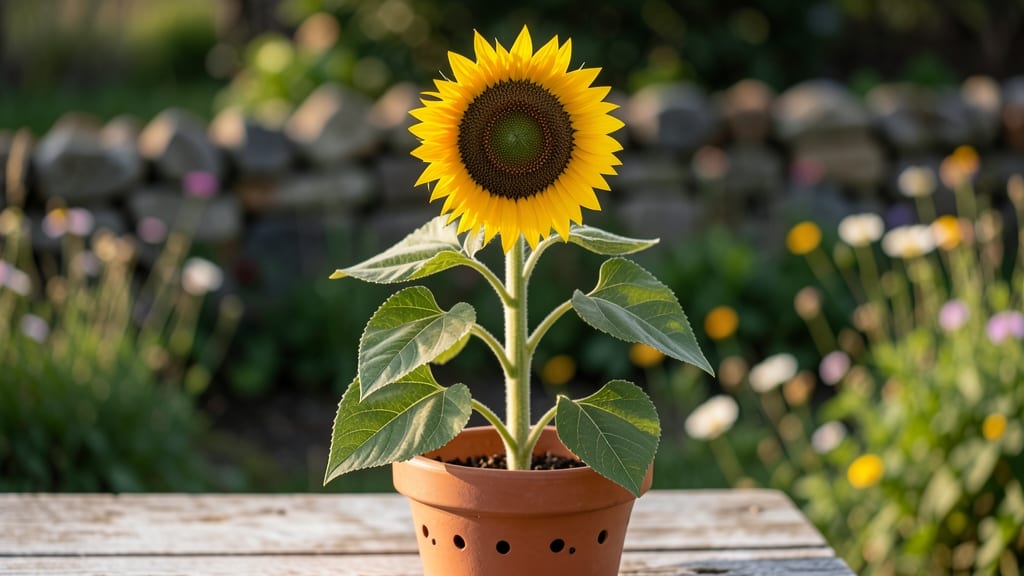
Transform your balcony into a vibrant display with a sunflower pot plant—it’s easier than you think, and dwarf varieties let you enjoy towering blooms without sacrificing space! 🌻 right container, soil, and a little patience.
The first time I saw those bright faces peeking over my railing, I knew I’d never go back to planting in the ground again.
You’ll need containers at least 12 inches deep and 12 inches wide—bigger pots mean taller stems and more stability. A well-draining potting mix with compost keeps roots happy, and a sunny spot (at least 6 hours of direct light daily) is non-negotiable.
Most people overwater, so let the top inch of soil dry out between waterings, and watch those stems grow strong instead of floppy.
By mid-summer, you’ll have sunflowers that bloom earlier and last longer than their in-ground cousins, thanks to the controlled environment. The petals stay vibrant, the centers stay plump, and you’ll even attract pollinators like bees and butterflies right to your doorstep.
Plus, the stems are sturdy enough for cutting—perfect for bouquets or drying.
This works year-round in warm climates or as a spring/summer project in cooler zones. If you’re in a short season, start seeds indoors 4-6 weeks before the last frost and transplant carefully.
The key is choosing the right variety—dwarf types like ‘Teddy Bear’ or ‘Moulin Rouge’ thrive in pots while still packing a punch of color and height.
📚 In This Guide
- What you need
- Instructions
- Tips and common mistakes
- Wrapping up and next steps
What you need
- ● Sunflower seeds: Choose dwarf or medium varieties (e.g., Moulin Rouge or Russian Giant) for pots. Buy 3–5 seeds per pot (they germinate fast!).
- ● Container: Minimum 12–18 inches deep and 12–18 inches wide (bigger pots = taller sunflowers!).
- ● Drainage holes are a must—no exceptions!
- ● Material: Terracotta, fabric, or plastic (terracotta wicks away moisture but dries faster).
- ● Potting mix: 1 gallon of high-quality, well-draining mix (e.g., 50% potting soil + 50% perlite/compost). Avoid garden soil—it compacts and suffocates roots!
- ● Fertilizer: Balanced liquid fertilizer (10-10-10 or 20-20-20) for planting.
- ○ Slow-release granules (optional but helpful for 3–4 months of nutrients).
- ● Watering can or spray bottle: A gentle spray keeps seeds from washing away.
- ● Trowel or spoon for planting seeds (or just use your fingers!).
- ● Stakes or trellis (if your variety grows tall—6–8 feet for giants!).
- ● Mulch (straw or shredded leaves) to retain moisture and suppress weeds.
- ○ pH testing kit (optional but handy—sunflowers love 6.0–7.5 pH).
- ● Gloves (to keep hands clean while handling soil or thorns).
- ● Sunlight: 6–8+ hours of direct sun daily (a south- or west-facing spot is ideal).
- ● Warmth: Soil should be at least 50°F (10°C) for germination (wait until after the last frost!).
- ● Patience: Germination takes 7–14 days—stay consistent with water!
Step-by-Step instructions for growing towering sunflowers in containers
Here's how to coax those sky-reaching stems from small pots—no yard needed.
🪴 Step 1: Choose the Right Containers and Soil Mix
Start with containers that are at least 12 inches deep and 12 inches wide to accommodate sunflower roots. I recommend using a lightweight, well-draining potting mix blended with 20% perlite or vermiculite—this prevents the roots from suffocating in heavy soil. Fill each container to within 2 inches of the rim to allow space for watering and root growth.
Sunflowers are heavy feeders, so mix in a slow-release granular fertilizer at planting time. Tap the container gently after filling to settle the soil without compacting it. The surface should feel firm enough to hold a seedling upright but still allow water to penetrate evenly.
🌱 Step 2: Plant Seeds at the Correct Depth and Spacing
Plant 2-3 seeds per container at a depth of about 1 inch. Sowing multiple seeds increases your chances of germination success, and you can thin to the strongest seedling later. Use your finger to create a small hole, drop the seeds in, and cover them lightly with soil—press gently to ensure good seed-to-soil contact.
Place the containers in a warm, sunny spot where temperatures stay above 60°F. Keep the soil consistently moist but not soggy until germination, which typically occurs in 7-14 days. Once the seedlings emerge, thin to the strongest one by snipping the others at the base with scissors. This prevents competition for nutrients and ensures a single, robust plant.
☀️ Step 3: Provide Full Sun and Support for Tall Growth
Sunflowers need 6-8 hours of direct sunlight daily to reach their full height. Place your containers in the sunniest spot available, like a south-facing window or balcony. If you're growing indoors, supplement with a grow light positioned 12 inches above the plant for 14-16 hours per day.
As the stem grows, it will need support to prevent toppling. Install a 5-foot tall stake or tomato cage in each container at planting time. Gently tie the main stem to the stake with soft plant ties or strips of fabric every 2-3 feet as it grows. This keeps the plant upright and encourages it to grow taller rather than bending under its own weight.
💧 Step 4: Water and Fertilize for Maximum Height
Water deeply when the top 2 inches of soil feel dry, which is usually every 2-3 days in hot weather. Sunflowers are drought-tolerant once established, but consistent moisture is key during the early growth stages. Avoid wetting the leaves to prevent fungal diseases like powdery mildew, which can stunt growth.
Fertilize every 4-6 weeks with a balanced, water-soluble fertilizer to promote steady growth. Look for signs of nutrient deficiency, like yellowing leaves or stunted stems, and adjust your feeding schedule as needed. Over-fertilizing can lead to excessive foliage at the expense of flower production, so follow the package instructions closely.
✂️ Step 5: Prune and Maintain for Long-Stemmed Blooms
To encourage a single, tall stem with a large bloom, remove any side shoots that form at the base of the plant. These lateral branches divert energy away from the main stem. Use clean, sharp pruning shears to snip them off just above a leaf node. This redirecting of energy helps the plant focus on growing a single, impressive flower stalk.
Watch for dead or yellowing leaves and remove them promptly to keep the plant healthy. Deadheading spent blooms isn’t necessary for sunflowers, but if you want to encourage a second round of flowers, you can cut back the stem by half its height after the first bloom fades. This rejuvenates the plant and may produce smaller but still beautiful secondary flowers.
Tips & tricks for growing towering sunflowers in pots
Here's what I learned after growing sunflowers in containers for years—these tricks make all the difference for those sky-high stems.
Container Depth Matters: The 12-inch depth requirement isn't just a suggestion—it's essential for accommodating sunflower taproots. I've tried shallower pots, and while the plants survive, they never reach their full height potential. For extra insurance, add a 2-inch layer of gravel at the bottom of your container to improve drainage and prevent root suffocation. This also helps maintain consistent moisture levels during those critical early growth stages.
Germination Secret: Those 7-14 days for germination can feel like forever, but there's a trick to speed things up. After planting your 2-3 seeds at 1-inch depth, place the containers in a warm spot (above 60°F) and cover them loosely with plastic wrap. This creates a mini greenhouse effect that can reduce germination time by 3-5 days. Just remember to remove the plastic once you see sprouts emerging to prevent mold growth.
Sunlight Strategy: The 6-8 hours of direct sunlight requirement is non-negotiable for height, but here's how to maximize it: Rotate your containers every few days so all sides get equal exposure. For indoor growers using grow lights, position them 12 inches above the plants and use a timer for consistent 14-16 hours of light. I've found that supplementing with artificial light during winter months prevents stunted growth—my sunflowers reach nearly the same height indoors as they do outdoors.
Support System: Installing that 5-foot stake or tomato cage at planting time (as mentioned in Step 3) is crucial, but here's the pro move: Add a second stake when the plant reaches about 3 feet tall. This prevents the plant from leaning against one side as it grows heavier. When tying the stems, use soft fabric strips rather than wire—they're gentler on the plant and won't leave permanent marks as the stem thickens.
Pro Tips for Sunflower Pot Plant
- Here's what I learned after growing sunflowers in containers for years—these tricks make all the difference for those sky-high stems.
- Container Depth Matters: The 12-inch depth requirement isn't just a suggestion—it's essential for accommodating sunflower taproots.
- Germination Secret: Those 7-14 days for germination can feel like forever, but there's a trick to speed things up.
Frequently asked questions
Got questions about growing sunflowers in pots? You’re not alone! Here are answers to the most common queries to help you cultivate towering blooms—even in small spaces.
Can sunflowers grow in pots year-round?
Sunflowers thrive best when grown outdoors during their natural growing season (spring to summer). However, you can extend their life in pots by moving them indoors near a sunny window or under grow lights once temperatures drop below 50°F (10°C). Just expect slower growth and smaller blooms compared to outdoor conditions.
What’s the best pot size for sunflowers?
For dwarf varieties (3–5 ft tall), a 5–10 gallon pot with at least 12 inches of depth works well. Tall varieties (6–10 ft) need 15+ gallons and sturdy pots to support their weight. Always include drainage holes to prevent root rot—sunflowers hate soggy feet!
How often should I water potted sunflowers?
Water deeply when the top 1–2 inches of soil feel dry, usually every 2–3 days in hot weather. Pots dry out faster than garden beds, so check moisture daily. Overwatering is a common mistake—sunflowers prefer slightly dry soil over soggy conditions. Mulch the soil surface to retain moisture and regulate temperature.
Why aren’t my sunflower leaves turning yellow?
Yellowing leaves often signal overwatering, nutrient deficiency, or poor drainage. First, check if your pot has drainage holes. If not, repot immediately. Next, ensure you’re using a balanced fertilizer (like 10-10-10) every 2–3 weeks. If the yellowing is on older leaves, it’s likely nitrogen deficiency—feed with a high-nitrogen supplement.
Can I grow sunflowers from store-bought seeds?
Yes! Store-bought sunflower seeds are viable, but opt for heirloom or non-hybrid varieties for better germination rates. Soak seeds overnight in warm water to speed up sprouting. For faster results, choose pre-started seedlings from nurseries, especially if you’re in a short growing season.
Do sunflowers need full sun in pots?
Sunflowers are sun-worshippers and need 6–8 hours of direct sunlight daily. In pots, they’re even more dependent on light since their roots can’t spread as widely. If your space is shady, supplement with a grow light (12–14 hours/day) to keep them happy. South-facing windows or balconies are ideal.
Still stumped? Drop your question in the comments—we’re happy to help you grow sunflowers that reach for the sky!
Wrapping up and next steps
Growing a sunflower pot plant is a rewarding way to bring joy and height to small spaces—no matter the season!
With the right container, soil, and care, you’ll enjoy vibrant blooms and towering stems that brighten any corner. 🌻 Start small, experiment with varieties, and don’t forget to share your progress with fellow plant lovers.
Ready to turn your balcony or patio into a sunflower sanctuary? Pick your favorite variety, grab your supplies, and get planting today! Your future self (and your happy sunflowers) will thank you.