
Flowers
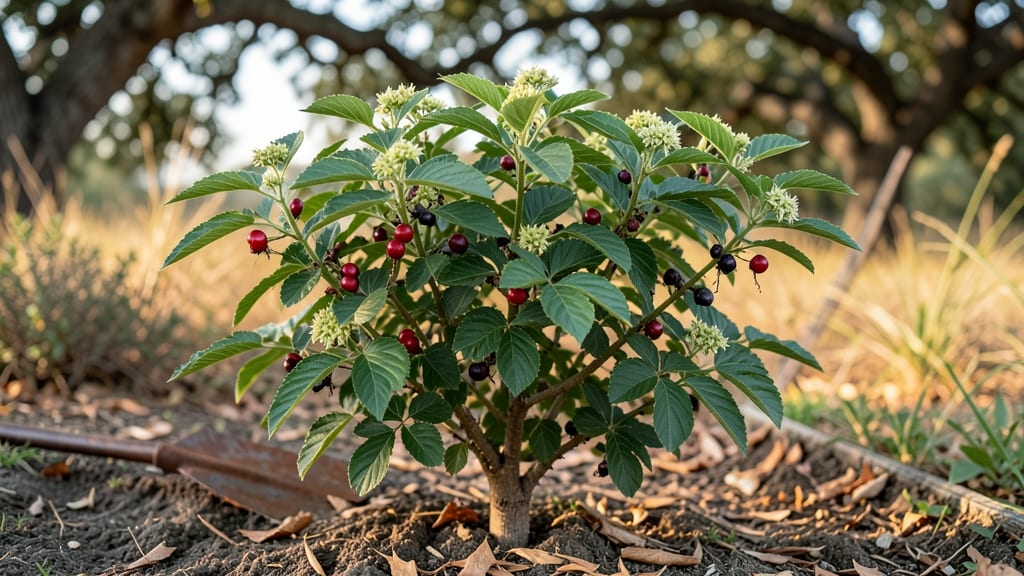
Growing Szechuan pepper flowers means adding a fragrant, spicy-scented plant that doubles as a kitchen staple and a showstopper in your garden. 🌿 The tiny white blooms give way to those signature peppercorns—packed with numbing heat—that transform stir-fries and cocktails.
My first plant took off in a sunny corner of my backyard, and now I’ve got three thriving bushes.
These plants are low-maintenance but thrive with full sun and well-draining soil. They tolerate drought once established, making them perfect for xeric gardens or as a hedge with their glossy, compound leaves.
The key? Pruning lightly after flowering to keep them bushy and encourage more blooms—my plants now produce year-round with minimal effort.
You’ll love how they fill the air with a citrusy, peppery aroma when brushed against, and the berries add drama to winter arrangements. Plus, they’re deer-resistant, so they’ll survive where other plants fail. Whether you’re growing them for flavor or foliage, they’re a versatile addition to any landscape.
Best of all, they propagate easily from cuttings or seeds, so you can share plants with fellow gardeners. Start with one, and you’ll likely end up with more than you know what to do with—just like me. Ready to grow your own spicy-scented canopy?
📚 In This Guide
- What you need
- Instructions
- Tips and common mistakes
- Wrapping up and next steps
What you need
- ● Szechuan pepper seeds or young plants: 1–3 (ensure they’re disease-free for best results).
- ● Well-draining potting mix: 5+ gallons (blend of 60% garden soil, 30% perlite, and 10% compost).
- ● Containers or garden bed: Containers: 1–2 large pots (12+ inches deep) with drainage holes.
- ● Garden bed: Full sun exposure (6+ hours/day) with loose, slightly acidic soil (pH 6.0–7.0).
- ● Organic fertilizer: Balanced (10-10-10) or citrus-specific blend (1 lb per plant).
- ● Watering can or hose with gentle spray: For deep but controlled hydration.
- ● Pruning shears: Sharp, sterilized pair for trimming.
- ● Mulch: Wood chips or straw (2–3 inches) to retain moisture.
- ● Grow lights: LED full-spectrum (for indoor setups).
- ● Pest control: Neem oil or insecticidal soap (preventative measure).
- ● Support stakes: 3–4 ft bamboo stakes for taller varieties.
Step-by-step guide to cultivating Szechuan pepper flower
Here's how to grow this fragrant, spicy shrub—once established, it thrives with minimal fuss.
🌱 Step 1: Select the Right Location and Prepare Soil
Szechuan pepper (Zanthoxylum schinifolium) demands full sun—at least 6-8 hours daily—to develop its signature spicy aroma and vibrant foliage. I always plant mine in a spot with morning sun and afternoon shade during peak summer to prevent leaf scorch. The soil should drain well but retain moisture; amend heavy clay with 2-3 inches of compost to improve aeration.
Dig a hole twice as wide as the root ball but only as deep. Loosening the surrounding soil helps roots spread quickly. If your soil tests acidic (below 6.0 pH), add dolomitic lime to raise it to 6.5-7.0—this shrub hates acidity. I test my soil every spring because Szechuan pepper is sensitive to pH shifts.
🌿 Step 2: Plant and Water for Initial Establishment
Place the plant so the top of the root ball sits 1 inch below soil level—this prevents stem rot while encouraging strong root growth. Backfill with native soil mixed with 1 part compost, firming gently to eliminate air pockets. Water deeply right after planting to settle the soil and remove any gaps.
Keep the soil evenly moist but not soggy for the first 4-6 weeks. You'll know it's right when the top 2 inches of soil feel damp to touch but not dripping. Overwatering now causes root rot, which this shrub fights poorly. Mulch with 2-3 inches of wood chips to retain moisture and suppress weeds—just keep the mulch 3 inches away from the stem to prevent rot.
☀️ Step 3: Prune for Shape and Encourage Flowering
Prune in late winter or early spring before new growth begins. Remove any dead, diseased, or crossing branches first—these compete for nutrients and weaken the plant. I always use clean, sharp pruners to make cuts at a 45-degree angle just above a leaf node. This encourages bushier growth and more flowering sites.
To shape the shrub, cut back one-third of the oldest stems to the ground. This rejuvenates the plant and stimulates new growth from the base. Watch for small yellow-green flowers in late spring—they’re subtle but signal healthy growth. If you notice sparse flowering, increase sunlight exposure or fertilize lightly with a balanced 10-10-10 formula in early spring.
✂️ Step 4: Harvest and Maintain for Year-Round Production
Harvest the red berries (the spicy "peppercorns") when they turn bright red and firm, usually in fall. Twist them gently off the stems—don’t pull, or you’ll damage the plant. Dried berries develop maximum heat and aroma, so spread them in a single layer on a tray and dry in a warm, dark place for 2-3 weeks. Store in an airtight container away from light.
After harvesting, trim back any leggy growth to maintain a compact shape. This shrub tolerates hard pruning, so don’t hesitate to cut back overgrown branches by half their length. In late fall, apply a 2-inch layer of mulch to insulate roots—it handles USDA Zone 6-9 winters well but benefits from extra protection in colder areas.
🪴 Step 5: Propagate and Expand Your Shrub
Take 4-6 inch softwood cuttings in early summer when new growth is firm but still pliable. Dip the cut end in rooting hormone and plant in a pot filled with equal parts perlite and peat moss. Keep the soil consistently moist and place the pot in a shady, humid spot until roots form—usually in 6-8 weeks.
Transplant rooted cuttings into the ground in spring, spacing them 6-8 feet apart to allow for mature size. Here’s the thing—this shrub grows slowly at first but becomes drought-tolerant once established. Water newly planted cuttings deeply once a week for the first year, then taper off as roots spread. You’ll know they’re thriving when new leaves emerge bright green and glossy in spring.
Tips & tricks for perfect Szechuan pepper flower cultivation
Between us, these simple adjustments will help you avoid the most common pitfalls with Szechuan pepper flowers—and maximize that signature spicy-scented harvest.
Sunlight Strategy: While the instructions call for 6-8 hours of sun daily, I've found that morning sun paired with afternoon shade during peak summer (June-August) prevents leaf scorch while still delivering that signature aroma. If you notice yellowing leaves in summer, move your plant to a spot with dappled shade for a few hours each afternoon. The key is maintaining that vibrant green color—it's your plant's way of telling you it's thriving.
Soil Testing Tip: Don't guess about your soil's pH—use a simple test kit to check before planting. Szechuan pepper flowers absolutely hate acidity, and dolomitic lime is your best friend if your soil tests below 6.5. I test my soil every spring because pH levels can shift unexpectedly, especially after heavy rains or winter. The goal is that 6.5-7.0 range where this plant truly flourishes.
Pruning Precision: When you're cutting back those one-third of oldest stems in late winter, make your cuts at a precise 45-degree angle just above a leaf node. This isn't just about aesthetics—it's how you encourage new growth from the base. I always clean my pruners with rubbing alcohol between cuts to prevent disease spread. And here's what nobody tells you: those small yellow-green flowers in late spring? They're your plant's way of saying "I'm happy and ready to produce!"
Harvesting Hack: For maximum spice development, harvest those red berries when they're bright red but still firm—usually in fall. The drying process is crucial: spread them in a single layer on a tray in a warm, dark place for exactly 2-3 weeks. I use a small fan on low setting to circulate air slightly, which helps prevent mold without drying too quickly. Store them in an airtight container away from light to preserve that signature numbing heat for months.
Pro Tips for Szechuan Pepper Flower
- Between us, these simple adjustments will help you avoid the most common pitfalls with Szechuan pepper flowers—and maximize that signature spicy-scented harvest.
- If you notice yellowing leaves in summer, move your plant to a spot with dappled shade for a few hours each afternoon.
- Soil Testing Tip: Don't guess about your soil's pH—use a simple test kit to check before planting.
Frequently asked questions
Got questions about growing Szechuan pepper flowers? You’re not alone! Here are some of the most common queries—and their answers—to help you cultivate this fragrant, spicy beauty with confidence.
Can I grow Szechuan pepper flowers indoors?
Yes, but with care! These plants thrive in bright, indirect light and need a sunny windowsill or grow lights (6+ hours/day). Use a well-draining pot and keep soil moist but not soggy. A south-facing window is ideal. Just expect slower growth than outdoors—patience is key!
How long does it take for Szechuan pepper flowers to produce fruit?
With proper care, you’ll see Zanthoxylum flowers in 2–3 years from seed, but faster if you start with a nursery-grown plant (fruit in 1–2 years). Flowers appear in spring/summer, followed by red berries (the spicy "peppercorns") by fall. Cold-hardy varieties may take slightly longer in cooler climates.
Why aren’t my Szechuan pepper flowers blooming?
Common culprits: insufficient sunlight (<6 hours/day), overwatering (root rot), or nutrient deficiencies (try a balanced fertilizer in spring). Prune leggy growth to encourage bushiness, and ensure temps stay above 50°F (10°C). If planted too young, wait—these divas need time to mature!
Are there non-spicy alternatives to Szechuan pepper flowers?
If you love the look but not the kick, try Citrus aurantium (orange blossom) or Lagerstroemia (crape myrtle)—both have fragrant flowers and similar care needs. For a milder zing, opt for Zanthoxylum armatum (less potent cousin). Just know: no substitute matches the unique málà (numbing-spicy) aroma!
Do Szechuan pepper flowers attract pollinators?
Their tiny, fragrant blooms lure bees and butterflies, boosting nearby gardens. For better fruit set, hand-pollinate with a soft brush if pollinators are scarce. Bonus: The flowers’ scent repels some pests, like aphids. Just avoid spraying pesticides during bloom time—let nature do the work!
How do I overwinter Szechuan pepper flowers?
In zones 7–9, mulch heavily and prune back ⅓ of the plant. For colder climates (below 10°F/-12°C), pot up before frost and move indoors near a sunny window. Reduce watering slightly, but keep soil moist. Resume outdoor planting in spring after last frost.
Wrapping up and next steps
Growing Szechuan pepper flowers is a rewarding journey—whether you’re chasing their fragrant blooms, spicy seeds, or the thrill of year-round harvests.
With the right care, these hardy plants can transform your garden into a fragrant, flavorful paradise. Start small, stay patient, and soon you’ll be sharing your homegrown bounty with friends or your kitchen!
Ready to take the next step? Experiment with propagation—try growing from seeds or cuttings to expand your collection. Or, if you’re feeling bold, share your progress with gardening communities for tips and inspiration! 🌱✨