
Flowers
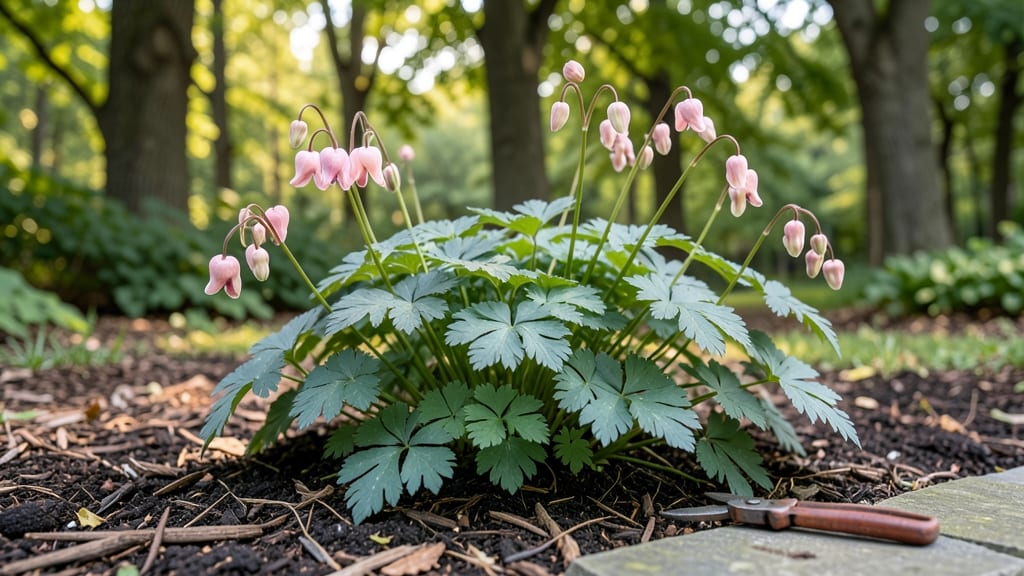
The bleeding heart flower transforms shady corners into dreamy, heart-shaped cascades that last from spring until summer’s end. I’ve grown mine for years, and the secret to their effortless beauty lies in understanding their cool-season nature—plant them too late, and you’ll miss the show.
The first year, I nearly gave up after my plants flopped in hot July soil, but now I know exactly when and where to tuck them for maximum drama.
They thrive in partial shade, where other plants struggle, and love rich, moist soil that stays cool at the roots.
Forget the fuss over pruning—these plants reward patience with three seasons of interest: delicate pink or white blooms in spring, lush foliage through summer, and even dormant stems that add winter structure.
The only real rule is to avoid letting the soil dry out completely, which is where most gardeners go wrong.
By late fall, you’ll see fresh growth emerging as the weather cools, setting the stage for next year’s display. Pair them with ferns or hostas for a lush woodland understory, and watch how they soften harsh corners with their graceful, weeping habit.
The best part? They self-seed reliably, so once established, they’ll naturalize like a dream.
Whether you’re starting from seed, transplants, or dividing existing clumps, the key is timing—spring or early fall planting gives roots time to settle before dormancy.
I’ll walk you through the exact steps to keep yours thriving with minimal effort, because these flowers deserve a place in every garden that loves romance and resilience.
📚 In This Guide
- What you need
- Instructions
- Tips and common mistakes
- Wrapping up and next steps
What you need
- ● Bleeding heart plants: 2–3 bare-root or container-grown plants (choose from varieties like 'Alba' for white blooms or 'Valentine' for deep pink).
- ● Well-draining potting mix: 1 bag (1 cubic foot) of organic garden soil blended with perlite or compost (for container gardening).
- ● Garden soil (for in-ground planting): Amend with 2–3 inches of compost or aged manure to enrich nutrients.
- ● Mulch: 2–3 inches of shredded bark or straw to retain moisture and suppress weeds.
- ● Slow-release fertilizer: 10-10-10 or a balanced organic option (follow package rates for application).
- ● Garden trowel or spade: For digging planting holes (6-inch depth for roots).
- ● Watering can or hose with a gentle nozzle: Bleeding hearts love consistent moisture!
- ○ Gloves (optional): To protect hands while handling soil or plants.
- ● Pruners (sterilized): Small bypass pruners for trimming dead foliage or stems.
- ○ Container (optional): 12–18 inch pot with drainage holes for patio gardening.
- ● A shady to partially shady spot (4–6 hours of dappled sunlight daily).
- ● Well-draining soil (bleeding hearts hate soggy roots!).
- ● Patience! These beauties thrive with minimal fuss—just a little love and water. 💧
How to cultivate bleeding heart flowers for season-long beauty
These delicate charmers reward patience with heart-shaped blooms all season—here's how to keep them thriving.
🌱 Step 1: Choose the Perfect Planting Spot and Soil
Bleeding hearts crave partial shade—think dappled sunlight or morning sun with afternoon shade. A north-facing location or east-facing spot works best in hotter climates. I've found they wilt under full sun, especially in afternoon heat, so avoid south or west exposures unless your area has mild summers.
The soil should be rich, well-draining, and consistently moist—think woodland garden conditions. Amend heavy clay with 2-3 inches of compost or 1 part peat moss to 2 parts garden soil before planting. These plants hate soggy roots but won't tolerate dry spells either. A simple test: squeeze a handful of soil—it should hold shape when pressed but not feel sticky.
☀️ Step 2: Plant at the Right Depth and Spacing
Dig a hole twice as wide as the root ball but only as deep as the container's base. Bleeding hearts have shallow roots that spread horizontally, so proper spacing prevents overcrowding. Set plants 18-24 inches apart—closer spacing leads to competition for nutrients and weaker stems.
Gently remove the plant from its container and tease apart any circling roots. Place it in the hole so the top of the root ball sits 1 inch below soil level. This prevents stem rot while encouraging strong root growth. Backfill with native soil mixed with compost, pressing lightly to remove air pockets. Water deeply right after planting to settle the soil around roots.
💧 Step 3: Water Consistently and Mulch for Retention
Keep the soil evenly moist—never soggy, never dry. Watering deeply 2-3 times per week (more in extreme heat) ensures roots stay hydrated without waterlogging. You'll know you're doing it right when the top 2 inches of soil stay damp but not wet. Bleeding hearts show stress quickly: drooping leaves mean thirst, while yellowing foliage signals overwatering.
Spread 2-3 inches of mulch around each plant, keeping it 2 inches away from stems to prevent rot. I use shredded bark or wood chips because they break down slowly and improve soil structure over time. Replenish mulch annually in spring—this helps retain moisture and regulates soil temperature during summer heat waves.
✂️ Step 4: Prune Strategically for Next Season's Blooms
Bleeding hearts bloom on old wood, meaning last year's growth produces this year's flowers. Wait until late summer or early fall to cut back stems—never prune in spring. When growth slows after flowering, cut stems back to 6 inches above ground level. This removes spent foliage while preserving next year's flower buds.
Remove only the dead or damaged stems in early spring before new growth emerges. Avoid heavy pruning then—you'll sacrifice potential blooms. If your plant looks leggy, a light trim of 1-2 inches from the top of each stem encourages bushier growth. Always use clean, sharp pruners to make clean cuts and prevent disease spread.
🌿 Step 5: Divide and Renew Every 3-4 Years
Bleeding hearts form dense clumps over time, which can reduce flowering. Dig up the plant in early spring or fall when growth is dormant. Use a sharp spade to divide the root ball into 3-4 sections, ensuring each has 3-5 shoots. Replant divisions immediately at the same depth they grew before.
This rejuvenation process prevents overcrowding and revitalizes flowering. Water divisions deeply after planting and keep soil moist for 2-3 weeks to help roots establish. You'll notice stronger growth and more abundant blooms in the following season—proof that a little division goes a long way for these perennials.
Tips & tricks for perfect bleeding heart flower cultivation
Common pitfalls—and how to sidestep every one—when growing these romantic perennials.
Location is Everything: If your yard has only full sun options, consider planting bleeding hearts in containers where you can move them to shade during peak afternoon heat. I've seen these plants thrive in east-facing windows that get morning light but stay shaded after 10 AM. The key is avoiding that harsh afternoon sun that causes leaf scorch—once you see those brown edges, it's too late to save that season's foliage.
Soil Science Matters: The 2-3 inches of compost recommendation isn't just about nutrients—it's about creating that perfect moisture balance. I learned this the hard way after planting mine in straight garden soil that compacted after rain. Amend with compost AND work in some perlite or coarse sand to improve drainage while maintaining that woodland garden moisture. Think of it as creating a sponge that holds water but doesn't stay soggy.
Pruning Precision: That 6-inch cut back after flowering might seem drastic, but it's crucial for next year's blooms. I always mark the 6-inch point with a pencil before cutting to avoid going too low. And here's what nobody tells you—if you're nervous about cutting too much, save some of those cut stems in a vase. They make beautiful, unusual cut flowers that last for weeks in water.
Division Timing: When it comes to dividing those 3-4 sections every 3-4 years, timing is everything. I've found fall division works even better than spring because the roots have time to establish before winter dormancy. Just be gentle—these plants have delicate roots that break easily. Water them deeply right after replanting, and you'll see new shoots emerging within weeks.
Pro Tips for The Bleeding Heart Flower
- Common pitfalls—and how to sidestep every one—when growing these romantic perennials.
- Location is Everything: If your yard has only full sun options, consider planting bleeding hearts in containers where you can move them to shade during peak afternoon heat.
- Soil Science Matters: The 2-3 inches of compost recommendation isn't just about nutrients—it's about creating that perfect moisture balance.
Frequently asked questions
Got questions about growing and caring for the stunning Bleeding Heart flower? You're not alone! Here are some of the most common queries—plus quick, practical answers to keep your garden thriving with minimal fuss.
How do I keep my Bleeding Heart flower blooming all year?
The Bleeding Heart is naturally a spring-to-early summer bloomer, but with a few tricks, you can extend its beauty. Plant in partial shade (morning sun, afternoon shade works best) and keep the soil consistently moist but well-drained. Deadhead spent blooms to encourage more flowers, and in mild climates, mulch heavily to protect roots in winter. For year-round interest, pair it with evergreens or seasonal perennials like Hellebores (Lenten roses).
Can Bleeding Heart survive winter in cold climates?
These hardy plants thrive in USDA Zones 3-9. In colder regions, cut back foliage to the ground in late fall or early winter after the first hard frost. Mulch with 3-4 inches of organic matter (like straw or shredded leaves) to insulate roots. In Zone 10 or warmer, they may bloom year-round but appreciate light shade to prevent stress. Pro tip: Avoid pruning too early—wait until spring to trim back any dead growth.
What if my Bleeding Heart leaves turn yellow or wilt?
Yellowing leaves often signal overwatering or poor drainage. Ensure the soil drains well (amend with compost if needed) and water only when the top 1-2 inches are dry. Wilting can also mean underwatering or root rot—check for mushy roots and repot if necessary. Pests like slugs or aphids can also cause stress; handpick pests or use organic sprays like neem oil. Quick fix: Move to a shadier spot if leaves scorch in hot sun.
Are there any low-maintenance alternatives to Bleeding Heart?
If you love the Bleeding Heart’s delicate charm but want even less upkeep, try these easy-care perennials:
- Japanese Anemone (Anemone hupehensis): Thrives in shade, blooms late summer to fall, and handles drought better.
- Astilbe: Feathery plumes in pink/white, loves moisture, and reblooms with minimal care.
- Hosta: Lush foliage (great for shade) and minimal pruning needs.
- Coral Bells (Heuchera): Striking leaves, drought-tolerant once established, and blooms sporadically.
How do I divide my Bleeding Heart to spread it around the garden?
Divide Bleeding Hearts every 3-4 years in early spring or fall to rejuvenate growth. Dig up the clump, gently separate the roots (use a knife if needed), and replant divisions 12-18 inches apart in rich, moist soil. Water thoroughly after transplanting. Pro tip: Divide in cool weather to reduce stress—avoid hot summer days! Discard the oldest, woody center to encourage healthier regrowth.
Wrapping up and next steps
The bleeding heart flower is a dreamy, low-maintenance plant that brings effortless charm to any garden—no pruning expertise required! 🌸 With its delicate, heart-shaped blooms and lush foliage, it’s the perfect way to add romance and texture to your outdoor space year-round.
Whether you’re a seasoned gardener or just starting out, this plant proves that beauty and simplicity go hand in hand.
Now that you’re armed with the right tools, tips, and answers, why not take the next step? Plant one today and watch your garden transform into a serene, heartfelt sanctuary. Happy gardening! 🌿