
Flowers
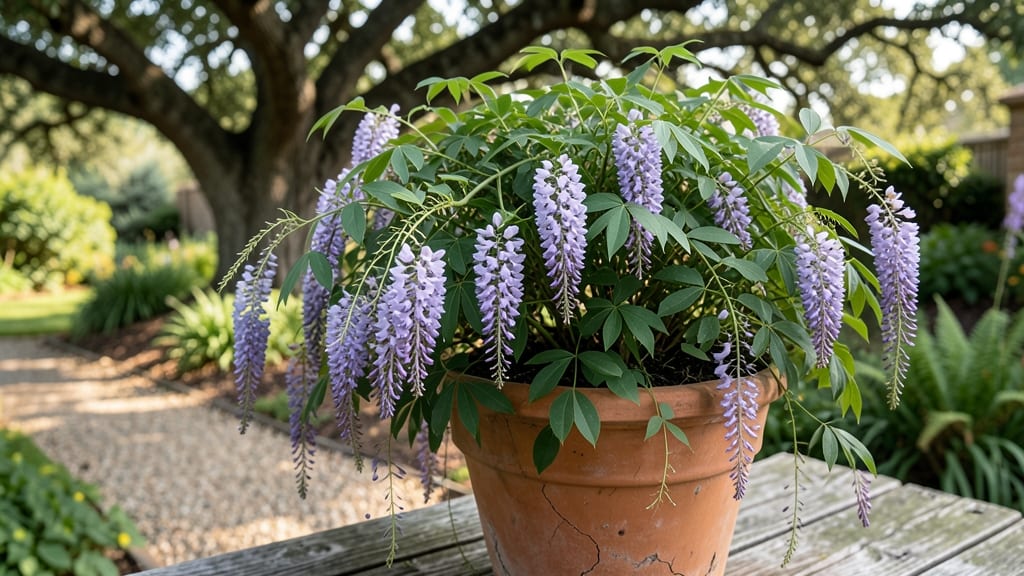
There’s nothing like a vine with purple flowers to turn a blank wall into a living masterpiece. 🌿 I’ll never forget the first time I saw clematis draping over my porch—its lavender blooms cascading like a waterfall of silk.
These vines don’t just fill empty space; they create a dramatic vertical canopy that hums with pollinators and steals every show.
The best part? They’re low-maintenance once established. Morning glories, clematis, and wisteria all thrive in partial sun, though clematis loves a little afternoon shade. Train them along trellises, arbors, or even old fences—they’ll climb, bloom, and bring neighborhood-jealousy levels of color to your space.
Plus, their fragrance? Pure magic at dusk.
You’ll end up with a garden that feels like a secret garden—lush, fragrant, and alive with movement. Pair them with silver foliage plants (like lamb’s ear) to make the purple pop even more, or let them mingle with roses for a romantic, old-world feel.
The possibilities are endless, and the results? Pure eye candy.
Works for small patios, large backyards, or even urban balconies—just pick the right vine for your space. Let’s get growing that vertical drama!
📚 In This Guide
- What you need
- Instructions
- Tips and common mistakes
- Wrapping up and next steps
What you need
- ● Vine with purple flowers (e.g., Clematis, Wisteria, or Passiflora): 1–3 mature plants (for quick canopy) or seeds/cuttings (for DIY growth)
- ● Ensure the variety thrives in your USDA Hardiness Zone (check labels!)
- ● Support structure: Trellis, arbor, or pergola (6–10 ft tall, depending on vine type)
- ● Metal, wood, or PVC pipes (if building DIY)
- ● Well-draining potting mix: 5–10 gallons (for containers) or amended garden soil (for in-ground planting)
- ○ Optional: Perlite or compost (20–30% mix for aeration)
- ● Fertilizer: Balanced granular (10-10-10) or slow-release organic (e.g., worm castings)
- ● Phosphorus-rich fertilizer (for flowering, like 5-10-10)
- ● Mulch (2–3 inches of shredded bark or straw)
- ● Garden tools: Trowel or spade (for planting)
- ● Pruning shears (sterilized!)
- ● Gloves (to protect from thorns or sap)
- ● Watering supplies: Hose with nozzle or watering can (1–2 gallons per plant, 2–3x/week)
- ○ Drip irrigation kit (optional, for consistent moisture)
- ● Location: Sunlight: 6+ hours/day (partial shade for some varieties like Clematis)
- ● Space: 3–6 ft clearance from walls/fences (vines spread fast!)
- ● Pollinator-friendly companions (e.g., Lavender, Marigolds)
- ● Slow-release plant ties (for securing young vines)
- ● Soil moisture meter (to monitor hydration)
- ● Decorative lights (for evening ambiance!)
How to create a stunning vertical purple flower vine display
Here’s how to transform any wall or trellis into a buzzing pollinator magnet with vibrant purple blooms.
🌱 Step 1: Choose the Right Vine Variety for Your Space
For a dramatic vertical canopy, I recommend clematis or morning glories—both thrive in vertical structures and produce striking purple flowers. Clematis varieties like 'Jackmanii' or 'Niobe' offer long-lasting blooms, while morning glories (like 'Heavenly Blue' or 'Black Scorpion') grow aggressively and self-seed easily. Check your hardiness zone to ensure the vine will thrive year-round.
If you prefer a more compact option, purple wisteria (if legal in your area) or passionflower vine delivers lush foliage and bold purple blooms. Avoid invasive species like kudzu—stick to controlled, ornamental varieties. Plant in well-draining soil with at least 6 hours of sunlight daily for best results.
🪴 Step 2: Prepare the Trellis or Support Structure
Install a strong, sturdy trellis or arbor at least 6-8 feet tall to accommodate mature vine growth. I use metal or wooden lattice panels for clematis, as they provide ample grip for tendrils. For morning glories, a simple string or wire mesh works—just ensure it’s taut enough to support the weight of blooms.
Position the trellis near a south- or west-facing wall to maximize sunlight exposure. If planting near a fence, secure the vine with soft ties or twine to guide growth upward. Avoid plastic ties—they can cut into stems as the vine thickens. Water the trellis base deeply before planting to help establish roots.
☀️ Step 3: Plant and Train for Optimal Growth
Dig a hole twice as wide as the root ball but no deeper to prevent waterlogging. Place the vine in the hole, ensuring the top of the root ball sits 2-3 inches below soil level—this protects against temperature fluctuations. Backfill with native soil, tamp gently, and water until the soil settles.
Train the vine immediately by loosely tying the main stem to the trellis with soft fabric strips (never wire). As new growth appears, weave tendrils through the lattice or wrap them around the support. Prune leggy stems in early spring to encourage bushier, flower-heavy growth. Watch for new shoots emerging near the base—these are your future blooming stems.
💧 Step 4: Maintain Water and Fertilize for Blooms
Water deeply once a week during the first growing season, focusing on the root zone to encourage deep root development. Purple-flowering vines like clematis are drought-tolerant once established but produce fewer blooms if stressed. Mulch with 2-3 inches of organic matter (like shredded bark) to retain moisture and suppress weeds.
Fertilize in early spring and mid-summer with a balanced, slow-release fertilizer (10-10-10 ratio). Avoid high-nitrogen feeds—these promote leafy growth at the expense of flowers. You’ll know your vine is thriving when it produces 3-4 feet of new growth per season and blooms cover the trellis by midsummer.
✂️ Step 5: Prune and Extend the Season
Prune clematis in late winter or early spring before new growth begins. Cut back one-third of the oldest stems to the ground to rejuvenate the plant and encourage vigorous new shoots. For morning glories, prune dead or crossing stems in early spring to improve airflow and reduce disease risk.
To extend blooming, deadhead spent flowers regularly by pinching off faded blooms at the base. This redirects energy to new growth. In fall, apply a light layer of mulch (about 1-2 inches) to insulate roots and protect against frost. With proper care, your purple vine will return year after year, drawing bees, butterflies, and hummingbirds to your garden.
Tips & tricks for perfect purple flower vine displays
Here's what nobody tells you about creating a vibrant vertical vine display that thrives year after year.
The Right Vine Selection: For maximum pollinator appeal, choose clematis varieties like 'Jackmanii' for their long-lasting blooms or morning glories like 'Heavenly Blue' for aggressive growth. I've found that clematis thrives in cooler climates while morning glories handle heat better. Check your hardiness zone—this determines which purple varieties will flourish without constant care. The right choice means fewer headaches and more blooms!
Support Structure Secrets: When installing your 6-8 foot trellis, position it with the bottom 18 inches buried in the ground and staked for stability. I use metal lattice panels for clematis because they provide the perfect grip for tendrils while allowing airflow. For morning glories, taut string works beautifully—just ensure it's secured at both ends. This prevents sagging, which can stress the vine and reduce flowering.
Planting Depth Matters: The instructions mention planting with the root ball 2-3 inches below soil level, but here's the thing: this depth varies slightly by vine type. Clematis benefits from deeper planting (3 inches) to protect against temperature fluctuations, while morning glories prefer just 1-2 inches. Always check the specific variety's requirements—this small adjustment makes a big difference in winter survival.
Watering Wisdom: While the weekly watering guideline works for most purple vines, I've learned that morning glories actually prefer slightly more frequent watering—every 4-5 days—during their first growing season. The key is deep watering at the root zone each time. Overhead watering can lead to fungal issues, especially in humid climates. A soaker hose makes this easy and efficient.
Pro Tips for Vine With Purple Flowers
- Here's what nobody tells you about creating a vibrant vertical vine display that thrives year after year.
- The Right Vine Selection: For maximum pollinator appeal, choose clematis varieties like 'Jackmanii' for their long-lasting blooms or morning glories like 'Heavenly Blue' for aggressive growth.
- Support Structure Secrets: When installing your 6-8 foot trellis, position it with the bottom 18 inches buried in the ground and staked for stability.
Frequently asked questions
Got questions about growing and caring for a stunning vine with purple flowers? You’re not alone! Here are some of the most common queries—and their answers—to help you create a thriving vertical garden that pollinators will love.
What’s the best vine with purple flowers for beginners?
Start with Clematis or Wisteria—both are hardy, fast-growing, and produce breathtaking blooms. For low-maintenance options, Morning Glory or Sweet Pea vines are excellent choices. They’re forgiving, attract butterflies, and thrive in partial shade.
How long does it take for a vine with purple flowers to bloom?
Most vines take 1–3 years to establish and flower, depending on the species. Wisteria can be patient (up to 5 years!), while Clematis often blooms in its first or second year if given proper support and sunlight. Patience pays off with dramatic purple cascades!
Do all purple-flowering vines need full sun?
Not always! While Wisteria and Morning Glory love full sun, Clematis prefers partial shade (especially in hot climates). Sweet Peas tolerate light shade too. Always check your vine’s specific needs—overheating can stress delicate blooms.
Which purple vines attract the most pollinators?
Top picks for bees, butterflies, and hummingbirds:
- Clematis (especially Clematis ‘Jackmanii’)
- Wisteria (fragrant and irresistible)
- Honeysuckle (purple varieties like ‘Amethyst Falls’)
- Passionflower (vibrant and pollinator-magnet)
Why aren’t my purple vines flowering this year?
Common culprits:
- Insufficient sunlight (most vines need 6+ hours/day)
- Over-fertilizing with nitrogen (promotes leaves, not blooms)
- Lack of pruning (deadhead spent flowers and trim in late winter)
- Poor drainage (root rot stunts growth)
Wrapping up and next steps
Transforming your space with a vine with purple flowers isn’t just about beauty—it’s a thrilling way to support pollinators while adding drama and color! These vines create a stunning vertical canopy that turns any garden or patio into a buzzing haven for bees, butterflies, and hummingbirds. 🌸
Ready to take the next step? Start small—choose a vine like Clematis or Morning Glory, gather your supplies, and let nature do the rest. Your garden (and the pollinators!) will thank you. Happy planting! 🌱